
When the first snowfall changes a cat’s territory overnight, you are not just dealing with a temperature shift. You are disrupting a scent map, altering acoustic cues, and changing how light reflects across familiar pathways. I have worked with indoor-outdoor cats who became visibly hesitant at doors they had used daily for years, simply because snow erased the olfactory markers they relied on.
A cat’s response to snow reflects coat structure, thermoregulation limits, sensory processing, early conditioning, and risk assessment behavior. Understanding those mechanisms makes winter management far easier and prevents unnecessary stress.
The Great Feline Snow Debate: Love It or Leave It?
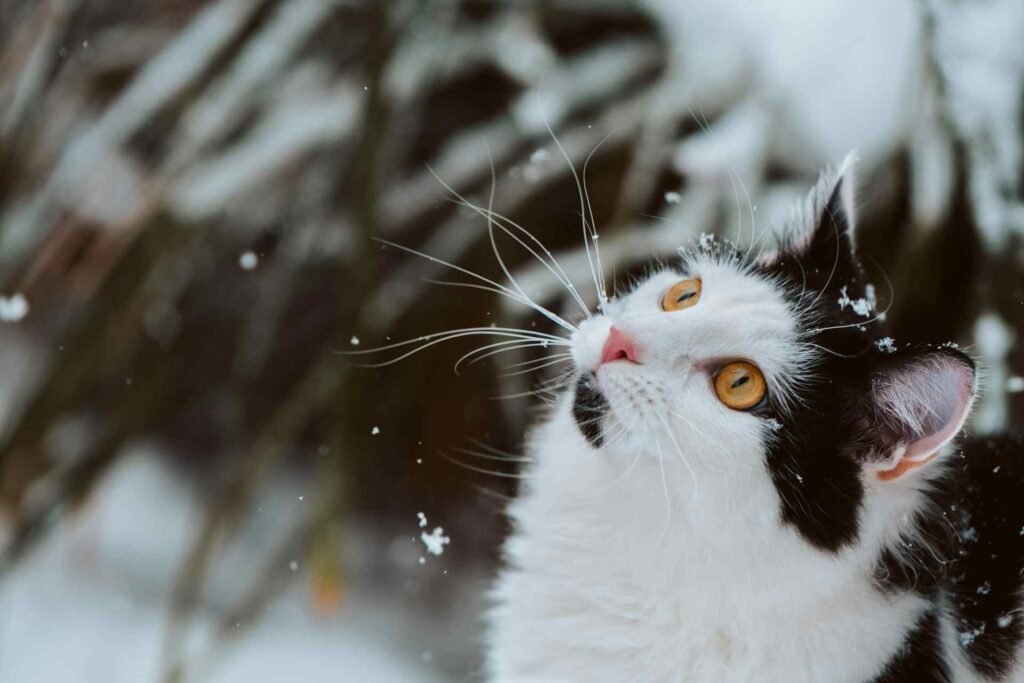
Do cats like snow? Well, it depends entirely on the cat. Just like humans have varying tolerance levels for cold weather, feline snow preferences vary wildly from one whisker to the next. Some cats treat snow like it’s an alien invasion, refusing to even peek outside when the white stuff appears. Others bounce through snowdrifts like miniature snow leopards, seemingly unbothered by the cold sensation on their paws.
The reaction often comes down to several factors: breed characteristics, early life experiences, personality traits, and even the thickness of their coat. A Maine Coon with its luxurious, water-resistant double coat might handle snowy conditions far better than a sleek Siamese who shivers at the slightest temperature drop.
Temperature tolerance plays a massive role here. Cats are most comfortable in temperatures between 65-75°F, so when snow brings those numbers plummeting, their bodies instinctively seek warmth. That’s why even adventurous outdoor cats might limit their winter excursions to quick bathroom breaks before darting back inside.
The feline thermoneutral zone sits roughly between 86°F and 100°F ambient temperature for a resting adult cat with a normal body condition score. Below that range, metabolic heat production increases. In practical terms, once environmental temperatures drop under about 45°F, most domestic cats begin conserving energy by reducing movement and seeking insulated surfaces. This is why even confident outdoor cats shorten patrol routes in winter.
What’s Actually Going Through Your Cat’s Mind When They See Snow
Cats do not conceptualize snow as weather in the abstract sense. What they process are stimuli shifts: altered scent diffusion, dampened high-frequency sound transmission, and visual contrast changes. Snow absorbs and scatters sound waves, which reduces prey-detection accuracy. I have observed experienced hunters hesitate longer before pouncing after snowfall, not from fear, but from reduced auditory precision.
They understand it’s cold, wet, and different from their normal environment, but they don’t grasp the meteorological concept of precipitation. What they do know is that this strange white substance behaves oddly, it moves when touched, it’s cold on their sensitive paw pads, and it makes hunting much more challenging since it muffles sounds and covers scent trails.
The sensory experience of snow can be overwhelming for felines. Their acute senses pick up on every detail: the way light reflects differently off snow-covered surfaces, the muffled quality of familiar outdoor sounds, and the stark temperature contrast when stepping from a warm house into the frozen outdoors.
Different Snow Reactions
Why do cats hate snow, when they do? The answer lies in their physiology and survival instincts. Cats evolved in desert climates, where their ancestors never encountered frozen precipitation. Their bodies simply aren’t designed for prolonged cold exposure in the same way that breeds like Huskies or Saint Bernards have adapted to frigid conditions.
Paw pads are particularly vulnerable. Frostbite risk increases when tissue temperature falls below 32°F long enough to impair perfusion. The extremities, especially ear tips and tails, are most at risk in cats with limited peripheral circulation. Frostbite often presents first as pale or gray tissue that later reddens during reperfusion.
The moisture factor also matters tremendously. Cats are famously fastidious groomers who prefer staying dry. Snow melts on contact with their warmer body temperature, leaving their fur damp and heavy. Wet fur loses its insulating properties, making cats feel colder and compromising the protective barrier their coat normally provides. Nobody wants to spend the next hour grooming away melted snow and ice crystals.
How Different Cat Breeds React to Snow
| Breed Type | Typical Snow Tolerance | Why? |
|---|---|---|
| Maine Coon, Norwegian Forest Cat, Siberian | High | Dense, water-resistant double coats evolved for cold climates; larger body mass retains heat better |
| Persian, Himalayan | Moderate | Long fur provides insulation but can collect snow; prefer indoor observation |
| Siamese, Sphynx, Oriental Shorthair | Low | Minimal coat provides little protection; desert-climate ancestry; prefer warmth |
| Bengal, Abyssinian | Low to Moderate | Short, single coat; high energy might lead to brief snow play but quick retreat |
| Domestic Shorthair/Longhair | Variable | Depends on individual genetics and acclimatization |
This isn’t a hard rule, individual personality always trumps breed tendencies. We’ve all heard stories of hairless cats who love snow watching and fluffy Persians who refuse to acknowledge winter exists.
When Cats Actually Enjoy the Winter Wonderland
So why do cats like snow when they’re among the minority who do? Several factors can create positive associations with winter weather. Cats raised in snowy climates often develop better tolerance, especially if they experienced snow as curious kittens when their sense of adventure outweighed their discomfort. Early positive experiences matter.
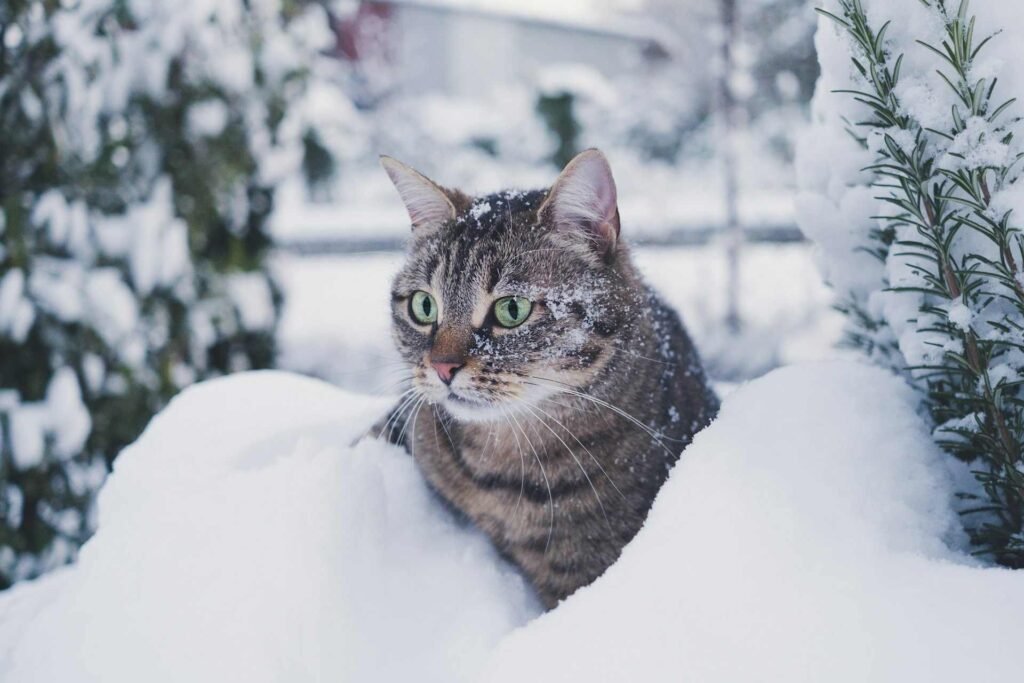
The hunting instinct can override temperature concerns for prey-driven cats. Snow creates interesting movement patterns, making falling snowflakes irresistible targets for athletic felines. There’s something about the unpredictable flutter of snowflakes that triggers the same predatory response as a feather toy or laser pointer. Some cats will sit at windows for hours, watching and tracking these natural entertainment sources.
Related article: What Do Cats Like to Watch on TV? Top Picks for Cats
Do cats like snow in the winter when they can control their exposure? Absolutely, for some cats. Cats who can venture outside briefly, explore on their own terms, and return to warmth whenever they want are much more likely to engage positively with snowy conditions. It becomes an enrichment activity rather than an ordeal.
Younger, more energetic cats might genuinely enjoy short bursts of snow play. Pouncing through shallow snow, chasing blown snowdrifts, or investigating new snow-created textures can be exciting novelties. The important distinction is that these cats are choosing this interaction and can end it at any moment.
Keeping Your Cat Safe and Comfortable During Snowy Season
Creating a winter-friendly environment means thinking like a cat. First priority: warm retreat spots. Strategic furniture placement near heat sources becomes crucial during cold months. Consider adding heated cat beds, extra blankets in favorite napping spots, or even pet-safe heating pads designed specifically for feline use.
For outdoor or indoor-outdoor cats, establish a clear routine. Cats handle change better when they know what to expect. If your cat ventures outside during winter, keep trips shorter and monitor them closely. Never force a reluctant cat into snow, this creates negative associations that can lead to behavioral issues and increased stress.
After snow exposure, rinse paws with lukewarm water between 98°F and 102°F, then dry thoroughly including interdigital spaces. Deicing salts commonly contain sodium chloride or calcium chloride, both of which can cause chemical irritation and gastrointestinal upset if ingested during grooming. In areas where ethylene glycol contamination is possible, wiping paws immediately is critical because even small exposures are toxic.
Hydration becomes tricky in winter because cats may drink less water when temperatures drop. Ensure water bowls don’t freeze if kept outside, and consider room-temperature water rather than cold water from outdoor sources. Water fountains designed for cats can encourage drinking by providing running water that stays at a more appealing temperature.
Winter also means drier indoor air from heating systems, which can affect your cat’s skin and coat. A humidifier helps maintain comfortable moisture levels, benefiting both you and your feline companion. Speaking of which, maintaining healthy coat condition through proper nutrition and regular grooming helps preserve your cat’s natural insulating abilities.
Indoor Entertainment for Snow-Averse Cats
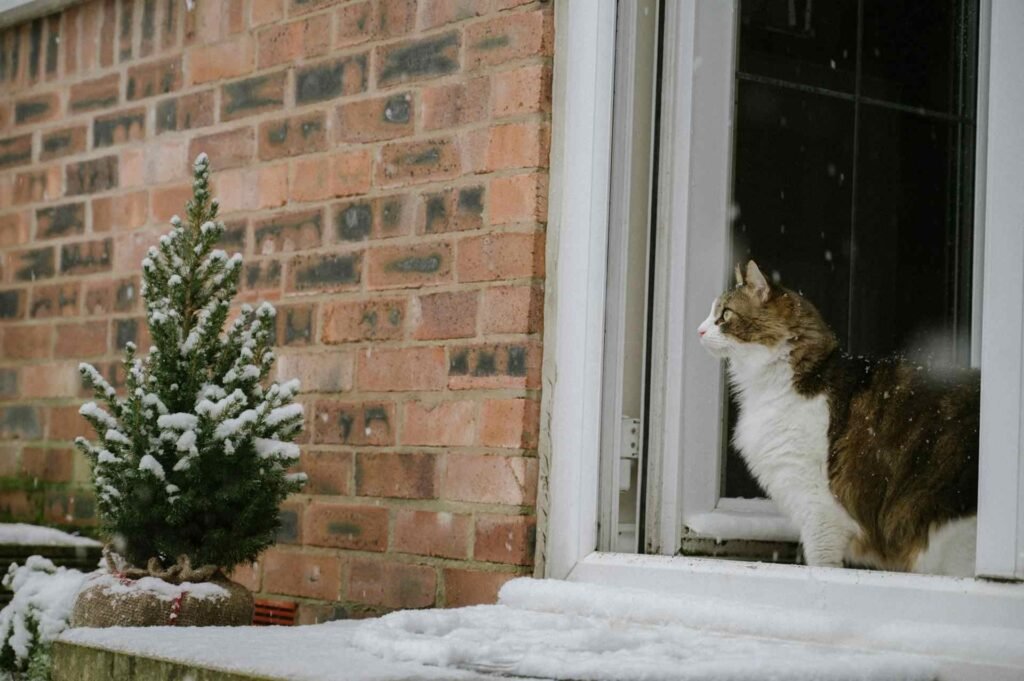
When snow keeps cats inside more than usual, preventing boredom becomes essential. Mental stimulation matters just as much as physical exercise. Window perches positioned for optimal snow-viewing transform indoor cats into engaged observers rather than frustrated prisoners.
Puzzle feeders make mealtime more engaging while slowing down eating for cats who tend to gobble food too quickly. Interactive toys that mimic prey movements work especially well during winter months when natural hunting opportunities decrease. Rotate toys regularly to maintain novelty and interest.
Create vertical territory by adding cat trees or wall-mounted shelves. Cats feel more secure when they can survey their domain from elevated positions, and this becomes increasingly important when they’re spending more time indoors. Consider seasonal cat trees with cozy enclosed spaces that appeal to their denning instincts during cold weather.
Structure indoor enrichment around the predatory sequence: orient, stalk, chase, pounce, capture, consume, groom, sleep. If you interrupt the sequence before the “capture” phase, frustration increases. I advise ending every interactive session by allowing a tactile “kill” followed by a small protein-based reward. In multi-cat households, run sessions separately to prevent resource guarding behaviors during winter confinement.
Outdoor Cat Shelters and Winter Considerations
For community cats or outdoor felines who need protection during harsh winter weather, proper shelter makes all the difference between survival and suffering. Insulated outdoor cat houses provide crucial protection, but they need specific features to work effectively.
The most effective feral shelters I have installed use 1.5–2 inches of rigid foam board insulation (R-value ≥ 7.5) inside plastic storage bins to prevent moisture retention. Entrance diameter should not exceed 6 inches to minimize heat loss. Elevate the structure at least 2 inches above ground to reduce conductive heat loss from frozen surfaces. Avoid hay. Only straw repels moisture effectively.
Position shelters off the ground and with entrances facing away from prevailing winds. Add a flap over the doorway to reduce heat loss while still allowing easy entry and exit. Multiple cats may share winter shelters, so consider providing several options in case territorial disputes arise.
Check shelters regularly during severe weather. Remove any snow accumulation from roofs and entrances, and replace damp straw as needed. Fresh, dry bedding maintains insulation effectiveness and prevents cats from lying on frozen materials.
FAQ
Yes, cats can develop frostbite on their extremities, particularly ear tips, tail tips, and paw pads. Frostbite occurs when tissue freezes from prolonged cold exposure. Signs include pale or gray skin that may turn red or develop blisters as it thaws. If you suspect frostbite, warm the affected areas gradually with lukewarm water and contact your veterinarian immediately. Prevention is key: limit outdoor time during extreme cold and watch for signs your cat is uncomfortable.
This depends entirely on your individual cat’s interest and tolerance. Some indoor cats are fascinated by snow and might enjoy brief, supervised outdoor experiences. Others will be terrified or uncomfortable. Never force an unwilling cat into snow. If your indoor cat shows interest, start with very short exposures while closely monitoring their reactions and body language. Ensure they can return inside immediately if they become distressed. For most indoor cats, watching snow from a warm window perch provides plenty of stimulation without risks.
Coat color doesn’t affect a cat’s ability to handle snow, but coat type definitely does. Dense, double-coated breeds with water-resistant fur tolerate snow much better than single-coated or hairless breeds, regardless of color. However, darker-colored cats may absorb slightly more solar heat on sunny winter days, potentially making them marginally more comfortable during brief outdoor trips. The difference is minimal compared to coat density and overall body condition.
Most cats become uncomfortable when temperatures drop below 45°F and are at serious risk below 32°F. Once temperatures reach 20°F or lower, even hardy outdoor cats face significant danger from hypothermia and frostbite. Wind chill makes conditions even more dangerous. If it’s too cold for you to comfortably stand outside, it’s too cold for your cat. Factors like wind, moisture, and your cat’s coat condition also matter, so err on the side of caution.
Cats sometimes eat snow out of curiosity, playfulness, or thirst. Small amounts of clean snow won’t harm your cat, but it’s not an ideal water source since eating snow can lower body temperature. Some cats also find the texture interesting. However, ensure your cat isn’t eating snow because their regular water has frozen or become inaccessible. Cats eating large amounts of snow might be excessively thirsty, which could indicate an underlying health issue worth discussing with your veterinarian.
Snow itself doesn’t cause illness, but cold, wet conditions can stress your cat’s immune system and make them more susceptible to respiratory infections. The bigger concern is what’s in the snow: deicing chemicals, salt, antifreeze, and other toxic substances can contaminate snow and cause serious harm if ingested during grooming. Always wipe your cat’s paws after snow exposure and never let them walk through areas treated with deicing products.
While cat boots exist, most cats absolutely despise wearing them and will refuse to walk normally. For most cats, the stress of wearing booties outweighs the benefits. Better options include limiting outdoor time, applying pet-safe paw balm before snow exposure, and thoroughly cleaning paws afterward. If your cat must walk through snow or deicing chemicals regularly, gradual desensitization to protective booties might work, but expect a lengthy training process and potential failure.
Embracing Your Cat’s Unique Winter Personality
Snow reveals how individually calibrated cats are to environmental change. Some adapt through curiosity and controlled exploration. Others conserve energy and retreat. Neither reaction reflects weakness or superiority. It reflects evolutionary tradeoffs interacting with domestic living conditions.
The responsible approach is not to persuade your cat to enjoy winter. It is to interpret their signals accurately, reduce preventable risk, and provide options that preserve both safety and autonomy. If you focus on thermoregulation, sensory stress, and enrichment structure, winter becomes manageable rather than dramatic.
Looking for more? Visit our Blog for more fun and insightful reads, or browse our full Cat Category for everything feline-related, from care to comfort.
Disclaimer: This article is for informational purposes only and does not substitute for professional veterinary advice. Always consult your veterinarian for diagnosis and treatment tailored to your cat’s individual needs. Please verify current product information directly on the retailer’s site before purchasing.
References
- ASPCApro. Ethylene Glycol and Antifreeze Poisoning in Pets. https://www.aspcapro.org/resource/ethylene-glycol-and-antifreeze-poisoning-pets
- American Veterinary Medical Association. Cold weather animal safety. https://www.avma.org/resources-tools/pet-owners/petcare/cold-weather-animal-safety
- Deborah C. Mandell. Cat Frostbite. https://www.redcross.org/take-a-class/resources/learn-pet-first-aid/cat/frostbite
- Malcolm Weir, Tammy Hunter, Ernest Ward (2024). Frostbite in Cats. https://vcahospitals.com/westcreek/know-your-pet/frostbite-in-cats
- National Research Council. 2006. Nutrient Requirements of Dogs and Cats. Washington, DC: The National Academies Press. https://doi.org/10.17226/10668
- Smit M, Andrews CJ, Draganova I, Corner-Thomas RA, Thomas DG. Longitudinal Study on the Effect of Season and Weather on the Behaviour of Domestic Cats (Felis catus). Animals (Basel). 2025 Feb 22;15(5):637. https://doi.org/10.3390/ani15050637
Check out our most recent articles!
- Can Cats Eat Green Peas? Safe, Healthy, or Just a Skip?
 A pea rolling across the kitchen floor is basically a free cat toy and a snack in one. But before it becomes a habit, here’s what you should know about what those little green things actually do for (or to) your cat.
 - Are Spray Bottles Bad for Cats? Reasons & AlternativesA spray bottle might stop your cat’s counter-surfing today, but it’s teaching them something much more troubling: that you’re unpredictable and potentially dangerous. Discover what really happens when you spray your cat and the alternatives that actually create lasting change.
- How Are Cats so Flexible? Your Cat’s Anatomy ExplainedBetween their 53 vertebrae, muscular shoulders connected only by soft tissue, and elastic joints, cats possess anatomical superpowers that blur the line between solid and liquid, letting them navigate spaces you’d swear were too small.
- Do Cats Copy Their Owners Voice, Personality and Actions?The independent cat stereotype is crumbling. Science reveals that cats engage in intentional mimicry, learning from their owners and adapting their personalities to match the humans they live with.
- Are Newborn Cats Born With Teeth? Everything About Kitten Dental GrowthEver wondered what’s happening inside a newborn kitten’s mouth? The answer might surprise you. Discover the complete timeline of feline dental development and learn what to expect as your kitten grows from gummy grins to a full set of adult teeth.
- Keeping Your Indoor Cat Warm in Winter: The Complete GuideEven indoor cats feel the winter chill more than you might think. Cold floors, dry air, and sneaky drafts can leave your feline less comfortable than they should be. Discover the simple adjustments that make all the difference in helping your cat stay genuinely cozy through the coldest months.
- Should You Look Your Cat in the Eyes? Is Staring Really Aggressive?Your cat’s eyes tell a story you’ve been misreading. While prolonged staring means one thing in human communication, cats interpret it completely differently. Discover why that loving gaze might actually be stressing out your feline friend and what to do instead.
- Choosing the Best Blanket for Your Cat: A Blanket Buyer’s GuideFinding the best blanket for your cat means considering more than just softness. Temperature regulation, durability, washability, and even behavioral quirks all play a role in choosing the perfect cozy spot for your feline friend. Discover which blanket types match your cat’s lifestyle.
- How to Get Your Kitten to Eat More: Simple Solutions for Picky EatersWatching your tiny kitten turn up their nose at perfectly good food can be heart-wrenching. This comprehensive guide reveals why kittens become picky eaters and shares practical solutions that transform mealtime battles into successful feeding routines.
- Can Cats Eat Fried Rice? Why This Takeout Favorite Is a No-GoThat irresistible takeout aroma might have your cat begging, but fried rice contains ingredients that can harm felines. Discover why even small amounts aren’t worth the risk and what treats truly suit your cat’s carnivorous nature.
- Why Do Cats Vibrate Their Tail? From Happy to HuntingYour cat’s vibrating tail is like a mood ring with fur. Whether they’re thrilled to see you or preparing to mark territory, decoding these rapid shakes reveals what’s really going on in their mind.
- Is Asparagus Bad for Cats? Risks, Benefits, and AlternativesYour cat’s eyeing your asparagus dinner, but should they have any? While this green veggie isn’t toxic to cats, there are surprising reasons why it’s not the treat you might think it is.
- How Cats Express Sadness: Reading Your Feline’s Emotional LanguageCats don’t cry emotional tears or mope around like dogs, but they absolutely experience sadness. The trick is learning to read their subtle language, the withdrawn behavior, the changed routines, the slight shifts in body posture that reveal their inner emotional world.
- Can Cats and Rabbits Live Together? Multi-Species Harmony GuideCats are predators, rabbits are prey, but that doesn’t mean they can’t coexist peacefully. Success comes down to understanding each animal’s instincts, respecting their boundaries, and taking introductions at the right pace.
- Are Space Heaters Safe for Cats? Keeping Your Cat CozySpace heaters can provide cozy warmth for your cat, but only when chosen and positioned with feline safety in mind. Discover which features protect against burns, fires, and electrical hazards.















Written by Fenton Harberson (Scientific Writer and Digital Asset Planner)
Last reviewed and edited on 16.02.2026