
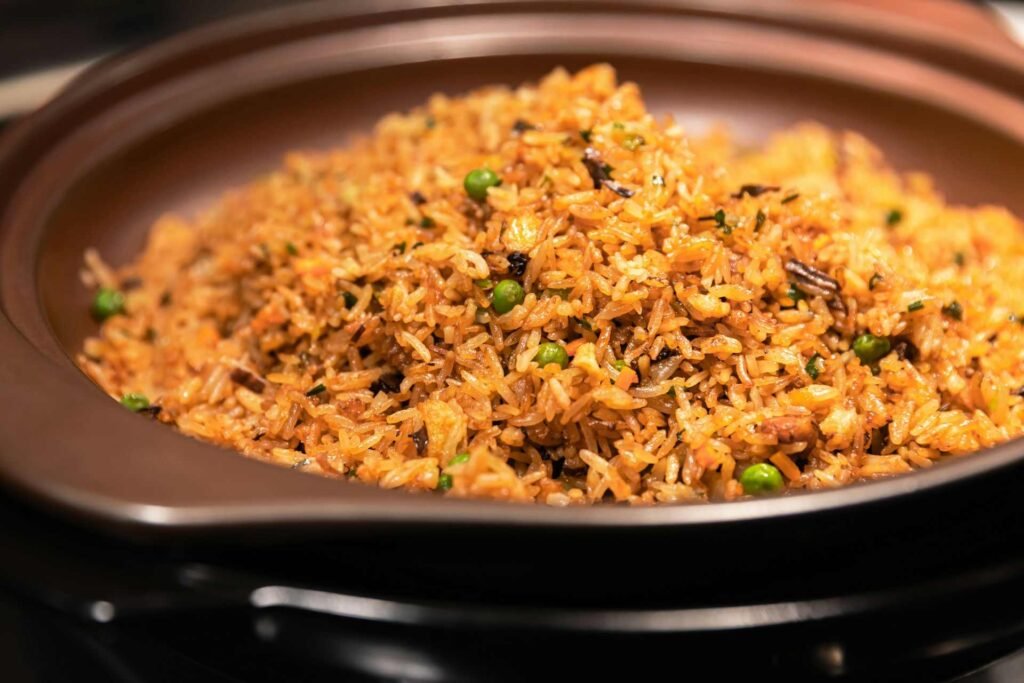
There’s something undeniably comforting about ordering takeout after a long day, and as you dig into that delicious fried rice, you might notice a pair of curious eyes watching your every move. Fried rice combines several ingredients that are physiologically inappropriate for cats, including high sodium sauces, allium species such as garlic and onion, and excess fat. While plain rice is not toxic, fried rice introduces compounds that can damage red blood cells or overwhelm a cat’s kidneys. Understanding why requires looking at feline metabolism rather than just ingredient lists.
Why Cats Are Drawn to Our Food
Cats are naturally curious creatures, and the aromatic blend of soy sauce, vegetables, and savory seasonings wafting from your fried rice can be irresistible to them. However, what smells appealing to us doesn’t necessarily translate to nutritional value for our pets. Cats are obligate carnivores, meaning their bodies are designed to thrive on animal protein rather than grains and vegetables. This fundamental difference in dietary needs is the first clue that fried rice might not be the best choice for your whiskered companion.
When your cat shows interest in your meals, it’s often more about curiosity and the desire to be part of the family activity than actual hunger for that specific food. Still, understanding what’s safe and what’s potentially harmful is crucial for responsible pet ownership.
Related article: 12 Human Foods Your Cat Should Never Eat
The Plain Truth About Rice and Cats
Before we dive into the complexities of fried rice, let’s talk about rice itself. Can cats eat cooked rice? The answer is generally yes, but with important caveats. Plain, cooked rice isn’t toxic to cats and can occasionally serve as a bland food option when they’re experiencing digestive upset. Veterinarians sometimes recommend small amounts of boiled rice mixed with lean protein for cats recovering from stomach issues.
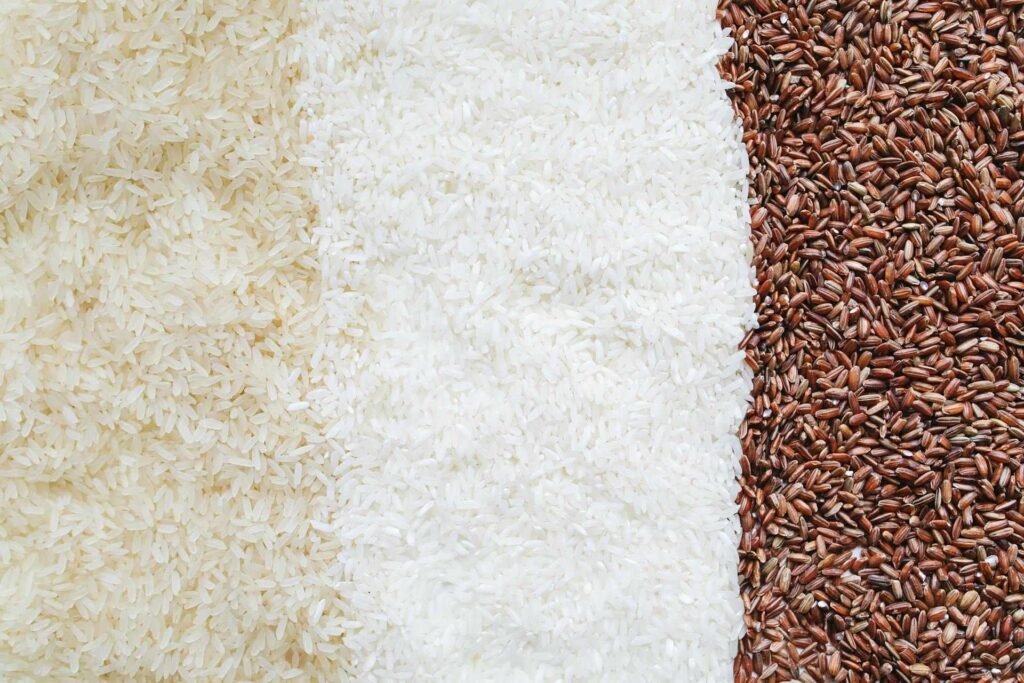
However, rice offers minimal nutritional benefits to cats. Unlike humans and dogs, who can extract energy and nutrients from grains, cats lack the digestive enzymes needed to efficiently process carbohydrates. Their bodies are optimized for breaking down proteins and fats from animal sources. So while a small amount of plain rice won’t harm your cat, it shouldn’t become a regular part of their diet.
Fried Rice Is a Different Story
Now we get to the heart of the matter. Fried rice transforms plain rice into something far more problematic for cats. The cooking process typically involves several ingredients that range from unnecessary to potentially harmful for felines.
The Ingredient Breakdown
Fried rice usually contains soy sauce, which is loaded with sodium. Cats have much smaller bodies than humans, and their kidneys aren’t designed to handle high salt levels. Excessive sodium can lead to dehydration, increased thirst, and in severe cases, sodium ion poisoning. The symptoms can include vomiting, diarrhea, tremors, and seizures.
In emergency practice, sodium toxicosis in cats is most often seen after ingestion of salty broths, cured meats, or soy-based sauces. Clinical signs typically appear within several hours and include neurologic symptoms such as ataxia, tremors, and altered mentation due to osmotic shifts in brain cells. Cats are particularly vulnerable because their renal system is adapted for conserving water, not processing salt-heavy foods. The ASPCA lists sodium ion poisoning as a preventable toxicity in companion animals.
Garlic and onions contain organosulfoxides that cause oxidative damage to feline red blood cells. Cats are more sensitive to this effect than dogs because their hemoglobin structure makes them prone to Heinz body formation. Even doses as low as 5 g per kg of onion have been documented to induce hematologic changes in cats. Anemia may not appear for several days, which is why owners often fail to connect the symptoms to the food exposure.
Vegetable oil or butter used in frying adds unnecessary fat to your cat’s diet. While cats do need some fat, the type and amount matter. Too much fat can lead to pancreatitis, a painful and potentially serious inflammation of the pancreas. Cats with pancreatitis may show signs of lethargy, loss of appetite, and abdominal pain.
Hidden Dangers in Mix-Ins
Many fried rice recipes include scrambled eggs, peas, carrots, and sometimes proteins like chicken, shrimp, or pork. While plain cooked chicken or shrimp in moderation can be fine for cats, the way these proteins are prepared in fried rice poses problems. They’re often cooked with the same problematic seasonings and oils mentioned earlier.
Peas and carrots aren’t toxic to cats, but they provide little nutritional value since cats can’t efficiently digest plant matter. Your cat might enjoy batting a stray pea around the kitchen floor, but eating vegetables doesn’t contribute meaningfully to their dietary needs.
What About Just a Tiny Taste?
A single grain of fried rice is unlikely to cause measurable harm. The problem is pattern exposure. We have seen multiple cases where well-meaning owners routinely offered “just a bite” of seasoned table food. Over months, those cats developed chronic gastrointestinal irritation or selective refusal of balanced cat food. Cats imprint strongly on palatable human foods, particularly those containing fat and salt. Once preference conditioning occurs, reversing it can require weeks of strict dietary reset. From a behavioral standpoint, preventing that first reinforcement is far easier than correcting food aversion later.
When Cooked Rice Might Actually Help
There are limited circumstances where plain, cooked rice could be beneficial for your cat. If your feline friend is experiencing mild digestive issues, a veterinarian might recommend a bland diet temporarily. This usually consists of plain boiled rice mixed with a small amount of boiled chicken (without skin, bones, or seasoning). The rice acts as a binding agent to help firm up loose stools.
The typical short-term bland diet protocol in small animal medicine involves feeding approximately 25 percent boiled white rice and 75 percent lean protein by volume for 24 to 48 hours. This approach is appropriate only for mild, non-systemic diarrhea in an otherwise bright and hydrated cat. If lethargy, blood in stool, persistent vomiting, or reduced water intake are present, rice is not a solution and veterinary evaluation is required.
Is cooked rice good for cats in this context? It serves a purpose, but it’s meant as a short-term solution, not a dietary staple. Once your cat’s stomach settles, they should return to their regular food. If digestive problems persist beyond a day or two, a vet visit is necessary to rule out more serious conditions.
| Rice Type | Safety for Cats | Nutritional Value | Best Use Case |
|---|---|---|---|
| Plain White Rice (boiled) | Generally safe in small amounts | Minimal – mostly carbohydrates | Temporary digestive upset relief |
| Plain Brown Rice (boiled) | Generally safe in small amounts | Slightly more fiber than white | Occasional bland diet component |
| Fried Rice | Not recommended | Poor – high sodium, oils, seasonings | None – avoid entirely |
| Seasoned Rice | Not recommended | Depends on seasonings, often harmful | None – stick to plain only |
Better Alternatives for Treating Your Cat
If you want to share something special with your cat during mealtime, there are much better options than fried rice. Small pieces of plain, cooked chicken, turkey, or fish make excellent occasional treats. These protein-rich options align with your cat’s natural dietary needs and won’t upset their stomach.
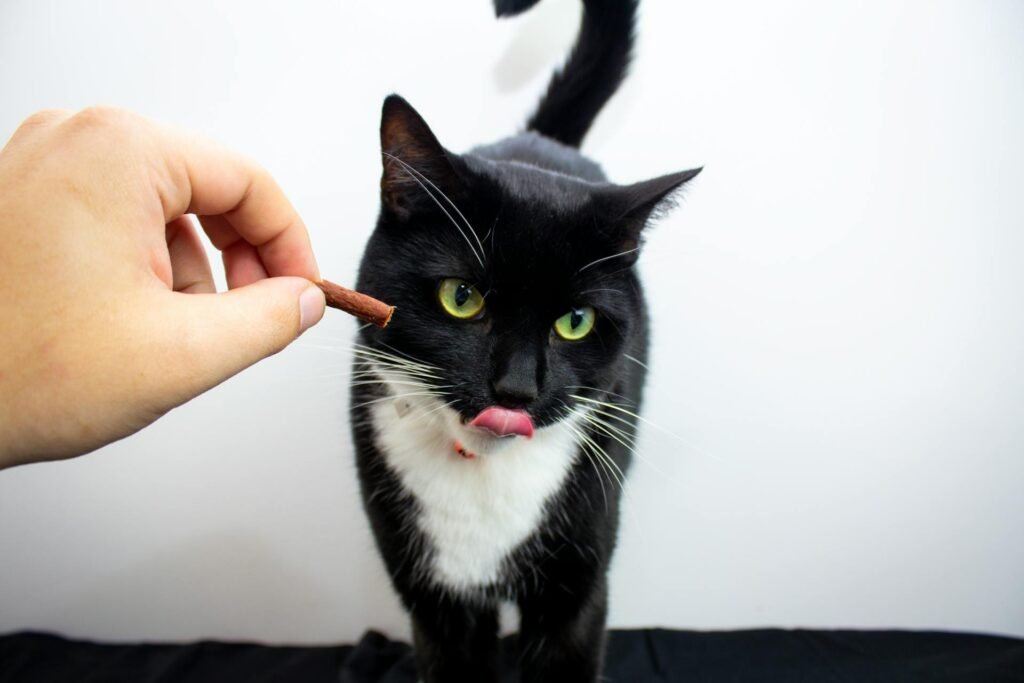
Commercial cat treats are specifically formulated to be safe and appealing to cats. Look for treats that list real meat as the first ingredient and avoid those with excessive fillers, artificial colors, or flavors. Some treats are designed to support dental health or provide hairball relief, adding functional benefits beyond just taste.
Fresh water should always be available, especially if you’re offering any treats. Some cats enjoy the novelty of a cat water fountain, which can encourage them to drink more and stay properly hydrated.
Reading Your Cat’s Body Language Around Food
Cats communicate their needs through body language, and mealtime is no exception. If your cat becomes overly fixated on human food, exhibiting begging behaviors or attempting to steal food from your plate, it might signal that they’re not getting enough enrichment or that their regular meals aren’t satisfying them.
Before assuming your cat is genuinely hungry for your fried rice, consider whether their current diet meets their needs. High-quality cat food should provide complete nutrition, and if your cat constantly seems hungry, it’s worth discussing portion sizes and feeding schedules with your veterinarian.
Sometimes what appears to be food-seeking behavior is actually boredom or a desire for attention. Engaging your cat with interactive play or providing puzzle feeders can redirect their focus from your dinner plate to more appropriate activities.
Special Considerations for Cats with Health Issues
Cats with existing health conditions need even more careful dietary management. Felines with kidney disease, for instance, require low-sodium diets, making the high salt content in fried rice particularly dangerous. Diabetic cats need consistent carbohydrate intake carefully balanced with their insulin doses, and random additions of rice can throw off their blood sugar control.
Senior cats often have reduced kidney function even without a formal diagnosis of kidney disease, making them more susceptible to the negative effects of excess sodium. Similarly, cats with a history of pancreatitis should avoid fatty foods entirely, which rules out anything fried.
If your cat has any diagnosed health condition or is on medication, always check with your veterinarian before introducing any new foods, even in small amounts.
Building Healthy Eating Habits
Creating boundaries around human food versus cat food helps establish healthy habits for life. When you consistently avoid sharing inappropriate foods like fried rice, your cat learns not to expect handouts. This makes mealtimes less stressful for everyone and reduces the risk of accidental ingestion of harmful foods.
Feed your cat at regular times in their own designated space, separate from where you eat. This reinforces that they have their own food and reduces begging behavior. High-quality feeding bowls made from appropriate materials can make mealtimes more comfortable and hygienic for your cat.
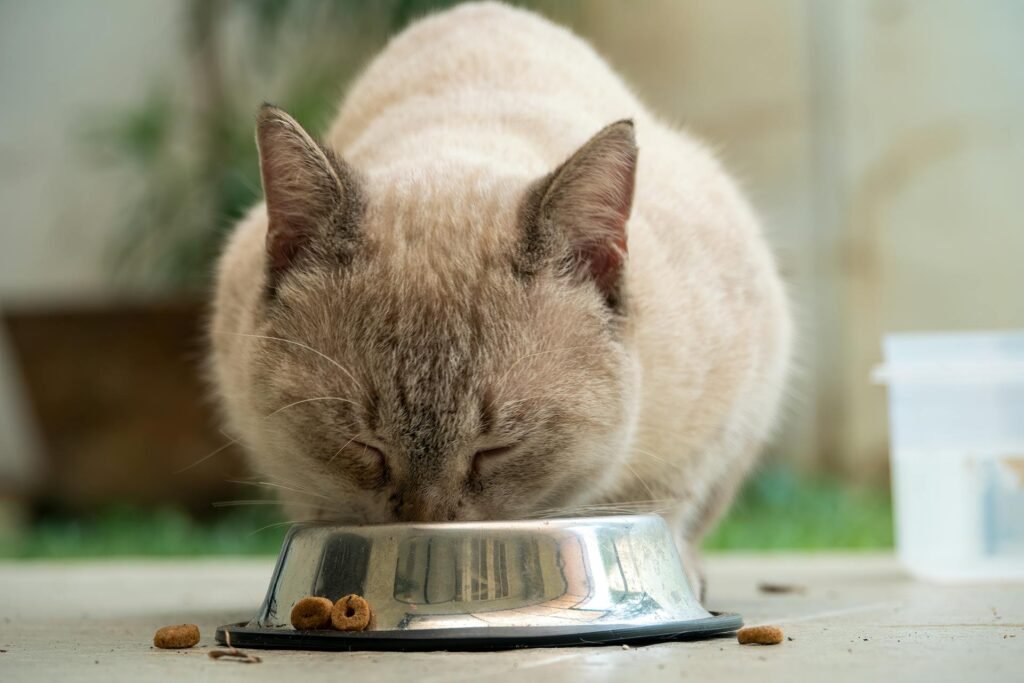
Consider the placement of feeding areas too. Cats generally prefer quiet, low-traffic locations where they can eat without feeling vulnerable. Some cats are sensitive to certain materials or bowl depths, so paying attention to these details can improve their overall dining experience.
FAQ
No, fried rice with egg still contains all the problematic ingredients like soy sauce, oils, and seasonings that make regular fried rice unsuitable for cats. While plain scrambled eggs can be an occasional treat for cats, the eggs in fried rice are cooked with ingredients that aren’t safe for feline consumption. The sodium content alone makes this a poor choice, not to mention potential additives like garlic or onion powder.
If your cat consumed a small amount of fried rice, monitor them closely for the next 24-48 hours. Watch for signs of digestive upset like vomiting, diarrhea, lethargy, or loss of appetite. Most cats will experience only mild stomach discomfort if any symptoms at all from a tiny amount. However, if your cat ate a substantial portion, especially if the fried rice contained garlic or onions, contact your veterinarian immediately. Keep the packaging or ingredient list handy so you can inform the vet exactly what was in the dish.
Both cooked white rice and brown rice are safe for cats in small amounts when prepared plain with just water and no seasonings. White rice is actually slightly easier for cats to digest because it has less fiber, which is why veterinarians typically recommend it for cats with upset stomachs. Brown rice contains more fiber and nutrients, but remember that cats can’t efficiently extract these benefits anyway. Neither should be a regular part of your cat’s diet since they’re obligate carnivores requiring primarily meat-based nutrition.
If your veterinarian has recommended plain rice for digestive issues, start with about one to two tablespoons mixed with a small amount of boiled chicken for an average-sized adult cat. The rice should be well-cooked and cooled to room temperature. Feed this bland mixture in small portions throughout the day rather than one large meal. This approach should only be used for 24-48 hours at most, and if symptoms persist or worsen, your cat needs veterinary attention. Never use rice as a substitute for proper medical care.
Chinese food, including fried rice, lo mein, and most other dishes, is not appropriate for cats. These foods typically contain high levels of sodium, garlic, onions, and various seasonings that can be harmful to felines. The MSG often found in Chinese cuisine can also cause problems for some cats. Even seemingly plain items like steamed rice from Chinese restaurants may have been cooked in seasoned water or touched surfaces with problematic ingredients. Stick to cat-specific foods and treats designed with their nutritional needs in mind.
Cats do not have a dietary requirement for carbohydrates. According to the National Research Council, felines can maintain normal blood glucose through gluconeogenesis using amino acids from protein, meaning dietary starch is unnecessary for survival. Small amounts of cooked grains are not toxic, but they serve primarily as caloric fillers rather than functional nutrients. In my experience formulating diets for overweight cats, reducing carbohydrate density rather than adding grains consistently improves body condition and glycemic stability.
Conclusion
So, can cats eat fried rice? The short answer is no, they really shouldn’t. While your cat might give you those impossibly adorable pleading eyes when you’re enjoying your takeout, fried rice contains too many ingredients that range from unhelpful to downright dangerous for felines. The sodium, oils, seasonings, and potential toxic additions like garlic and onions make it a poor choice even in small amounts.
When you’re tempted to share your fried rice, remember that the best way to keep your feline friend purring happily is to respect their unique dietary needs as obligate carnivores. Fried rice is designed for human taste preferences, not feline physiology. The combination of sodium, alliums, and cooking fats creates cumulative risk without nutritional benefit. Protecting your cat’s long-term kidney function and red blood cell health means keeping seasoned table food off the menu. If you want to share something, offer a plain piece of cooked chicken instead. It aligns with their biology and avoids preventable harm.
Looking for more? Explore our Cat Food section for more posts like this, visit the Blog for fun and insightful reads, or browse our full Cat Category for everything feline-related, from care to comfort.
Disclaimer: This article is for informational purposes only and does not substitute for professional veterinary advice. Always consult your veterinarian for diagnosis and treatment tailored to your cat’s individual needs. Please verify current product information directly on the retailer’s site before purchasing.
References
- Cristine Hayes (2024). Garlic and Onion (Allium spp) Toxicosis in Animals. https://www.merckvetmanual.com/toxicology/food-hazards/garlic-and-onion-allium-spp-toxicosis-in-animals
- Dangerous Foods for Cats (2022). https://www.fourpawsusa.org/our-stories/publications-guides/dangerous-foods-for-cats
- Inflammatory Bowel Disease (2018). https://www.vet.cornell.edu/departments-centers-and-institutes/cornell-feline-health-center/health-information/feline-health-topics/inflammatory-bowel-disease
- National Research Council. 2006. Nutrient Requirements of Dogs and Cats. Washington, DC: The National Academies Press. https://doi.org/10.17226/10668
- People Foods to Avoid Feeding Your Pets. https://www.aspca.org/pet-care/aspca-poison-control/people-foods-avoid-feeding-your-pets
- Salt. https://vetmeds.org/pet-poison-control-list/salt
Check out our most recent articles!
- How Cats Always Know Exactly Where (and When) to Groom
 A cat who suddenly grooms less isn’t being lazy. One who grooms constantly might not just be clean-obsessed. Grooming habits are one of the clearest windows into your cat’s wellbeing once you know what to look for.
 - Why Do Cats Push Things Off Tables? Solving Your Cat’s Destructive HabitCats knock things off tables due to hunting instincts, boredom, and attention-seeking behavior. Discover the science behind this maddening habit and learn practical prevention strategies that actually work.
- Can Cats Eat Green Peas? Safe, Healthy, or Just a Skip?A pea rolling across the kitchen floor is basically a free cat toy and a snack in one. But before it becomes a habit, here’s what you should know about what those little green things actually do for (or to) your cat.
- Are Spray Bottles Bad for Cats? Reasons & AlternativesA spray bottle might stop your cat’s counter-surfing today, but it’s teaching them something much more troubling: that you’re unpredictable and potentially dangerous. Discover what really happens when you spray your cat and the alternatives that actually create lasting change.
- How Are Cats so Flexible? Your Cat’s Anatomy ExplainedBetween their 53 vertebrae, muscular shoulders connected only by soft tissue, and elastic joints, cats possess anatomical superpowers that blur the line between solid and liquid, letting them navigate spaces you’d swear were too small.
- Do Cats Copy Their Owners Voice, Personality and Actions?The independent cat stereotype is crumbling. Science reveals that cats engage in intentional mimicry, learning from their owners and adapting their personalities to match the humans they live with.
- Are Newborn Cats Born With Teeth? Everything About Kitten Dental GrowthEver wondered what’s happening inside a newborn kitten’s mouth? The answer might surprise you. Discover the complete timeline of feline dental development and learn what to expect as your kitten grows from gummy grins to a full set of adult teeth.
- Keeping Your Indoor Cat Warm in Winter: The Complete GuideEven indoor cats feel the winter chill more than you might think. Cold floors, dry air, and sneaky drafts can leave your feline less comfortable than they should be. Discover the simple adjustments that make all the difference in helping your cat stay genuinely cozy through the coldest months.
- Should You Look Your Cat in the Eyes? Is Staring Really Aggressive?Your cat’s eyes tell a story you’ve been misreading. While prolonged staring means one thing in human communication, cats interpret it completely differently. Discover why that loving gaze might actually be stressing out your feline friend and what to do instead.
- Choosing the Best Blanket for Your Cat: A Blanket Buyer’s GuideFinding the best blanket for your cat means considering more than just softness. Temperature regulation, durability, washability, and even behavioral quirks all play a role in choosing the perfect cozy spot for your feline friend. Discover which blanket types match your cat’s lifestyle.
- How to Get Your Kitten to Eat More: Simple Solutions for Picky EatersWatching your tiny kitten turn up their nose at perfectly good food can be heart-wrenching. This comprehensive guide reveals why kittens become picky eaters and shares practical solutions that transform mealtime battles into successful feeding routines.
- Can Cats Eat Fried Rice? Why This Takeout Favorite Is a No-GoThat irresistible takeout aroma might have your cat begging, but fried rice contains ingredients that can harm felines. Discover why even small amounts aren’t worth the risk and what treats truly suit your cat’s carnivorous nature.
- Why Do Cats Vibrate Their Tail? From Happy to HuntingYour cat’s vibrating tail is like a mood ring with fur. Whether they’re thrilled to see you or preparing to mark territory, decoding these rapid shakes reveals what’s really going on in their mind.
- Is Asparagus Bad for Cats? Risks, Benefits, and AlternativesYour cat’s eyeing your asparagus dinner, but should they have any? While this green veggie isn’t toxic to cats, there are surprising reasons why it’s not the treat you might think it is.
- How Cats Express Sadness: Reading Your Feline’s Emotional LanguageCats don’t cry emotional tears or mope around like dogs, but they absolutely experience sadness. The trick is learning to read their subtle language, the withdrawn behavior, the changed routines, the slight shifts in body posture that reveal their inner emotional world.















Written by Fenton Harberson (Scientific Writer and Digital Asset Planner)
Last reviewed and edited on 12.02.2026