
There’s nothing like watching a tiny kitten turn up their nose at a bowl of perfectly good food. One minute they’re batting at toys with boundless energy, the next they’re acting like their meal is somehow offensive.
Kittens are growing machines that need proper nutrition to develop healthy bones, muscles, and organs. When they start skipping meals or barely nibbling at their food, it sends every pet parent into worry mode. But most feeding challenges have straightforward solutions once you understand what’s really going on in that fuzzy little head.
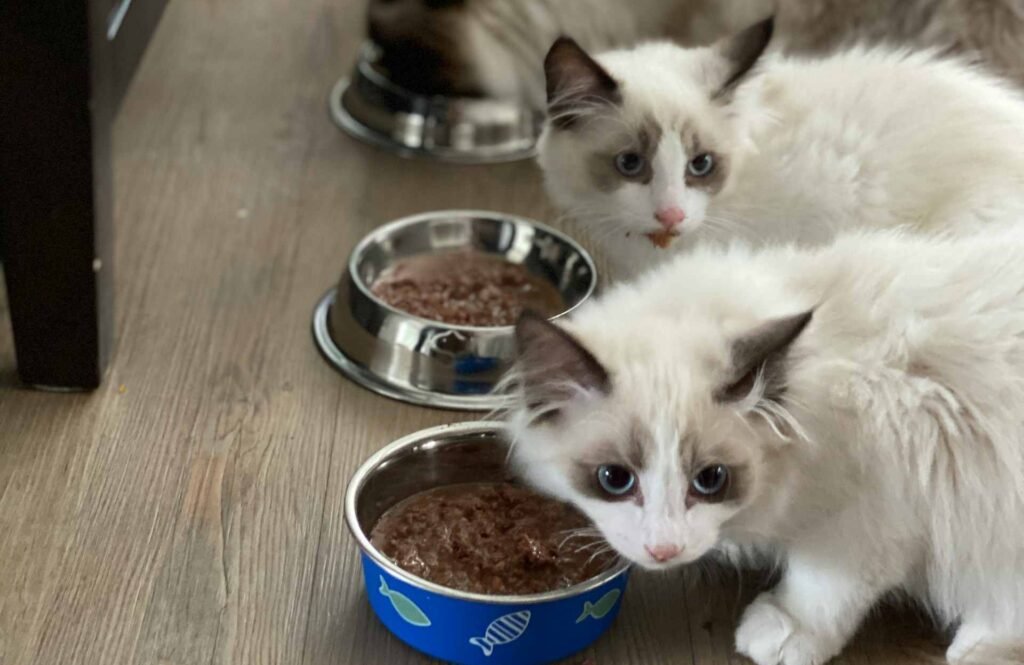
Why Kittens Become Picky Eaters
Before we dive into solutions, it helps to recognize that kittens aren’t trying to be difficult. Their eating habits often reflect something specific happening in their environment or routine. Young cats experience the world differently than adult cats, and their food preferences can shift surprisingly quickly during those early months.
The transition from mother’s milk to solid food represents a massive change in texture, temperature, and flavor. Some kittens adapt immediately, while others need gentle encouragement. Additionally, their tiny stomachs mean they naturally prefer smaller, more frequent meals rather than the twice-daily feeding schedule that works for adult cats.
Related article: Can Cats Drink Human Breast Milk?
From a developmental standpoint, appetite variability in kittens closely tracks sensory maturation. Between roughly 4 and 12 weeks, the olfactory bulb and trigeminal nerve pathways responsible for scent and texture perception are still refining. In shelter work, we have repeatedly observed kittens reject nutritionally complete food for several days after weaning, only to resume eating once scent cues intensified. This is not stubbornness but a transient sensory mismatch. Research confirms that cats rely more heavily on smell than taste to initiate feeding, which explains why even mild nasal congestion or unfamiliar food temperature can suppress intake entirely.
Creating the Perfect Feeding Environment
Where and how you serve meals makes an enormous difference in whether your kitten actually eats them. Think about your own dining preferences, you probably wouldn’t enjoy eating in a cramped, noisy space either. Kittens need their feeding area to feel safe and stress-free.
Position food and water bowls away from litter boxes, as cats instinctively avoid eating near their bathroom area. Choose a quiet corner where your kitten won’t be interrupted by foot traffic or other pets. Some kittens feel more secure eating in a slightly elevated location where they can survey their surroundings, though others prefer floor-level dining.
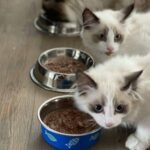
The bowls themselves matter more than you might think. Shallow, wide dishes prevent whisker fatigue, which occurs when a kitten’s sensitive whiskers constantly touch the sides of deep bowls during eating. This sensation can be genuinely uncomfortable and discourage them from finishing their meals. Consider investing in quality feeding dishes that won’t harbor bacteria or retain odors that could put off a sensitive nose.
Bowl geometry directly influences feeding persistence. In practice, we have resolved chronic under-eating in kittens simply by switching from narrow stainless steel bowls to low-profile ceramic saucers. This is often misattributed to “pickiness” when it is actually whisker stress, a tactile overload of the vibrissae follicles that cats cannot easily ignore. Veterinary behaviorists increasingly recommend dish diameters of at least 12 to 15 cm for kittens to prevent repeated whisker contact.
Keep the feeding area consistently clean. Kittens are fastidious creatures, and leftover food residue or stale water can make them refuse even fresh meals. Regular bowl cleaning prevents this issue and keeps your kitten healthier overall.
Choosing the Right Food for Finicky Kittens
Not all kitten foods deliver the same appeal or nutritional value. The market overflows with options, and finding what works for your particular kitten sometimes requires experimentation. Start with high-quality kitten-specific formulas designed for their developmental needs, as these contain higher protein and calorie concentrations than adult cat food.
Wet food typically proves more enticing than dry kibble for reluctant eaters. The moisture content releases stronger aromas, and the soft texture requires less chewing effort, particularly important for teething kittens. Mixing a small amount of warm water into wet food amplifies those tempting smells even further. The gentle warmth brings the food closer to body temperature, mimicking the natural warmth of prey that would trigger a kitten’s hunting instincts.
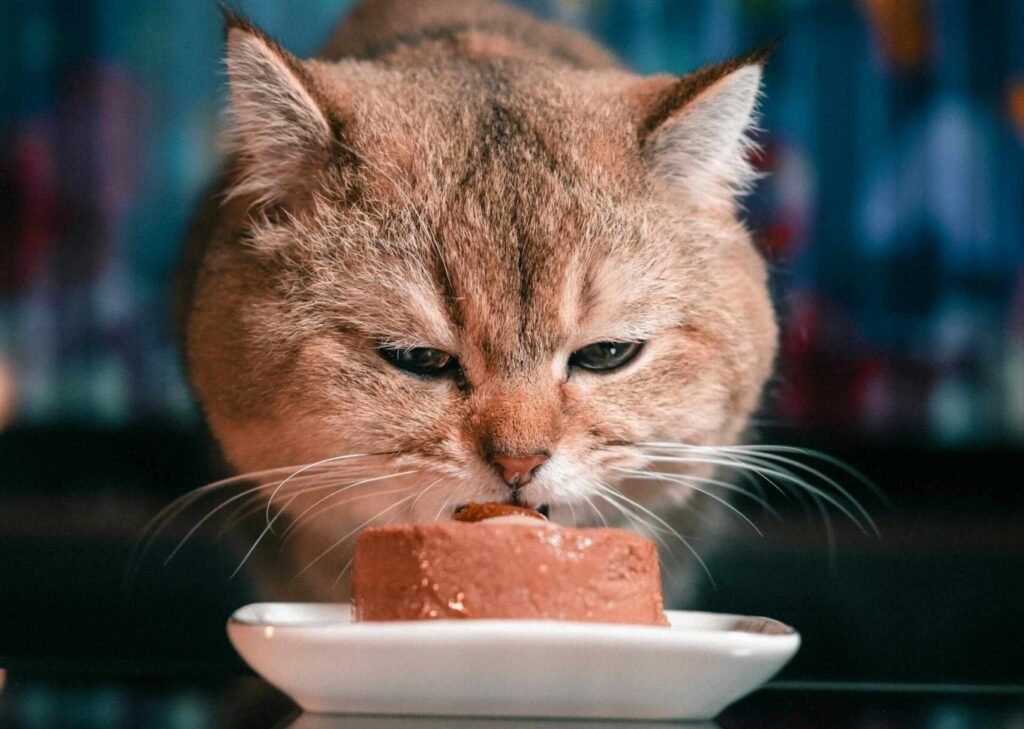
That said, dry food offers important dental benefits and convenience. Many kittens thrive on a combination approach, wet food for the main meal and a small portion of quality dry kibble available for snacking. This variety prevents boredom and ensures your kitten gets different textural experiences.
Flavor rotation prevents food fatigue. Imagine eating identical meals every single day, you’d probably lose enthusiasm too. Try different protein sources like chicken, fish, turkey, or beef to discover your kitten’s preferences. Some kittens go wild for seafood flavors while others prefer poultry. Just introduce new foods gradually, mixing small amounts with familiar food over several days to avoid digestive upset.
Protein density matters more than brand reputation
One detail often overlooked is caloric density per gram, not just ingredient lists. In foster litters with low enthusiasm for food, we prioritize formulas exceeding 4.0 kcal per gram of dry matter. This allows kittens to meet growth requirements even when intake volume is inconsistent. According to AAFCO growth standards, kittens require significantly higher protein and fat ratios than adult cats, yet many commercial foods labeled “for kittens” barely exceed adult maintenance thresholds. Reading the guaranteed analysis alongside caloric density is far more predictive of success than rotating flavors endlessly.
Comparison of Feeding Approaches
| Feeding Method | Advantages | Best For |
|---|---|---|
| Free Feeding (dry food available all day) | Convenient, reduces meal anxiety, allows natural grazing | Single-kitten households, kittens who self-regulate well |
| Scheduled Meals (3-4 times daily) | Better portion control, easier to monitor intake, establishes routine | Multiple pets, kittens prone to overeating, tracking health |
| Mixed Approach (scheduled wet + available dry) | Combines benefits of both, offers variety, maintains hydration | Most kittens, especially picky eaters |
| Puzzle Feeders | Mental stimulation, slows eating, mimics hunting | Bored kittens, fast eaters, active kittens |
Smart Feeding Schedules That Actually Work
Timing matters almost as much as what you’re feeding. Kittens under six months typically need three to four meals daily because their stomachs can’t hold enough food for longer gaps. Spreading meals throughout the day maintains steady energy levels and prevents the hunger-then-overeating cycle that can lead to digestive issues.
Consistency creates comfort. Feed meals at roughly the same times each day so your kitten’s body learns when to expect food. This predictability reduces anxiety and often improves appetite. Morning, midday, early evening, and before bed works well for very young kittens, gradually reducing to three meals as they approach six months.
Leaving wet food down indefinitely often suppresses appetite rather than supporting it. In controlled feeding trials at rescue facilities, kittens offered time-limited meals consistently consumed more total calories than those with constant access. A 20 to 30 minute feeding window aligns with natural feline feeding rhythms and preserves food aroma before oxidation dulls scent cues. Removing uneaten food also allows accurate monitoring of intake, which is essential for early detection of illness in growing kittens.
Making Mealtime More Appealing
Sometimes making your kitten eat more comes down to presentation and creativity. Adding toppers or mix-ins can transform boring food into something irresistible. A small amount of low-sodium chicken broth drizzled over dry food adds moisture and flavor. Bonito flakes or freeze-dried meat toppers provide intense flavors that many kittens can’t resist.
Warming food slightly releases more aromatic compounds that stimulate appetite. Just make sure it’s warm, not hot, test the temperature before serving. You can accomplish this by mixing in a tiny bit of warm water or briefly microwaving wet food, then stirring thoroughly to eliminate hot spots.
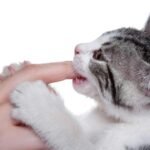
Hand-feeding can work wonders for extremely reluctant eaters. It builds trust and makes mealtime feel like bonding time rather than a chore. Offer small amounts from your fingers, praising your kitten enthusiastically when they take a bite. This positive association can gradually transfer to regular bowl feeding.
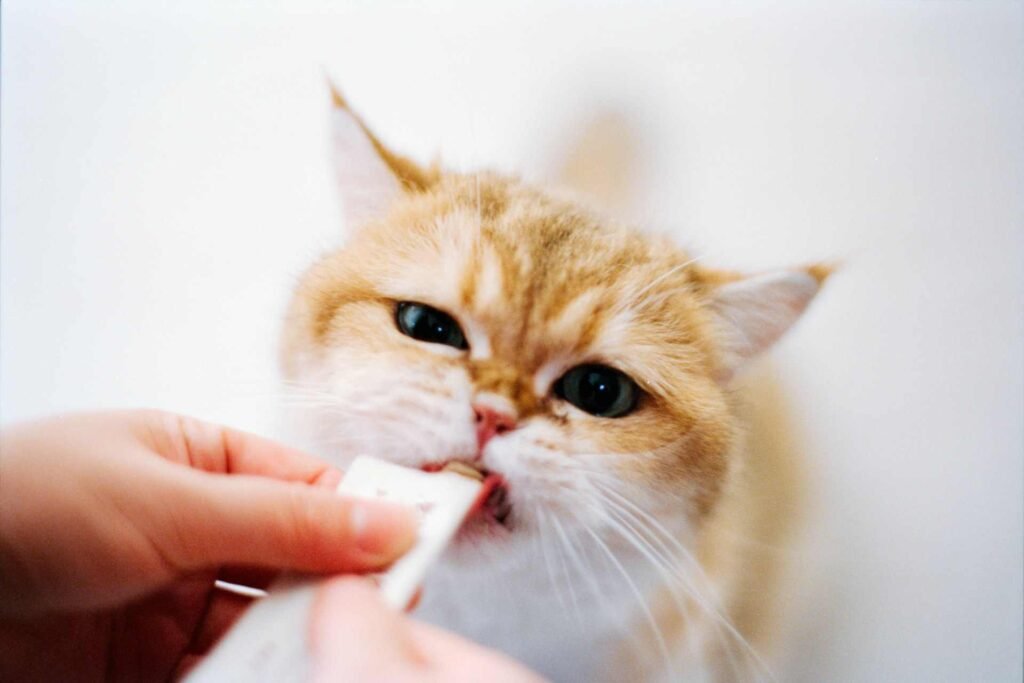
Interactive feeding taps into natural hunting instincts. Puzzle feeders and food-dispensing toys make eating feel like a rewarding game rather than a mundane task. Start with easier puzzles and gradually increase difficulty as your kitten gets the hang of it. This approach particularly helps kittens who seem bored with traditional feeding methods.
Addressing Common Feeding Problems
The Slow Eater
Some kittens take forever to finish meals, nibbling tiny amounts then wandering off. This usually isn’t a health concern if they’re growing normally, but it can be frustrating. Try offering smaller portions more frequently rather than larger meals. Some kittens genuinely prefer grazing to gorging.
The Food Thief Who Won’t Eat Their Own
Kittens sometimes show more interest in food they “steal” than food in their own bowl. This often relates to perceived value, what someone else has must be better. Try feeding multiple kittens in separate areas to reduce competition and resource guarding. Ironically, this competition reduction often increases individual appetite.
The Texture Snob
Certain kittens refuse specific textures entirely, they’ll eat pâté but reject chunks, or vice versa. Honor these preferences when possible, as forcing disliked textures rarely works. You can gradually introduce small amounts of the refused texture mixed with preferred food, but acceptance isn’t guaranteed. Some cats maintain strong texture preferences their entire lives.
The Distracted Diner
Easily distracted kittens need extra help focusing on meals. Minimize environmental stimulation during feeding times, turn off the TV, keep other pets away, and avoid handling the kitten while they eat. Creating a calm feeding environment helps anxious or easily overwhelmed kittens concentrate on their food.
When to Consider Health Concerns
While most eating issues stem from behavioral or environmental factors, persistent appetite problems sometimes signal underlying health conditions that need veterinary attention. Trust your instincts, you know your kitten best.
Watch for warning signs beyond simple pickiness. Sudden appetite loss combined with lethargy, vomiting, diarrhea, or dramatic weight loss requires immediate veterinary evaluation. Difficulty chewing, drooling, or pawing at the mouth might indicate dental problems or oral pain. Kittens who show interest in food but then walk away after sniffing it could be experiencing nausea or digestive discomfort.
Parasites commonly affect young kittens and can significantly impact appetite and nutrient absorption. Regular deworming and veterinary checkups help prevent these issues. Upper respiratory infections also frequently occur in kittens, and the resulting congestion prevents them from smelling food properly, since cats rely heavily on scent to trigger appetite, this makes eating far less appealing.
In practice, intestinal parasites are among the most underestimated causes of chronic low intake. We have encountered multiple cases where kittens labeled as “picky eaters” showed immediate appetite normalization within 48 hours of appropriate deworming. Even indoor-only kittens are not exempt, as transmission can occur through the queen or contaminated environments prior to adoption. Routine fecal screening, not just empirical treatment, remains the gold standard when appetite issues persist beyond one week.
Some human foods are actually dangerous for cats, so if your kitten has accidentally gotten into something they shouldn’t have, declining their regular food might indicate they’re feeling unwell. Keep all potentially toxic foods securely stored away from curious kittens.
Building Healthy Long-Term Eating Habits
The patterns you establish during kittenhood often persist into adulthood, so it’s worth investing effort now to create positive associations with mealtime. Avoid using food as your only bonding tool, while treats have their place, over-reliance on them can create picky eaters who hold out for tastier options.
The most reliable long-term strategy mirrors the feline predatory sequence: stalk, chase, eat, rest. In multi-litter foster environments, initiating a 5 to 10 minute interactive play session immediately before meals consistently increased food consumption and reduced grazing behavior. This sequence lowers baseline cortisol and primes appetite through sympathetic nervous system activation. Over time, kittens conditioned this way showed fewer feeding regressions during environmental changes such as relocation or introduction of new pets.
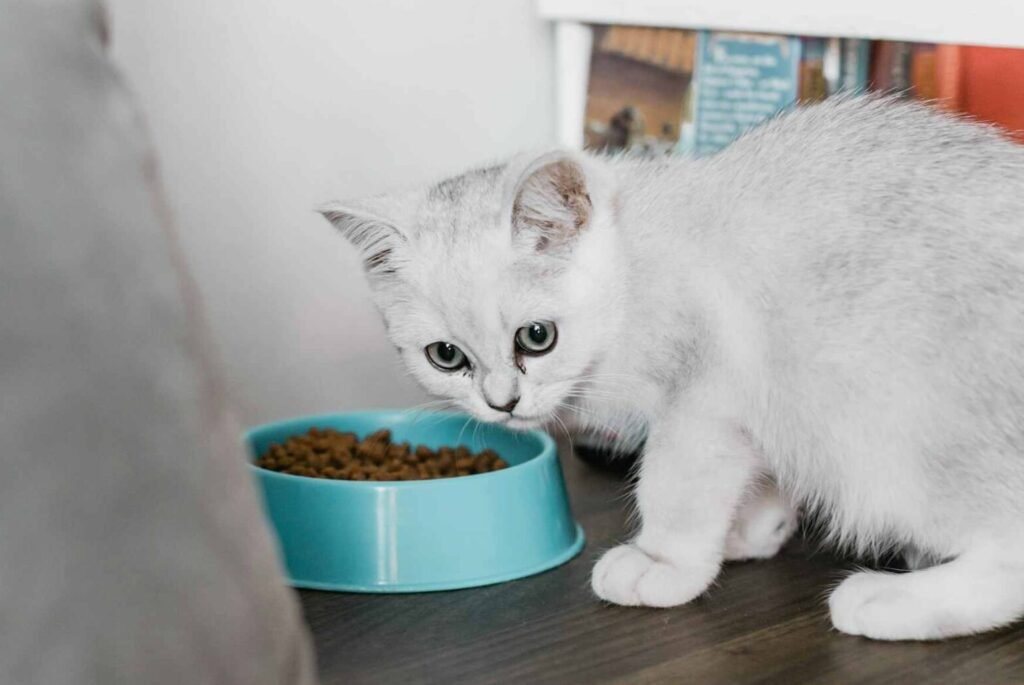
Don’t give in to begging or constant food demands outside scheduled meal times. This requires consistency from everyone in your household, if one person caves and offers treats or extra meals, it undermines the routine. Kittens are smart and quickly learn which humans will break the rules.
Monitor growth rather than obsessing over every single meal. Kittens grow in spurts, and appetite naturally fluctuates somewhat. As long as your kitten maintains healthy weight gain, has good energy levels, and shows normal development, minor day-to-day variations in food intake aren’t concerning.
Related article: Do Cats Eat Less in Winter?
Supplements and Appetite Stimulants
Before reaching for supplements, exhaust behavioral and environmental solutions first. That said, certain additions can help in specific situations. Probiotic supplements support digestive health, which can indirectly improve appetite in kittens with sensitive stomachs. Omega-3 fatty acids promote overall health and can make coats shinier, though they won’t directly increase appetite.
Appetite stimulants prescribed by veterinarians exist for medical situations where kittens genuinely won’t eat. These medications shouldn’t be your first resort and require professional guidance. They work best as temporary bridges while addressing underlying issues rather than long-term solutions.
Catnip and cat grass can stimulate interest in food areas, though they don’t directly increase appetite. Some kittens become more food-motivated after brief play sessions with catnip toys. Cat grass provides fiber and can aid digestion, potentially making kittens feel better overall and more interested in eating.
FAQ
Kittens typically need about twice as many calories per pound as adult cats because they’re growing rapidly. A rough guideline suggests approximately 200 calories per day for a 5-pound kitten, but this varies based on activity level and metabolism. Follow the feeding recommendations on your chosen kitten food as a starting point, then adjust based on your individual kitten’s body condition. You should be able to feel their ribs with light pressure but not see them prominently. Regular weigh-ins help track whether they’re gaining appropriately.
Occasional meal skipping isn’t unusual, especially during growth spurts when sleep needs increase. If your kitten misses one meal but seems otherwise healthy and energetic, there’s usually no immediate cause for alarm. However, missing multiple consecutive meals or showing any signs of illness warrants veterinary attention. Kittens have less energy reserves than adult cats and can develop serious problems from prolonged fasting more quickly.
Mixing brands is generally fine and can actually provide nutritional variety, but introduce new foods gradually to prevent digestive upset. Start with 75% familiar food and 25% new food, slowly adjusting the ratio over several days. Watch for any signs of stomach sensitivity like diarrhea or vomiting. Different formulas offer varying nutrient profiles, so mixing can help ensure your kitten gets a broad spectrum of vitamins and minerals.
Very young kittens (under eight weeks) may need scheduled feedings even if sleeping, especially if they’re not gaining weight properly. However, healthy kittens older than eight weeks typically don’t need to be woken for meals. They’re generally good at self-regulating and will eat when hungry. Disrupting sleep can cause unnecessary stress. If you’re concerned about inadequate intake, consult your veterinarian rather than implementing forced feeding schedules.
Make transitions gradual over 7-10 days. Start by mixing a small amount of moistened dry food into their regular wet food. Gradually increase the dry food ratio while decreasing the wet food. You can also offer dry kibble separately while continuing wet food meals to let them explore at their own pace. Many kittens do best on a combination diet that includes both textures rather than exclusively one or the other.
Some kittens feel more secure eating with their trusted human nearby, viewing you as protection from potential threats. This behavior often stems from early socialization and can persist into adulthood. If your kitten eats better with company, spend time near them during meals without hovering or staring directly, which can feel intimidating. Reading a book or working on your phone nearby provides the security they seek without pressure.
Conclusion
Getting your kitten to eat more is about their unique preferences and creating an environment where they feel comfortable and excited about meals. Whether it’s switching to better feeding bowls, adjusting meal schedules, or simply warming their food to release more tempting aromas, small changes often produce surprisingly big results. Stay patient, keep experimenting, and don’t hesitate to reach out to your veterinarian if appetite issues persist despite your best efforts. Those little furballs are tougher than they look, but they’re also counting on us to figure out what makes them tick.
Before you know it, you’ll probably be dealing with the opposite problem, a cat who won’t stop begging for food and trying to steal snacks from your plate. Enjoy these kitten days while they last, even the frustrating feeding challenges. They grow up way too fast, and someday you might actually miss the days when getting them to finish their dinner felt like a major accomplishment. Who are we kidding, you definitely won’t miss that part. But you will miss those tiny meows and the way they attacked their food bowl like it personally offended them.
Looking for more? Explore our Cat Food section for more posts like this, visit the Blog for fun and insightful reads, or browse our full Cat Category for everything feline-related, from care to comfort.
Disclaimer: This article is for informational purposes only and does not substitute for professional veterinary advice. Always consult your veterinarian for diagnosis and treatment tailored to your cat’s individual needs. Please verify current product information directly on the retailer’s site before purchasing.
References
- AAFCO METHODS FOR SUBSTANTIATING NUTRITIONAL ADEQUACY OF DOG AND CAT FOODS. https://www.aafco.org/wp-content/uploads/2023/01/Model_Bills_and_Regulations_Agenda_Midyear_2015_Final_Attachment_A.__Proposed_revisions_to_AAFCO_Nutrient_Profiles_PFC_Final_070214.pdf
- CAPC Guidelines. https://capcvet.org/guidelines/
- Caring for Kittens from Birth to Eight Weeks. https://sheltermedicine.wisc.edu/library/guidebooks/guide-to-raising-unweaned-underage-kittens/caring-for-kittens-from-birth-to-eight-weeks
- Chanadang S, Koppel K, Aldrich G. The Impact of Rendered Protein Meal Oxidation Level on Shelf-Life, Sensory Characteristics, and Acceptability in Extruded Pet Food. Animals (Basel). 2016 Jul 28;6(8):44. https://doi.org/10.3390/ani6080044
- Dantas LM, Delgado MM, Johnson I, Buffington CT. Food puzzles for cats: Feeding for physical and emotional wellbeing: Feeding for physical and emotional wellbeing. Journal of Feline Medicine and Surgery. 2016;18(9):723-732. https://doi.org/10.1177/1098612X16643753
- National Research Council. 2006. Nutrient Requirements of Dogs and Cats. Washington, DC: The National Academies Press. https://doi.org/10.17226/10668
- Slovak JE, Foster TE. Evaluation of whisker stress in cats. J Feline Med Surg. 2021 Apr;23(4):389-392. https://doi.org/10.1177/1098612X20930190
- What should I feed my kitten? (2025). https://kb.rspca.org.au/categories/companion-animals/cats/kittens/what-should-i-feed-my-kitten
Check out our most recent articles!
- How Cats Always Know Exactly Where (and When) to Groom
 A cat who suddenly grooms less isn’t being lazy. One who grooms constantly might not just be clean-obsessed. Grooming habits are one of the clearest windows into your cat’s wellbeing once you know what to look for.
 - Why Do Cats Push Things Off Tables? Solving Your Cat’s Destructive HabitCats knock things off tables due to hunting instincts, boredom, and attention-seeking behavior. Discover the science behind this maddening habit and learn practical prevention strategies that actually work.
- Can Cats Eat Green Peas? Safe, Healthy, or Just a Skip?A pea rolling across the kitchen floor is basically a free cat toy and a snack in one. But before it becomes a habit, here’s what you should know about what those little green things actually do for (or to) your cat.
- Are Spray Bottles Bad for Cats? Reasons & AlternativesA spray bottle might stop your cat’s counter-surfing today, but it’s teaching them something much more troubling: that you’re unpredictable and potentially dangerous. Discover what really happens when you spray your cat and the alternatives that actually create lasting change.
- How Are Cats so Flexible? Your Cat’s Anatomy ExplainedBetween their 53 vertebrae, muscular shoulders connected only by soft tissue, and elastic joints, cats possess anatomical superpowers that blur the line between solid and liquid, letting them navigate spaces you’d swear were too small.
- Do Cats Copy Their Owners Voice, Personality and Actions?The independent cat stereotype is crumbling. Science reveals that cats engage in intentional mimicry, learning from their owners and adapting their personalities to match the humans they live with.
- Are Newborn Cats Born With Teeth? Everything About Kitten Dental GrowthEver wondered what’s happening inside a newborn kitten’s mouth? The answer might surprise you. Discover the complete timeline of feline dental development and learn what to expect as your kitten grows from gummy grins to a full set of adult teeth.
- Keeping Your Indoor Cat Warm in Winter: The Complete GuideEven indoor cats feel the winter chill more than you might think. Cold floors, dry air, and sneaky drafts can leave your feline less comfortable than they should be. Discover the simple adjustments that make all the difference in helping your cat stay genuinely cozy through the coldest months.
- Should You Look Your Cat in the Eyes? Is Staring Really Aggressive?Your cat’s eyes tell a story you’ve been misreading. While prolonged staring means one thing in human communication, cats interpret it completely differently. Discover why that loving gaze might actually be stressing out your feline friend and what to do instead.
- Choosing the Best Blanket for Your Cat: A Blanket Buyer’s GuideFinding the best blanket for your cat means considering more than just softness. Temperature regulation, durability, washability, and even behavioral quirks all play a role in choosing the perfect cozy spot for your feline friend. Discover which blanket types match your cat’s lifestyle.
- How to Get Your Kitten to Eat More: Simple Solutions for Picky EatersWatching your tiny kitten turn up their nose at perfectly good food can be heart-wrenching. This comprehensive guide reveals why kittens become picky eaters and shares practical solutions that transform mealtime battles into successful feeding routines.
- Can Cats Eat Fried Rice? Why This Takeout Favorite Is a No-GoThat irresistible takeout aroma might have your cat begging, but fried rice contains ingredients that can harm felines. Discover why even small amounts aren’t worth the risk and what treats truly suit your cat’s carnivorous nature.
- Why Do Cats Vibrate Their Tail? From Happy to HuntingYour cat’s vibrating tail is like a mood ring with fur. Whether they’re thrilled to see you or preparing to mark territory, decoding these rapid shakes reveals what’s really going on in their mind.
- Is Asparagus Bad for Cats? Risks, Benefits, and AlternativesYour cat’s eyeing your asparagus dinner, but should they have any? While this green veggie isn’t toxic to cats, there are surprising reasons why it’s not the treat you might think it is.
- How Cats Express Sadness: Reading Your Feline’s Emotional LanguageCats don’t cry emotional tears or mope around like dogs, but they absolutely experience sadness. The trick is learning to read their subtle language, the withdrawn behavior, the changed routines, the slight shifts in body posture that reveal their inner emotional world.













Written by Solara Bergmeier (Technical Writer and Content Manger) and Vesper Mayerson (Editorial Assistant)
Last reviewed and edited on 11.02.2026