
Every winter I get the same question: “My cat is eating differently. Is something wrong?” In most cases, nothing is wrong. What is happening is a shift in energy expenditure and behavior that owners misinterpret as a feeding problem.
Appetite changes in winter are real, but they are driven by thermoregulation, light exposure, activity level, and body condition score. The answer is rarely as simple as “feed more” or “feed less.” It requires evaluating environment, metabolism, and lifestyle together.
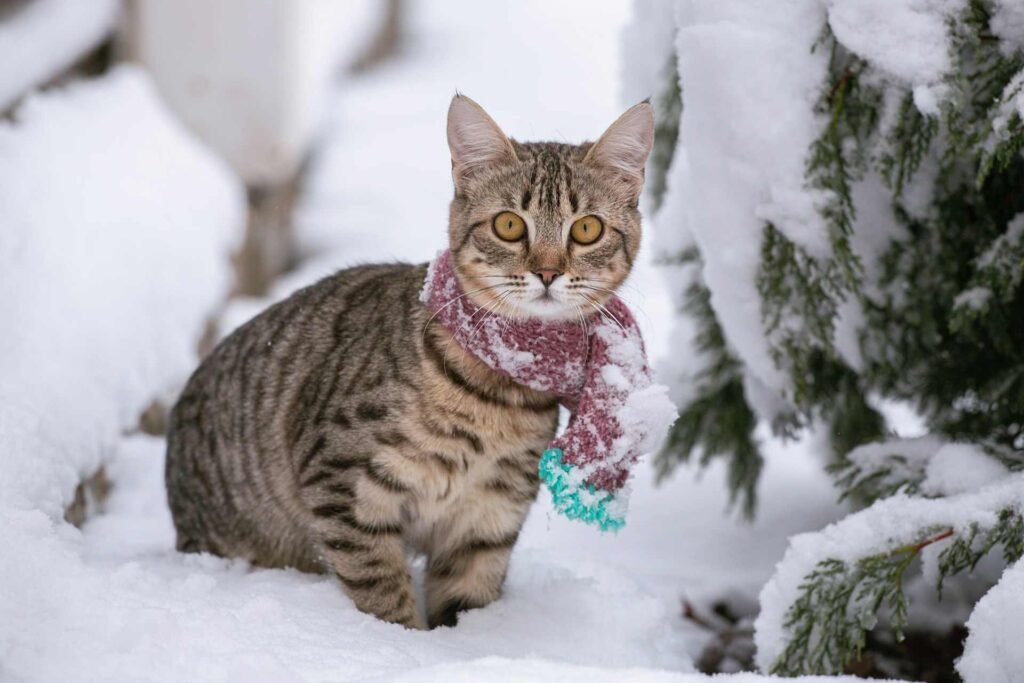
The Winter Appetite Mystery: What’s Really Going On?
When the thermometer dips and snow starts falling, many cat owners report noticing shifts in their pets’ eating patterns. Not all cats respond to winter the same way. Some seem to graze less throughout the day, while others turn into little food-seeking machines.
Whether cats eat more or less during winter depends on several factors working together. Your cat’s lifestyle, age, breed, and living environment all play starring roles in this seasonal drama. Indoor cats, for instance, experience winter very differently than their outdoor or feral counterparts. Your cozy heated home creates a completely different set of circumstances than the harsh realities facing community cats trying to survive freezing temperatures.
Wild cats and their ancestors had to adapt to seasonal changes to survive. During colder months, they needed extra energy to maintain body temperature and compensate for scarcer prey. But your indoor cat? They’re lounging on a heated floor vent, not hunting mice in a snowstorm. This fundamental difference shapes everything about their nutritional needs.
Indoor Cats and Winter Eating: The Comfort Zone Effect
Most of our feline friends live exclusively indoors, where climate control keeps things pretty stable year-round. So do indoor cats eat less in winter? Sometimes, yes, but not always for the reasons you’d expect.
Indoor cats typically experience reduced activity levels during winter months. With fewer daylight hours, there’s less stimulation from watching birds and outdoor activity through windows. Bored cats can show changes in eating patterns, sometimes displaying decreased appetite or, conversely, stress-eating behaviors. Your cat might spend more time sleeping (which they’re already experts at) and less time engaging in playful hunting behaviors that burn calories.
In a study published in PLOS ONE (2014), cats’ caloric intake peaked in late summer and dropped nearly 15% in winter months, largely due to fluctuations in natural light exposure rather than temperature itself. Indoor-only cats still show micro-seasonal behavior patterns in response to daylight duration, even under artificial lighting.
The reduced natural light also affects their circadian rhythms. Cats are crepuscular creatures, meaning they’re most active during dawn and dusk. When winter shortens these twilight periods, it can throw off their natural eating schedule. You might notice your cat seems less enthusiastic about breakfast or skips their usual midnight snack raid.
However, some indoor cats actually do eat more during cold weather, especially if they’re sensitive to temperature changes or if your home tends to run cooler. Even indoor environments experience temperature fluctuations, and cats may unconsciously compensate by increasing food intake. If you’ve noticed your cat camping out near heat sources more often, they might be burning slightly more calories to stay comfortable.
In strictly indoor cats I have monitored through seasonal weigh-ins, the more common winter pattern is mild weight gain, not weight loss. Activity drops before appetite does. Owners often miss this because the change is gradual, around 0.2–0.4 lb over 8–10 weeks. That is enough to shift a cat from ideal body condition score 5/9 to 6/9 without anyone noticing.
Creating the Right Environment
Supporting your indoor cat’s nutritional needs during winter doesn’t have to be complicated. Focus on maintaining routine and keeping them engaged. Interactive puzzle feeders can help combat winter lethargy and keep their appetite healthy. Scheduled playtime before meals can also stimulate their hunting instincts and natural hunger cues, making dinner time more appealing.
Consider the placement and cleanliness of feeding stations too. Regular bowl cleaning becomes even more important during winter when cats might be more finicky about their dining experience. Fresh water is crucial year-round, but some cats appreciate slightly warmed water during colder months, just make sure it’s not hot. A cat water fountain can encourage hydration when your feline might be drinking less due to decreased activity.
The location of food bowls matters as well. Strategic furniture placement around feeding areas can make your cat feel more secure and willing to eat. Cats prefer dining in quiet, low-traffic areas where they can eat without feeling vulnerable.
The Outdoor and Feral Cat Difference
The story changes dramatically when we talk about outdoor and feral cats. Do feral cats eat more in the winter? Absolutely, or at least they try to. Outdoor cats face genuine survival challenges when temperatures plummet.
Feral and outdoor cats need significantly more calories during cold weather to maintain their body temperature. These cats can require 20-45% more calories in winter compared to summer, depending on how cold it gets and whether they have adequate shelter. Their bodies work overtime to generate heat, burning through energy stores much faster than their pampered indoor cousins.
Related article: How to Keep Feral Cats Cool in Summer
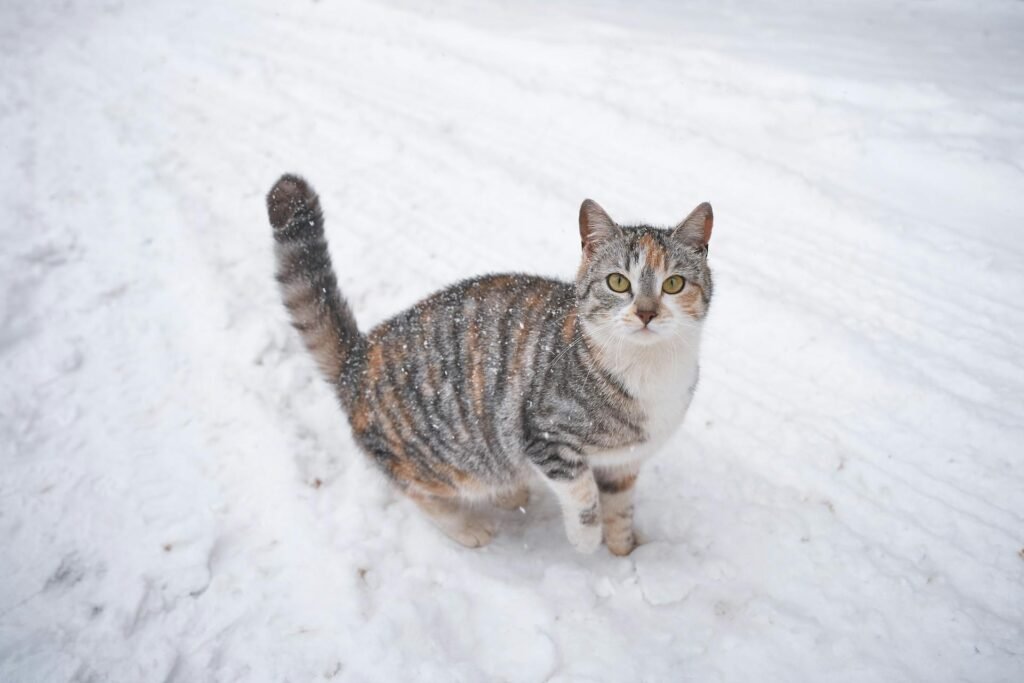
The problem? Food becomes harder to find just when they need it most. Natural prey like mice and birds are less active or have migrated. These cats often rely on the kindness of humans who leave out food, but even well-meaning feeders might not realize how much more their outdoor visitors actually need.
If you’re caring for outdoor or feral cats, consider offering higher-calorie cat food formulated for active or outdoor cats during winter months. Wet food can be beneficial because it provides hydration along with calories, though it freezes quickly in extreme cold. Some caretakers find success with insulated feeding stations that protect food from the elements while giving cats a warmer place to eat.
Should You Feed Your Cat More in Winter?
The answer depends entirely on your individual cat’s circumstances.
For most indoor cats in climate-controlled homes, you probably don’t need to increase food portions during winter. In fact, if your cat becomes less active, maintaining the same food intake could lead to unwanted weight gain. Extra pounds on a cat aren’t just cosmetic, they increase risks for diabetes, joint problems, and heart disease.
Pay attention to your cat’s body condition rather than strictly following feeding guidelines on food packages. You should be able to feel their ribs without pressing hard, and they should have a visible waist when viewed from above. If you notice your cat is gaining weight during their winter hibernation phase, it might be time to reassess portions or increase activity levels.
On the flip side, some situations do call for increased winter feeding. Cats with health conditions, senior cats with reduced ability to regulate body temperature, or those living in genuinely cold environments may benefit from slight increases in food. Young, active cats who spend time in unheated areas like garages or screened porches might also need more fuel.
Recognizing Normal vs. Concerning Appetite Changes
While seasonal fluctuations in appetite are common, it’s important to distinguish between normal variations and potential health issues. A gradual, slight decrease in food interest as winter sets in is different from sudden appetite loss or refusal to eat.
Watch for these red flags that warrant a vet visit:
Your cat stops eating for more than 24 hours, shows dramatic appetite changes within a short period, experiences weight loss despite eating normally, or displays other symptoms like lethargy, vomiting, or changes in litter box habits. Cats can develop serious liver problems if they don’t eat for even a few days, so appetite issues should never be ignored.
Also pay attention to eating speed and behavior. Cats who eat too fast might benefit from slow-feeder bowls that make mealtime last longer and prevent digestive upset. Sometimes what looks like decreased appetite is actually discomfort from gulping food too quickly.
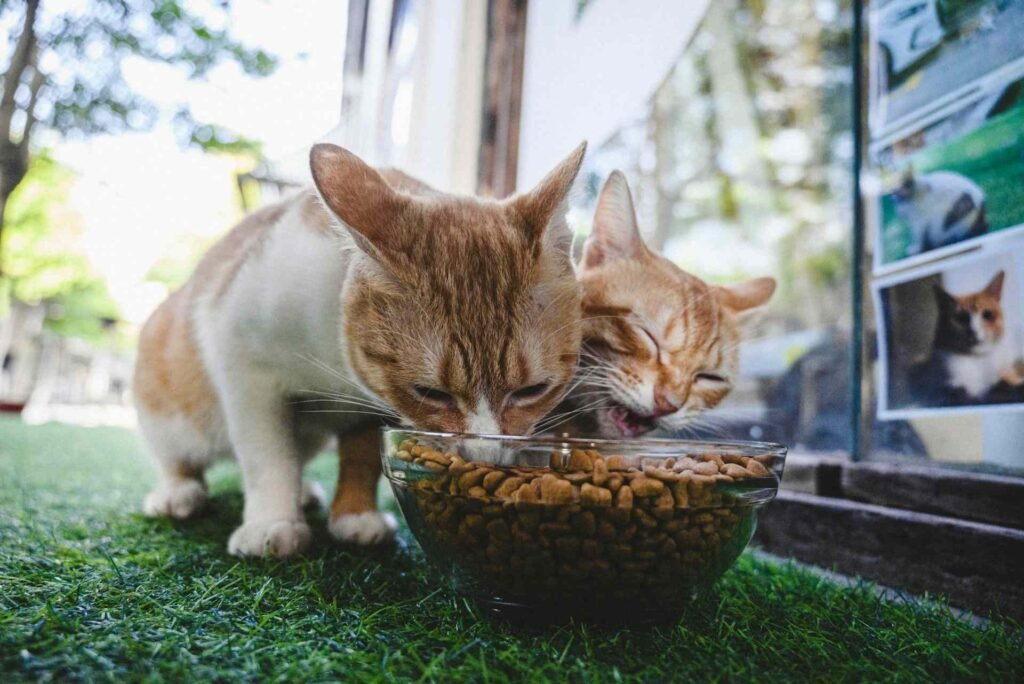
Some cats become pickier about food temperature during winter. Cold food straight from the refrigerator might be less appealing when it’s freezing outside. Warming wet food to room temperature (or slightly above) can increase palatability and aroma, making it more enticing.
Temperature, Metabolism, and Energy Needs
Cats maintain a body temperature around 100.5-102.5°F, which is higher than humans. Maintaining this temperature requires energy, calories burned from food.
In cold environments, the body’s thermoregulatory system kicks into high gear. Blood vessels constrict to conserve heat, muscles may shiver to generate warmth, and metabolic processes speed up. All of this requires additional calories. For outdoor cats in freezing conditions, this metabolic boost is substantial and explains why they genuinely need to eat more in cold weather.
Indoor cats, however, rarely experience temperatures cold enough to trigger significant metabolic changes. Even if your home feels chilly to you at 65°F, your cat is probably comfortable. Their fur coat is designed to insulate, and they’re experts at finding the warmest spots in any room.
Certain breeds handle cold better than others. Long-haired cats like Maine Coons or Norwegian Forest Cats have thick, insulating coats and are generally more cold-tolerant. Short-haired or hairless breeds like Siamese or Sphynx cats may feel the chill more acutely and could benefit from heated cat beds or access to warm areas.
Winter Feeding Strategies That Work
Rather than simply adding more food to the bowl, consider smarter approaches to winter nutrition. Quality matters as much as quantity. A nutrient-dense diet means your cat gets more energy from smaller portions, which is ideal if they’re less active.
Scheduled feeding versus free-feeding can make a difference too. Some cats do better with set meal times that create routine and anticipation, while others benefit from grazing throughout the day. Winter might be a good time to evaluate which approach works best for your individual cat.
Treats are another consideration. How often you give treats can impact overall caloric intake and appetite for regular meals. During winter months when activity drops, you might need to scale back on treats to prevent weight gain. Look for low-calorie options or use portion control.
Proper food storage in winter deserves as much attention as formulation. Heated, low-humidity indoor air accelerates lipid oxidation, dulling scent and palatability. Using opaque, airtight containers and rotating stock every two weeks prevents rancidity and micronutrient degradation (especially of vitamin A and taurine). I’ve seen appetite markedly improve in finicky cats after food was transferred from open receptacles to sealed bins, a simple but commonly overlooked fix.
Special Considerations for Different Life Stages
Kittens are little energy-burning machines regardless of season, but winter can affect them differently than adult cats. Growing kittens need consistent, high-quality nutrition and shouldn’t experience reduced appetite. If a kitten shows decreased eating in winter, investigation is warranted since they have less energy reserve to draw on.
Adult cats in their prime typically handle seasonal changes well. They’re most adaptable and can adjust to minor environmental shifts without major dietary interventions.
Senior cats present unique challenges. Older cats often have reduced ability to regulate body temperature and may genuinely feel colder than younger cats. They might need slightly more calories in winter, or at minimum, they should have access to warm resting spots and heated beds. Senior cats can also develop dental issues that make eating uncomfortable, which might be misinterpreted as winter-related appetite loss. Regular dental care becomes increasingly important as cats age.
Pregnant or nursing cats have dramatically increased energy needs year-round, but especially in winter. These cats should have unlimited access to high-quality kitten food (which is more calorie-dense) throughout late pregnancy and while nursing.
What About Hydration?
While we’re focused on eating habits, winter hydration deserves attention too. Cats naturally have low thirst drives since they evolved in arid climates. In winter, this can become problematic.
Dry indoor air from heating systems increases evaporative water loss from breathing and through skin. Meanwhile, cats may drink less because water feels colder or because they’re less active and simply don’t think about it. Dehydration contributes to urinary tract issues and constipation.
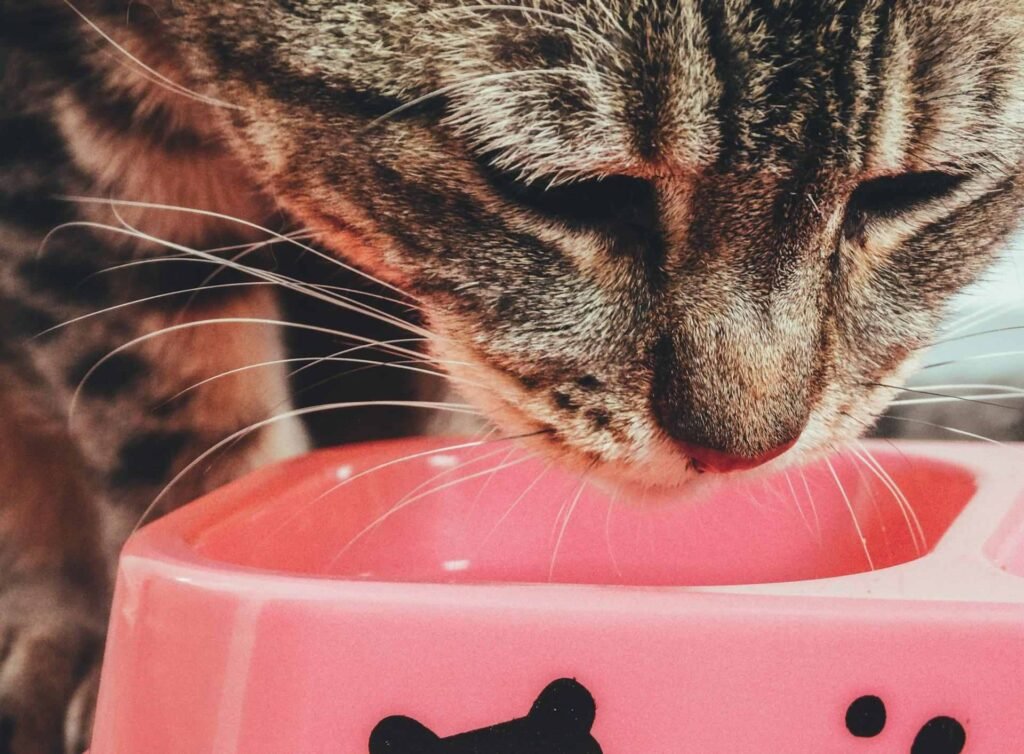
Encourage drinking by offering multiple water sources around your home. Cat water fountains appeal to many cats because moving water is more attractive than standing bowls. Some cats prefer wide, shallow dishes where their whiskers don’t touch the sides, a condition called whisker fatigue that can discourage drinking.
Adding wet food to your cat’s diet is an excellent way to boost hydration. Wet food is typically 70-80% water, compared to only 10% in dry kibble. You can even add a small amount of warm water to wet food to create a gravy that increases fluid intake.
Monitoring Your Cat’s Weight and Body Condition
Keeping track of your cat’s physical condition throughout winter is essential. Monthly weigh-ins can catch gradual changes before they become problems. A digital kitchen scale works fine for smaller cats, while larger cats might need a bathroom scale (weigh yourself holding the cat, then subtract your weight).
Use the 9-point Body Condition Score system.
1–3: Underweight
4–5: Ideal
6–7: Overweight
8–9: Obese
At score 5/9, ribs are palpable without excess fat covering and there is a visible waist. At 6/9, fat cover increases and the waist begins to disappear. A shift from 5 to 6 may represent only 0.5–1 lb in an average 10 lb cat, but metabolically it is significant.
If your cat is gaining weight during winter, don’t just reduce food drastically. Gradual changes work better and are safer. Increase playtime to burn more calories, fifteen minutes of active play twice daily can make a significant difference. Feather wands, laser pointers, and other interactive toys can get even lazy cats moving.
For cats losing weight unintentionally, rule out health problems first, then look at increasing food quality or quantity. Multiple small meals throughout the day sometimes work better than fewer large ones.
FAQ
No, appetite changes vary by individual cat and their living situation. Indoor cats in climate-controlled homes may eat slightly less due to decreased activity, while outdoor cats typically need to eat considerably more to cope with cold temperatures. Your cat’s age, health status, and breed also influence their winter eating patterns. Pay attention to your specific cat’s body condition and behavior rather than assuming they’ll follow a general pattern.
Evaluate three metrics: body condition score, weight trend, and activity level. If body condition is stable at 4–5/9 and weight is unchanged over 4–6 weeks, do not increase food. If weight drops more than 5% unintentionally, increase daily intake by 5–10% and reassess in two weeks.
Persistent hunger with weight loss warrants screening for hyperthyroidism or diabetes rather than simply increasing calories.
Outdoor and feral cats are at risk if they cannot consume enough calories to maintain their body temperature in extremely cold weather. This can lead to hypothermia and weakened immune systems. Indoor cats are generally not at risk from cold-related illness due to inadequate eating, since they’re in temperature-controlled environments. However, any cat who stops eating for more than 24 hours should see a veterinarian, as cats can develop serious liver problems quickly when they don’t eat.
Most indoor cats don’t require a different food formulation for winter. Continue feeding a high-quality diet appropriate for their life stage and activity level. You might consider adjusting portion sizes based on activity changes rather than switching foods entirely. Outdoor cats may benefit from higher-calorie formulas designed for active cats. If you do decide to change foods, always transition gradually over 7-10 days to prevent digestive upset.
Several factors could explain increased winter appetite. Your cat might genuinely be slightly colder if your home temperature drops, requiring more calories. Some cats also experience behavioral changes related to reduced daylight affecting their hormones. However, sudden appetite increases can also signal health issues like diabetes or hyperthyroidism, which are unrelated to season. If the change is dramatic or accompanied by other symptoms like increased thirst or weight loss despite eating more, schedule a veterinary examination.
Growing kittens have high energy requirements year-round and should maintain consistent eating habits regardless of season. They need nutrient-dense kitten food to support their rapid development. If a kitten shows reduced appetite in winter, take it more seriously than you might with an adult cat, since kittens have smaller energy reserves. Ensure kittens always have access to fresh food and water, and keep them warm since they’re less efficient at regulating body temperature than adult cats.
Yes, gently warming wet food to around room temperature or slightly above can make it more appealing, especially during cold weather. The enhanced aroma stimulates appetite. Use warm (not hot) water to heat the food, or microwave it briefly, stirring thoroughly to eliminate hot spots. Never serve food that’s hot enough to burn your cat’s mouth. Warming food can be particularly helpful for finicky eaters or senior cats who might be more sensitive to cold food during winter months.
Conclusion
Do cats eat less in winter? Indoor cats often eat the same or slightly less, but move less. Outdoor cats attempt to eat more because their metabolic demand rises in cold exposure. The difference is environmental physics, not personality.
The correct response is not guessing. It is measurement. Weigh monthly. Score body condition. Track appetite changes lasting more than 24 hours. Adjust portions in small increments instead of reacting emotionally to seasonal shifts.
Winter feeding is about matching caloric intake to actual energy expenditure. When you monitor instead of assume, appetite changes stop being mysterious.
Looking for more? Explore our Cat Food section for more posts like this, visit the Blog for fun and insightful reads, or browse our full Cat Category for everything feline-related, from care to comfort.
Disclaimer: This article is for informational purposes only and does not substitute for professional veterinary advice. Always consult your veterinarian for diagnosis and treatment tailored to your cat’s individual needs. Please verify current product information directly on the retailer’s site before purchasing.
References
- Bermingham EN, Weidgraaf K, Hekman M, Roy NC, Tavendale MH, Thomas DG. Seasonal and age effects on energy requirements in domestic short-hair cats (Felis catus) in a temperate environment. J Anim Physiol Anim Nutr (Berl). 2013 Jun;97(3):522-30. https://doi.org/10.1111/j.1439-0396.2012.01293.x
- Hensel H, Banet M. Adaptive changes in cats after long-term exposure to various temperatures. J Appl Physiol Respir Environ Exerc Physiol. 1982 Apr;52(4):1008-12. https://doi.org/10.1152/jappl.1982.52.4.1008
- Marine Parker, Etienne Challet, Bertrand Deputte, Brunilde Ract-Madoux, Marie Faustin, Jessica Serra, Seasonal effects on locomotor and feeding rhythms in indoor cats, Journal of Veterinary Behavior, Volume 48, 2022, Pages 56-67, ISSN 1558-7878. https://doi.org/10.1016/j.jveb.2021.05.005
- Serisier S, Feugier A, Delmotte S, Biourge V, German AJ. Seasonal variation in the voluntary food intake of domesticated cats (Felis catus). PLoS One. 2014 Apr 23;9(4):e96071. https://doi.org/10.1371/journal.pone.0096071
- Williams K, Buzhardt L (2025). Body Condition Scoring in Cats. https://vcahospitals.com/know-your-pet/body-condition-score-in-cats
Check out our most recent articles!
- Can Cats Eat Green Peas? Safe, Healthy, or Just a Skip?
 A pea rolling across the kitchen floor is basically a free cat toy and a snack in one. But before it becomes a habit, here’s what you should know about what those little green things actually do for (or to) your cat.
 - Are Spray Bottles Bad for Cats? Reasons & AlternativesA spray bottle might stop your cat’s counter-surfing today, but it’s teaching them something much more troubling: that you’re unpredictable and potentially dangerous. Discover what really happens when you spray your cat and the alternatives that actually create lasting change.
- How Are Cats so Flexible? Your Cat’s Anatomy ExplainedBetween their 53 vertebrae, muscular shoulders connected only by soft tissue, and elastic joints, cats possess anatomical superpowers that blur the line between solid and liquid, letting them navigate spaces you’d swear were too small.
- Do Cats Copy Their Owners Voice, Personality and Actions?The independent cat stereotype is crumbling. Science reveals that cats engage in intentional mimicry, learning from their owners and adapting their personalities to match the humans they live with.
- Are Newborn Cats Born With Teeth? Everything About Kitten Dental GrowthEver wondered what’s happening inside a newborn kitten’s mouth? The answer might surprise you. Discover the complete timeline of feline dental development and learn what to expect as your kitten grows from gummy grins to a full set of adult teeth.
- Keeping Your Indoor Cat Warm in Winter: The Complete GuideEven indoor cats feel the winter chill more than you might think. Cold floors, dry air, and sneaky drafts can leave your feline less comfortable than they should be. Discover the simple adjustments that make all the difference in helping your cat stay genuinely cozy through the coldest months.
- Should You Look Your Cat in the Eyes? Is Staring Really Aggressive?Your cat’s eyes tell a story you’ve been misreading. While prolonged staring means one thing in human communication, cats interpret it completely differently. Discover why that loving gaze might actually be stressing out your feline friend and what to do instead.
- Choosing the Best Blanket for Your Cat: A Blanket Buyer’s GuideFinding the best blanket for your cat means considering more than just softness. Temperature regulation, durability, washability, and even behavioral quirks all play a role in choosing the perfect cozy spot for your feline friend. Discover which blanket types match your cat’s lifestyle.
- How to Get Your Kitten to Eat More: Simple Solutions for Picky EatersWatching your tiny kitten turn up their nose at perfectly good food can be heart-wrenching. This comprehensive guide reveals why kittens become picky eaters and shares practical solutions that transform mealtime battles into successful feeding routines.
- Can Cats Eat Fried Rice? Why This Takeout Favorite Is a No-GoThat irresistible takeout aroma might have your cat begging, but fried rice contains ingredients that can harm felines. Discover why even small amounts aren’t worth the risk and what treats truly suit your cat’s carnivorous nature.
- Why Do Cats Vibrate Their Tail? From Happy to HuntingYour cat’s vibrating tail is like a mood ring with fur. Whether they’re thrilled to see you or preparing to mark territory, decoding these rapid shakes reveals what’s really going on in their mind.
- Is Asparagus Bad for Cats? Risks, Benefits, and AlternativesYour cat’s eyeing your asparagus dinner, but should they have any? While this green veggie isn’t toxic to cats, there are surprising reasons why it’s not the treat you might think it is.
- How Cats Express Sadness: Reading Your Feline’s Emotional LanguageCats don’t cry emotional tears or mope around like dogs, but they absolutely experience sadness. The trick is learning to read their subtle language, the withdrawn behavior, the changed routines, the slight shifts in body posture that reveal their inner emotional world.
- Can Cats and Rabbits Live Together? Multi-Species Harmony GuideCats are predators, rabbits are prey, but that doesn’t mean they can’t coexist peacefully. Success comes down to understanding each animal’s instincts, respecting their boundaries, and taking introductions at the right pace.
- Are Space Heaters Safe for Cats? Keeping Your Cat CozySpace heaters can provide cozy warmth for your cat, but only when chosen and positioned with feline safety in mind. Discover which features protect against burns, fires, and electrical hazards.















Written by Solara Bergmeier (Technical Writer and Content Manger)
Last reviewed and edited on 16.02.2026