
In practice, most rejected cat beds fail for one of three reasons: thermal mismatch, surface friction discomfort, or fabric fatigue after repeated kneading. Owners focus on shape and aesthetics. Cats evaluate texture, heat retention, and stability under their paws.
Fabric choice determines whether the bed becomes a daily resting site or an ignored accessory. It affects claw retention during kneading, static buildup, odor absorption, drying time after washing, and long-term loft retention. Selecting the right material requires matching textile properties to your cat’s behavior profile.
Why Cat Bed Fabric is Important
Most of us grab the first adorable cat bed we see without considering what it’s made from. But here’s something worth knowing: the material directly affects how often your cat will use it, how long it’ll last, and how much cleaning you’ll be doing.
Cats have incredibly sensitive paws and bodies. The thermoneutral zone for adult cats is approximately 86°F to 97°F, significantly higher than that of humans. This means many indoor environments feel cool to cats. Fabrics that trap air and reduce convective heat loss, such as fleece or sherpa, are often preferred in climate-controlled homes kept around 68°F to 72°F. In warmer regions, heat-retentive fabrics can lead to avoidance behavior.
Beyond comfort, durability becomes crucial when you’re dealing with creatures who think every surface is a potential scratching post. Some cats knead aggressively before settling down, and those sharp claws can shred certain materials within weeks. Then there’s the shedding situation. If you’ve got a long-haired cat, you know that hair seems to multiply exponentially on certain fabrics, making them nearly impossible to clean properly.
Maintenance is another factor we often underestimate. Cat beds need washing regularly (ideally every week or two), and some materials hold up to repeated machine washing while others fall apart or lose their shape. Considering that accidents happen and cats sometimes drag prey or food to their beds, having something that’s washable without special care becomes pretty important.
The Best Materials for Cat Beds
Let’s talk about what really performs when it comes to cat bed fabric choices. Each material has its own personality, and matching it to your cat’s habits makes all the difference.
Fleece: The Cozy Classic
Fleece beds have become incredibly popular, and there are solid reasons why. This synthetic material feels soft and inviting, traps warmth beautifully, and most cats find it immediately comfortable. It’s relatively affordable too, which matters when you’re experimenting to find what your particular cat prefers.
The texture seems to satisfy that kneading instinct without immediately showing damage. Fleece dries quickly after washing, which is convenient when you’re trying to maintain a regular cleaning schedule. For cats who love to burrow or nest, fleece provides that cozy, den-like feeling they’re seeking.
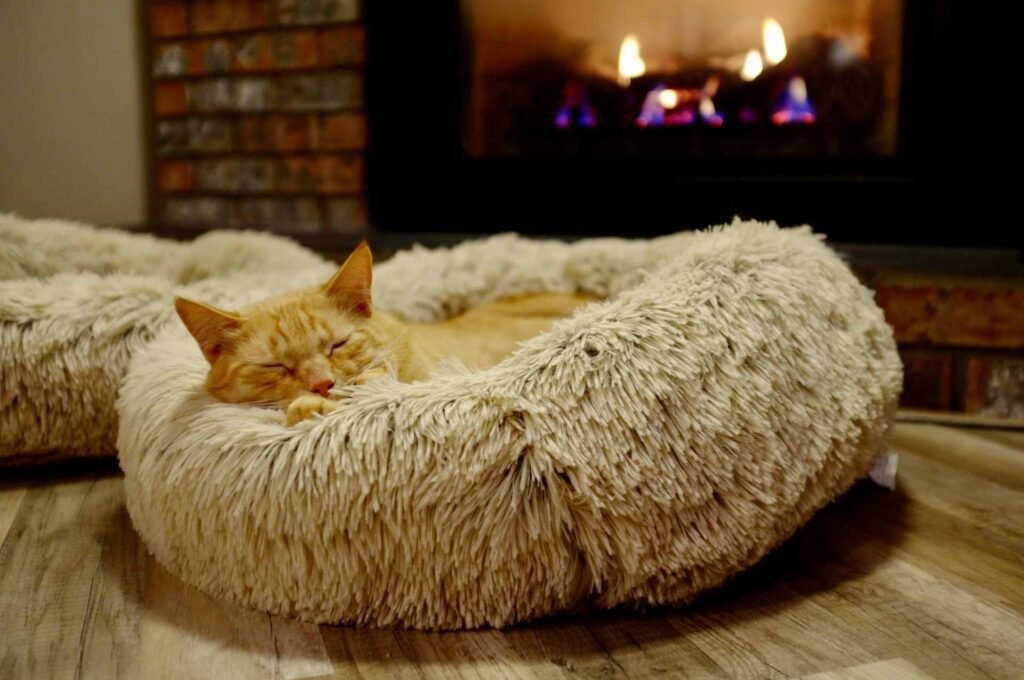
However, fleece does have its challenges. It’s a total magnet for cat hair, and we mean really attracts it. You’ll find yourself lint-rolling or vacuuming the bed frequently. Some cheaper fleece options pill after a few washes, creating those annoying little fabric balls. If your cat has a habit of excessive scratching rather than gentle kneading, fleece can develop snags and pulls.
Look for anti-pill fleece with a minimum weight of 200 GSM. Lightweight fleece under 150 GSM compresses quickly under repeated kneading and develops surface pilling within months. In multi-cat households I have observed, low-density fleece lost loft within 8 to 12 weeks, while higher-weight fleece maintained structure for over a year with biweekly washing.
Microfiber: The Low-Maintenance Winner
Microfiber cat beds have quietly become a favorite among cat owners who prioritize easy care. It is typically composed of polyester fibers finer than one denier. The tight weave reduces inter-fiber gaps, limiting hair penetration and moisture absorption. In practical terms, hair remains surface-bound rather than embedding into the pile, which significantly reduces lint rolling time.
In households with long-haired breeds such as Maine Coons, microfiber covers consistently required less than half the cleaning time compared to fleece during weekly maintenance.
The fabric feels smooth and soft, though some cats initially seem uncertain about the slicker texture compared to fluffier options. Once they adjust, many cats appreciate how microfiber stays consistently comfortable without getting matted down. It’s also surprisingly durable against those sharp claws, resisting snags better than you’d expect.
Microfiber handles moisture well too, making it practical for older cats or situations where accidents might occur. It washes beautifully and maintains its shape through countless cycles. Some quality microfiber beds even resist odors better than natural fabrics. The main downside? It doesn’t trap heat as effectively as fleece, so cold-natured cats might pass it over in winter.
Cotton: The Natural Choice
Cotton beds offer something different: a natural, breathable option that appeals to environmentally conscious pet owners and seems to suit cats with sensitive skin. Pure cotton fabric provides gentle temperature regulation, staying cooler in summer and warming up with body heat in winter.
The texture varies widely depending on the weave. Soft jersey cotton feels gentle and stretchy, almost like your favorite t-shirt. Canvas or duck cotton offers more structure and serious durability. Many cats seem to appreciate the familiar, natural feel of cotton against their fur.
Percale cotton offers tighter weave density and improved durability compared to loosely knit jersey. Canvas-grade cotton at 10 oz per square yard or higher withstands repeated kneading far better than lightweight quilting cotton.
Washing cotton is straightforward, and it’s one of those materials that gets softer with use rather than rougher. For households focused on avoiding synthetic materials, cotton makes sense. You’ll also find cotton in various organic options if chemical treatments concern you.
Pure cotton has high moisture absorption and holds more water than many synthetics, which can trap odor if not fully dried. For older cats prone to minor urinary leakage, untreated cotton without a waterproof liner is not ideal.
Sherpa and Faux Fur: The Luxury Experience
Walk through any pet store and you’ll see plenty of beds featuring plush sherpa lining or faux fur surfaces. These materials aim to mimic the feeling of sleeping against another warm, furry body, and many cats absolutely adore them. The thick, fluffy texture provides serious cushioning and warmth.
Sherpa beds particularly excel at creating that nest-like environment. Cats often knead these surfaces extensively before settling in, seemingly satisfied with the texture. The material tends to hold its loft well, maintaining that plushy feel even after your cat has been sprawled across it for hours.
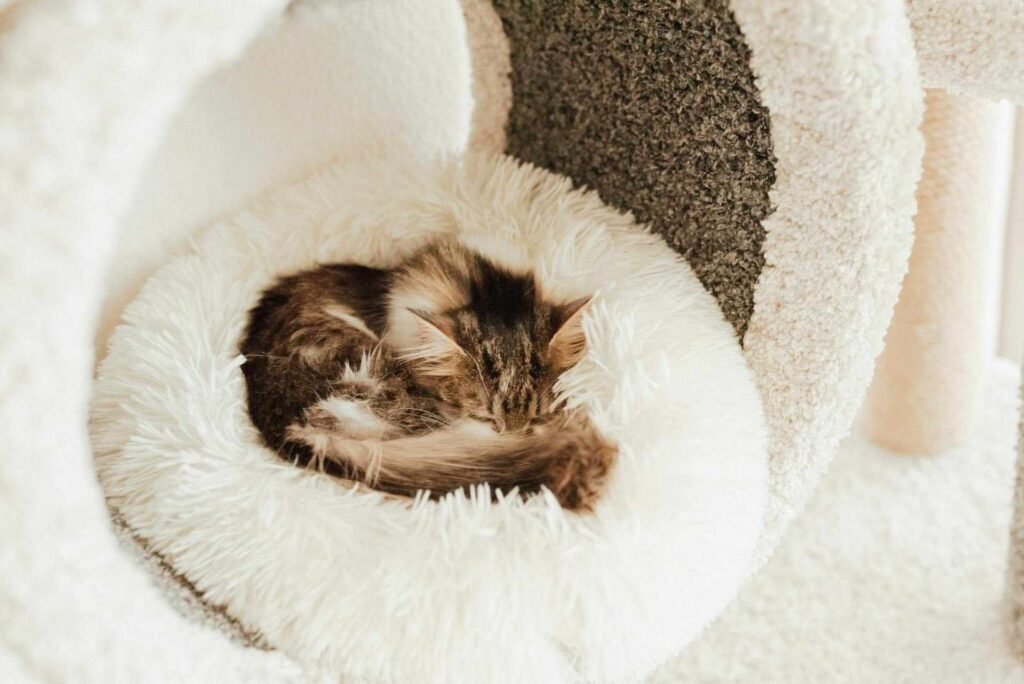
Faux fur takes the luxury factor even higher, though you’re paying more for beds made with quality versions. Some cats respond to it immediately, perhaps recognizing something familiar about the texture. It photographs beautifully too, if you’re someone who enjoys sharing pictures of your sleeping cats on social media.
The challenges with these plush options center on maintenance. Both sherpa and faux fur become absolute hair magnets, and cleaning them thoroughly requires more effort. The fibers can mat down in high-traffic areas, losing that appealing fluffiness. Some lower-quality versions shed their own fibers, which seems ironic given how much cat hair they collect. They also take forever to dry after washing, so you might need backup beds in your rotation.
Canvas and Denim: The Tough Performers
For cats who are particularly rough on their belongings, heavy-duty fabrics like canvas or denim deserve consideration. These materials bring serious durability to the table, standing up to aggressive kneading, scratching, and general wear that would destroy softer options within weeks.
Canvas cat beds often feature a more structured shape that holds up over time. From a structural standpoint, tightly woven canvas distributes claw pressure across multiple yarn intersections, reducing localized fiber failure. This is why canvas resists puncture better than pile fabrics.
For cats that knead with full claw extension, we recommend double-layer canvas shells with a separate removable inner cushion rather than single-layer soft beds.
Both materials wash well and dry relatively quickly. They’re not going to show every little pull or snag the way looser weaves do. For outdoor cat shelters or covered porch beds, these tough fabrics handle the elements better than delicate options.
The trade-off is texture. Some cats find these firmer fabrics less immediately inviting than soft fleece or plush materials. They work best as outer shells with softer inserts or cushions inside. They also don’t provide much warmth on their own, so they’re better suited for warmer climates or when paired with additional padding.
Velvet: The Surprisingly Cat-Friendly Option
Here’s something that might surprise you: many cats actually love velvet. Despite its reputation as a delicate fabric, velvet provides a unique sensory experience that some cats seek out. The short, dense pile feels smooth in one direction and slightly textured in the other, which seems to intrigue curious cats.
Quality velvet beds resist scratching better than you’d think because the tight weave doesn’t easily snag. Cats who appreciate texture variety often settle happily on velvet surfaces. It’s also relatively good at camouflaging cat hair, depending on the color you choose.
Modern velvet options, especially those made for pet furniture, often include performance finishes that resist stains and moisture better than traditional velvet. The fabric has a certain elegance too, so if your cat’s sleeping area is in a main living space, velvet beds don’t look out of place with your other furniture.
The downsides? Velvet shows wear patterns and can develop shiny spots in areas where your cat repeatedly lies down. It requires more careful washing than toss-it-in-and-forget-it materials. Cheaper velvet crushes and loses its texture quickly, so quality matters significantly with this fabric choice.
Key Factors to Consider
Beyond just picking a fabric that sounds good, several practical considerations should influence your decision. Your cat’s unique personality and habits matter as much as the material properties themselves.
Your Cat’s Scratching and Kneading Habits
Pay attention to how your cat behaves before settling down for a nap. Some cats do a few gentle kneads and curl up. Others launch into full biscuit-making mode, rhythmically pushing their claws in and out for several minutes. This behavior directly impacts which materials will survive in your household.
Aggressive kneaders need tightly woven, snag-resistant fabrics. Loose knits or delicate materials will develop holes and pulls quickly. If your cat also uses their bed area as an impromptu scratching session, you’ll want something with serious durability credentials. Canvas, quality microfiber, or sturdy cotton blends work better than delicate options.
On the flip side, gentle cats who barely use their claws can enjoy softer, more delicate fabrics without destroying them. This opens up options like plush faux fur or softer cotton that might not survive with more active cats.
Shedding Level and Cleaning Requirements
Long-haired cats present a completely different maintenance situation than short-haired breeds. If you’re living with a Persian, Maine Coon, or similarly fluffy friend, consider how much time you want to spend removing hair from their bed.
Smooth, tightly woven fabrics release hair more easily during washing. Microfiber, for example, doesn’t trap hair the way fleece does. You can often shake the bed out or run a lint roller over it between washes. Contrast this with sherpa or fleece, where hair seems to weave itself permanently into the fabric, requiring significant effort to remove completely.
For heavy shedders, choosing a bed color that somewhat matches your cat’s fur color reduces the visual impact of constant hair accumulation. It’s a small trick, but it makes the bed look cleaner between washing sessions.
Climate and Temperature Preferences
Cats have distinct temperature preferences, and these change with seasons. Some cats are perpetually cold, seeking out heating vents and sunny windows year-round. Others overheat easily and prefer cooler resting spots.
Fleece, sherpa, and faux fur provide excellent insulation, making them perfect for cold-natured cats or winter use. These materials trap body heat effectively, creating a warm cocoon. Cotton and microfiber offer more temperature neutrality, working across seasons. Some cats switch between different beds seasonally, choosing warmer options in winter and cooler ones in summer.
If you live in a particularly hot climate, breathable natural fibers prevent overheating. Canvas or cotton beds allow better air circulation. Conversely, in colder regions or for senior cats who need extra warmth, plush insulating materials make sense. Having multiple beds with different fabric types or heated cat beds lets your cat choose based on their current temperature needs.
Ease of Washing and Maintenance
For hygiene, cat beds should be washed every 7 to 14 days. Hot water above 130°F improves removal of oils and reduces bacterial load. Dry beds completely to prevent residual moisture retention in padding cores, which can promote odor and microbial growth.
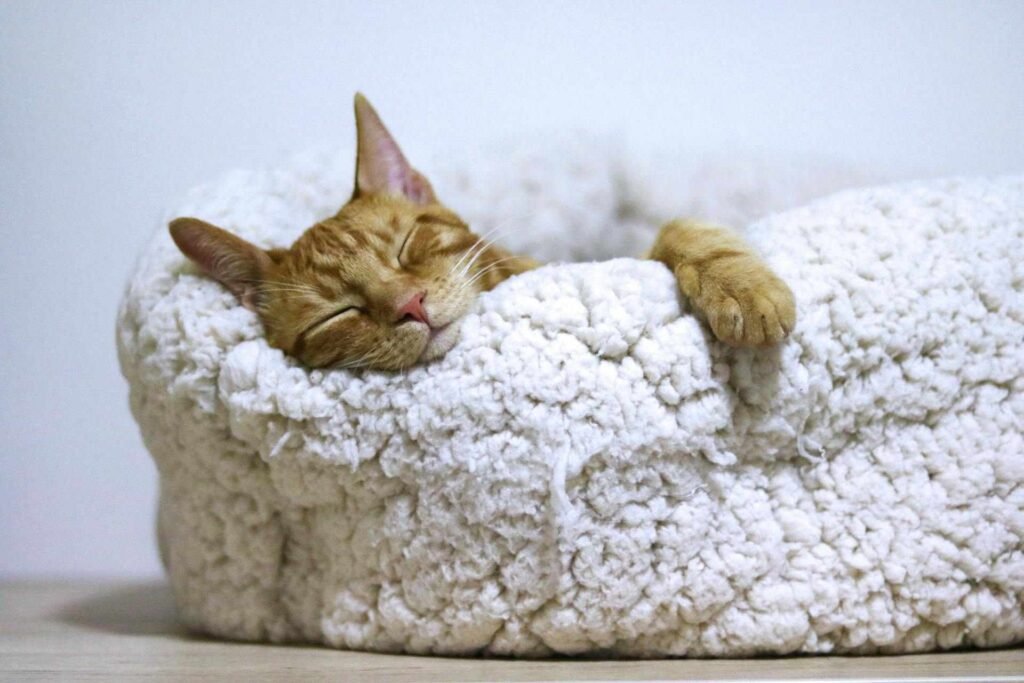
Machine-washable materials save significant time and effort. Check whether fabrics can handle regular hot water washing, which helps kill bacteria and dust mites. Some materials require cold water and delicate cycles, which limits how thoroughly you can clean them.
Synthetic materials like microfiber and fleece dry quickly, sometimes within an hour or two. Natural materials, especially thick cotton or canvas, take considerably longer. Plush materials like sherpa might take half a day or more to dry completely. Having a backup bed or removable, washable covers helps you maintain a consistent cleaning schedule without leaving your cat bed-less.
Consider whether the entire bed is washable or just the cover. Beds with removable covers offer more flexibility since you can wash the cover frequently while the base padding lasts longer between cleanings. Some beds feature waterproof inner liners, which protect the padding from accidents and extend the bed’s overall lifespan.
Comparing Popular Fabrics
To help visualize how different materials stack up, here’s a practical comparison of the most common options:
| Fabric Type | Durability | Hair Resistance | Warmth Level | Washing Ease | Best For |
|---|---|---|---|---|---|
| Fleece | Moderate | Low | High | Easy | Cold-natured cats, budget-conscious owners |
| Microfiber | High | High | Moderate | Very Easy | Busy owners, easy maintenance priority |
| Cotton | Moderate-High | Moderate | Moderate | Easy | Natural material preference, sensitive skin |
| Sherpa/Faux Fur | Moderate | Low | Very High | Moderate | Luxury comfort, winter use |
| Canvas/Denim | Very High | High | Low | Easy | Heavy scratchers, multi-cat homes |
| Velvet | Moderate-High | Moderate | Moderate | Moderate | Style-conscious homes, texture-loving cats |
This comparison helps narrow down options based on your priorities. If easy cleaning tops your list, microfiber stands out. For maximum durability with rough cats, canvas wins. Prioritizing warmth points toward fleece or sherpa options.
Quality varies significantly within each category. A premium fleece bed will outlast a cheap microfiber one, regardless of general material properties. Reading reviews from other cat owners and checking construction details matters as much as choosing the right fabric type.
Common Mistakes to Avoid
Even with good intentions, it’s easy to make choices that seem logical but don’t work in practice. Learning from common missteps saves money and frustration.
Choosing Style Over Function
That adorable bed with the intricate design and delicate fabric might look perfect in your home’s aesthetic, but will your cat use it? Prioritizing appearance over practical considerations often results in expensive beds that become decoration rather than functional sleeping spots.
Cats care about comfort, texture, and warmth, not whether their bed matches your throw pillows. While you don’t need to sacrifice style entirely, function should drive the decision with aesthetics as a secondary consideration. A well-used bed that looks moderately attractive beats a gorgeous bed your cat ignores.
Underestimating Cleaning Frequency Needs
Between shedding, dander, tracked litter, and general accumulation, beds get dirty faster than expected. Choosing a fabric that’s difficult to clean or requires special care makes it less likely you’ll maintain a proper cleaning schedule.
This matters for both hygiene and your cat’s health. Dirty beds can harbor bacteria, dust mites, and allergens. They also start to smell, which might make your cat avoid them. Picking easy-care materials from the start makes regular maintenance realistic rather than aspirational.
Ignoring Your Cat’s Established Preferences
Does your cat currently have favorite sleeping spots? Pay attention to what surfaces they already choose. If they constantly nap on your fleece blanket, they’re showing you they like that texture. If they prefer your leather couch, they might appreciate smoother materials over fuzzy ones.
Cats communicate their preferences clearly through their choices, but we sometimes overlook these signals when shopping. Buying a bed with fabric similar to surfaces your cat already loves increases the chances they’ll actually use it.
Going Too Cheap on Materials
Budget matters, absolutely. But extremely cheap cat beds often use poor-quality fabrics that shed their own fibers, pill immediately, or fall apart after a few washes. Sometimes these beds contain materials that feel unpleasant to cats, explaining why they get rejected despite appearing perfectly fine to human eyes.
Investing in better quality material doesn’t necessarily mean buying the most expensive option. It means choosing beds with decent construction and appropriate fabrics for your situation. A moderately priced bed that lasts two years and gets daily use provides better value than a cheap bed that falls apart in two months or never gets used.
Multiple Bed Strategy
One perfect bed often isn’t enough. Cats like options, and having beds with different fabrics in various locations encourages use. A warm fleece bed near a drafty window, a cooler cotton one in a sunny spot, and maybe a velvet option in a main living area covers different needs and moods.
Related article: Every Type of Cat Bed Explained: What Type of Bed Do Cats Actually Prefer?
This approach also makes maintenance easier since you can rotate beds while washing others. It prevents over-reliance on a single bed that might wear out faster from constant use. For multi-cat households, multiple beds reduce competition and territorial stress.
Frequently Asked Questions
Microfiber consistently performs best for managing cat hair since its tight weave prevents hair from embedding deeply into fibers. The smooth surface allows hair to sit on top where it’s easily removed with a lint roller or quick vacuum. Canvas and denim also resist hair accumulation well compared to textured materials like fleece or sherpa. For homes with heavy shedders, choosing furniture and bedding made from hair-resistant materials significantly reduces cleaning time.
Most cats appreciate moderately soft surfaces that provide some cushioning without being so plush that they sink in uncomfortably. Preferences vary individually based on age, size, and personal comfort needs. Senior cats often need softer surfaces with more padding to cushion achy joints, while younger, active cats might choose firmer surfaces. Observing where your cat currently sleeps provides clues about their preferred firmness level.
Washing cat beds every one to two weeks maintains proper hygiene for most situations. Households with multiple cats, long-haired breeds, or cats with skin conditions might need weekly washing. Between washes, vacuuming or lint rolling beds removes loose hair and debris. If your cat has accidents or gets particularly dirty, immediate washing prevents stains and odors from setting in permanently.
Absolutely, and many DIY cat beds use repurposed blankets, old sweatshirts, or fabric remnants successfully. Human bedding fabric often provides the same comfort and functionality as purpose-made pet fabrics. Fleece blankets, cotton quilts, or microfiber throws all work well for cats. The main advantage of pet-specific fabrics is that they’re often pre-treated for easier pet hair removal or stain resistance, but human fabrics perform perfectly fine with regular maintenance.
Canvas and denim offer the best scratch resistance due to their extremely tight weave and durable construction. Heavy-duty microfiber also resists scratching remarkably well despite being softer. Avoid loosely woven fabrics, knits, or anything with loops that claws can easily catch and pull. For cats with persistent scratching habits, providing appropriate scratching posts nearby reduces damage to beds while satisfying their natural scratching instinct.
Neither natural nor synthetic fabrics are universally better; each has strengths for different situations. Natural fabrics like cotton offer breathability and appeal to owners avoiding synthetic materials, but synthetics like microfiber often provide better durability and easier maintenance. Cats themselves don’t appear to have strong preferences for natural versus synthetic as long as the texture and warmth level suit them. Choose based on your priorities regarding care requirements, durability needs, and environmental concerns rather than assuming one category is inherently superior.
Most cats enjoy both materials, though individual preferences vary. Fleece tends to attract cats seeking maximum warmth since it traps heat effectively and provides that cozy, nest-like feeling. Cotton offers more temperature neutrality and breathability, appealing to cats who overheat easily or live in warmer climates. Some cats appreciate fleece in winter months and cotton in summer, suggesting that having both options available lets cats choose based on current comfort needs rather than declaring one definitively better.
Choose bed colors that roughly match your cat’s fur color for the least visible hair accumulation. Gray or mixed-tone patterns work well for cats with varied coloring or multi-cat households with different colored cats. Avoid extreme contrasts like white beds for black cats or vice versa, as every single hair becomes immediately visible. Medium tones in browns, grays, or mixed patterns generally hide fur better than stark whites or very dark colors.
Wrapping It Up
Fabric selection determines long-term usability more than design or color. Evaluate thermal retention, fiber density, weave tightness, and maintenance tolerance before purchasing.
For high-shed households prioritizing easy care, microfiber performs consistently well. For cold-sensitive cats in climate-controlled homes, high-weight fleece or sherpa provides better insulation. For heavy kneaders or multi-cat environments, canvas shells with removable cushions offer the greatest longevity.
When the material aligns with your cat’s behavioral profile and your cleaning capacity, bed acceptance rates improve significantly.
Looking for more? Explore our Cat Furniture section for more posts like this, visit the Blog for fun and insightful reads, or browse our full Cat Category for everything feline-related, from care to comfort.
Disclaimer: This article is for informational purposes only and does not substitute for professional veterinary advice. Always consult your veterinarian for diagnosis and treatment tailored to your cat’s individual needs. Please verify current product information directly on the retailer’s site before purchasing.
References
- Callewaert C, De Maeseneire E, Kerckhof FM, Verliefde A, Van de Wiele T, Boon N. Microbial odor profile of polyester and cotton clothes after a fitness session. Appl Environ Microbiol. 2014 Nov;80(21):6611-9. https://doi.org/10.1128/AEM.01422-14
- Centers for Disease Control and Prevention (2026). About Cleaning and Disinfecting Pet Supplies. https://www.cdc.gov/healthy-pets/about/cleaning-and-disinfecting-pet-supplies.html
- National Research Council. 2006. Nutrient Requirements of Dogs and Cats. Washington, DC: The National Academies Press. https://doi.org/10.17226/10668
- Waqar S, Shaid A, Michielsen S, Wen C, Wang L. Textile laundering and body odor: a comprehensive review. Textile Research Journal. 2025;95(15-16):2016-2033. https://doi.org/10.1177/00405175241308507
Check out our most recent articles!
- Can Cats Eat Green Peas? Safe, Healthy, or Just a Skip?
 A pea rolling across the kitchen floor is basically a free cat toy and a snack in one. But before it becomes a habit, here’s what you should know about what those little green things actually do for (or to) your cat.
 - Are Spray Bottles Bad for Cats? Reasons & AlternativesA spray bottle might stop your cat’s counter-surfing today, but it’s teaching them something much more troubling: that you’re unpredictable and potentially dangerous. Discover what really happens when you spray your cat and the alternatives that actually create lasting change.
- How Are Cats so Flexible? Your Cat’s Anatomy ExplainedBetween their 53 vertebrae, muscular shoulders connected only by soft tissue, and elastic joints, cats possess anatomical superpowers that blur the line between solid and liquid, letting them navigate spaces you’d swear were too small.
- Do Cats Copy Their Owners Voice, Personality and Actions?The independent cat stereotype is crumbling. Science reveals that cats engage in intentional mimicry, learning from their owners and adapting their personalities to match the humans they live with.
- Are Newborn Cats Born With Teeth? Everything About Kitten Dental GrowthEver wondered what’s happening inside a newborn kitten’s mouth? The answer might surprise you. Discover the complete timeline of feline dental development and learn what to expect as your kitten grows from gummy grins to a full set of adult teeth.
- Keeping Your Indoor Cat Warm in Winter: The Complete GuideEven indoor cats feel the winter chill more than you might think. Cold floors, dry air, and sneaky drafts can leave your feline less comfortable than they should be. Discover the simple adjustments that make all the difference in helping your cat stay genuinely cozy through the coldest months.
- Should You Look Your Cat in the Eyes? Is Staring Really Aggressive?Your cat’s eyes tell a story you’ve been misreading. While prolonged staring means one thing in human communication, cats interpret it completely differently. Discover why that loving gaze might actually be stressing out your feline friend and what to do instead.
- Choosing the Best Blanket for Your Cat: A Blanket Buyer’s GuideFinding the best blanket for your cat means considering more than just softness. Temperature regulation, durability, washability, and even behavioral quirks all play a role in choosing the perfect cozy spot for your feline friend. Discover which blanket types match your cat’s lifestyle.
- How to Get Your Kitten to Eat More: Simple Solutions for Picky EatersWatching your tiny kitten turn up their nose at perfectly good food can be heart-wrenching. This comprehensive guide reveals why kittens become picky eaters and shares practical solutions that transform mealtime battles into successful feeding routines.
- Can Cats Eat Fried Rice? Why This Takeout Favorite Is a No-GoThat irresistible takeout aroma might have your cat begging, but fried rice contains ingredients that can harm felines. Discover why even small amounts aren’t worth the risk and what treats truly suit your cat’s carnivorous nature.
- Why Do Cats Vibrate Their Tail? From Happy to HuntingYour cat’s vibrating tail is like a mood ring with fur. Whether they’re thrilled to see you or preparing to mark territory, decoding these rapid shakes reveals what’s really going on in their mind.
- Is Asparagus Bad for Cats? Risks, Benefits, and AlternativesYour cat’s eyeing your asparagus dinner, but should they have any? While this green veggie isn’t toxic to cats, there are surprising reasons why it’s not the treat you might think it is.
- How Cats Express Sadness: Reading Your Feline’s Emotional LanguageCats don’t cry emotional tears or mope around like dogs, but they absolutely experience sadness. The trick is learning to read their subtle language, the withdrawn behavior, the changed routines, the slight shifts in body posture that reveal their inner emotional world.
- Can Cats and Rabbits Live Together? Multi-Species Harmony GuideCats are predators, rabbits are prey, but that doesn’t mean they can’t coexist peacefully. Success comes down to understanding each animal’s instincts, respecting their boundaries, and taking introductions at the right pace.
- Are Space Heaters Safe for Cats? Keeping Your Cat CozySpace heaters can provide cozy warmth for your cat, but only when chosen and positioned with feline safety in mind. Discover which features protect against burns, fires, and electrical hazards.















Written by Vesper Mayerson (Editorial Assistant)
Last reviewed and edited on 23.02.2026