
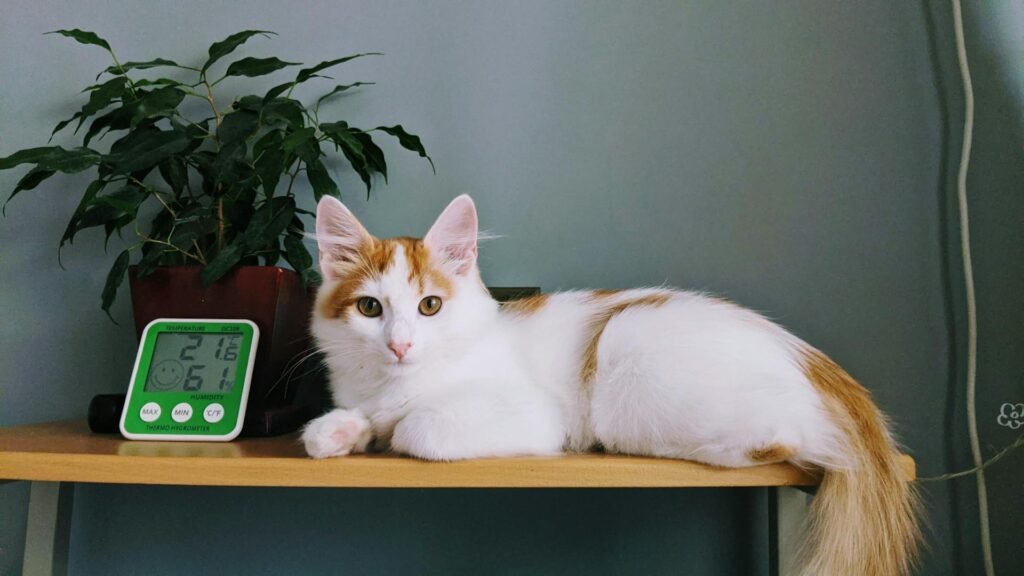
Every winter I see an increase in feline respiratory flare-ups that have nothing to do with infection and everything to do with indoor air quality. Owners focus on food, litter, or stress. Rarely do they check humidity.
Indoor humidity routinely drops below 30% once forced-air heating systems run continuously. For cats with asthma, chronic rhinitis, or sensitive skin, this shift is not cosmetic. It is physiologic.
Before deciding whether a humidifier is helpful or harmful, the real question is this: what is your home’s actual humidity level?
What Humidity Does to Your Cat’s Body
Before diving into whether you should rush out to buy a humidifier, it’s worth understanding what dry air actually does to cats. Their bodies respond to environmental moisture much like ours do, but with a few furry twists.
Cats have sensitive respiratory systems that react to changes in air quality. When humidity drops below comfortable levels, the mucous membranes in their nose and throat can dry out. This makes them more vulnerable to irritation and can turn a minor sniffle into a weeks-long ordeal. Recall how your own nose feels during a harsh winter, now imagine dealing with that while also relying heavily on your sense of smell to navigate the world and identify your food.
That gorgeous coat your cat spends hours grooming each day? It needs moisture to stay healthy. Dry air pulls moisture from their skin, potentially leading to flakiness, itchiness, and an increased urge to scratch. You might notice more excessive grooming behavior during winter months, which could be your cat’s way of trying to compensate for uncomfortable dry skin.
The ideal humidity range for cats sits between 30% and 50%, which happens to be the same sweet spot that keeps humans comfortable. Drop below that, and you’re in dry territory. Climb too high, and you’re creating a breeding ground for mold and bacteria, neither of which your cat’s lungs will appreciate.
Cool Mist vs. Warm Mist: Which Type Wins?
The type you choose matters significantly for safety reasons.
Cool mist humidifiers take the crown for cat-friendly options. These devices disperse room-temperature moisture into the air without involving any heated elements. If your cat decides to investigate a bit too closely, there’s no risk of burns. Many cool mist models come in ultrasonic varieties, which operate nearly silently and use high-frequency vibrations to create that fine mist.
Some cat owners worry about whether ultrasonic humidifiers are safe for cats given their superior hearing range. While cats can hear much higher frequencies than humans, the ultrasonic vibrations in most humidifiers operate at frequencies too high even for feline ears to detect. The energy gets transferred into water to create mist rather than sound waves traveling through air. That said, every cat is different. A small percentage might show interest in or mild annoyance at a new humidifier simply because it’s an unfamiliar object in their territory, not because they’re hearing anything disturbing.
Warm mist humidifiers, on the other hand, require more caution. These units boil water to create steam, which then gets released into your room. The problem? That water reservoir stays hot, and if your acrobatic feline knocks it over during a midnight zoomies session, you’ve got a scalding hazard on your hands. While warm mist can be effective for congestion, the safety risks generally outweigh the benefits in homes with pets.
Evaporative humidifiers offer a middle-ground option. These use a fan to blow air through a moistened wick or filter, releasing cool moisture without boiling water or ultrasonic vibrations. They’re generally safe for cats, though the fan noise might be noticeable. One advantage: the built-in filters trap some minerals and impurities, which keeps the air cleaner. The downside? Those filters need regular replacement, adding to your maintenance routine.
When Humidifiers Actually Help Your Cat
Let’s get specific about situations where humidifiers can make a genuine difference to your cat’s health and comfort.
Respiratory Relief for Congested Cats
Upper respiratory infections in cats are incredibly common, especially in multi-cat households or among cats who spent time in shelters before adoption. These infections bring on symptoms remarkably similar to human colds: sneezing, runny nose, watery eyes, and congestion. When your cat is stuffed up, they struggle to smell their food, and cats who can’t smell their dinner often won’t eat it.
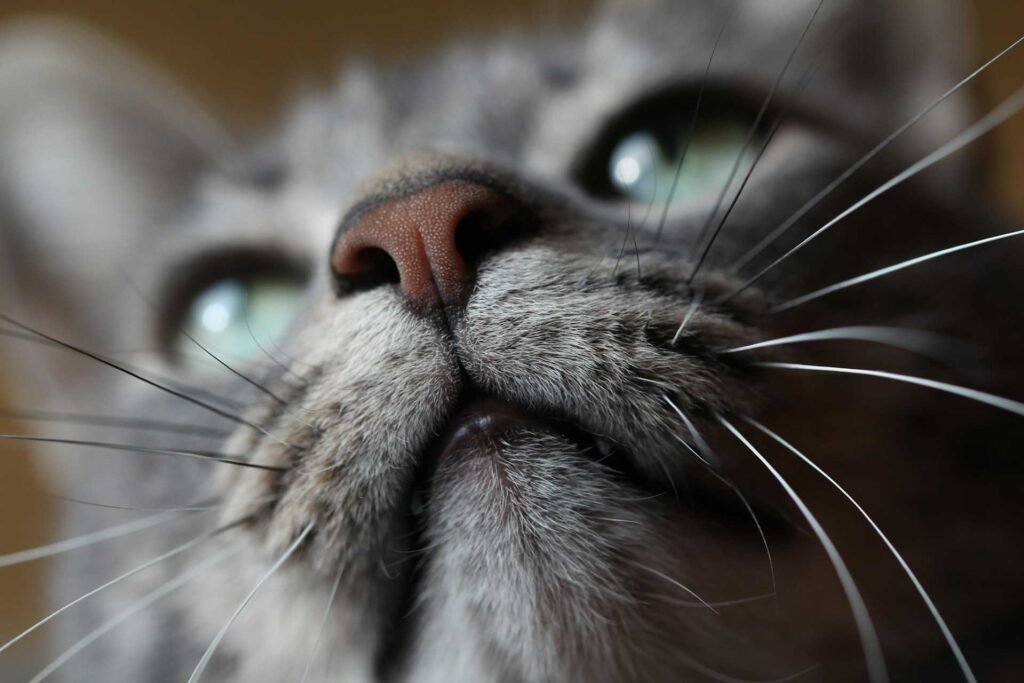
This is where a humidifier becomes your ally. The added moisture in the air helps thin out mucus, making it easier for your cat to breathe and, crucially, smell. Place a quality cool-mist humidifier in the room where your cat spends most of their time, especially during recovery from an upper respiratory infection. You’re essentially creating a gentle, continuous steam room effect without the actual steam.
Asthma Management
Between 1% and 5% of cats have feline asthma, a chronic condition affecting their lower airways. In asthmatic cats, airway inflammation causes bronchoconstriction and excess mucus production. Dry air worsens epithelial irritation. Stable humidity reduces airway desiccation, which can decrease frequency of coughing episodes in mild cases.
If your cat has been diagnosed with asthma, maintaining consistent humidity levels isn’t just about comfort, it’s part of managing their condition. Many cat parents notice fewer flare-ups during months when they’re running a humidifier compared to when they let the air get bone-dry.
Seasonal Skin Issues
Winter heating systems are notorious for stripping moisture from the air. Your cat’s skin and coat suffer the consequences, potentially developing dryness and flaking that resembles dandruff. Before assuming your cat has developed a skin condition, consider whether seasonal dryness might be the culprit.
A humidifier can restore enough moisture to keep skin supple and comfortable. This reduces scratching and helps maintain the natural oils in your cat’s coat. Of course, if the flaking continues despite adequate humidity, schedule a vet visit to rule out other causes like allergies or parasites.
The Hidden Dangers of Humidifiers
Humidifiers can help cats, but they can also harm them if you’re not careful about certain risks.
The Essential Oil Trap
Essential oils and cats do not mix. Cats lack sufficient hepatic glucuronyl transferase activity, which impairs metabolism of phenolic compounds and terpenes found in many essential oils.
Even passive diffusion can result in inhalation exposure and dermal absorption during grooming. Clinical signs range from drooling and vomiting to ataxia and liver failure.
Mold and Bacteria Breeding Grounds
A dirty humidifier is arguably worse than no humidifier at all. Standing water creates the perfect environment for mold and bacteria to flourish. When your humidifier disperses mist, it potentially sends those contaminants directly into your cat’s lungs.
Mold exposure causes respiratory irritation, allergic reactions, and can worsen existing conditions like asthma. Bacteria from poorly maintained humidifiers can lead to lung infections in both cats and humans. The solution sounds simple, clean your humidifier regularly. But life gets busy, and this maintenance task often falls by the wayside.
Commit to a weekly cleaning schedule at minimum. Rinse the tank daily, perform a thorough cleaning with vinegar or a mild disinfectant weekly, and replace filters according to the manufacturer’s recommendations. If you notice any slime, discoloration, or funky smells, clean it immediately. Consider setting a recurring reminder on your phone because this isn’t a task you want to forget.
Over-Humidification Problems
More moisture isn’t always better. When humidity climbs above 50-60%, you’ve entered the danger zone for mold growth, dust mites, and bacterial proliferation. These issues affect your entire home, not just the immediate area around the humidifier.

Cats might become uncomfortable or spend less time in overly humid rooms, but they can’t tell you what’s wrong. Watch for condensation on windows, a musty smell, or damp spots on walls, all signs that you’ve overdone it. Investing in a hygrometer (a simple device that measures humidity) takes the guesswork out of monitoring levels. Many modern humidifiers include built-in hygrometers, though standalone units often provide more accurate readings.
Placement Strategies That Keep Everyone Safe
You’ve chosen the right humidifier type, committed to regular cleaning, and sworn off essential oils. Now comes the question: where should you actually put this thing?
Location matters tremendously for both effectiveness and safety. Place your humidifier on a stable, elevated surface that your cat can’t easily access. Nightstands, dressers, and sturdy shelves work well. Avoid floor placement, where curious paws can more easily tip it over or inquisitive noses can get too close to the mist output.
Consider proximity to your cat’s favorite spots. You want the humidifier close enough to where your cat spends time that they benefit from the increased moisture, but not so close that it creates a damp environment around their sleeping area. A distance of several feet typically strikes the right balance.
Keep humidifiers away from your cat’s food and water bowls. Excess moisture near food dishes can promote bacterial growth, and constant mist near water bowls can confuse your cat about their hydration routine. The litter box area should also remain clear of humidifier mist to prevent moisture from affecting litter quality and creating odor issues.
Electrical safety deserves attention too. Position your humidifier far enough from the outlet that if it does tip over, water won’t reach the electrical connection. Use surge protectors rated for the appliance, and make sure cords don’t dangle where cats can chew them or get tangled.
Signs Your Cat Is Benefiting (or Not)
How do you know if your humidifier is actually helping your cat or just adding to your electric bill? Watch for these indicators:
Improvement indicators:
- Decrease in resting respiratory rate toward normal baseline of 20–30 breaths per minute
- Reduced frequency of coughing or sneezing
- Improved appetite in previously congested cats
- Reduction in over-grooming linked to dry skin
Warning indicators:
- Increased respiratory effort
- Open-mouth breathing
- New wheezing
- Behavioral avoidance of the room
- Musty odor or visible condensation in the environment
If respiratory rate exceeds 40 breaths per minute at rest, seek veterinary evaluation immediately.
If you notice negative changes after introducing a humidifier, turn it off and observe whether symptoms improve. The issue might be contamination from inadequate cleaning, humidity levels that are too high, or rarely, sensitivity to the specific type of humidifier. When in doubt, consult your veterinarian, particularly if your cat has pre-existing health conditions.
Choosing the Right Humidifier: What Actually Matters
Standing in the humidifier aisle (or scrolling through endless online options) can feel overwhelming. Here’s what actually matters for cat households:
Tank capacity determines how often you’ll need to refill. Larger tanks mean less frequent refills but also heavier units. For a single room, a one to two-gallon tank usually suffices. Whole-home humidifiers offer convenience if you want to maintain humidity throughout your space, but they require installation in your HVAC system.
Auto-shutoff features provide crucial safety. The humidifier should automatically turn off when water levels get low, preventing the unit from running dry and potentially overheating. This feature becomes even more important in cat households where you might not be home to monitor the unit constantly.
Noise level: Cats have sensitive hearing, and a constantly buzzing or humming appliance can create stress. Ultrasonic models win points for near-silent operation. Check product reviews specifically mentioning noise levels, and pay attention to decibel ratings if listed. Anything under 35 decibels qualifies as whisper-quiet.
Ease of cleaning should heavily influence your decision. Look for models with wide openings, removable tanks, and minimal crevices where gunk can accumulate. The easier a humidifier is to clean, the more likely you’ll actually maintain it properly. Some models market themselves as dishwasher-safe, which significantly reduces cleaning hassle.
Built-in humidity controls prevent over-humidification. Humidistats (humidity thermostats) allow you to set a target humidity level, and the unit automatically adjusts output to maintain it. This feature is especially valuable for cat owners who want to “set it and forget it” while knowing their pet stays in a healthy humidity range.
Durability matters when you share your home with a creature known for knocking things over. Look for sturdy construction and bases that resist tipping. Read reviews from other pet owners to gauge how well models hold up to curious paws and occasional mishaps.
| Feature | Why It Matters for Cats | What to Look For |
|---|---|---|
| Mist Type | Safety and comfort | Cool mist (ultrasonic or evaporative) |
| Auto-Shutoff | Prevents overheating/running dry | Standard on most models |
| Tank Opening | Easier cleaning = safer air | Wide, accessible opening |
| Noise Level | Reduces stress | Under 35 decibels |
| Humidistat | Maintains safe humidity levels | Built-in with adjustable settings |
| Stability | Prevents tip-over accidents | Wide base, sturdy construction |
Alternative Ways to Boost Humidity for Cats
Maybe you’re not ready to invest in a humidifier, or perhaps your cat has clearly expressed their disapproval of the one you tried. Other methods can increase humidity for your feline friend.
The bathroom steam method works surprisingly well for cats with congestion. Run a hot shower, close the bathroom door, and bring your cat in for 10-15 minutes. The steam helps loosen mucus and ease breathing without requiring any equipment. Just make sure the bathroom doesn’t get too hot, you’re aiming for steam therapy, not a sauna.
Houseplants naturally release moisture through a process called transpiration. While they won’t humidify your home as effectively as a proper humidifier, several moisture-loving plants can contribute to ambient humidity. Just verify any plant’s safety before bringing it home, as many common houseplants are toxic to felines.
Bowls of water placed strategically around your home provide passive humidification. Place them on radiators, near heat vents, or in sunny windowsills where evaporation happens faster. Change the water daily to prevent bacterial growth.
Wet towels hung near heat sources evaporate moisture into the air. Drape damp towels over radiators or hang them near (but not touching) space heaters. This old-school method actually works, though it requires more attention than modern humidifiers.
Adjusting your heating system can help retain natural humidity. Lowering your thermostat just a few degrees reduces the drying effect of forced air heating. Consider whether you can comfortably wear an extra layer rather than cranking the heat, benefiting both your humidity levels and your utility bills.
FAQ
Check for these signs: your cat’s coat looks dull or feels dry to the touch, they’re scratching more frequently, you notice flaking skin during grooming, or respiratory symptoms like coughing or sneezing seem worse. You might also notice static electricity when petting your cat. The most reliable method is using a hygrometer to measure humidity levels. Readings consistently below 30% indicate your home is too dry.
While you can technically use tap water, distilled or demineralized water is better for cat households. Tap water contains minerals that can create white dust deposits and potentially irritate sensitive respiratory systems. Ultrasonic humidifiers especially benefit from distilled water. If you must use tap water, clean your humidifier more frequently to prevent mineral buildup.
A humidifier can definitely help if low humidity is causing or contributing to skin dryness. However, other factors like allergies, poor diet, parasites, or medical conditions can also cause itchy skin. Try maintaining proper humidity levels for 2-3 weeks and monitor improvement. If skin issues persist, consult your vet to rule out other causes.
Place the humidifier in the same room where your cat spends most of their time, but not right next to their immediate resting area. A distance of 5-10 feet allows them to benefit from increased humidity without being directly in the mist stream or able to easily knock it over. Ensure it’s on a stable, elevated surface out of easy reach.
Yes, cool mist humidifiers are the safest type for cat households. They don’t involve heating elements that could burn curious cats, and ultrasonic cool mist models operate quietly without disturbing sensitive feline ears. Always keep them in secure locations where cats can’t tip them over, and maintain them with regular cleaning.
Some cats show initial curiosity about new appliances. Monitor your cat’s interaction. If they’re just investigating and lose interest after a few days, that’s normal. If they seem agitated, try to knock it over repeatedly, or avoid the room where it runs, consider whether the noise or mist is bothering them. Move the humidifier to a less accessible location or try a different model.
Summer air naturally contains more moisture in many climates, making humidifiers less necessary. However, constant air conditioning can dry out indoor air significantly. Monitor your humidity levels year-round. If summer AC drops humidity below 30%, consider running a humidifier even during warmer months. Adjust based on your specific climate and indoor conditions.
Most cats benefit from continuous humidification during dry seasons, especially winter. Run your humidifier 24/7 when outdoor temperatures are cold and indoor heating systems are active. Use a humidistat to automatically maintain safe levels between 30-50%. During transitional seasons, you might only need it at night or during the driest parts of the day.
Conclusion: Breathe Easy with the Right Approach
Are humidifiers good for cats? Yes, when humidity is objectively low and the unit is maintained correctly. No, when they are contaminated, overloaded with fragrance, or pushing humidity above 60%.
The correct approach is measurement, not guesswork. Use a hygrometer. Maintain 30–50% humidity. Clean weekly. Use distilled water. Avoid essential oils completely.
For cats with asthma, chronic rhinitis, or winter skin dryness, controlled humidification can reduce flare-ups and improve comfort. For healthy cats in balanced environments, it is a supportive tool, not a necessity.
Humidity is an environmental variable. Manage it deliberately.
Looking for more? Explore our Cat Health section for more posts like this, visit the Blog for fun and insightful reads, or browse our full Cat Category for everything feline-related, from care to comfort.
Disclaimer: This article is for informational purposes only and does not substitute for professional veterinary advice. Always consult your veterinarian for diagnosis and treatment tailored to your cat’s individual needs. Please verify current product information directly on the retailer’s site before purchasing.
References
- Court MH. Feline drug metabolism and disposition: pharmacokinetic evidence for species differences and molecular mechanisms. Vet Clin North Am Small Anim Pract. 2013 Sep;43(5):1039-54. https://doi.org/10.1016/j.cvsm.2013.05.002
- GSVS (2025). https://gsvs.org/blog/heavy-breathing-cats-emergency/
- Stanger, T (2025). Why the Right Home Humidity Matters. https://www.consumerreports.org/appliances/humidifiers/why-the-right-home-humidity-matters-a4457720331/
- Trzil JE. Feline Asthma: Diagnostic and Treatment Update. Vet Clin North Am Small Anim Pract. 2020 Mar;50(2):375-391. https://doi.org/10.1016/j.cvsm.2019.10.002
- Wolkoff P. Indoor air humidity, air quality, and health – An overview. Int J Hyg Environ Health. 2018 Apr;221(3):376-390. https://doi.org/10.1016/j.ijheh.2018.01.015
Check out our most recent articles!
- Can Cats Eat Green Peas? Safe, Healthy, or Just a Skip?
 A pea rolling across the kitchen floor is basically a free cat toy and a snack in one. But before it becomes a habit, here’s what you should know about what those little green things actually do for (or to) your cat.
 - Are Spray Bottles Bad for Cats? Reasons & AlternativesA spray bottle might stop your cat’s counter-surfing today, but it’s teaching them something much more troubling: that you’re unpredictable and potentially dangerous. Discover what really happens when you spray your cat and the alternatives that actually create lasting change.
- How Are Cats so Flexible? Your Cat’s Anatomy ExplainedBetween their 53 vertebrae, muscular shoulders connected only by soft tissue, and elastic joints, cats possess anatomical superpowers that blur the line between solid and liquid, letting them navigate spaces you’d swear were too small.
- Do Cats Copy Their Owners Voice, Personality and Actions?The independent cat stereotype is crumbling. Science reveals that cats engage in intentional mimicry, learning from their owners and adapting their personalities to match the humans they live with.
- Are Newborn Cats Born With Teeth? Everything About Kitten Dental GrowthEver wondered what’s happening inside a newborn kitten’s mouth? The answer might surprise you. Discover the complete timeline of feline dental development and learn what to expect as your kitten grows from gummy grins to a full set of adult teeth.
- Keeping Your Indoor Cat Warm in Winter: The Complete GuideEven indoor cats feel the winter chill more than you might think. Cold floors, dry air, and sneaky drafts can leave your feline less comfortable than they should be. Discover the simple adjustments that make all the difference in helping your cat stay genuinely cozy through the coldest months.
- Should You Look Your Cat in the Eyes? Is Staring Really Aggressive?Your cat’s eyes tell a story you’ve been misreading. While prolonged staring means one thing in human communication, cats interpret it completely differently. Discover why that loving gaze might actually be stressing out your feline friend and what to do instead.
- Choosing the Best Blanket for Your Cat: A Blanket Buyer’s GuideFinding the best blanket for your cat means considering more than just softness. Temperature regulation, durability, washability, and even behavioral quirks all play a role in choosing the perfect cozy spot for your feline friend. Discover which blanket types match your cat’s lifestyle.
- How to Get Your Kitten to Eat More: Simple Solutions for Picky EatersWatching your tiny kitten turn up their nose at perfectly good food can be heart-wrenching. This comprehensive guide reveals why kittens become picky eaters and shares practical solutions that transform mealtime battles into successful feeding routines.
- Can Cats Eat Fried Rice? Why This Takeout Favorite Is a No-GoThat irresistible takeout aroma might have your cat begging, but fried rice contains ingredients that can harm felines. Discover why even small amounts aren’t worth the risk and what treats truly suit your cat’s carnivorous nature.
- Why Do Cats Vibrate Their Tail? From Happy to HuntingYour cat’s vibrating tail is like a mood ring with fur. Whether they’re thrilled to see you or preparing to mark territory, decoding these rapid shakes reveals what’s really going on in their mind.
- Is Asparagus Bad for Cats? Risks, Benefits, and AlternativesYour cat’s eyeing your asparagus dinner, but should they have any? While this green veggie isn’t toxic to cats, there are surprising reasons why it’s not the treat you might think it is.
- How Cats Express Sadness: Reading Your Feline’s Emotional LanguageCats don’t cry emotional tears or mope around like dogs, but they absolutely experience sadness. The trick is learning to read their subtle language, the withdrawn behavior, the changed routines, the slight shifts in body posture that reveal their inner emotional world.
- Can Cats and Rabbits Live Together? Multi-Species Harmony GuideCats are predators, rabbits are prey, but that doesn’t mean they can’t coexist peacefully. Success comes down to understanding each animal’s instincts, respecting their boundaries, and taking introductions at the right pace.
- Are Space Heaters Safe for Cats? Keeping Your Cat CozySpace heaters can provide cozy warmth for your cat, but only when chosen and positioned with feline safety in mind. Discover which features protect against burns, fires, and electrical hazards.















Written by Fenton Harberson (Scientific Writer and Digital Asset Planner)
Last reviewed and edited on 16.02.2026