
Holiday toy buying is not about seasonal cuteness. It is about predatory enrichment. Domestic cats retain the neurological hunting sequence of stalk, chase, grab, kill bite, and dissect. When toys fail to engage that sequence, they get abandoned under the couch within days.
In my experience working with indoor-only cats in multi-cat homes, most holiday toy failures happen because owners choose what looks festive rather than what triggers prey drive. The right toy mimics movement, texture, and unpredictability. The wrong toy becomes clutter. This guide focuses on what actually works, based on behavior mechanics rather than marketing aesthetics.
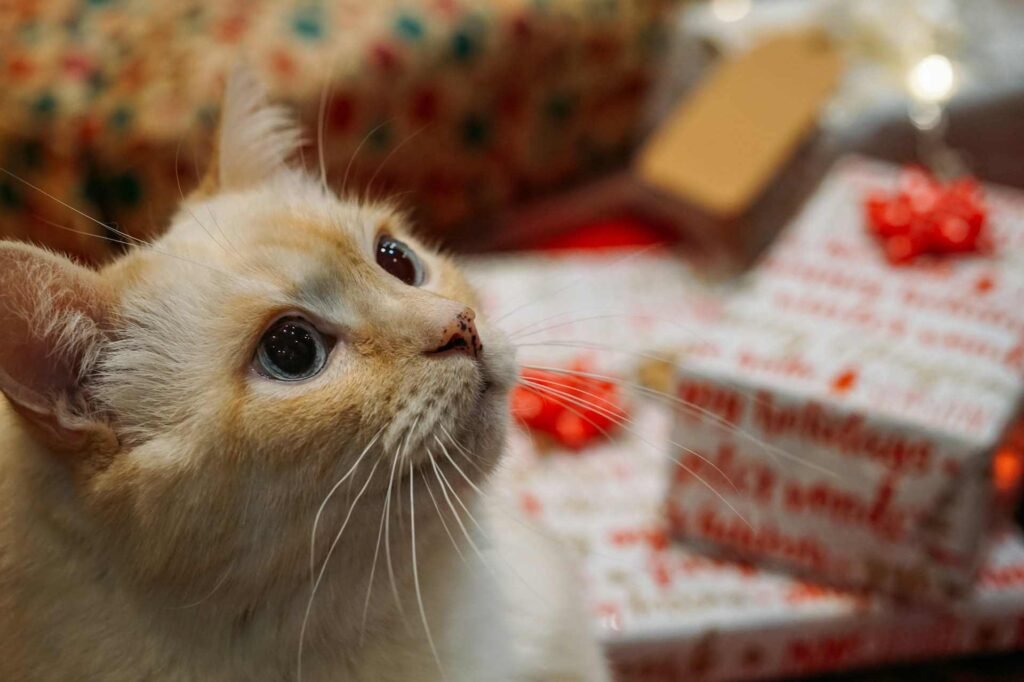
Why Christmas Is the Perfect Time to Refresh Your Cat’s Toy Collection
Let’s be honest, your cat probably has a graveyard of forgotten toys under the couch. That catnip mouse from last February? Ancient history. The feather wand missing half its feathers? A relic from another era. The holiday season offers the perfect excuse to retire those battle-worn toys and introduce fresh excitement into your cat’s daily routine.
Winter months can be particularly challenging for indoor cats. Shorter days mean less window-watching entertainment, and the cold weather means fewer birds and critters scurrying around outside to capture their attention. Indoor cats deprived of sufficient environmental stimulation show increased stereotypic behaviors such as overgrooming, nighttime hyperactivity, and inappropriate scratching. The AAFP and ISFM Feline Environmental Needs Guidelines emphasize structured play and environmental enrichment as core welfare requirements for indoor cats.
Christmas cat toys serve multiple purposes beyond just holiday fun. They provide mental stimulation, encourage physical activity, and can even help reduce anxiety when your home fills with unfamiliar guests and sounds. Plus, there’s something undeniably heartwarming about watching your cat attack a festive toy while you sip hot cocoa and enjoy the twinkling tree lights. Some cats might even incorporate these new toys into their favorite sleeping spots, creating adorable photo opportunities that’ll flood your social media feeds.
Festive Plush Toys That Capture Holiday Spirit
There’s something irresistible about tiny, themed plush toys that look like they wandered straight out of a Christmas storybook. Multi-pack sets featuring holiday characters like reindeer, gingerbread figures, bears, hedgehogs, and penguins offer variety that keeps cats interested. Each character brings its own appeal, and having multiple options means you can rotate toys to maintain novelty.
These adorable stuffed companions often become more than just toys, they’re comfort objects that cats carry around, snuggle with during naps, and present to their owners as “gifts” (usually at 5 AM). The soft plush exterior makes them perfect for cats who like to knead and bunny-kick their toys, while quality construction ensures they survive the enthusiastic attention. Look for options filled with high-grade cotton and natural catnip for the ultimate sensory experience.
Inspect seam construction before purchasing. Reinforced lock stitching holds better under hind-leg bunny kicking than single straight seams. Avoid toys stuffed with polyester fiber that sheds easily. Loose synthetic fibers increase ingestion risk during aggressive play. In our experience across high-prey-drive cats, double-stitched toys lasted approximately three times longer than budget plush alternatives. Durability is a safety metric.
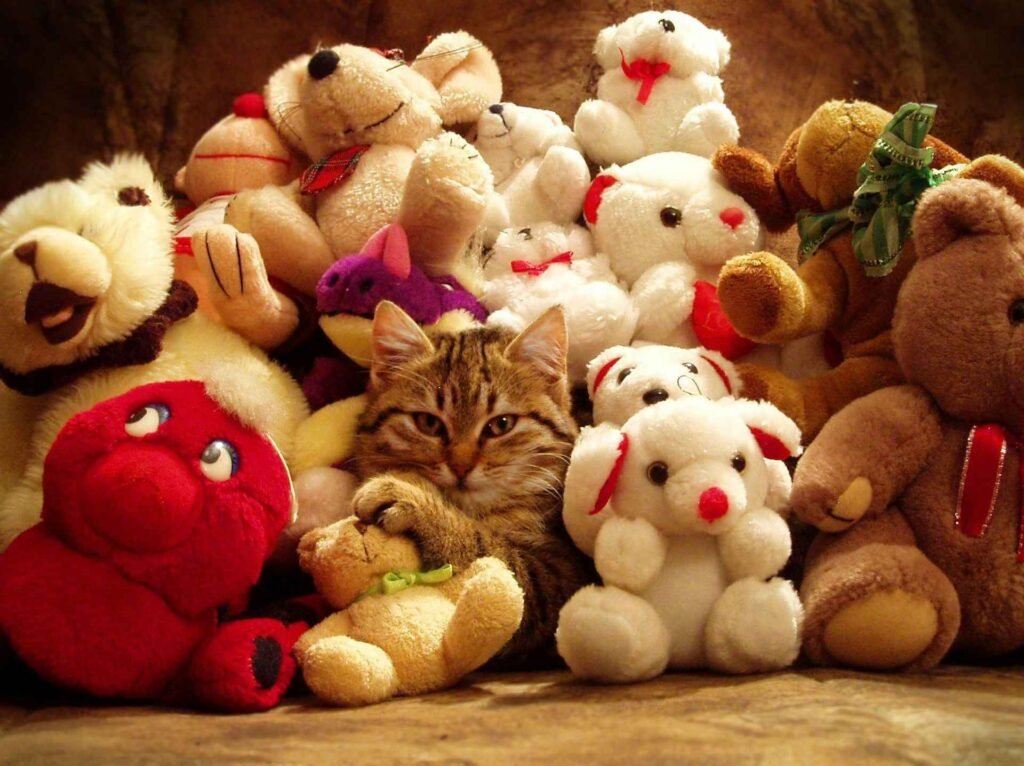
Smaller plush mice designs dressed in festive colors bring that classic cat toy appeal with a seasonal twist. Available in multiple colors like pink, beige, and grey, these compact toys are perfect for batting across hardwood floors, carrying in mouths, and tucking into favorite hiding spots. Their lightweight design encourages natural hunting behaviors, and the size is ideal for cats who prefer toys they can fully grasp.
Catnip-Infused Toys for Maximum Excitement
When you want to guarantee engagement, catnip-filled options are your secret weapon. Catnip contains nepetalactone, a volatile compound that binds to olfactory receptors and stimulates sensory neurons linked to feline reward pathways. Roughly 60 to 70 percent of adult cats show a behavioral response, which is hereditary. The response typically lasts 5 to 15 minutes before a refractory period occurs.
Candy cane shaped catnip toys perfectly blend form and function. These striped delights look festive hanging from your tree (until your cat inevitably steals them) and pack enough catnip to keep even the most discriminating feline interested.
Larger catnip toys featuring Santa designs cater to cats who enjoy full-body interaction. These toys are perfect for grabbing with front paws while bunny-kicking with back legs, a behavior that exercises multiple muscle groups and satisfies predatory instincts. The crinkle sound embedded in quality versions adds an extra sensory dimension that prolongs play sessions.
The beauty of catnip toys lies in their longevity. When your cat loses interest, simply store the toy in a sealed bag for a week or two. The next time you bring it out, it’ll feel brand new. This makes them particularly economical choices that continue providing value throughout the year, not just during the holidays.
Interactive Electronic Toys That Do the Work for You
Sometimes you need your cat entertained while you’re occupied with holiday preparations. Electronic interactive toys step in as the perfect solution, providing engagement without requiring constant human participation. These battery-operated or rechargeable devices keep your cat busy when you’re baking cookies, wrapping presents, or hosting dinner parties.
Multi-function electronic toys combine several entertainment options into one festive package. Featuring moving feathers that pop in and out of cloth covers, rolling balls along tracks, laser chase modes, and realistic bird chirping sounds, these comprehensive systems appeal to multiple play preferences. The hide-and-seek element particularly captivates cats by triggering their natural hunting instincts, there’s something irresistibly compelling about prey that appears and disappears.
Devices that rely exclusively on laser projection without a tangible capture opportunity can increase frustration. Always conclude electronic sessions with a physical toy the cat can grab and bite. This completes the predatory motor pattern and reduces stress.
The rechargeable design of modern electronic toys eliminates the constant battery replacement hassle. A full charge typically provides several hours of play, and many models include automatic shut-off features that conserve power when your cat takes a break. The Christmas-themed covers featuring red and green colors, elf designs, or holiday patterns make these toys seasonal decor that happens to entertain your cat.
Motion-activated rolling balls offer unpredictability that keeps cats guessing. These spheres feature obstacle sensors that change direction when approaching walls, LED lights that flash during movement, and optional bird chirping that adds auditory stimulation. Multiple speed settings let you adjust the challenge level based on your cat’s age, fitness level, and interest.
Select units with enclosed motors rated for pet use. Avoid exposed gears or thin fabric covers that allow claw penetration. Test the noise output level. High-frequency mechanical sounds above 60 decibels can cause avoidance in sound-sensitive cats.
Wand Toys That Bring You Together
While electronic options provide solo entertainment, nothing quite replaces the bonding experience of interactive play sessions using wand-style toys. These handled toys with dangling attachments let you control the action, mimicking prey movements that your cat finds irresistible. The holiday season, despite its busyness, offers wonderful opportunities for connection through play.
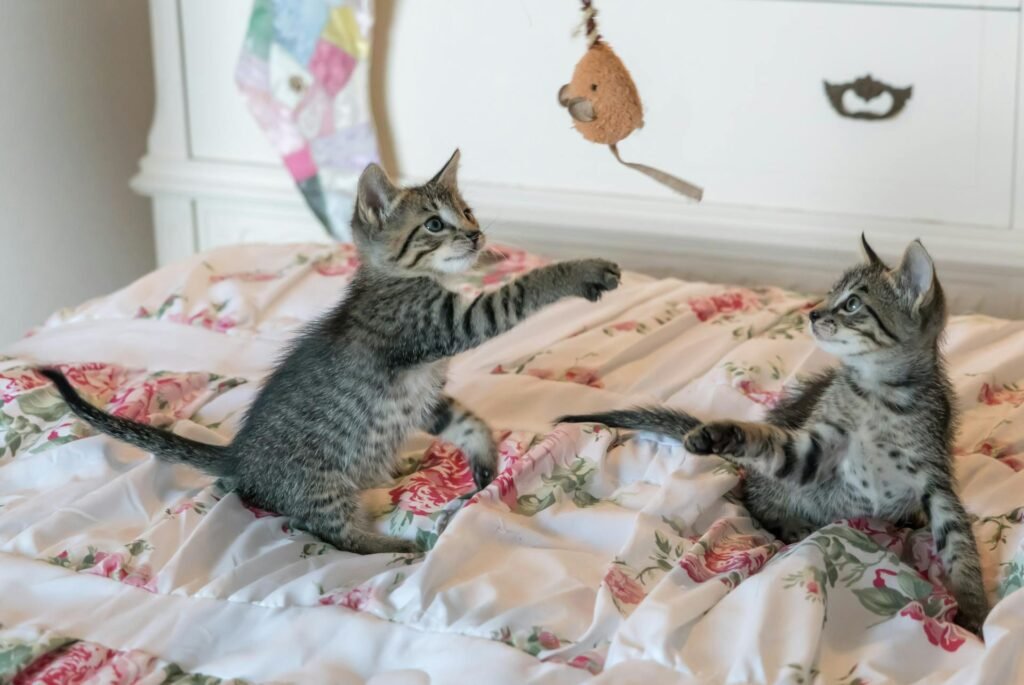
Feathered wand toys with Christmas themes typically feature long handles (around 20 inches) with colorful feather attachments that flutter and dance when moved. Sets containing multiple wands mean you can switch between different attachments to maintain interest, and the organic catnip often added to these toys makes them doubly appealing. The combination of visual movement and scent creates a multi-sensory experience that even the most dignified cat struggles to resist.
Structure wand sessions in three phases:
- Stalk phase. Slow ground-level movement with intermittent pauses.
- Chase phase. Increase speed with unpredictable directional changes.
- Capture phase. Allow a successful grab followed by a brief tug to simulate prey resistance.
End the session with a small food reward. This mirrors the natural hunt-eat cycle and improves post-play relaxation.
Quality matters significantly with wand toys. Look for sturdy construction with securely attached feathers and strings. Cheaply made versions fall apart quickly, creating potential safety hazards if cats ingest loose parts. The investment in durable options pays dividends through months of reliable entertainment. Store these toys safely when not in use, dangling strings can tempt cats into unsupervised play that might lead to tangled situations.
Tunnels and Hiding Spaces for Adventurous Spirits
Cats love enclosed spaces almost as much as they love knocking things off counters. Christmas-themed tunnels satisfy this natural preference while adding festive flair to your home decor. These collapsible play spaces provide hideouts, ambush points, and cozy retreats all wrapped in holiday colors.
The beauty of tunnel toys lies in their versatility. Cats chase each other through them, hide inside while stalking toys, and sometimes just curl up for peaceful naps away from household activity. During busy holiday gatherings when your home fills with unfamiliar voices and sounds, these tunnels become safe retreats where cats can observe from security. It’s like giving them their own little holiday hideaway.
Storage couldn’t be simpler with modern collapsible designs. When you need to reclaim floor space, these tunnels fold down into compact discs that slip easily into closets or under beds. This practical aspect makes them ideal for smaller homes or apartments where space comes at a premium. You can set them up when company comes over (cats need entertainment too!), then store them away when you need the room for other activities.
Choosing the Right Toys for Different Cat Personalities
Your cat’s individual temperament should heavily influence your Christmas toy selections. The dignified senior who occasionally acknowledges toys exists has vastly different needs than the chaotic kitten who attacks absolutely everything with vengeful enthusiasm.
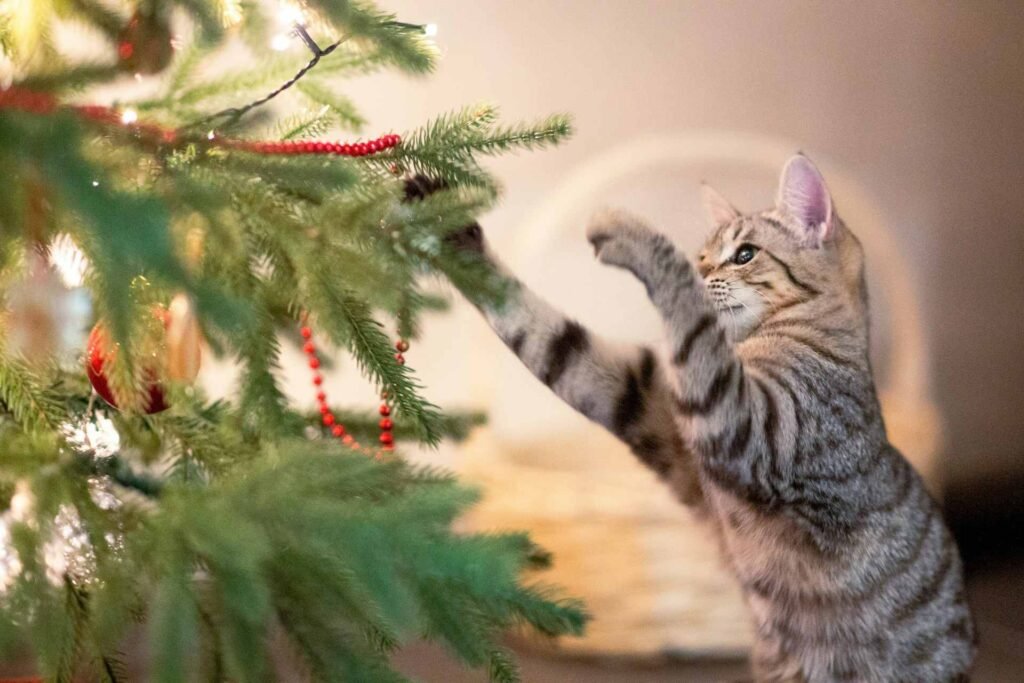
High-energy cats and kittens thrive with options that provide vigorous activity. Electronic moving toys, wand toys for interactive sessions, and multiple catnip-filled plushies to carry around satisfy their need for constant stimulation. These felines benefit from toy rotation, keeping several options in reserve and swapping them out weekly maintains novelty. What’s old becomes new again when it’s been hidden away for a while.
Laid-back or senior cats often prefer gentler entertainment. Soft plush toys they can cuddle, smaller items they can bat around without much effort, and stationary toys they can investigate at their own pace work well. Don’t assume older cats won’t play, many simply need appropriately paced activities. A slow-moving electronic toy on the lowest setting might intrigue a senior cat who finds fast movements overwhelming.
Shy or anxious cats particularly benefit from toys during the holiday chaos. Tunnels provide safe retreats, catnip toys offer calming effects, and solo electronic options let them play without direct human interaction when they’re feeling overwhelmed. These cats might not immediately pounce on new toys, but leaving options available throughout the house lets them explore on their own terms. Patience pays off when you eventually catch them sneaking play sessions in quiet moments.
Multiple cat households face unique challenges. Providing enough toys to prevent resource guarding becomes essential, as does choosing durable options that withstand multiple users. Sets with several identical or similar toys help reduce competition, and having play areas in different rooms gives each cat space to enjoy their toys independently. Watch for signs of toy possessiveness and intervene if one cat consistently monopolizes favorites.
Making Toys Last Beyond the Holiday Season
Smart cat owners maximize their investment by choosing Christmas cat toys that provide year-round entertainment. While holiday themes add festive fun, functionality matters more than seasonal aesthetics for long-term value.
Rotate toys regularly to maintain interest. Even the most exciting toy loses appeal when constantly available. Store half your cat’s toys and swap them monthly. This rotation strategy makes old toys feel new again and prevents the boredom that leads cats to destructive behaviors like scratching inappropriate surfaces.
Clean toys periodically to remove accumulated fur, dirt, and saliva. Most plush toys handle gentle machine washing in mesh laundry bags, though always check manufacturer guidelines first. Electronic toys typically require only damp cloth wiping for the exterior. Clean toys smell fresher and feel more appealing to cats, encouraging continued use.
Refresh catnip toys when they lose potency. The aromatic compounds in catnip naturally degrade with exposure to air and handling. Storing toys in sealed bags between uses extends their effectiveness. Some toys allow you to add fresh catnip through openable pouches, making them essentially permanent investments that just need occasional refills.
Repurpose holiday toys creatively. That Christmas tunnel becomes a summer hideaway. The festive wand toy works year-round if you focus on the feather action rather than the seasonal decorations. Train yourself (and your cat) to appreciate toys for their function rather than their holiday branding. Your cat certainly doesn’t care that it’s June when they’re attacking that reindeer toy.
Replace worn toys promptly before they become safety hazards. When stuffing begins emerging, seams split, or electronic components stop functioning reliably, it’s time for retirement. Continuing to use damaged toys risks accidental ingestion or injury. Consider the replacement not as a loss but as an opportunity to introduce new options that bring fresh excitement.
Common Christmas Cat Toy Questions
The most successful Christmas cat toys combine three elements: sensory appeal (textures, sounds, scents), movement potential (whether moved by the cat or electronically), and safety. Catnip-filled plush toys work wonderfully for most cats, offering both comfort and stimulation. Interactive options like feather wands create bonding opportunities during family gatherings, while electronic toys provide entertainment when you’re busy with holiday preparations. Consider your cat’s age, energy level, and preferences when selecting. Kittens generally appreciate anything that moves erratically, while senior cats might prefer gentler, softer options they can bat around without intense activity. Multi-pack sets give you variety to determine what your specific cat enjoys most.
Catnip sensitivity is genetic, affecting roughly 70% of cats. If you’ve never tested your cat’s response, offer a small amount of loose catnip first. Sensitive cats typically sniff, lick, rub against, and roll in catnip with obvious enthusiasm. This reaction lasts 5-15 minutes before they lose interest temporarily. Kittens under six months usually don’t respond to catnip yet, their sensitivity develops with maturity. If your cat shows zero interest, try silvervine instead, as some cats respond to that alternative. Non-responsive cats can still enjoy catnip toys for their texture and design, even without the euphoric effects. The toys themselves remain perfectly functional regardless of your cat’s sensitivity level.
Most quality electronic cat toys include safety features like automatic shutoffs and durable, pet-safe construction that make them appropriate for unsupervised use. However, initial supervision is always wise. Watch how your cat interacts with new electronic toys, do they try to chew cords, access battery compartments, or play too roughly? For toys with moving parts, ensure nothing can trap paws, tails, or whiskers. Rechargeable models eliminate battery compartment concerns. Start with supervised sessions, then gradually allow unsupervised access once you’re confident the toy is safe. Store any toy showing wear or damage until you can replace it. Electronic toys with motion sensors that activate when touched work particularly well for solo play since they conserve power when your cat isn’t actively engaging.
Toy rotation maintains novelty and prevents boredom without constantly purchasing new items. A good baseline is rotating every 1-2 weeks for high-energy cats and every 2-3 weeks for more laid-back personalities. Keep 3-5 toys accessible while storing the rest. This limited selection helps cats focus attention rather than feeling overwhelmed by choices. The exception? Absolute favorite toys that see daily use can remain in constant rotation. When bringing back stored toys, your cat will often treat them with renewed interest. This rotation strategy also lets you assess which toys actually get used versus which ones just take up space. Adjust frequency based on observation, if your cat seems bored before rotation day, shorten the cycle.
Skip toys with small, detachable parts that could become choking hazards, this includes loosely attached bells, button eyes, or decorative elements that pull off easily. Avoid anything with long strings, ribbons, or tinsel that cats might ingest, potentially causing intestinal blockages. Toys made with toxic materials, cheap dyes, or unknown substances should stay on store shelves. Be cautious with toys featuring sharp edges, splinterable materials, or hard surfaces that could damage teeth. Holiday decorations masquerading as toys, like ornament balls not designed for pet play, pose risks. Painted toys might chip or flake, creating ingestion hazards. When in doubt, check reviews from other cat owners and look for products clearly labeled as pet-safe. Your cat’s enthusiastic play shouldn’t come with safety concerns.
Resource abundance prevents most toy-related conflicts. Purchase multiple identical toys or sets with several similar items so each cat can claim favorites. Create separate play areas in different rooms, giving each cat space to enjoy toys independently. Supervise initial introductions of highly desirable toys, redirecting possessive behavior with treats or interactive play. Some cats respond well to having “personal” toys kept in their preferred spaces. Establish multiple feeding and play stations to reduce competition overall, cats who feel secure about resources generally share more peacefully. If serious fights erupt over specific toys, remove those items temporarily and reintroduce them gradually. Watch for signs that one cat consistently monopolizes toys, which might indicate behavioral concerns requiring attention. Most multi-cat households naturally work out toy-sharing dynamics, but intervention helps when tensions rise.
Wrapping Up Your Cat’s Perfect Holiday
The best Christmas cat toy is not the most festive. It is the one that reliably activates the hunt sequence and holds attention beyond the first week. Evaluate toys based on durability, movement realism, sensory engagement, and safety engineering.
Observe how your cat plays. Adjust accordingly. Rotate strategically. Remove low-performing toys without hesitation. Enrichment is about precision. When you choose with intention, holiday toys become long-term behavioral tools rather than seasonal novelties.
Looking for more? Explore our Cat Toys section for more posts like this, visit the Blog for fun and insightful reads, or browse our full Cat Category for everything feline-related, from care to comfort.
Disclaimer: This article is for informational purposes only and does not substitute for professional veterinary advice. Always consult your veterinarian for diagnosis and treatment tailored to your cat’s individual needs. Please verify current product information directly on the retailer’s site before purchasing.
References
- Delgado, M., & Hecht, J. (2019). A review of the development and functions of cat play, with future research considerations. Applied Animal Behaviour Science, 214, 1–17. https://doi.org/10.1016/j.applanim.2019.03.004
- Ellis SLH, Rodan I, Carney HC, et al. AAFP and ISFM Feline Environmental Needs Guidelines. Journal of Feline Medicine and Surgery. 2013;15(3):219-230. https://doi.org/10.1177/1098612X13477537
- Henning J, Nielsen T, Fernandez E, Hazel S. Cats just want to have fun: Associations between play and welfare in domestic cats. Anim Welf. 2023 Jan 27;32:e9. https://doi.org/10.1017/awf.2023.2
- Katsnelson, A (2018). Synthetic secrets of catnip compound revealed. https://cen.acs.org/biological-chemistry/natural-products/Synthetic-secrets-catnip-compound-revealed/96/web/2018/12
Check out our most recent articles!
- Can Cats Eat Green Peas? Safe, Healthy, or Just a Skip?
 A pea rolling across the kitchen floor is basically a free cat toy and a snack in one. But before it becomes a habit, here’s what you should know about what those little green things actually do for (or to) your cat.
 - Are Spray Bottles Bad for Cats? Reasons & AlternativesA spray bottle might stop your cat’s counter-surfing today, but it’s teaching them something much more troubling: that you’re unpredictable and potentially dangerous. Discover what really happens when you spray your cat and the alternatives that actually create lasting change.
- How Are Cats so Flexible? Your Cat’s Anatomy ExplainedBetween their 53 vertebrae, muscular shoulders connected only by soft tissue, and elastic joints, cats possess anatomical superpowers that blur the line between solid and liquid, letting them navigate spaces you’d swear were too small.
- Do Cats Copy Their Owners Voice, Personality and Actions?The independent cat stereotype is crumbling. Science reveals that cats engage in intentional mimicry, learning from their owners and adapting their personalities to match the humans they live with.
- Are Newborn Cats Born With Teeth? Everything About Kitten Dental GrowthEver wondered what’s happening inside a newborn kitten’s mouth? The answer might surprise you. Discover the complete timeline of feline dental development and learn what to expect as your kitten grows from gummy grins to a full set of adult teeth.
- Keeping Your Indoor Cat Warm in Winter: The Complete GuideEven indoor cats feel the winter chill more than you might think. Cold floors, dry air, and sneaky drafts can leave your feline less comfortable than they should be. Discover the simple adjustments that make all the difference in helping your cat stay genuinely cozy through the coldest months.
- Should You Look Your Cat in the Eyes? Is Staring Really Aggressive?Your cat’s eyes tell a story you’ve been misreading. While prolonged staring means one thing in human communication, cats interpret it completely differently. Discover why that loving gaze might actually be stressing out your feline friend and what to do instead.
- Choosing the Best Blanket for Your Cat: A Blanket Buyer’s GuideFinding the best blanket for your cat means considering more than just softness. Temperature regulation, durability, washability, and even behavioral quirks all play a role in choosing the perfect cozy spot for your feline friend. Discover which blanket types match your cat’s lifestyle.
- How to Get Your Kitten to Eat More: Simple Solutions for Picky EatersWatching your tiny kitten turn up their nose at perfectly good food can be heart-wrenching. This comprehensive guide reveals why kittens become picky eaters and shares practical solutions that transform mealtime battles into successful feeding routines.
- Can Cats Eat Fried Rice? Why This Takeout Favorite Is a No-GoThat irresistible takeout aroma might have your cat begging, but fried rice contains ingredients that can harm felines. Discover why even small amounts aren’t worth the risk and what treats truly suit your cat’s carnivorous nature.
- Why Do Cats Vibrate Their Tail? From Happy to HuntingYour cat’s vibrating tail is like a mood ring with fur. Whether they’re thrilled to see you or preparing to mark territory, decoding these rapid shakes reveals what’s really going on in their mind.
- Is Asparagus Bad for Cats? Risks, Benefits, and AlternativesYour cat’s eyeing your asparagus dinner, but should they have any? While this green veggie isn’t toxic to cats, there are surprising reasons why it’s not the treat you might think it is.
- How Cats Express Sadness: Reading Your Feline’s Emotional LanguageCats don’t cry emotional tears or mope around like dogs, but they absolutely experience sadness. The trick is learning to read their subtle language, the withdrawn behavior, the changed routines, the slight shifts in body posture that reveal their inner emotional world.
- Can Cats and Rabbits Live Together? Multi-Species Harmony GuideCats are predators, rabbits are prey, but that doesn’t mean they can’t coexist peacefully. Success comes down to understanding each animal’s instincts, respecting their boundaries, and taking introductions at the right pace.
- Are Space Heaters Safe for Cats? Keeping Your Cat CozySpace heaters can provide cozy warmth for your cat, but only when chosen and positioned with feline safety in mind. Discover which features protect against burns, fires, and electrical hazards.















Written by Jazzlyn T. Mearkle (Lifestyle and Creative Writer)
Last reviewed and edited on 16.02.2026