
There’s something magical about watching your feline friend knead a soft blanket before curling up for an afternoon nap. Cats spend nearly two-thirds of their lives sleeping, and providing them with the right blanket can transform their rest time from good to absolutely purr-fect. Whether you’re looking for the best cat blanket to keep your kitty cozy during winter months or searching for options that can handle the rigors of outdoor adventures, choosing the right fabric and style makes all the difference.
Your cat deserves more than just any old throw you have lying around. The right blanket can provide warmth, security, and comfort while also serving practical purposes like protecting your furniture from claws and fur. From plush fleece throws to breathable cotton weaves, the variety of options available today means there’s a perfect match for every cat’s personality and every owner’s needs.
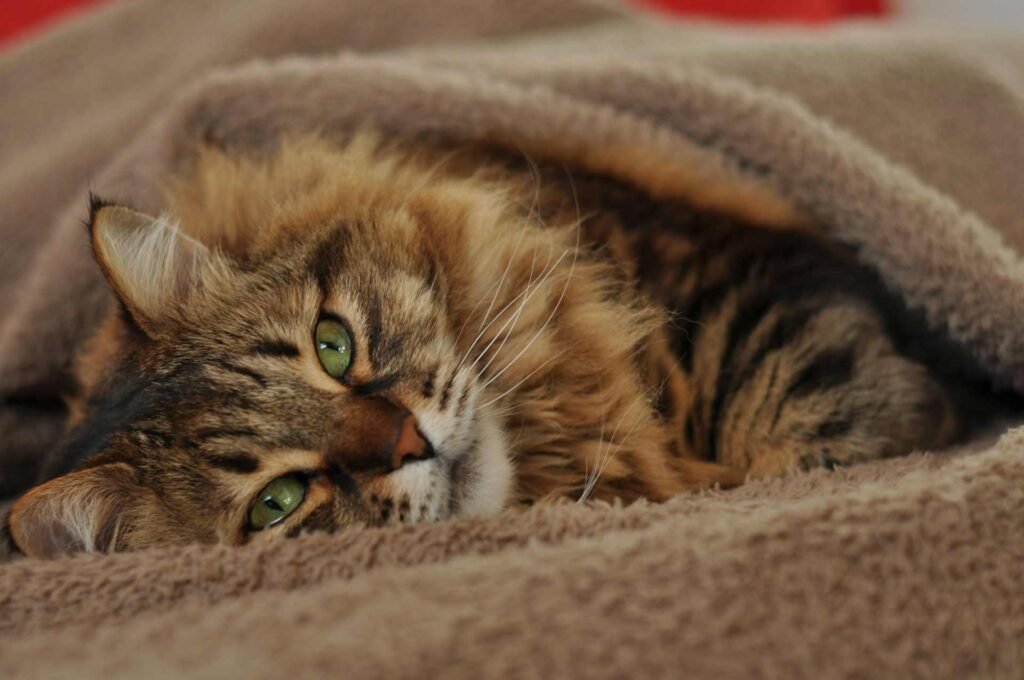
Why Your Cat Needs Their Own Blanket
When you provide a designated blanket, you’re not just offering a cozy spot but creating a safe haven that smells like them. This becomes their territory, a place where they can relax without worry. Many felines instinctively seek out soft textures that remind them of their mother’s fur from kittenhood, which explains why they often display kneading behavior on plush materials.
Beyond the emotional benefits, cat-specific blankets serve important practical functions. They help contain shedding to one area rather than spreading across all your furniture. Cat sleeping positions can tell you a lot about their comfort level, and when cats feel secure on their own blanket, they’re more likely to sprawl out in those adorable, fully-relaxed poses that indicate true contentment.
For cats who tend to get anxious or stressed, having their own blanket can provide a calming effect. The familiar scent and texture offer reassurance during stressful situations like vet visits, car rides, or when guests visit. Many pet parents find that investing in a quality calming blanket designed specifically for cats can help soothe nervous pets and reduce anxiety-related behaviors.
In feline behavior work, a “preferred blanket” functions less as comfort padding and more as a mobile scent anchor. Cats deposit facial pheromones when kneading or resting, effectively marking the fabric as familiar territory. In multi-room homes or during disruptions like guests, renovations, travel, this scent continuity measurably reduces vigilance behaviors such as hyper-alert sleeping or repeated location changes.
In practice, I’ve seen anxious cats settle faster in new environments when their own unwashed blanket is introduced before food or toys, often choosing it within minutes while ignoring identical but “unscented” alternatives.
The Different Blanket Materials
The material you choose impacts everything from warmth and durability to how much fur sticks to the surface. Let’s break down the most popular options and what makes each one special.
Fleece and Sherpa
Fleece blankets reign supreme in the cat blanket world, and for good reason. This synthetic material provides exceptional warmth without excessive weight, making it perfect for cats who love to burrow. The soft texture appeals to most felines, encouraging them to knead and nuzzle. Sherpa fleece, with its plush, wool-like texture on one side, takes comfort to another level and many cats gravitate toward it instantly.
From a durability standpoint, fleece performs well because its synthetic fibers resist breakage under repetitive kneading cycles, a motion that concentrates stress at a single point far more than normal human use. These blankets hold up well to repeated washing cycles, which you’ll appreciate when dealing with the inevitable fur accumulation. Look for double-sided fleece options or those with a sherpa lining if you want maximum coziness. Microfiber fleece varieties offer similar benefits with an even silkier touch that some cats find irresistible.
Cats prefer fleece with a medium pile height (roughly 5–8 mm). Shorter piles reduce kneading feedback, while very long piles can trigger chewing or wool-sucking in susceptible cats.
Cotton and Breathable Weaves
Cotton blankets shine during warmer months or for cats who run hot. The natural fiber allows air circulation, preventing overheating while still providing a comfortable surface. Muslin and gauze weaves are particularly breathable, making them excellent choices for summer lounging or for breeds with thick coats. These lightweight options work wonderfully for cats who prefer sleeping in sunny spots where additional warmth might be too much.
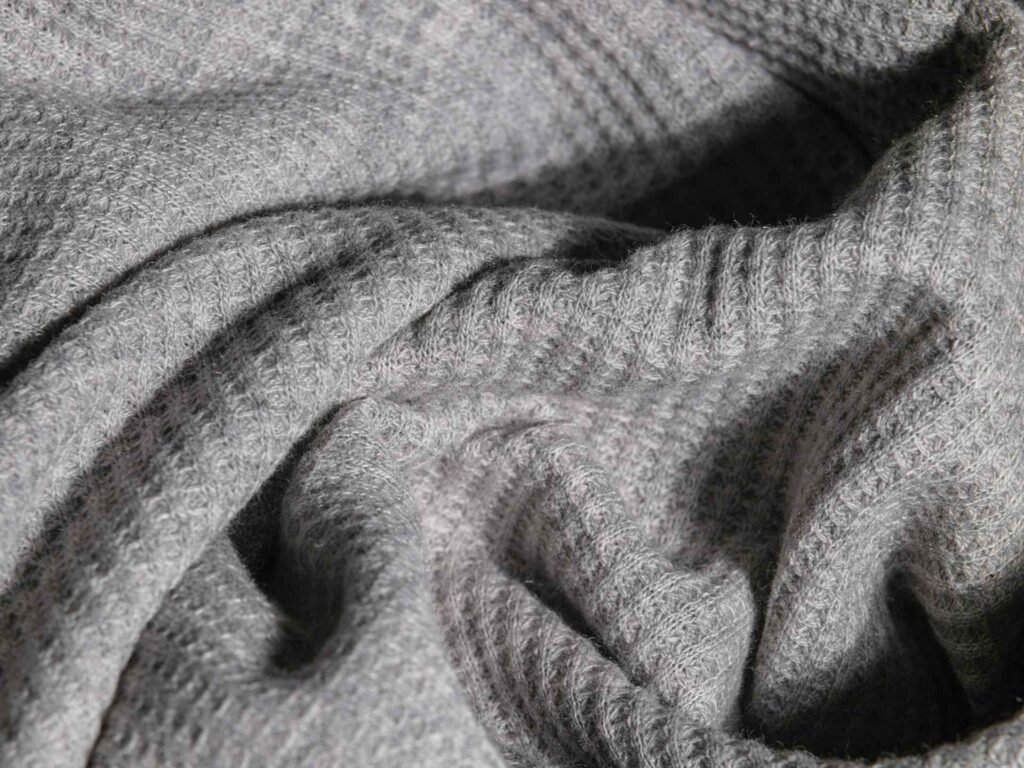
Jersey knit cotton offers a middle ground between plush warmth and breathability. This stretchy, t-shirt-like material drapes nicely and resists wrinkles, maintaining a neat appearance even after your cat has thoroughly rearranged it. Cotton blankets also tend to be more hypoallergenic than synthetic options, which can benefit both cats and humans with sensitivities.
Waterproof and Protective Options
For kittens still learning litter box habits or senior cats who might have occasional accidents, waterproof blankets become essential. These typically feature a soft top layer bonded to a waterproof backing, protecting your furniture from moisture while remaining comfortable for your cat. The best waterproof cat blankets manage to stay soft and quiet rather than creating that crinkly plastic sound that can startle nervous felines.
Look for waterproof options with a fleece or quilted top surface for the best combination of protection and comfort. Machine-washable waterproof blankets make cleanup a breeze, though they may require gentler wash cycles to maintain the integrity of the waterproof barrier. These protective blankets also work wonderfully for travel situations, ensuring your car seats or hotel furniture stay clean.
Related article: 9 Critical Mistakes Cat Owners Make When Traveling
Weighted and Calming Blankets
In feline terms, a “calming blanket” should apply distributed pressure below the cat’s resting body weight, not exceed it. The concept of weighted blankets has expanded from human use to our feline friends, though cat-specific versions require careful consideration. A proper weighted blanket for cats should be significantly lighter than those designed for humans, with the weight distributed evenly to provide gentle pressure without restricting movement. This pressure can help anxious cats feel more secure, similar to how swaddling calms babies.
Some calming blankets incorporate other soothing elements like embedded pheromone pockets or special fabrics designed to reduce static electricity, which some cats find disturbing. Others feature self-warming technology that reflects your cat’s body heat back to them, creating a cozy microclimate without requiring electricity. When selecting a weighted or calming option, ensure your cat can easily move out from under it if they choose to do so.
In consultations, I’ve seen improperly weighted blankets increase avoidance behaviors rather than reduce anxiety, particularly in cats with pain or mobility issues. If a cat freezes instead of repositioning, the blanket is too restrictive.
Size Matters: Choosing the Right Dimensions
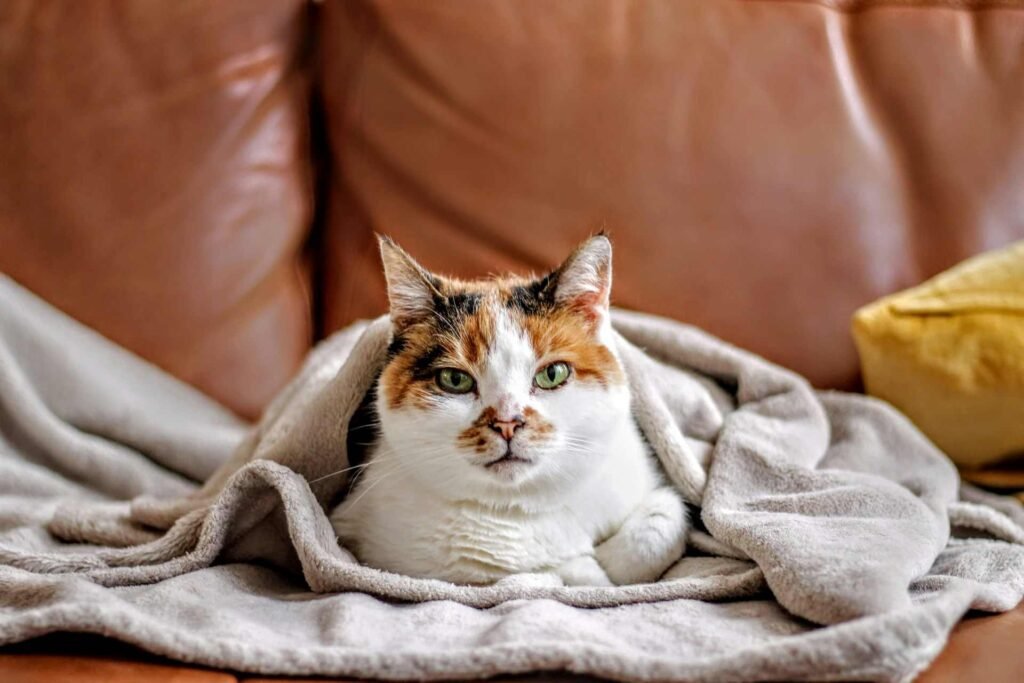
The ideal blanket size depends on how and where your cat likes to sleep. Small blankets measuring around 20 by 30 inches work perfectly for cats who curl up tightly or for placing inside cat beds. These compact options are easy to wash, quick to dry, and portable enough to move between favorite sleeping spots throughout the day.
Medium blankets ranging from 30 by 40 inches to 40 by 50 inches offer versatility. They’re large enough to cover a section of your couch or bed, protecting furniture while giving your cat room to stretch out. Cats who alternate between curled and sprawled positions often appreciate this extra space. These sizes also work well when you want to create a cozy corner in multiple rooms without purchasing numerous blankets.
Larger throw-sized blankets (50 by 60 inches or bigger) make sense for households with multiple cats who enjoy sleeping together or for particularly large breeds. Strategic furniture placement combined with appropriately sized blankets can help define cat-friendly zones in your home. Oversized blankets also double as effective furniture protectors when draped over your favorite chair or bedspread.
Special Considerations for Different Life Stages
Best Blankets for Kittens
Kittens have unique needs when it comes to blankets. These tiny bundles of energy lose body heat more quickly than adult cats, making warmth a priority. Opt for soft, plush materials that mimic the feel of their mother’s fur. Fleece blankets work beautifully, but avoid anything with loose threads or decorative elements that curious kittens might chew and swallow.
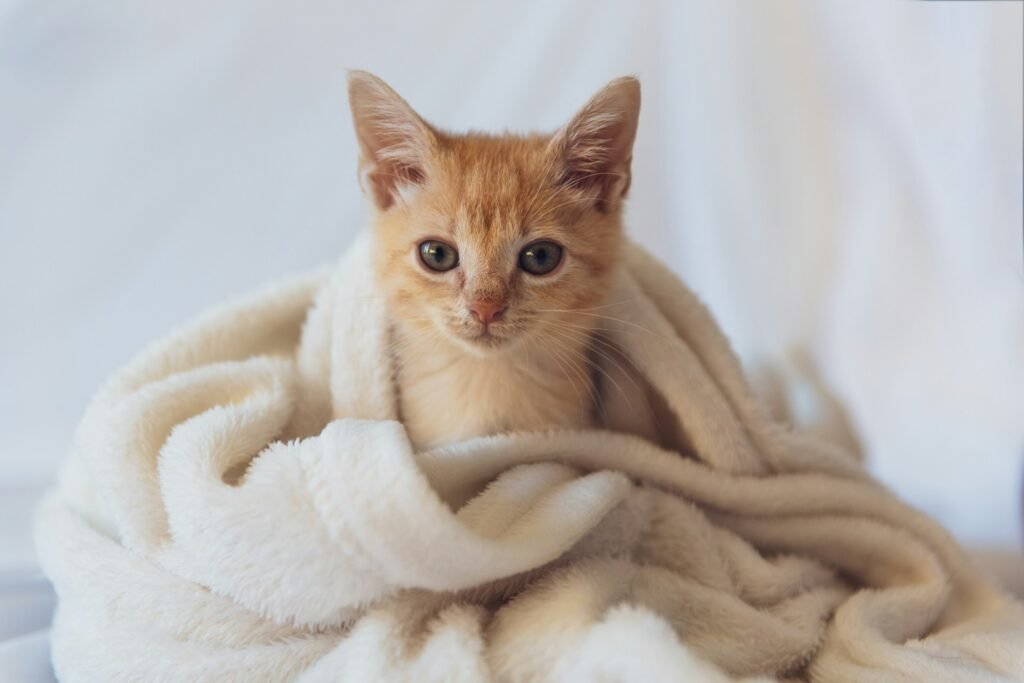
Since kittens are still mastering their bathroom habits, choosing machine-washable options is non-negotiable. Waterproof-backed blankets can save you from multiple furniture cleanings during those early weeks. Smaller sizes are often better for kittens, as oversized blankets can overwhelm them or create unsafe situations where they could become tangled.
Senior Cat Comfort
Older cats often develop arthritis and other joint issues that make extra cushioning important. Thicker, quilted blankets provide additional padding that can ease pressure on sore joints. Self-warming blankets or those designed to retain heat work wonderfully for senior cats, as their ability to regulate body temperature may decline with age.
The texture becomes particularly important for aging felines. Extremely soft materials make it easier for cats with reduced mobility to settle in comfortably without struggling against stiff fabrics. Consider blankets with a bit of grip on the bottom to prevent sliding, especially if your senior cat has mobility challenges. Easy-care materials that withstand frequent washing are also valuable, as older cats may have occasional accidents or digestive issues.
Outdoor and Adventure Cats
Cats who spend time outdoors or in unheated spaces require blankets built for tougher conditions. Durability becomes paramount, as outdoor blankets face exposure to dirt, moisture, and rougher surfaces. Water-resistant materials help prevent dampness from compromising warmth, while heavy-duty construction withstands more wear and tear than indoor-only options.
For outdoor shelters or feeding stations, choose blankets that dry quickly and resist mildew. Synthetic fleeces excel in these applications because they maintain warmth even when slightly damp. Avoid cotton for outdoor use, as it absorbs moisture and takes longer to dry. Multiple layers of moderate-weight fleece often work better than a single thick blanket, as they trap insulating air pockets while remaining easier to clean and replace.
Dark colors hide dirt better for outdoor blankets, though you’ll still want to wash them regularly to prevent odor buildup. Some outdoor-focused blankets feature reinforced edges or special treatments that resist fraying and tearing. If you’re setting up a winter shelter for feral or community cats, having several blankets on rotation means you can swap out soiled ones while others are being laundered.
Practical Features That Make Life Easier
The best cat blankets combine comfort with practical features that make your life simpler. Machine washability tops the list of must-haves, but dig deeper into care instructions. Some blankets require cold water only or air drying, which may not fit your lifestyle. Blankets that can handle hot water and tumble drying on high heat offer the most convenience, especially for homes with multiple cats or those dealing with fleas.
Anti-static properties prevent that annoying phenomenon where fur seems magnetically attracted to the fabric. While no blanket is completely fur-proof, materials treated to reduce static cling make cleanup significantly easier. Speaking of cleanup, having pet-friendly cleaning routines extends to blankets too, and quick-drying fabrics let you wash them more frequently without running out of clean options.
Edge binding or hemmed edges prevent fraying and extend blanket lifespan. Cats love to knead, and those sharp claws can pull at loose threads, creating unsightly damage over time. Double-stitched seams hold up better than single stitching, especially if your cat is particularly vigorous with their biscuit-making. Non-slip backing is another feature worth seeking out, particularly for blankets you’ll place on smooth surfaces like leather furniture or hardwood floors.
Quick Comparison: Blanket Types at a Glance
To help you narrow down your options, this comparison highlights the strengths of each blanket type and which situations they suit best.
| Material Type | Best For | Key Benefits | Watch Out For |
|---|---|---|---|
| Fleece/Sherpa | Year-round use, cats who love warmth | Durability, warmth, machine washable | Can be too warm in summer |
| Cotton Weave | Warm weather, cats who overheat easily | Breathable, hypoallergenic, natural fiber | Less warmth retention |
| Waterproof | Kittens, seniors, travel | Protects furniture, easy cleanup | May feel less soft, some crinkle |
| Weighted/Calming | Anxious cats, stressful situations | Reduces anxiety, promotes security | Must allow easy escape, proper weight crucial |
| Outdoor-Grade | Outdoor cats, shelters, unheated spaces | Weather-resistant, extra durable | Needs frequent washing, shows dirt |
Color and Pattern Considerations
While your cat couldn’t care less whether their blanket matches your decor, color choices impact your daily life more than you might expect. Lighter colors show dirt and fur more readily, requiring more frequent washing to maintain a fresh appearance. However, they also make it easier to spot potential health issues like blood or unusual discharge that might otherwise go unnoticed on darker fabrics.
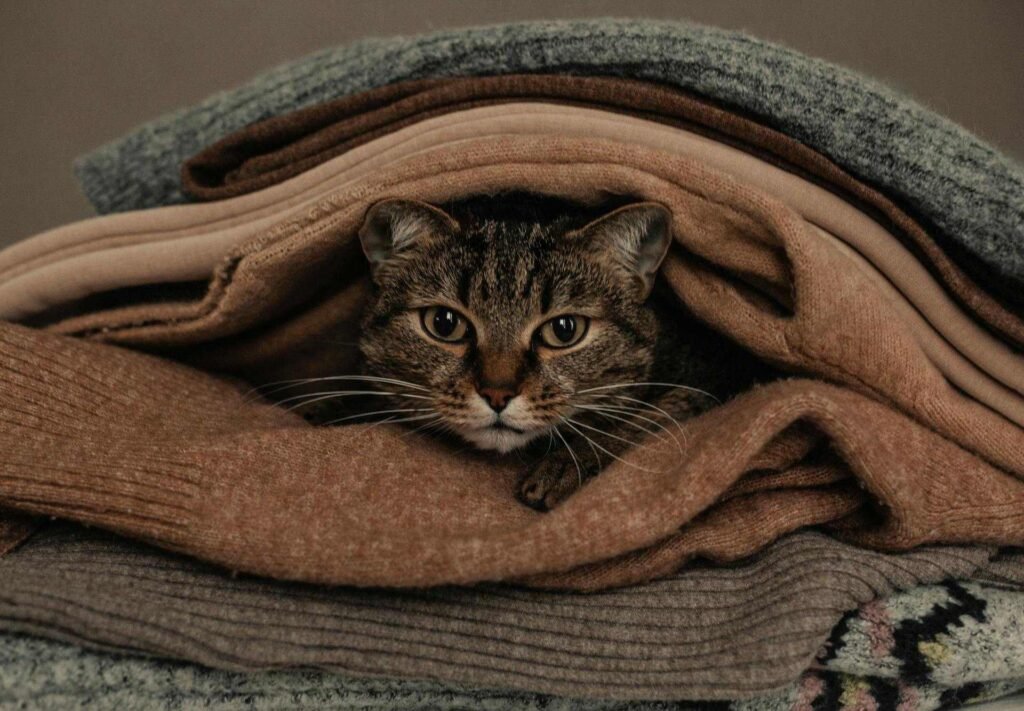
Medium tones and patterns strike a balance between hiding everyday mess and maintaining a clean look. Heathered or mottled patterns camouflage fur particularly well, especially if you choose colors that somewhat match your cat’s coat. That doesn’t mean you need a white blanket for a white cat, but complementary colors reduce the visual impact of shedding between washes.
Dark colors hide stains effectively but showcase every bit of light-colored fur. If you have a long-haired white or cream-colored cat, dark blankets might frustrate you unless you’re committed to regular lint rolling. Some pet blankets feature reversible designs with one light side and one dark side, letting you flip based on your current tolerance for visible fur.
Addressing Common Behavioral Quirks
Does your cat have a habit of pulling blankets off furniture or dragging them to unexpected places? This behavior often stems from their desire to create the perfect nest. This behavior intensifies when cats feel a lack of environmental control, which is why blanket dragging often increases after household changes rather than randomly. Heavier blankets are harder for cats to relocate, though you don’t want something so heavy it frustrates them. Securing corners with furniture grippers or choosing blankets with non-slip backing can help keep them in place.
Some cats hide under blankets when they’re feeling stressed or simply want privacy. Providing a designated blanket fort or draping a blanket over part of their cat bed creates a cozy hideaway that satisfies this instinct. Breathable materials work best for these enclosed spaces, preventing overheating while maintaining the security cats crave.
For cats who obsessively suck or chew on blankets, texture matters enormously. Clinically, wool sucking is most strongly associated with early weaning and Oriental breeds, but texture, not nostalgia, is the primary trigger. Fabrics that compress under saliva (fleece, chenille) reinforce the behavior, while tightly woven cotton often extinguishes it.
Maintaining Your Cat’s Blankets
Proper care extends the life of your cat blankets while keeping them fresh and hygienic. Most cat blankets benefit from washing every one to two weeks, though you might need to increase frequency during heavy shedding seasons or if your cat spends time outdoors. Before washing, shake blankets outside or run them through a no-heat dryer cycle to remove loose fur, which prevents your washing machine from becoming a fur repository.
Use pet-safe, fragrance-free detergent when possible, as strong scents can deter cats from using their blankets. Avoid fabric softeners on fleece blankets, as they can reduce the material’s softness over time and potentially irritate sensitive skin. Hot-water washing (≥60°C / 140°F) significantly reduces environmental parasites and dust mites, which is particularly relevant for cats with allergies or compromised immune systems, but check care labels first to prevent shrinkage or damage.
For waterproof blankets, gentler washing cycles preserve the protective barrier longer. Air drying or low-heat tumble drying prevents the waterproof backing from degrading. Having multiple blankets in rotation means you can wash them thoroughly without leaving your cat blanket-less, and it distributes wear across several items rather than running one into the ground.
Spot cleaning between full washes tackles small messes before they set in. Keep pet-safe enzyme cleaners on hand for biological accidents, as these break down odor-causing compounds more effectively than regular cleaners. If your cat has marked their blanket, thorough cleaning with enzymatic products prevents repeat behavior by eliminating the scent markers that signal “bathroom here.”
Frequently Asked Questions
Having three to four blankets per cat is ideal. This allows for rotation while laundering and ensures your cat always has a clean, fresh option available. Consider one for their primary sleeping area, one spare for washing day, and perhaps a travel blanket for vet visits or car trips. Multiple cats don’t necessarily need separate blankets unless they show territorial behavior.
Absolutely, many cats love claiming human blankets as their own. The main considerations are washability and safety. Avoid blankets with loose threads, tassels, or decorative elements that cats might chew and swallow. Ensure the material can withstand frequent washing at temperatures high enough to kill bacteria and parasites. Heavy throws might be too cumbersome for smaller cats to arrange to their liking.
Cats can be particular about textures and locations. Try placing the blanket in different spots, particularly sunny areas or elevated surfaces that cats naturally prefer. You might also rub the blanket on your cat gently to transfer their scent, making it feel more familiar. Some cats need time to warm up to new items. If they consistently avoid it, the texture might not appeal to them, so experiment with different materials.
While not strictly necessary, seasonal rotation enhances comfort. Lightweight cotton or muslin blankets work better in warm months, while plush fleece or sherpa options provide needed warmth in winter. Many cat owners find layering works well, using a single cotton blanket in summer and adding a warmer layer underneath during colder months. Seasonal changes affect cat behavior, and appropriate bedding supports their natural rhythms.
Yes, blankets provide both physical and emotional comfort to anxious cats. The security of a familiar-smelling blanket reduces stress during travel, vet visits, or household changes. Specialized calming blankets with gentle weight or incorporated pheromones can further reduce anxiety symptoms. Creating a consistent blanket routine, where the cat associates their special blanket with safety and comfort, reinforces these positive effects over time.
Blanket sucking often indicates early weaning or stress. While generally harmless, excessive sucking can damage blankets or cause digestive issues if they swallow fibers. Try switching to a different texture less appealing for sucking, or provide an appropriate alternative like a safe toy. Ensure your cat gets adequate mental stimulation throughout the day, as boredom can intensify the behavior. If it persists or worsens, consult your vet to rule out underlying anxiety or health issues.
Conclusion
Finding the best blanket for your cat might seem like a small decision, but it can make a world of difference in their daily comfort and your home’s cleanliness. Whether you opt for a plush fleece throw that becomes your kitty’s kneading paradise, a practical waterproof option that saves your furniture, or a specialized calming blanket for an anxious feline, the right choice supports your cat’s wellbeing while fitting seamlessly into your lifestyle.
Remember that cats are individuals with unique preferences. What works perfectly for your neighbor’s tabby might not appeal to your particular princess or prince. Don’t be afraid to experiment with different materials, sizes, and styles until you discover what makes your cat purr with contentment. Stock up on a few favorites, rotate them regularly, and wash them often to keep everything fresh.
Your cat spends so much of their life sleeping and lounging. Providing them with soft, safe, perfectly suited blankets is a simple way to enhance those peaceful moments. Plus, there’s nothing quite like coming home to find your furry friend blissfully snoozing on their favorite blanket, having clearly spent the afternoon perfecting their nap game. That image alone makes every bit of research, washing, and blanket-shopping worth it. Sweet dreams to your whiskered companion, and may their blankets always be cozy, clean, and perfectly arranged according to their exacting feline standards.
Looking for more? Explore our Cat Accessories section for more posts like this, visit the Blog for fun and insightful reads, or browse our full Cat Category for everything feline-related, from care to comfort.
Disclaimer: This article is for informational purposes only and does not substitute for professional veterinary advice. Always consult your veterinarian for diagnosis and treatment tailored to your cat’s individual needs. Please verify current product information directly on the retailer’s site before purchasing.
References
- Herron ME, Buffington CA. Environmental enrichment for indoor cats. Compend Contin Educ Vet. 2010 Dec;32(12):E4. https://pubmed.ncbi.nlm.nih.gov/21882164/
- James Higgins (2023). The Best Bedding for Pet Hair. https://ethicalbedding.com/blogs/news/best-pet-hair-resistant-bedding
- Taylor S, St Denis K, Collins S, et al. 2022 ISFM/AAFP Cat Friendly Veterinary Environment Guidelines. Journal of Feline Medicine and Surgery. 2022;24(11):1133-1163. https://doi.org/10.1177/1098612X221128763
- Zazie Todd (2023). What are Cat Pheromones and What Do They Do? https://avsab.org/what-are-cat-pheromones-and-what-do-they-do/
- Is ‘wool sucking’ behavior inherited in cats? (2012). https://everycat.org/cat-health/is-wool-sucking-behavior-inherited-in-cats/
Check out our most recent articles!
- Can Cats Eat Green Peas? Safe, Healthy, or Just a Skip?
 A pea rolling across the kitchen floor is basically a free cat toy and a snack in one. But before it becomes a habit, here’s what you should know about what those little green things actually do for (or to) your cat.
 - Are Spray Bottles Bad for Cats? Reasons & AlternativesA spray bottle might stop your cat’s counter-surfing today, but it’s teaching them something much more troubling: that you’re unpredictable and potentially dangerous. Discover what really happens when you spray your cat and the alternatives that actually create lasting change.
- How Are Cats so Flexible? Your Cat’s Anatomy ExplainedBetween their 53 vertebrae, muscular shoulders connected only by soft tissue, and elastic joints, cats possess anatomical superpowers that blur the line between solid and liquid, letting them navigate spaces you’d swear were too small.
- Do Cats Copy Their Owners Voice, Personality and Actions?The independent cat stereotype is crumbling. Science reveals that cats engage in intentional mimicry, learning from their owners and adapting their personalities to match the humans they live with.
- Are Newborn Cats Born With Teeth? Everything About Kitten Dental GrowthEver wondered what’s happening inside a newborn kitten’s mouth? The answer might surprise you. Discover the complete timeline of feline dental development and learn what to expect as your kitten grows from gummy grins to a full set of adult teeth.
- Keeping Your Indoor Cat Warm in Winter: The Complete GuideEven indoor cats feel the winter chill more than you might think. Cold floors, dry air, and sneaky drafts can leave your feline less comfortable than they should be. Discover the simple adjustments that make all the difference in helping your cat stay genuinely cozy through the coldest months.
- Should You Look Your Cat in the Eyes? Is Staring Really Aggressive?Your cat’s eyes tell a story you’ve been misreading. While prolonged staring means one thing in human communication, cats interpret it completely differently. Discover why that loving gaze might actually be stressing out your feline friend and what to do instead.
- Choosing the Best Blanket for Your Cat: A Blanket Buyer’s GuideFinding the best blanket for your cat means considering more than just softness. Temperature regulation, durability, washability, and even behavioral quirks all play a role in choosing the perfect cozy spot for your feline friend. Discover which blanket types match your cat’s lifestyle.
- How to Get Your Kitten to Eat More: Simple Solutions for Picky EatersWatching your tiny kitten turn up their nose at perfectly good food can be heart-wrenching. This comprehensive guide reveals why kittens become picky eaters and shares practical solutions that transform mealtime battles into successful feeding routines.
- Can Cats Eat Fried Rice? Why This Takeout Favorite Is a No-GoThat irresistible takeout aroma might have your cat begging, but fried rice contains ingredients that can harm felines. Discover why even small amounts aren’t worth the risk and what treats truly suit your cat’s carnivorous nature.
- Why Do Cats Vibrate Their Tail? From Happy to HuntingYour cat’s vibrating tail is like a mood ring with fur. Whether they’re thrilled to see you or preparing to mark territory, decoding these rapid shakes reveals what’s really going on in their mind.
- Is Asparagus Bad for Cats? Risks, Benefits, and AlternativesYour cat’s eyeing your asparagus dinner, but should they have any? While this green veggie isn’t toxic to cats, there are surprising reasons why it’s not the treat you might think it is.
- How Cats Express Sadness: Reading Your Feline’s Emotional LanguageCats don’t cry emotional tears or mope around like dogs, but they absolutely experience sadness. The trick is learning to read their subtle language, the withdrawn behavior, the changed routines, the slight shifts in body posture that reveal their inner emotional world.
- Can Cats and Rabbits Live Together? Multi-Species Harmony GuideCats are predators, rabbits are prey, but that doesn’t mean they can’t coexist peacefully. Success comes down to understanding each animal’s instincts, respecting their boundaries, and taking introductions at the right pace.
- Are Space Heaters Safe for Cats? Keeping Your Cat CozySpace heaters can provide cozy warmth for your cat, but only when chosen and positioned with feline safety in mind. Discover which features protect against burns, fires, and electrical hazards.















Written by Solara Bergmeier (Technical Writer and Content Manger)
Last reviewed and edited on 10.02.2026