
A cat’s sleeping posture reflects thermoregulation strategy, musculoskeletal comfort, perceived environmental risk, and in some cases, early disease. After observing hundreds of household cats across different home environments, one pattern becomes clear: posture changes before owners notice appetite loss or behavioral withdrawal.
This guide breaks down common feline sleeping positions, what they signal physiologically and behaviorally, and how to distinguish normal variation from subtle warning signs. If you know what to look for, sleep posture becomes a practical assessment tool, not just a charming habit.
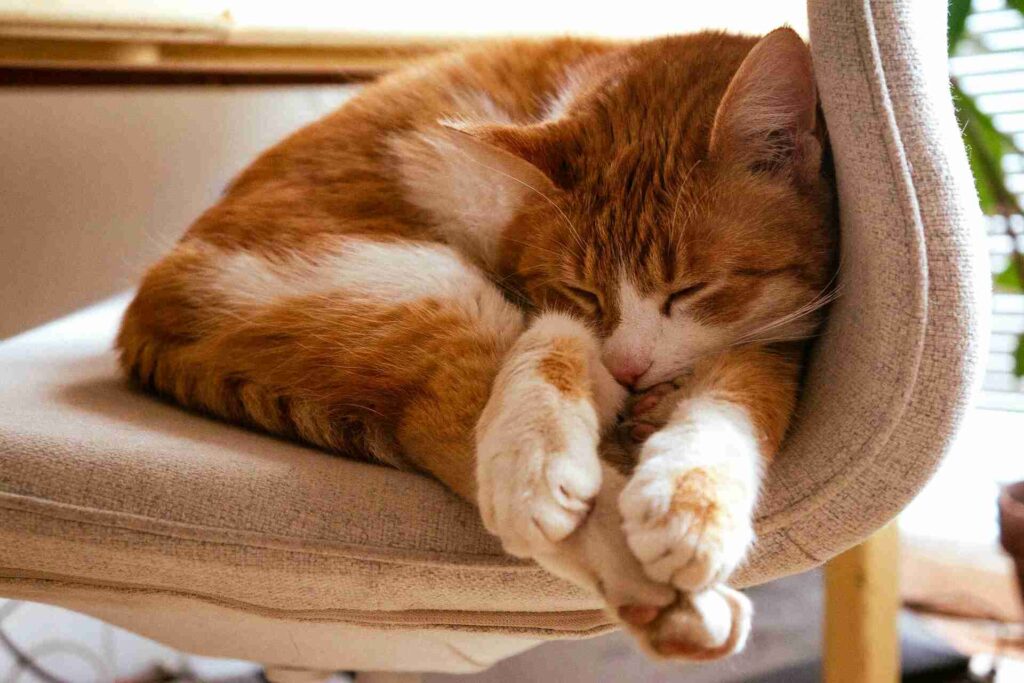
Why Cat Sleeping Positions Matter
Cats spend an astonishing 12-18 hours a day sleeping, with kittens and seniors often exceeding 18 hours! By knowing about these positions, you gain valuable insights into your cat’s wellbeing and strengthen your bond with them.
Whether your cat curls up in a perfect circle or sprawls across your keyboard during an important Zoom meeting, these positions aren’t random. They’re influenced by factors including:
- Temperature regulation
- Security needs
- Physical comfort
- Emotional state
- Health condition
Let’s explore the most common cat sleeping positions and what they might be telling you.
The Classic Curl
What it looks like: Your cat tucks their paws under their body, wraps their tail around themselves, and forms a neat little ball or crescent shape.
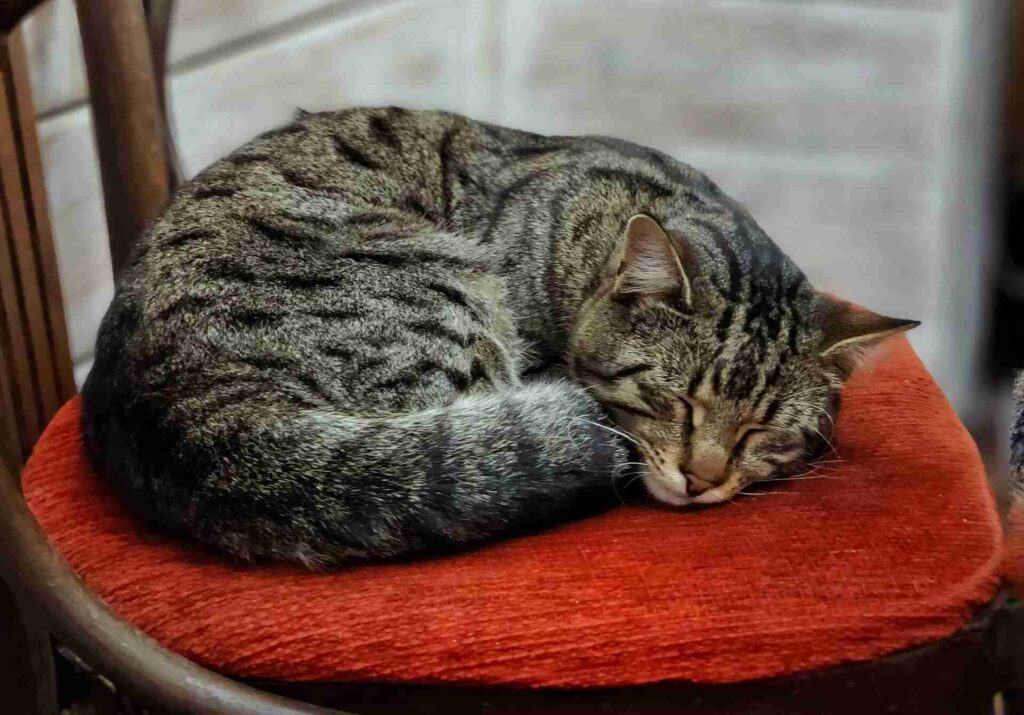
What it means: In this position, surface area exposed to ambient air is minimized. Core heat loss decreases because extremities are tucked close to the thorax. I often see subordinate cats favor tighter curls in shared spaces, especially when environmental predictability is low. The posture reduces vulnerability while preserving warmth.
When to be attentive: If your cat seems to be curling up excessively tight, especially in warm weather, they might be feeling insecure or unwell. Cats that are experiencing pain may also adopt this position to protect the area that hurts. If the spine appears rigid rather than relaxed, or abdominal muscles remain tense during sleep, consider gastrointestinal discomfort. True relaxation includes visible softening of the flank with rhythmic breathing.
The curled position is especially common during colder months. If you notice your cat constantly seeking this position, you might want to consider strategic cat furniture placement in warmer areas of your home or a heated cat bed.
The Side Sleeper
What it looks like: Your cat lies on their side with their legs extended outward.
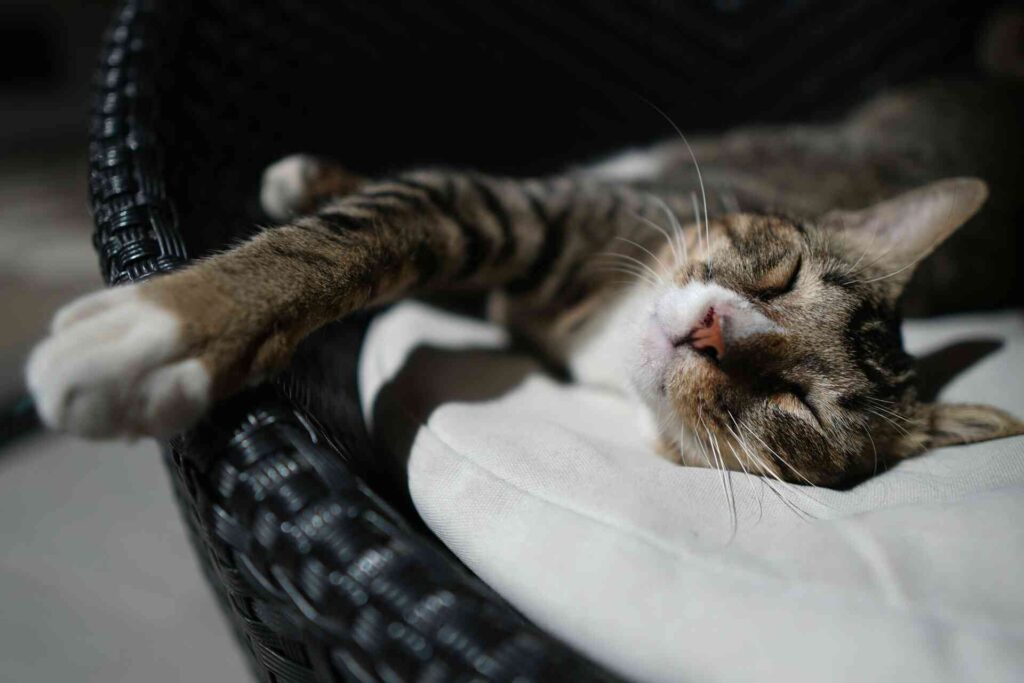
What it means: When your cat sleeps on their side with their belly partially exposed, it indicates they feel safe and comfortable in their environment. This relaxed position allows for deeper, more restful sleep.
When to be attentive: Side sleeping is generally a good sign! However, if your typically cautious cat suddenly starts sleeping this way in new or uncertain environments, monitor them for other behavioral changes.
The Belly-Up Position (The Ultimate Trust)
What it looks like: Your cat lies on their back with their belly fully exposed and paws in the air.
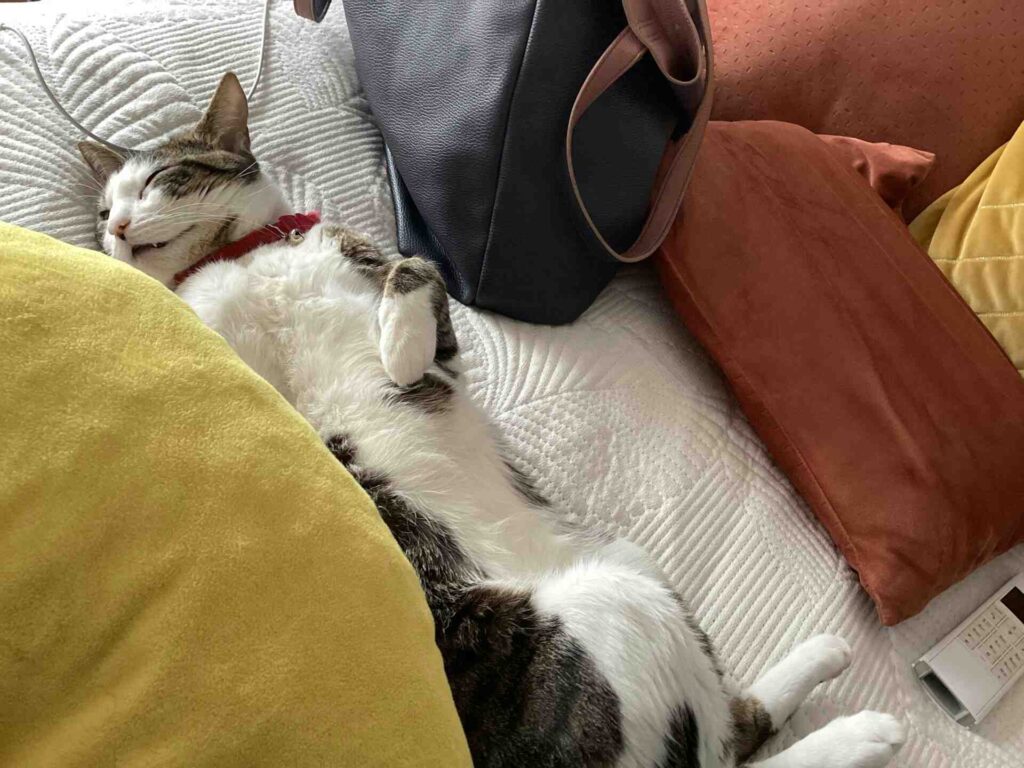
What it means: This vulnerable position is the ultimate display of trust. In the wild, exposing vital organs would be dangerous, so when your cat sleeps belly-up in your home, they’re essentially saying, “I feel completely safe with you”.
When to be attentive: If your cat suddenly starts sleeping in this position after previously being more guarded, it could indicate they’re feeling more secure in their environment, a positive development!
A cat that regularly sleeps in this exposed position is likely mentally stimulated and content. If you’re concerned about your pet’s mental well-being, review our article on sings of a bored cat for guidance on keeping them engaged and happy.
The Loaf Position (The Sphinx)
What it looks like: Your cat sits upright with their paws tucked underneath them, resembling a loaf of bread.
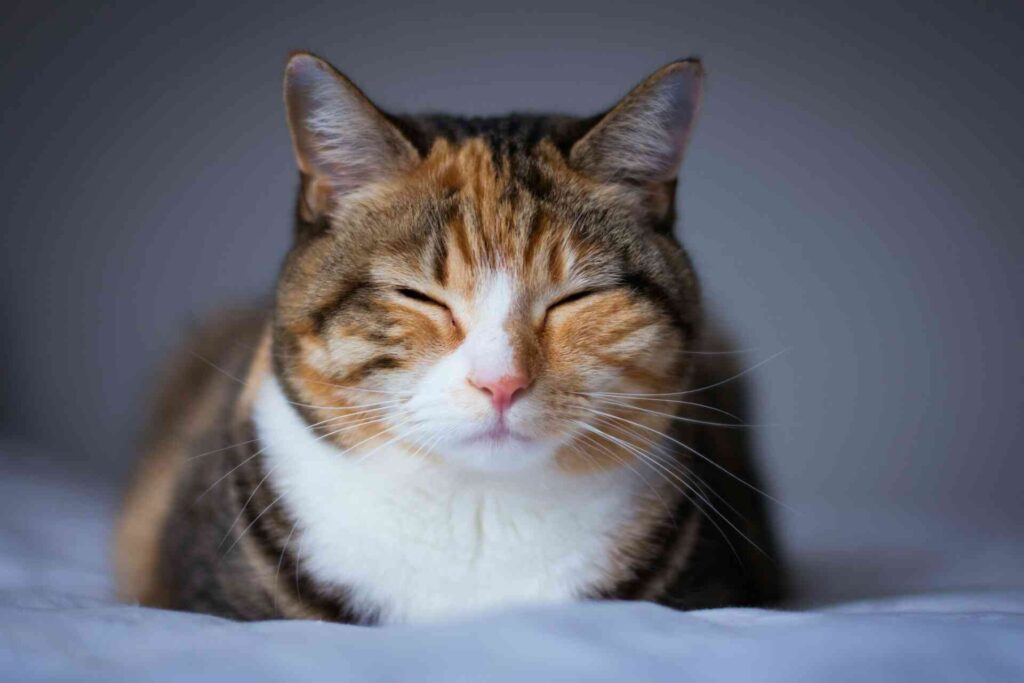
What it means: This isn’t a deep sleep position but rather a light rest stance. Your cat remains somewhat alert while conserving energy. They’re relaxed but ready to spring into action if needed.
When to be attentive: The loaf position can sometimes indicate that your cat is feeling cold or experiencing mild discomfort. If you notice your cat frequently adopting this position and seeming reluctant to fully relax, it might be worth monitoring their behavior for other signs of stress or illness.
The Contortionist
What it looks like: Your cat twists their body into seemingly impossible positions that make you question if they have any bones at all.
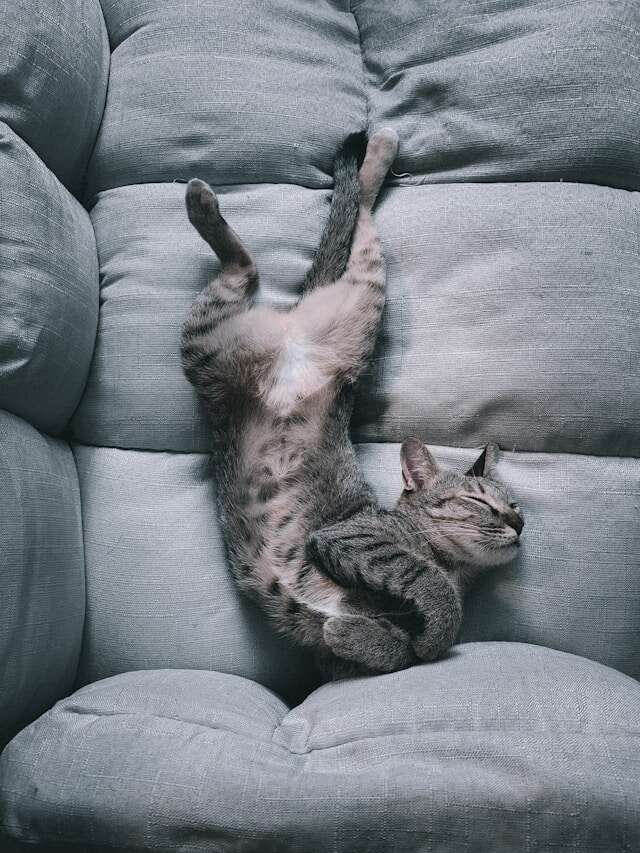
What it means: These strange positions showcase your cat’s incredible flexibility and comfort level. Young, healthy cats are especially prone to these amusing sleeping arrangements.
When to be attentive: While bizarre sleeping positions are usually nothing to worry about, sudden changes in sleeping flexibility might indicate joint pain or stiffness, particularly in older cats.
Cat Sleeping Positions When Sick
When cats aren’t feeling well, their sleeping positions often change. Here are some warning signs to watch for:
- Hunched or Sternal Guarding Position: The cat remains upright with elbows slightly abducted and head lowered. This can indicate abdominal discomfort or dyspnea.
- Neck Extended With Elbows Wide: Often seen in respiratory compromise. Extension increases airway diameter and reduces resistance.
- Reluctance to Fully Recline: Cats with musculoskeletal pain, especially hip osteoarthritis, avoid lateral recumbency on hard surfaces.
- Hiding Combined With Decreased Responsiveness: Cats instinctively isolate when ill. A normally social cat sleeping in closets or under furniture deserves attention.
If you notice any of these concerning sleep positions, especially when combined with other symptoms like changes in appetite or litter box habits, consult your veterinarian promptly.
Why Do Cats Sleep On You?
One of the most endearing (and sometimes inconvenient) cat sleeping positions involves using you as their mattress. But why do cats sleep on you? There are several compelling reasons:
1. Warmth and Comfort
Your body generates heat, making you an ideal warming spot for your temperature-seeking feline. This is especially true during colder months when your cat might seek out your warmth more frequently.
2. Security and Trust
By sleeping on you, your cat demonstrates deep trust. Your familiar scent and presence make them feel protected and safe.
3. Bonding and Affection
Cats release oxytocin (the “love hormone”) when they’re close to their favorite humans. Sleeping on you is a way of strengthening your emotional bond.
4. Territorial Marking
Cats have scent glands throughout their bodies. When they sleep on you, they’re subtly marking you as “their human.”
5. The Rhythm of Your Breathing
The gentle rise and fall of your chest while breathing can have a calming, almost hypnotic effect on your cat.
Sleeping Positions With Owners: What They Reveal

The specific way your cat chooses to sleep with you can offer insights into your relationship:
On Your Chest
When your cat sleeps directly on your chest, they’re often seeking the strongest connection possible. They can feel your heartbeat and breathing rhythm, which creates a sense of security similar to what they experienced as kittens with their mother.
At Your Feet
Sleeping at your feet represents a balance of independence and connection. Your cat wants to be near you but isn’t seeking the intense closeness of chest sleeping.
Against Your Back
This position allows your cat to feel your presence while maintaining their own space. It’s common among cats who are affectionate but value their independence.
On Your Head or Hair
While potentially uncomfortable for you, this peculiar position speaks to your cat’s desire for warmth (your head releases heat) and their attraction to your scent, which is strongest in your hair.
Between Your Legs
This secure, enclosed position offers your cat warmth from both sides while allowing them to monitor their surroundings. It’s the perfect balance of comfort and vigilance.
Seasonal Changes
Your cat’s preferred sleeping positions often change with the seasons:
Summer Sleeping Positions
During warmer months, cats tend to:
- Sprawl out to release body heat
- Seek cool surfaces like tile floors
- Sleep in elevated areas where air circulates
- Avoid direct body contact with owners
Winter Sleeping Positions
When temperatures drop, expect your cat to:
- Curl up tightly to conserve warmth
- Seek sunny spots near windows
- Burrow under blankets or into laundry
- Increase body contact with you during sleep
Understanding these seasonal variations helps you provide appropriate sleeping arrangements year-round.
Creating the Perfect Cat Sleep Environment
To encourage healthy sleeping habits in your feline friend:
- Provide multiple sleeping options in different locations and heights
- Consider temperature preferences when placing beds (sunny spots for winter, cool areas for summer)
- Ensure security with beds that have at least partial enclosure
- Maintain cleanliness by washing bedding regularly
- Position beds away from high-traffic areas for uninterrupted rest
Treats can be used as positive reinforcement when introducing new sleeping spaces. For balanced treat-giving practices, check out our article on how often you should give your cat treats.
FAQ
Is it normal for my cat to sleep all day?
Yes, cats naturally sleep 12-18 hours daily. However, sudden increases in sleep duration may warrant veterinary attention.
Why does my cat sleep with their eyes partially open?
This evolutionary adaptation allows cats to remain somewhat alert to potential threats while resting. The third eyelid may remain partially visible during lighter sleep.
My cat twitches while sleeping. Should I be concerned?
Twitching during sleep is typically normal and indicates your cat is dreaming. Violent or excessive movements might warrant veterinary consultation.
Why does my cat snore?
Some snoring is normal, especially in flat-faced breeds. However, new or excessive snoring could indicate respiratory issues that require medical attention.
My cat used to sleep with me but suddenly stopped. What changed?
Changes in sleeping location could stem from environmental factors (room temperature changes), physical discomfort, or stress. Monitor for other behavioral changes and consult your vet if concerned.
Can I train my cat to sleep in specific locations?
While cats are independent, you can encourage preferred sleeping spots using positive reinforcement, familiar scents, and strategic placement of comfortable beds.
Conclusion
Sleep is where cats reveal their baseline state. Posture, muscle tone, location choice, and proximity to you all provide information. When you observe consistently, patterns emerge.
A healthy cat rotates through positions fluidly, stretches upon waking, and adjusts to temperature without stiffness. A cat in discomfort holds positions longer, hesitates before lying down, or avoids certain surfaces.
Pay attention to transitions, not just positions. The way your cat lowers into rest often tells you more than the shape they form once asleep. When owners develop that awareness, small problems are caught earlier, and early intervention becomes possible.
Looking for more? Explore our Cat Health section for more tips like this, visit the Blog for fun and insightful reads, or browse our full Cat Category for everything feline-related, from care to comfort.
Disclaimer: This article is for informational purposes only and does not substitute for professional veterinary advice. Always consult your veterinarian for diagnosis and treatment tailored to your cat’s individual needs. Please verify current product information directly on the retailer’s site before purchasing.
References
- Chanida Phakawatpongsatorn. (2025). Do Cats’ Sleeping Positions Reflect Their Emotional State: A comparison between Theory and Survey Results. International Journal of Social Science and Humanities Research, 13(4), 302–307. https://doi.org/10.5281/zenodo.17520603
- Isparta S, Ocklenburg S, Siniscalchi M, Goursot C, Ryan CL, Doucette TA, Reinhardt PR, Gosse R, Çıldır ÖŞ, Serenella d’Ingeo, Freund N, Güntürkün O, Demirbas YS. Lateralized sleeping positions in domestic cats. Curr Biol. 2025 Jun 23;35(12):R597-R598. doi: 10.1016/j.cub.2025.04.043. Erratum in: Curr Biol. 2025 Nov 3;35(21):5392-5393. https://doi.org/10.1016/j.cub.2025.04.043
- Summer, JV (2025). How Many Hours Do Cats Sleep? https://www.sleepfoundation.org/animals-and-sleep/how-much-do-cats-sleep
Check out our most recent articles!
- How Cats Always Know Exactly Where (and When) to Groom
 A cat who suddenly grooms less isn’t being lazy. One who grooms constantly might not just be clean-obsessed. Grooming habits are one of the clearest windows into your cat’s wellbeing once you know what to look for.
 - Why Do Cats Push Things Off Tables? Solving Your Cat’s Destructive HabitCats knock things off tables due to hunting instincts, boredom, and attention-seeking behavior. Discover the science behind this maddening habit and learn practical prevention strategies that actually work.
- Can Cats Eat Green Peas? Safe, Healthy, or Just a Skip?A pea rolling across the kitchen floor is basically a free cat toy and a snack in one. But before it becomes a habit, here’s what you should know about what those little green things actually do for (or to) your cat.
- Are Spray Bottles Bad for Cats? Reasons & AlternativesA spray bottle might stop your cat’s counter-surfing today, but it’s teaching them something much more troubling: that you’re unpredictable and potentially dangerous. Discover what really happens when you spray your cat and the alternatives that actually create lasting change.
- How Are Cats so Flexible? Your Cat’s Anatomy ExplainedBetween their 53 vertebrae, muscular shoulders connected only by soft tissue, and elastic joints, cats possess anatomical superpowers that blur the line between solid and liquid, letting them navigate spaces you’d swear were too small.
- Do Cats Copy Their Owners Voice, Personality and Actions?The independent cat stereotype is crumbling. Science reveals that cats engage in intentional mimicry, learning from their owners and adapting their personalities to match the humans they live with.
- Are Newborn Cats Born With Teeth? Everything About Kitten Dental GrowthEver wondered what’s happening inside a newborn kitten’s mouth? The answer might surprise you. Discover the complete timeline of feline dental development and learn what to expect as your kitten grows from gummy grins to a full set of adult teeth.
- Keeping Your Indoor Cat Warm in Winter: The Complete GuideEven indoor cats feel the winter chill more than you might think. Cold floors, dry air, and sneaky drafts can leave your feline less comfortable than they should be. Discover the simple adjustments that make all the difference in helping your cat stay genuinely cozy through the coldest months.
- Should You Look Your Cat in the Eyes? Is Staring Really Aggressive?Your cat’s eyes tell a story you’ve been misreading. While prolonged staring means one thing in human communication, cats interpret it completely differently. Discover why that loving gaze might actually be stressing out your feline friend and what to do instead.
- Choosing the Best Blanket for Your Cat: A Blanket Buyer’s GuideFinding the best blanket for your cat means considering more than just softness. Temperature regulation, durability, washability, and even behavioral quirks all play a role in choosing the perfect cozy spot for your feline friend. Discover which blanket types match your cat’s lifestyle.
- How to Get Your Kitten to Eat More: Simple Solutions for Picky EatersWatching your tiny kitten turn up their nose at perfectly good food can be heart-wrenching. This comprehensive guide reveals why kittens become picky eaters and shares practical solutions that transform mealtime battles into successful feeding routines.
- Can Cats Eat Fried Rice? Why This Takeout Favorite Is a No-GoThat irresistible takeout aroma might have your cat begging, but fried rice contains ingredients that can harm felines. Discover why even small amounts aren’t worth the risk and what treats truly suit your cat’s carnivorous nature.
- Why Do Cats Vibrate Their Tail? From Happy to HuntingYour cat’s vibrating tail is like a mood ring with fur. Whether they’re thrilled to see you or preparing to mark territory, decoding these rapid shakes reveals what’s really going on in their mind.
- Is Asparagus Bad for Cats? Risks, Benefits, and AlternativesYour cat’s eyeing your asparagus dinner, but should they have any? While this green veggie isn’t toxic to cats, there are surprising reasons why it’s not the treat you might think it is.
- How Cats Express Sadness: Reading Your Feline’s Emotional LanguageCats don’t cry emotional tears or mope around like dogs, but they absolutely experience sadness. The trick is learning to read their subtle language, the withdrawn behavior, the changed routines, the slight shifts in body posture that reveal their inner emotional world.















Written by Kerra Rosewood (Feline Behavior Writer)
Last reviewed and edited on 03.03.2026