
Dressing a cat for Halloween can be entertaining, but success depends less on aesthetics and more on biomechanics, stress tolerance, and proper fit. Cats are athletes with highly mobile scapulae and sensitive vibrissae. A costume that interferes with those systems will fail immediately.
This guide focuses on what works in real households, how to assess tolerance before purchase, and which designs minimize stress while still delivering visual impact.
What Makes a Great Cat Halloween Costume?
Comfort should always be your top priority. Cats are notoriously particular about anything that restricts their movement or feels weird against their fur. The best kitten Halloween costumes use soft, breathable materials that don’t bunch up or create uncomfortable pressure points. Look for fabrics like fleece, polyester, or felt that feel gentle against sensitive skin. Heavy materials or anything that makes crinkly noises might send your cat running for the nearest hiding spot under the couch.
Cats rely on full scapular glide during walking and jumping. Unlike humans, their shoulder blades are not rigidly attached by bone. Any garment that restricts shoulder rotation alters gait mechanics and may cause immediate resistance. Also evaluate whisker clearance. Vibrissae detect air displacement and spatial boundaries. Costumes that brush the whiskers can trigger defensive head shaking or backward stepping.
Safety features shouldn’t be negotiable. Avoid costumes with small parts that could become choking hazards, long strings that could get tangled, or anything that covers your cat’s face or restricts their vision. Your cat needs to breathe comfortably, move freely, and be able to escape the costume quickly if they become stressed. Speaking of stress, watch for signs your feline friend isn’t enjoying the experience and be prepared to call it quits if they’re unhappy.
The ease-of-use factor applies to humans too. If a costume takes 15 minutes to put on your squirming, increasingly annoyed cat, that’s 14 minutes too long. The simplest designs, think capes, collars, or hats with chin straps, tend to work best because you can get them on quickly before your cat realizes what’s happening and stages a protest.
Popular Styles of Halloween Costumes for Cats
The world of cat Halloween clothes has evolved dramatically from the early days of basic pet accessories. Today’s options range from minimalist and elegant to absolutely over-the-top theatrical. Finding the right style depends on your cat’s personality, your budget, and how much cooperation you’re realistically expecting from your feline model.
Classic Pumpkin Outfits
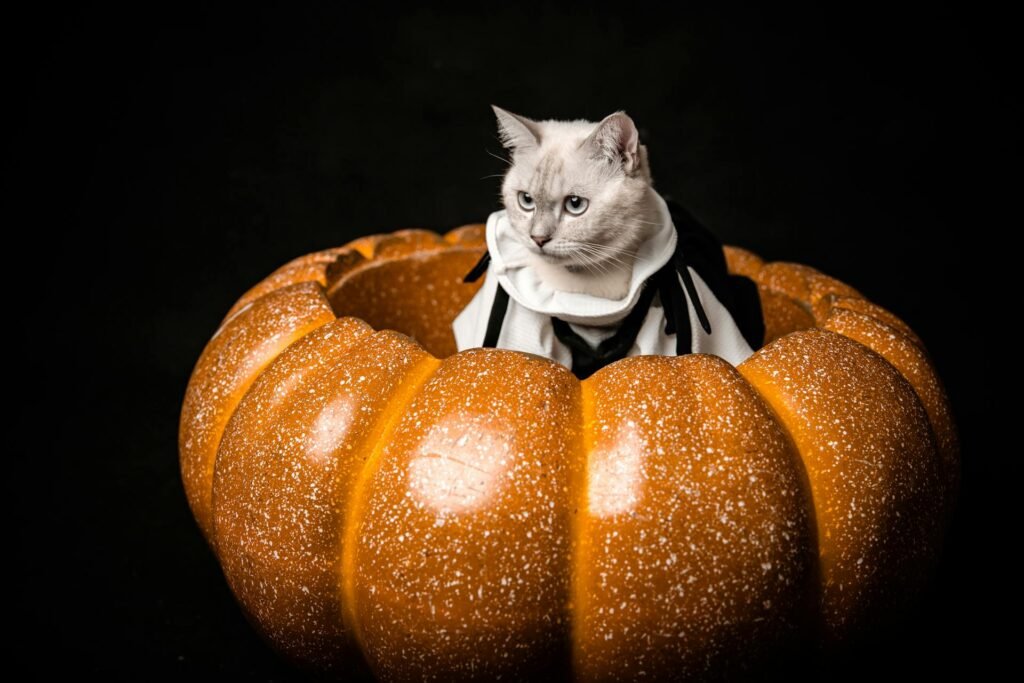
Nothing says Halloween quite like a pumpkin costume, and these remain perennial favorites for good reason. A typical pumpkin outfit includes a bright orange cape or poncho paired with a matching hat featuring the iconic jack-o’-lantern face. The cape design works particularly well for cats because it doesn’t restrict their legs or make them feel trapped.
These costumes usually feature adjustable velcro closures around the neck and chest, allowing you to get the perfect fit regardless of whether you have a petite Siamese or a substantial Maine Coon. The hats typically secure with elastic straps under the chin and have convenient ear holes that help keep everything in place. Many designs incorporate green leaf details that add an extra touch of authenticity to the pumpkin look.
What makes pumpkin costumes especially practical is their versatility. They work for quick photo sessions, costume contests at local pet stores, or even answering the door on Halloween night. The bright orange color photographs beautifully and stands out in group shots. Plus, if your cat only tolerates the costume for five minutes, you can usually snap plenty of adorable photos in that timeframe.
Vampire and Gothic Styles
For cats with a more sophisticated and mysterious vibe, vampire costumes bring drama and elegance to Halloween festivities. These typically feature striking red-and-black capes with dramatic stand-up collars that give your kitty an unmistakable Count Dracula aesthetic. The cape design works wonderfully for cats because it creates an impressive visual impact without requiring them to step into leg holes or deal with complicated fastenings.
The best vampire capes use lightweight, satin-style fabrics that drape nicely and feel smooth rather than scratchy. They typically secure with a combination of ribbon ties around the neck and velcro closures around the chest, which means they stay in place even when your cat moves around. The stand-up collar is usually the show-stopping element, it frames your cat’s face perfectly and creates that classic vampire silhouette we all recognize.
Gothic costumes shine particularly well in photographs because of their dramatic color contrast. Black cats naturally look stunning in these outfits, but any cat color can pull off the vampire look. Orange tabbies become hilariously incongruous vampires, while white cats look absolutely ethereal. If your kitty already has that intense, piercing stare, a vampire costume just amplifies their natural mystique.
Bat Wings and Supernatural Creatures
Bat wing costumes offer one of the most comfortable and cat-friendly Halloween options available. These designs typically attach around your cat’s neck and chest with adjustable straps, leaving the wings to drape along their sides or back. The felt cloth construction keeps them lightweight, which matters tremendously when you’re asking a cat to wear something they didn’t personally request.
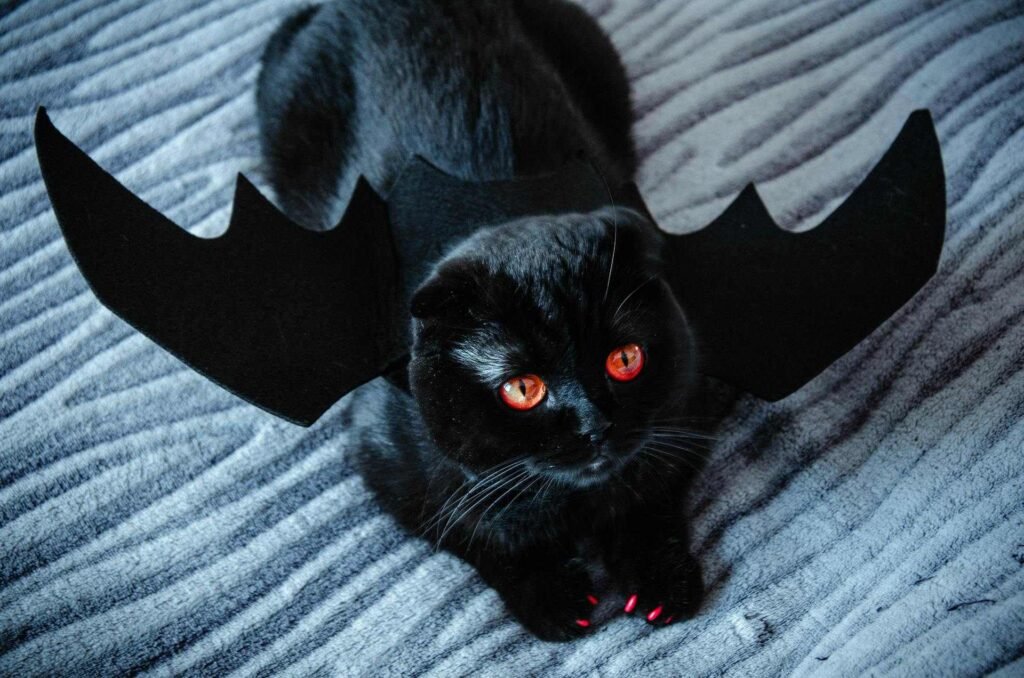
What makes bat wings particularly clever is how they work with your cat’s natural movement. When your kitty walks, the wings flutter slightly, creating an unexpectedly realistic effect. Some designs incorporate wire into the wing structure, allowing you to adjust and pose them for photos. This customization means you can create different looks depending on whether you want dramatic upswept wings or more natural downward angles.
These costumes work especially well for cats who absolutely refuse to wear anything on their heads. You get maximum visual impact with minimal intrusion into your cat’s personal space. The simple pull-on or velcro design means you can get your cat dressed in seconds, which is crucial when patience is running thin on both sides of the costume equation.
Wizard and Magical Themes
Transform your cat into a mystical creature with wizard costumes that combine flowing capes with pointed hats decorated with stars and moons. These outfits tap into that natural air of mystery cats already possess, after all, cats and witches have been associated throughout history, so why not lean into it?
A typical wizard costume includes a dramatic cape in purple or black (traditional magical colors) along with a coordinating pointed hat. The cape usually fastens around the neck with adjustable closures, while the hat secures with a chin strap to prevent it from sliding off. The star decorations add a whimsical touch that photographs beautifully, especially with some creative lighting.
The quality of the fabric makes a significant difference with these costumes. Satin and similar materials create that flowing, mystical appearance that makes your cat look like they just stepped out of a fantasy novel. The lightweight construction means your cat can move around relatively normally, which is important if you’re hoping for more than just static photos. Some cats will even walk around the house in these costumes, especially if treats are involved in the negotiation.
Spooky Spider Designs
For owners who want to give friends and family a genuine startle, spider costumes deliver maximum spooky impact. These designs transform your cat into a large, eight-legged arachnid using felt cloth construction with realistic furry legs attached. The effect is simultaneously creepy and hilarious, especially when your cat walks across the room and those legs bounce and sway.
The genius of spider costumes lies in their simplicity. A harness-style body piece with velcro fasteners around the neck and chest provides the base, while eight simulated legs (often with wire inside for posing) create the spider effect. Because the legs don’t interfere with your cat’s actual legs, they can move around normally while looking absolutely ridiculous and wonderful.
These costumes photograph incredibly well because they create such unexpected visual interest. From certain angles, it looks like you have a massive spider prowling through your home. The lightweight felt construction means your cat isn’t carrying around a heavy burden, which increases the chances they’ll tolerate wearing it for more than 30 seconds.
Festive Collar and Hat Combinations
Sometimes less is more, especially when dealing with a cat who has strong opinions about costume wearing. Collar and hat combinations provide a middle ground that gives you Halloween flair without committing to a full costume. These sets typically include a festive collar decorated with bells, ribbons, or seasonal motifs paired with a matching hat.
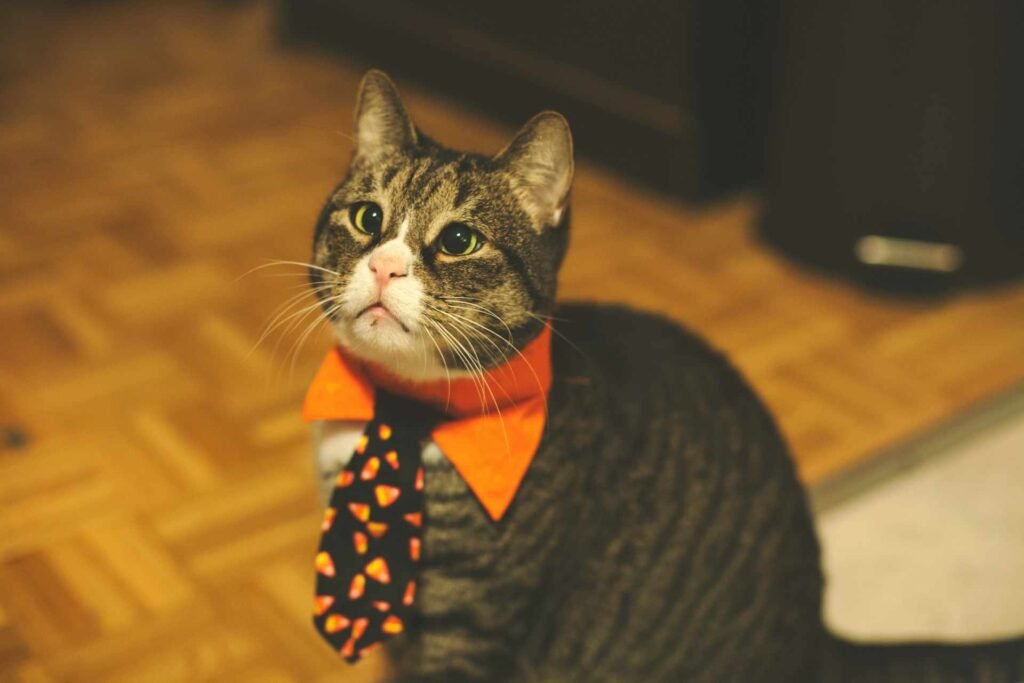
The collar approach works wonderfully for cats who already wear collars daily. Adding a Halloween-themed collar with jingle bells creates festive sounds as your cat moves around, turning them into a walking (or lounging) Halloween decoration. The bells also serve a practical purpose, you always know where your costumed kitty has wandered off to.
The accompanying hats usually feature elastic straps and adjustable sizing to fit different head shapes. Pumpkin patterns, spider decorations, and other Halloween motifs keep things seasonal without going overboard. Because these pieces are separate, you can use just the collar if your cat absolutely refuses the hat, or vice versa. This flexibility makes them particularly practical for cats who are new to costume wearing.
Wizard Academy and Character Costumes
For cat owners who want something more elaborate, wizard academy costumes deliver a polished, character-driven look complete with coordinating accessories. These sets typically include a cape or mantle, often with house colors or magical symbols, plus accessories like bow ties, glasses, or other decorative elements that complete the character transformation.
The cape design usually features more structured construction than simpler costumes, with careful attention to details like collar styling and closure placement. Some designs incorporate adjustable elements that let you customize the fit as your cat grows or if you have multiple cats of different sizes. The breathable materials help prevent overheating, which becomes increasingly important with more coverage.
What makes these costumes special is how they tell a story. Your cat isn’t just wearing a costume, they’re becoming a character. This narrative element makes photos more engaging and gives you fun opportunities for creative staging. Set up a photo shoot with some books and a wand, and suddenly you have premium social media content that’ll get plenty of likes and shares.
Comparing Costume Features: What to Look For
When shopping for funny cat costumes for cats, comparing features across different styles helps you make the best choice for your specific feline. Here’s a breakdown of key factors to consider:
| Feature | Pumpkin Sets | Vampire Capes | Bat Wings | Wizard Costumes | Spider Designs | Collar Sets |
|---|---|---|---|---|---|---|
| Ease of Use | Easy | Very Easy | Very Easy | Moderate | Easy | Easy |
| Coverage | Medium | Medium | Light | Medium-High | Medium | Light |
| Adjustability | High | High | Medium | High | Medium | Medium |
| Photo Impact | High | High | Medium | Very High | High | Medium |
| Tolerance Level | Medium | High | Very High | Medium | Medium | Very High |
| Storage | Compact | Very Compact | Very Compact | Medium | Medium | Very Compact |
The “tolerance level” refers to how well cats typically accept wearing that particular style. Lighter, less restrictive designs naturally score higher because they interfere less with natural cat behavior. If your cat has never worn a costume before, starting with something from the “high” or “very high” tolerance categories increases your chances of success.
Making the Right Choice
Selecting the perfect Halloween outfit involves more than just picking the cutest option, though cuteness definitely counts. Consider your cat’s temperament first and foremost. Some cats are naturally more adaptable and don’t mind wearing things, while others treat any clothing item as a personal offense requiring immediate destruction.
Age plays a role too. Kittens often adapt more easily to wearing costumes than adult cats who’ve never experienced them before. If you have a kitten and think you might want to do Halloween costumes in future years, introducing them to the concept early can help. Start with just wearing the costume for a minute or two, offer treats and praise, and gradually increase the duration.
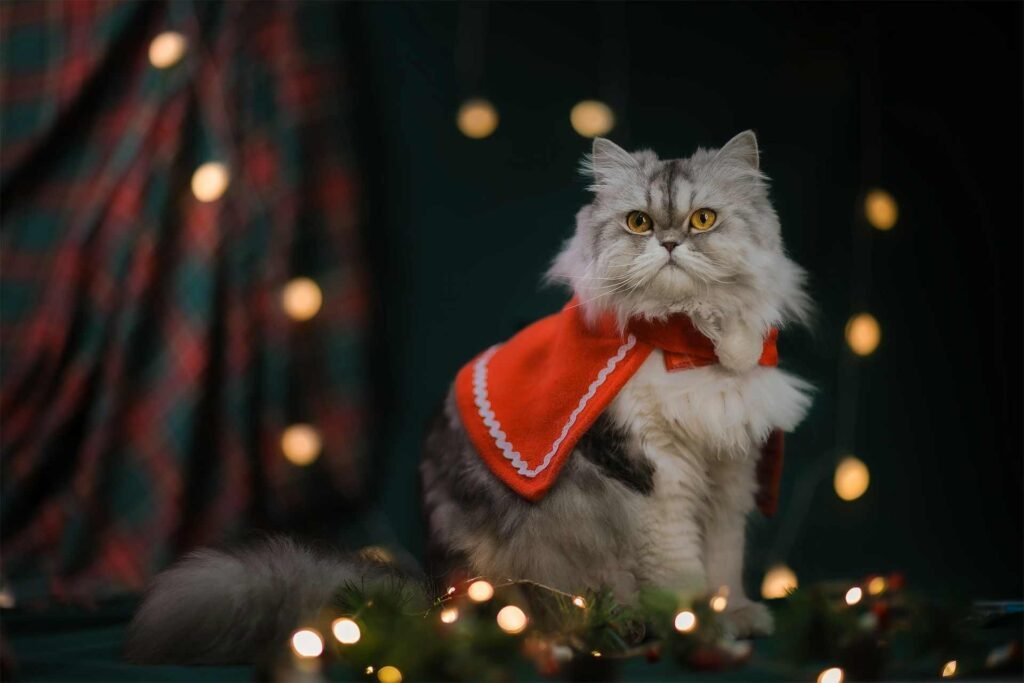
Your cat’s fur type should influence your decision. Long-haired cats might overheat in heavy fabrics or full-coverage costumes, making lighter cape or collar styles more appropriate. Short-haired cats typically tolerate more substantial costumes better, though they might appreciate the extra warmth during chilly autumn evenings. Black cats naturally complement darker costume colors, creating that classic Halloween aesthetic, while orange cats look absolutely perfect in pumpkin costumes that match their natural coloring.
Think about your actual plans for Halloween. If you’re just taking photos for social media, any costume that stays on for five minutes will work perfectly. But if you’re planning to participate in a pet holiday celebration or host a party where your cat will be wearing the costume for longer periods, comfort and durability become much more important factors.
Introducing Your Cat to Costume Wearing
Successful costume training follows basic desensitization and counterconditioning principles.
Step 1: Place the costume on the floor for 48 hours. Allow voluntary investigation only.
Step 2: Drape the costume loosely over the back for 3 to 5 seconds without fastening. Reward immediately.
Step 3: Fasten one closure only. Reward. Remove within 10 seconds.
Step 4: Gradually increase duration by 10 to 20 second increments over several days.
The first wearing should be incredibly brief, 10 to a 30 seconds maximum. Put the costume on, immediately offer treats or engage in play, then remove it before your cat gets annoyed. This creates a positive association between the costume and good things happening. Repeat this process several times over several days, gradually increasing the duration.
Watch your cat’s body language carefully during these sessions. Relaxed ears, normal walking patterns, and willingness to move around are good signs. Flattened ears, a low body posture, or attempts to back out of the costume suggest you’re pushing too fast. Some cats will never fully embrace costume wearing, and that’s okay. A festive collar or bandana might be the compromise that keeps everyone happy.
Never force a distressed cat to wear a costume. Beyond being unkind, it creates negative associations that’ll make future attempts even more difficult. If your cat really hates the idea, there are plenty of other ways to include them in Halloween festivities, from themed cat toys or furniture to festive feeding areas to simply photographing them near Halloween decorations.
Safety Considerations and Common Concerns
Safety should always come first when dressing up your feline friend. Never leave a costumed cat unattended, as they could get caught on furniture or other objects. Remove costumes before allowing your cat unsupervised freedom, even if they seemed perfectly comfortable while you were watching.
Temperature regulation is crucial. Cats don’t sweat like humans do, and even lightweight costumes can cause overheating. Watch for excessive panting, drooling, or lethargy, these are signs your cat needs the costume removed immediately and possibly needs cooling down. On the flip side, don’t dress cats in costumes and then put them outside in cold weather, as wet costumes can become dangerously cold.
Choking hazards deserve serious attention. Small bells, buttons, or decorative elements can become detached and swallowed. Regularly inspect costumes for loose parts, and choose designs with securely attached components. Strings or ribbons should never be long enough to create entanglement risks. If your cat likes to chew on fabric, monitor them closely to prevent ingestion of costume materials.
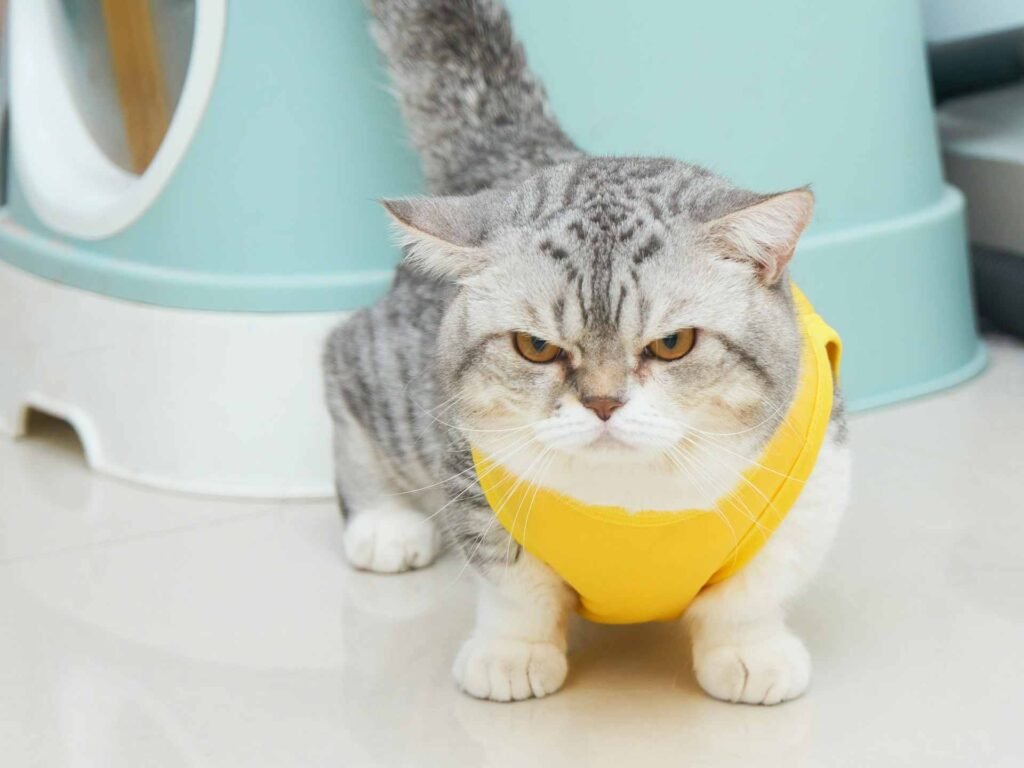
Some cats experience stress-related behaviors when wearing costumes, including inappropriate elimination, hiding, or aggression. If your cat shows signs of serious distress, respect their boundaries. Not every cat is a costume cat, and that’s completely normal. Alternative options like festive cat accessories or themed photo backdrops can create Halloween fun without the stress.
Frequently Asked Questions
How long should my cat wear a Halloween costume?
Keep costume wearing sessions short, especially initially. Most cats tolerate 15-30 minutes maximum, with many preferring even shorter durations. Watch your cat’s behavior closely and remove the costume at the first signs of genuine distress. For photo purposes, even five minutes is often sufficient to capture plenty of great shots. Never force prolonged costume wearing, as this creates negative associations that make future attempts more difficult.
Can kittens wear the same costumes as adult cats?
Many costumes come in multiple sizes, including kitten-specific options. Always check measurements carefully, as costumes designed for adult cats will be too large and potentially dangerous for kittens. The adjustable features on most costumes provide some flexibility, but there are limits to how much adjustment is possible. Kittens often adapt more quickly to costume wearing than adults, making it an ideal time to introduce the concept if you plan to make it an annual tradition.
Are certain cat breeds better suited for costumes?
Temperament matters more than breed when it comes to costume tolerance. That said, hairless breeds like Sphynx cats might appreciate the warmth costumes provide, while heavily coated breeds like Persians or Maine Coons might overheat more easily. Generally, cats with more relaxed, adaptable personalities, regardless of breed, handle costume wearing better than nervous or independent cats. Consider your individual cat’s personality rather than relying on breed stereotypes.
How do I clean cat costumes between uses?
Most pet costumes are machine washable on gentle cycles with mild detergent. Check the care label for specific instructions, as some materials or embellishments might require hand washing. Air drying prevents damage to elastic and velcro components that can occur in heated dryers. If your cat wore the costume for only a few minutes and it’s not visibly dirty, spot cleaning or simply airing it out might be sufficient. Store clean, dry costumes in sealed containers to keep them fresh until next use.
What if my cat walks backward or falls over in a costume?
This is a common initial response to costume wearing and usually indicates the fit needs adjustment or your cat needs more gradual acclimation. Try loosening any straps slightly, as excessive tightness can make cats move unnaturally. Practice with very short wearing sessions and lots of positive reinforcement. Many cats who initially walk backward or act strange eventually adapt and move normally once they get used to the sensation. However, if your cat shows persistent distress or doesn’t adapt after several attempts, that particular costume might not be the right choice.
Can I use the same costume for multiple cats?
This depends on size compatibility and hygiene considerations. If you have multiple cats of similar size, adjustable costumes can work for all of them. However, wash costumes between cats to prevent spreading any potential skin issues or parasites. Some cats are particular about wearing items that smell like other cats, though this varies individually. Having separate costumes for each cat is ideal but not always necessary if proper cleaning happens between uses.
Do I need to do anything special before my cat’s first costume wearing?
Preparation increases success rates significantly. Let your cat investigate the costume thoroughly before attempting to put it on. Create positive associations by placing treats on or near the costume. Start with the simplest piece, usually the cape or collar rather than the hat. Keep the first session extremely brief and immediately reward cooperation with treats and praise. Building up gradually over several days or even weeks leads to much better acceptance than rushing the process.
Are there costumes suitable for older or senior cats?
Senior cats can certainly wear costumes, but choose designs that don’t require much maneuvering to put on or take off. Simple cape styles work better than anything requiring stepping through leg holes, as older cats may have arthritis or mobility challenges. Keep sessions brief and watch carefully for signs of discomfort. Many senior cats have established routines they don’t appreciate disrupting, so gauge your individual cat’s tolerance. The festive collar approach often works best for older felines who might not tolerate more elaborate costumes.
Making Halloween Memorable for Everyone
Halloween costumes should function as brief enrichment events, not endurance tests. The objective is controlled novelty paired with positive reinforcement. Select lightweight designs that preserve shoulder mobility and whisker clearance. Introduce gradually using structured desensitization and supervise continuously.
Some cats will tolerate costumes for photos, a smaller percentage will just ignore them and many will refuse. Respecting that boundary is part of responsible ownership. The best Halloween outcome is a calm cat, a few memorable photos, and no stress-induced setbacks in behavior.
Looking for more? Explore our Cat Accessories section for more posts like this, visit the Blog for fun and insightful reads, or browse our full Cat Category for everything feline-related, from care to comfort.
Disclaimer: This article is for informational purposes only and does not substitute for professional veterinary advice. Always consult your veterinarian for diagnosis and treatment tailored to your cat’s individual needs. Please verify current product information directly on the retailer’s site before purchasing.
References
- English AW. Functional analysis of the shoulder girdle of cats during locomotion. J Morphol. 1978 May;156(2):279-92. https://doi.org/10.1002/jmor.1051560209
- Pozza ME, Stella JL, Chappuis-Gagnon AC, Wagner SO, Buffington CA. Pinch-induced behavioral inhibition (‘clipnosis’) in domestic cats. J Feline Med Surg. 2008 Feb;10(1):82-7. https://doi.org/10.1016/j.jfms.2007.10.008
- RSPCA (2024). What are the animal welfare issues with pets wearing costumes? https://kb.rspca.org.au/categories/companion-animals/pet-ownership/what-are-the-animal-welfare-issues-with-pets-wearing-costumes
Check out our most recent articles!
- Can Cats Eat Green Peas? Safe, Healthy, or Just a Skip?
 A pea rolling across the kitchen floor is basically a free cat toy and a snack in one. But before it becomes a habit, here’s what you should know about what those little green things actually do for (or to) your cat.
 - Are Spray Bottles Bad for Cats? Reasons & AlternativesA spray bottle might stop your cat’s counter-surfing today, but it’s teaching them something much more troubling: that you’re unpredictable and potentially dangerous. Discover what really happens when you spray your cat and the alternatives that actually create lasting change.
- How Are Cats so Flexible? Your Cat’s Anatomy ExplainedBetween their 53 vertebrae, muscular shoulders connected only by soft tissue, and elastic joints, cats possess anatomical superpowers that blur the line between solid and liquid, letting them navigate spaces you’d swear were too small.
- Do Cats Copy Their Owners Voice, Personality and Actions?The independent cat stereotype is crumbling. Science reveals that cats engage in intentional mimicry, learning from their owners and adapting their personalities to match the humans they live with.
- Are Newborn Cats Born With Teeth? Everything About Kitten Dental GrowthEver wondered what’s happening inside a newborn kitten’s mouth? The answer might surprise you. Discover the complete timeline of feline dental development and learn what to expect as your kitten grows from gummy grins to a full set of adult teeth.
- Keeping Your Indoor Cat Warm in Winter: The Complete GuideEven indoor cats feel the winter chill more than you might think. Cold floors, dry air, and sneaky drafts can leave your feline less comfortable than they should be. Discover the simple adjustments that make all the difference in helping your cat stay genuinely cozy through the coldest months.
- Should You Look Your Cat in the Eyes? Is Staring Really Aggressive?Your cat’s eyes tell a story you’ve been misreading. While prolonged staring means one thing in human communication, cats interpret it completely differently. Discover why that loving gaze might actually be stressing out your feline friend and what to do instead.
- Choosing the Best Blanket for Your Cat: A Blanket Buyer’s GuideFinding the best blanket for your cat means considering more than just softness. Temperature regulation, durability, washability, and even behavioral quirks all play a role in choosing the perfect cozy spot for your feline friend. Discover which blanket types match your cat’s lifestyle.
- How to Get Your Kitten to Eat More: Simple Solutions for Picky EatersWatching your tiny kitten turn up their nose at perfectly good food can be heart-wrenching. This comprehensive guide reveals why kittens become picky eaters and shares practical solutions that transform mealtime battles into successful feeding routines.
- Can Cats Eat Fried Rice? Why This Takeout Favorite Is a No-GoThat irresistible takeout aroma might have your cat begging, but fried rice contains ingredients that can harm felines. Discover why even small amounts aren’t worth the risk and what treats truly suit your cat’s carnivorous nature.
- Why Do Cats Vibrate Their Tail? From Happy to HuntingYour cat’s vibrating tail is like a mood ring with fur. Whether they’re thrilled to see you or preparing to mark territory, decoding these rapid shakes reveals what’s really going on in their mind.
- Is Asparagus Bad for Cats? Risks, Benefits, and AlternativesYour cat’s eyeing your asparagus dinner, but should they have any? While this green veggie isn’t toxic to cats, there are surprising reasons why it’s not the treat you might think it is.
- How Cats Express Sadness: Reading Your Feline’s Emotional LanguageCats don’t cry emotional tears or mope around like dogs, but they absolutely experience sadness. The trick is learning to read their subtle language, the withdrawn behavior, the changed routines, the slight shifts in body posture that reveal their inner emotional world.
- Can Cats and Rabbits Live Together? Multi-Species Harmony GuideCats are predators, rabbits are prey, but that doesn’t mean they can’t coexist peacefully. Success comes down to understanding each animal’s instincts, respecting their boundaries, and taking introductions at the right pace.
- Are Space Heaters Safe for Cats? Keeping Your Cat CozySpace heaters can provide cozy warmth for your cat, but only when chosen and positioned with feline safety in mind. Discover which features protect against burns, fires, and electrical hazards.















Written by Jazzlyn T. Mearkle (Lifestyle and Creative Writer)
Last reviewed and edited on 25.02.2026