
You tossed a green pea across the kitchen floor and your cat went absolutely feral for it. Now you’re wondering whether you accidentally discovered a new favorite treat or just handed your cat something that’s going to cost you a vet visit. Before those green spheres become a regular part of your cat’s snacking routine, it’s worth knowing what they do inside your cat’s body.
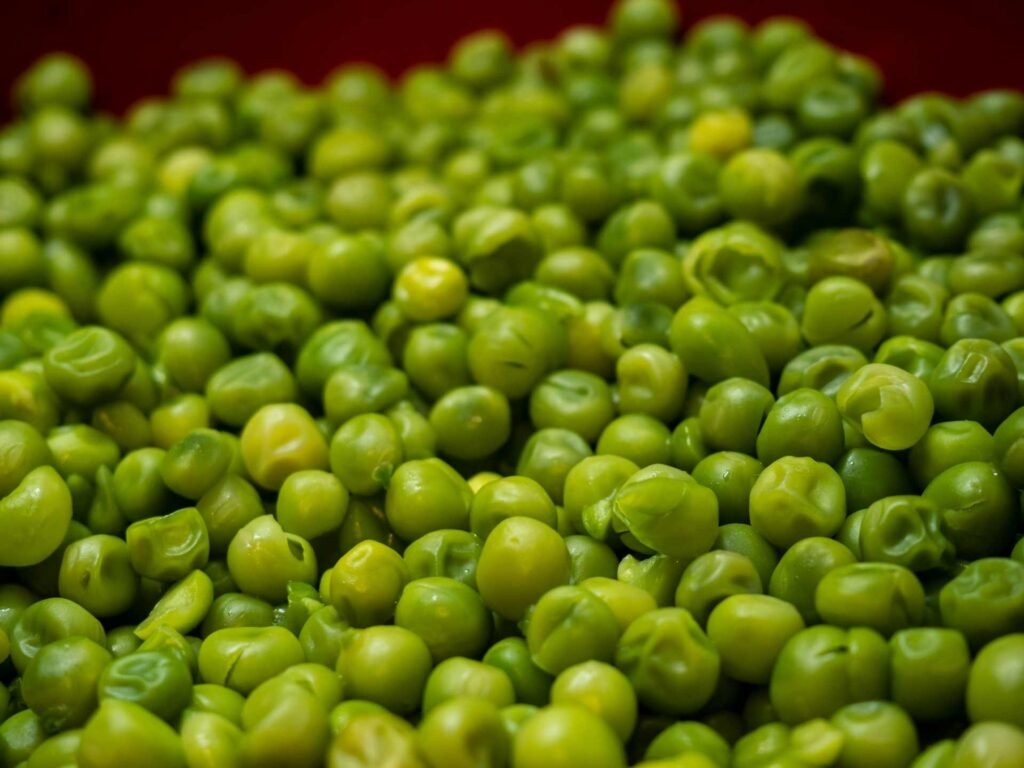
So, Are Green Peas Cat Safe?
Yes, cats can safely eat green peas. They’re non-toxic, which is a solid start, and they appear in quite a few commercial cat foods for a reason. However, “non-toxic” and “actively good for your cat” sit at different ends of the spectrum, and there’s some nuance.
Green peas belong to the legume family (Pisum sativum), and while they’re a nutritional powerhouse for humans, cats are obligate carnivores. That means their digestive systems are fundamentally wired to extract nutrients from animal-based proteins, not plant matter. Their intestinal tracts are shorter than omnivores’, their livers process things differently, and they lack certain enzymes that help other animals pull full nutritional value from plant foods. So when your cat eats a pea, they’re not getting the same bang for their buck that you would.
That said, peas aren’t useless. They contribute some fiber, a little plant-based protein, and a handful of vitamins. Whether that makes them worth offering regularly is another question.
A Closer Look at the Nutritional Picture
Green peas contain a respectable mix of nutrients, including vitamin K, vitamin C, vitamin B1 (thiamine), manganese, fiber, and plant-based protein. In the context of a cat’s diet, some of those matter more than others.
Cats synthesize their own vitamin C, so they don’t need it from food the way we do. Vitamin K and B vitamins are more relevant, though your cat is already getting those through a quality complete diet. The fiber content is the most practically useful thing about peas for cats. A bit of additional dietary fiber can support healthy gut motility, which matters especially for indoor cats who aren’t getting as much movement as their wild counterparts. If you’ve ever dealt with a cat prone to hairballs or occasional constipation, you might have noticed that commercial foods containing peas seem to help keep things moving.
Here’s a quick breakdown of what’s in roughly a 1-ounce (about 28g) serving of green peas:
| Nutrient | Amount per 1 oz (28g) | Relevance to Cats |
|---|---|---|
| Calories | ~23 kcal | Low, good for weight management |
| Protein | ~1.5g | Plant-based, not ideal but present |
| Fiber | ~1.6g | Supports gut motility |
| Fat | ~0.1g | Negligible |
| Vitamin K | ~7mcg | Beneficial |
| Vitamin B1 (Thiamine) | ~0.07mg | Beneficial |
| Vitamin C | ~11mg | Cats synthesize their own |
| Sugars | ~1.6g | Worth noting for diabetic cats |
One thing worth flagging: peas have a moderate natural sugar content. For most healthy cats, that’s not a concern in small amounts. However, if your cat has diabetes or insulin sensitivity issues, it’s worth discussing pea-containing foods with your vet before adding them in.
What to Watch Out For
Green peas are safe for cats in their plain, cooked, or thawed frozen form. The problems show up when preparation gets complicated.
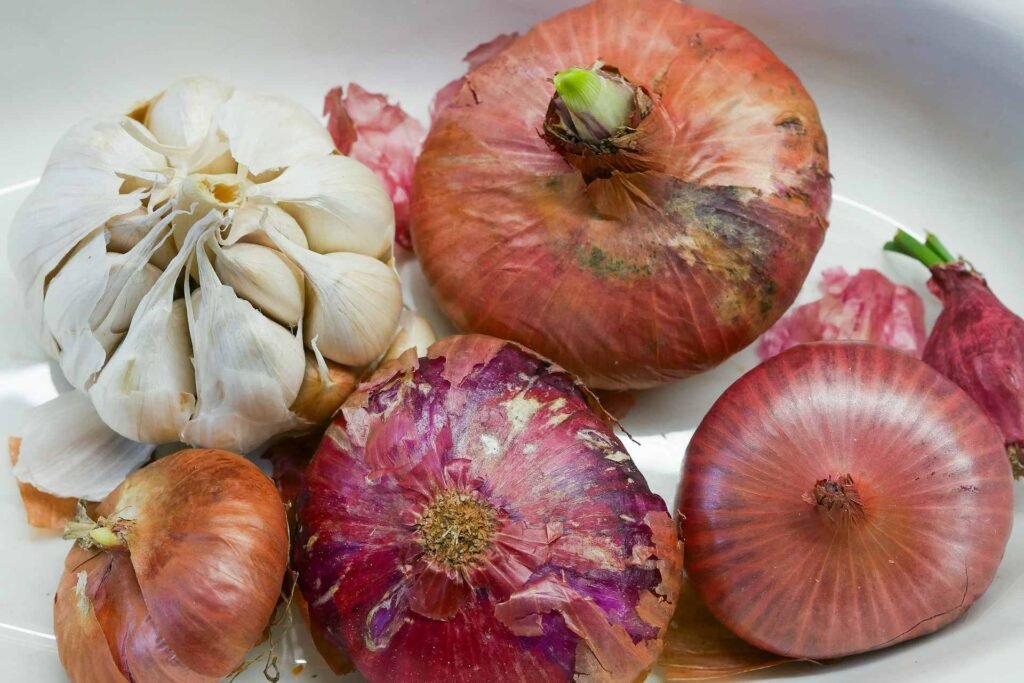
Seasonings are the real danger. Garlic, onion, salt, and butter are common companions to peas in human cooking, and every single one of those is problematic for cats. Garlic and onion, even in powder form, contain thiosulfates that can damage red blood cells and cause hemolytic anemia in cats. It doesn’t take much, and the effects can be delayed, making it tricky to connect the dots.
Pod texture is a choking concern. The pea inside is soft enough, but fibrous snap pea pods can be a choking hazard, particularly for cats who eat fast and don’t chew thoroughly. Stick to the pea itself and skip the pod if you’re offering them as a standalone snack.
Canned peas are usually a no. The sodium content in most canned vegetables is too high for cats. A cat’s daily sodium needs are far lower than ours, and repeated exposure to excess salt contributes to kidney strain over time. If fresh or frozen peas aren’t available, look for low-sodium or no-salt-added canned varieties and rinse them well, though plain fresh or frozen peas are still the cleaner option.
Can Cats Eat Frozen Peas?
Frozen peas are completely fine once they’re thawed. Most cats won’t be interested in eating them straight from the freezer anyway, but letting them come to room temperature removes any chance of discomfort from cold. Thawed frozen peas are one of the most convenient and clean ways to offer this snack since they’ve been minimally processed, contain no added salt in their plain form, and maintain their nutritional profile well through freezing.
Cats may find the texture of a partially thawed pea fun to bat around the floor before eating it, which doubles as mild enrichment. If your cat is on the bored side, a few peas rolling across the kitchen tile can buy you a few minutes of entertainment. Speaking of bored cats, if snack enrichment is on your radar, there are some great puzzle feeders and interactive treat dispensers worth looking into.
Are Green Peas Bad for Cats in Any Situation?
For most cats, no. Peas in small amounts as an occasional addition aren’t going to cause harm. However, there are some specific situations where they’re less appropriate.
Cats with kidney disease need particular attention paid to phosphorus intake, and legumes including peas are relatively high in phosphorus. While the amounts in a small treat aren’t dramatic, if your cat is already on a kidney-supportive diet, it’s best to check with your vet before introducing any new foods. Similarly, cats with irritable bowel conditions may find that additional fiber from peas aggravates rather than soothes their digestion.
There’s ongoing discussion in veterinary nutrition about peas and legumes in pet foods. The FDA has investigated links between legume-heavy, grain-free diets and dilated cardiomyopathy (DCM) in dogs since 2018, and while cat cases are extremely rare, some cardiologists recommend moderation in feline diets too.
How to Serve Green Peas to Your Cat
If you’ve decided to try peas as an occasional snack, the process is simple:
Opt for plain, fresh or frozen peas. Thaw or lightly steam them without adding any seasoning, butter, or oil. Start with one or two peas to see how your cat responds both in terms of interest and digestion. Some cats will be excited; others will sniff it and walk away like you’ve personally offended them.
Serve them at room temperature or slightly warm. Cats tend to prefer food that’s closer to body temperature, which is why many of them lose interest in refrigerator-cold leftovers.
A realistic portion for an average cat is two to four peas at a time, offered no more than a few times per week as part of a varied treat rotation. Treats as a whole should account for no more than 10% of your cat’s daily caloric intake, so keeping portions small applies here just as it does for any snack.
Peas vs. Other Cat-Safe Vegetables
If you’re curious about adding a little variety to your cat’s treat options, it helps to see where peas land compared to other vegetables that are reasonably safe for cats.
| Vegetable | Safe for Cats? | Notes |
|---|---|---|
| Green peas | Yes | Good fiber, plain and thawed only |
| Canned pumpkin | Yes | Great for digestion, no spice mix |
| Asparagus | Limited | Can affect urinary pH; occasional only |
| Raspberries | Limited | Small amounts only, natural xylitol trace |
| Onion / Garlic | No | Toxic, causes hemolytic anemia |
| Corn | Occasionally | Low nutritional value for cats |
| Broccoli | Small amounts | Fine occasionally, can cause gas |
Peas sit comfortably in the middle of this list. They’re not the most nutrient-dense option for a cat specifically, but they’re one of the safer and more accessible choices. If digestive support is your main goal, plain canned pumpkin is often a better pick since it’s nearly all fiber with minimal sugar.
Frequently Asked Questions
Technically yes, but it’s not something to prioritize. Kittens have very specific protein and calorie needs during growth, and their diet should consist almost entirely of high-quality kitten food. An occasional pea at room temperature is unlikely to cause harm, but they don’t gain much from it nutritionally, and their smaller digestive systems can be more sensitive to unexpected foods.
No, green peas are not toxic to cats. They don’t contain compounds that damage a cat’s organs the way something like garlic, grapes, or onions would. Plain green peas are generally considered safe by veterinary nutritionists.
Pea shoots are the young leafy tops of the pea plant and are generally non-toxic. A nibble is unlikely to cause issues, but they have even less nutritional relevance for cats than the peas themselves and aren’t a necessary addition.
More than a small handful at once may cause some digestive upset, including gas or loose stools, due to the fiber content. It’s not dangerous in a healthy cat, but it’s not comfortable either.
Yes. Many commercial cat foods, including reputable brands, use peas as an ingredient for fiber and as a plant-based protein supplement. This is generally considered safe.
Yes, frozen peas are safe once thawed and served plain. Avoid feeding them frozen solid, as very cold food can be uncomfortable and cats are less likely to eat them anyway.
The pea inside a sugar snap pea pod is fine, but the pod itself is tougher and more fibrous, which makes it a potential choking hazard and harder to digest. If you want to offer snap peas, pop the peas out of the pod first.
Some cats are surprisingly enthusiastic about peas, particularly when they’re rolling across the floor. Others will show zero interest. It’s very individual, and there’s no need to push it if your cat isn’t into it.
This is one situation where you should check with your vet first. Peas contain phosphorus, and cats with kidney disease often need phosphorus restriction. Even small amounts of additional dietary phosphorus can be relevant in those cases.
The Bottom Line on Green Peas for Cats
Green peas won’t hurt your cat and might even be a fun little snack variety if your cat happens to enjoy them. They offer a bit of fiber, some micronutrients, and if nothing else, a few seconds of entertainment watching your cat chase one around the kitchen floor.
That said, they’re a supplement to a quality diet, not a substitute for it. Your cat gets everything they need from a nutritionally complete cat food, and peas are at best a bonus. The things that matter, including the protein quality in your cat’s main meals, access to fresh water, and regular vet check-ins, are worth more attention than any vegetable addition.
Go ahead and toss your cat a pea. Just maybe not the whole bag.
Looking for more? Explore our Cat Food section for more posts like this, visit the Blog for fun and insightful reads, or browse our full Cat Category for everything feline-related, from care to comfort.
Disclaimer: This article is for informational purposes only and does not substitute for professional veterinary advice. Always consult your veterinarian for diagnosis and treatment tailored to your cat’s individual needs. Please verify current product information directly on the retailer’s site before purchasing.
References
- Černá P, Knies M, Assink M, Evans S, Tasker S, Gunn-Moore DA, Hartmann K, Buchta K, Taylor S, Meunier S, Hofmann-Lehmann R, Jacque N, Koonce A, Jacobs C, Gillett A, Lappin MR. Immune-Mediated Hemolytic Anemia in Cats with Feline Infectious Peritonitis. Pathogens. 2025 Jul 4;14(7):660. https://doi.org/10.3390/pathogens14070660
- FDA (2022). FDA Investigation into Potential Link between Certain Diets and Canine Dilated Cardiomyopathy. https://www.fda.gov/animal-veterinary/outbreaks-and-advisories/fda-investigation-potential-link-between-certain-diets-and-canine-dilated-cardiomyopathy
- Gordon DS, Rudinsky AJ, Guillaumin J, Parker VJ, Creighton KJ. Vitamin C in Health and Disease: A Companion Animal Focus. Top Companion Anim Med. 2020 Jun;39:100432. https://doi.org/10.1016/j.tcam.2020.100432
- Peas, raw, green. https://www.nutritionvalue.org/Peas%2C_raw%2C_green_nutritional_value.html?size=1+ounce+%3D+28.3495+g
- The National Association of Professional Pet Sitters. https://petsitters.org/page/10FruitsVeggiesToGiveToYourCat
- Verbrugghe A, Hesta M. Cats and Carbohydrates: The Carnivore Fantasy? Vet Sci. 2017 Nov 15;4(4):55. https://doi.org/10.3390/vetsci4040055
- Wu DT, Li WX, Wan JJ, Hu YC, Gan RY, Zou L. A Comprehensive Review of Pea (Pisum sativum L.): Chemical Composition, Processing, Health Benefits, and Food Applications. Foods. 2023 Jun 29;12(13):2527. https://doi.org/10.3390/foods12132527
Check out our most recent articles!
- Can Cats Eat Green Peas? Safe, Healthy, or Just a Skip?
 A pea rolling across the kitchen floor is basically a free cat toy and a snack in one. But before it becomes a habit, here’s what you should know about what those little green things actually do for (or to) your cat.
 - Are Spray Bottles Bad for Cats? Reasons & AlternativesA spray bottle might stop your cat’s counter-surfing today, but it’s teaching them something much more troubling: that you’re unpredictable and potentially dangerous. Discover what really happens when you spray your cat and the alternatives that actually create lasting change.
- How Are Cats so Flexible? Your Cat’s Anatomy ExplainedBetween their 53 vertebrae, muscular shoulders connected only by soft tissue, and elastic joints, cats possess anatomical superpowers that blur the line between solid and liquid, letting them navigate spaces you’d swear were too small.
- Do Cats Copy Their Owners Voice, Personality and Actions?The independent cat stereotype is crumbling. Science reveals that cats engage in intentional mimicry, learning from their owners and adapting their personalities to match the humans they live with.
- Are Newborn Cats Born With Teeth? Everything About Kitten Dental GrowthEver wondered what’s happening inside a newborn kitten’s mouth? The answer might surprise you. Discover the complete timeline of feline dental development and learn what to expect as your kitten grows from gummy grins to a full set of adult teeth.
- Keeping Your Indoor Cat Warm in Winter: The Complete GuideEven indoor cats feel the winter chill more than you might think. Cold floors, dry air, and sneaky drafts can leave your feline less comfortable than they should be. Discover the simple adjustments that make all the difference in helping your cat stay genuinely cozy through the coldest months.
- Should You Look Your Cat in the Eyes? Is Staring Really Aggressive?Your cat’s eyes tell a story you’ve been misreading. While prolonged staring means one thing in human communication, cats interpret it completely differently. Discover why that loving gaze might actually be stressing out your feline friend and what to do instead.
- Choosing the Best Blanket for Your Cat: A Blanket Buyer’s GuideFinding the best blanket for your cat means considering more than just softness. Temperature regulation, durability, washability, and even behavioral quirks all play a role in choosing the perfect cozy spot for your feline friend. Discover which blanket types match your cat’s lifestyle.
- How to Get Your Kitten to Eat More: Simple Solutions for Picky EatersWatching your tiny kitten turn up their nose at perfectly good food can be heart-wrenching. This comprehensive guide reveals why kittens become picky eaters and shares practical solutions that transform mealtime battles into successful feeding routines.
- Can Cats Eat Fried Rice? Why This Takeout Favorite Is a No-GoThat irresistible takeout aroma might have your cat begging, but fried rice contains ingredients that can harm felines. Discover why even small amounts aren’t worth the risk and what treats truly suit your cat’s carnivorous nature.
- Why Do Cats Vibrate Their Tail? From Happy to HuntingYour cat’s vibrating tail is like a mood ring with fur. Whether they’re thrilled to see you or preparing to mark territory, decoding these rapid shakes reveals what’s really going on in their mind.
- Is Asparagus Bad for Cats? Risks, Benefits, and AlternativesYour cat’s eyeing your asparagus dinner, but should they have any? While this green veggie isn’t toxic to cats, there are surprising reasons why it’s not the treat you might think it is.
- How Cats Express Sadness: Reading Your Feline’s Emotional LanguageCats don’t cry emotional tears or mope around like dogs, but they absolutely experience sadness. The trick is learning to read their subtle language, the withdrawn behavior, the changed routines, the slight shifts in body posture that reveal their inner emotional world.
- Can Cats and Rabbits Live Together? Multi-Species Harmony GuideCats are predators, rabbits are prey, but that doesn’t mean they can’t coexist peacefully. Success comes down to understanding each animal’s instincts, respecting their boundaries, and taking introductions at the right pace.
- Are Space Heaters Safe for Cats? Keeping Your Cat CozySpace heaters can provide cozy warmth for your cat, but only when chosen and positioned with feline safety in mind. Discover which features protect against burns, fires, and electrical hazards.















Written by Fenton Harberson (Scientific Writer and Digital Asset Planner)
Last reviewed and edited on 22.03.2026