
Leather is a collagen-based material that responds very differently to claw damage than woven upholstery. When a cat’s claw penetrates leather, it displaces fibers rather than simply snagging threads. That is why scratches on leather often look permanent even when they are shallow.
After working with protective setups in my own home with two high-energy cats, I learned that preventing damage is mostly about controlling surface access, fiber resistance, and reinforcement habits simultaneously. This guide focuses on practical methods that protect full-grain and top-grain leather without compromising your cat’s behavioral needs.
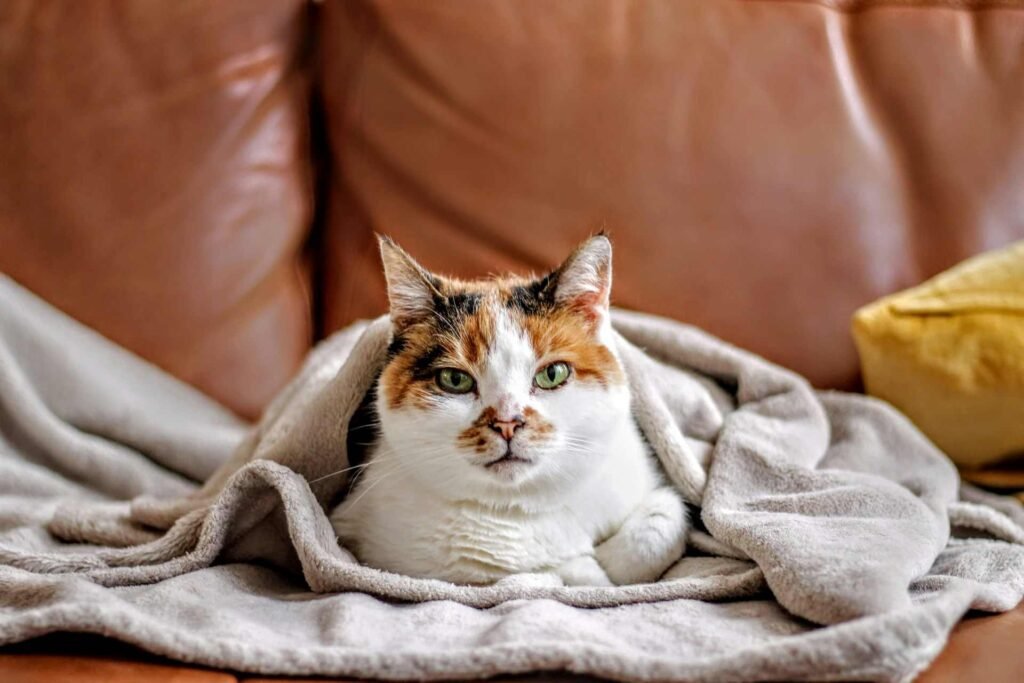
Why Cats Target Your Leather Couch
Cats aren’t scratching your furniture out of spite or because they’re plotting your downfall (though it might feel that way at 3 AM). Scratching is as natural to cats as breathing, and leather happens to provide a satisfying texture that mimics tree bark in the wild.
When cats scratch, they’re doing several things at once. They’re maintaining their claws by removing the dead outer layer, marking their territory with scent glands in their paws, and stretching their muscles after a nap.
The texture of leather makes it particularly appealing. It’s got just enough grip for claws to catch, but it’s also smooth enough that cats can really dig in and get a good stretch. Plus, if your couch is in a central location where everyone hangs out, your cat wants to leave their mark in the most important room of the house.
Do Cats Actually Damage Leather Furniture?
Yes, cats can absolutely do a number on leather furniture. Unlike fabric that might snag and pill, leather shows scratches more dramatically. Those claw marks can turn into tears, and before you know it, your elegant couch looks like it survived a wildlife documentary.
Full-grain leather is tougher and more resistant to scratches than bonded leather, which is leather scraps glued together with polyurethane. If you’re shopping for new furniture and have cats, this distinction matters. Some leathers develop a patina over time that can actually hide minor scratches, while others will show every tiny mark your cat makes.
From a materials standpoint, aniline leather has no protective pigment layer, which means claw tips contact raw dyed hide directly. Pigmented leather includes a polymer finish coat that adds measurable abrasion resistance. If you already own aniline leather, protection strategy becomes critical because even shallow scoring disrupts dye uniformity.
In practice, I have seen bonded leather fail within weeks under repeated scratching because the polyurethane binder delaminates once the surface layer is breached. Once that separation begins, repair is rarely cost effective.
The damage isn’t instant, either. It builds up over weeks and months of repeated scratching sessions. What starts as a few barely-noticeable marks can escalate into visible gouges and eventually holes in the material. That’s why catching this behavior early makes such a difference.
Creating Irresistible Alternatives
You can’t stop a cat from scratching, it’s literally hardwired into their DNA. But you can absolutely redirect where they scratch. The goal is making other options so appealing that your leather couch becomes yesterday’s news.
Scratching posts are your first line of defense, but here’s the catch: most people don’t use them correctly. A scratching post tucked away in the corner of the spare bedroom isn’t going to compete with the leather couch in your living room. Position those scratching alternatives right next to the furniture your cat currently targets.
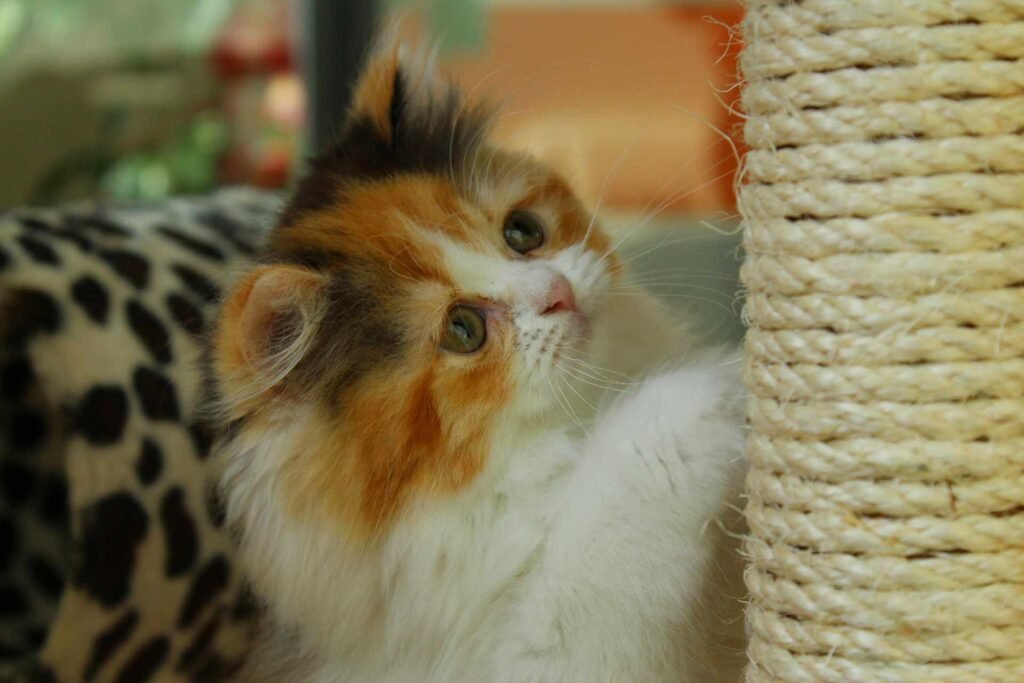
Cats typically scratch immediately after waking. Observe where your cat sleeps most frequently. Install a vertical sisal post within 2 to 3 feet of that location. When I repositioned a 34-inch weighted sisal column directly beside my cat’s preferred nap chair instead of across the room, scratching frequency on the sofa dropped by roughly 70 percent within ten days.
Material matters enormously. Sisal rope is the gold standard, it provides that satisfying resistance cats crave. Cardboard scratchers are surprisingly effective too, especially for cats who like to scratch horizontally. Some cats prefer carpet, while others go wild for corrugated cardboard. You might need to experiment with a few different textures to find your cat’s preference.
Stability is non-negotiable. If a scratching post wobbles when your cat uses it, they’ll abandon it immediately. Tall posts should be heavy enough that an enthusiastic cat can’t tip them over. For horizontal scratchers, make sure they don’t slide across the floor when your cat really gets into it.
Scratching Post Comparison
| Type | Best For | Durability |
|---|---|---|
| Tall Sisal Post | Vertical scratchers, full-body stretching | Excellent (lasts years) |
| Cardboard Scratcher | Horizontal scratchers, budget-conscious owners | Good (needs replacing every 2-4 months) |
| Cat Tree with Multiple Surfaces | Multi-cat homes, active cats | Very Good |
| Wall-Mounted Sisal | Space-savers, athletic cats | Excellent |
| Carpet-Covered Posts | Cats who prefer soft textures | Good to Excellent |
Physical Barriers
Sometimes you need to physically block access while you’re training your cat to use appropriate scratching surfaces. Protective covers designed specifically for furniture can be lifesavers during this transition period. These aren’t your grandmother’s plastic furniture covers, modern options are actually stylish and come in materials that cats simply don’t enjoy scratching.
Clear polycarbonate corner shields outperform soft vinyl in real-world testing because they resist claw penetration and maintain structural rigidity. Adhesive-backed furniture protectors should be rated for leather compatibility to prevent finish lift. I recommend testing adhesion on the underside of a cushion for 48 hours before full installation. Cheap adhesives can strip pigment layers during removal.
Double-sided tape works through tactile aversion, not scent. The adhesive sensation interrupts the scratching motor sequence. It should be viewed as a short-term conditioning tool rather than a permanent solution.
Some people have success with furniture throws or blankets made from tightly-woven materials. Microfiber can be particularly effective because it doesn’t give claws the same purchase that leather does. The trick is making sure these covers stay in place, a cover that slides off every time someone sits down won’t protect anything.
Training Techniques
Training a cat requires patience and consistency, but it’s absolutely doable. The foundation of success is positive reinforcement. Every single time your cat uses their scratching post instead of your couch, reward them immediately. We’re talking treats, praise, gentle pets, whatever your cat values most.
Use a three-step conditioning protocol:
Step 1: Interrupt – When claws contact leather, produce a neutral interrupter sound such as a brief clap. Avoid emotional tone.
Step 2: Redirect – Physically guide or lure the cat to the scratching post using a treat or toy within five seconds.
Step 3: Reinforce – Deliver a high-value reward within two seconds of correct scratching behavior.
In my experience, the timing window is critical. Delayed reinforcement weakens associative learning. Most owners miss this window and unintentionally reward unrelated behaviors.
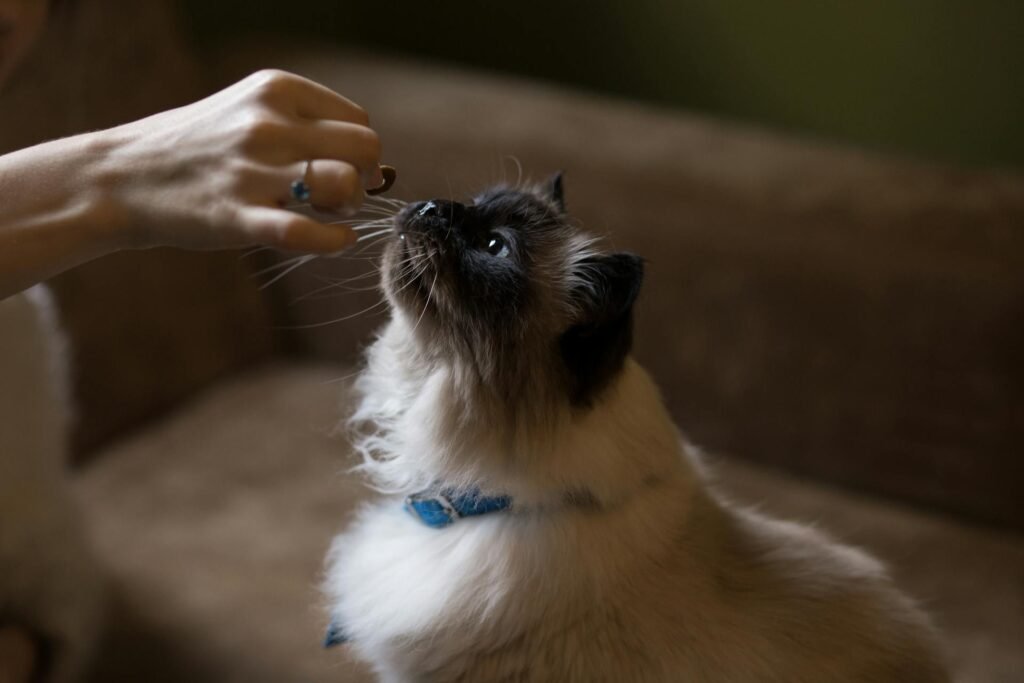
When you catch your cat scratching your leather furniture, don’t yell or spray them with water. These punishment-based methods damage your bond and don’t actually teach your cat what they should do instead. Instead, calmly interrupt the behavior with a gentle “no” and immediately redirect them to their scratching post.
Regular nail maintenance reduces the damage potential significantly. Shorter claws cause less destruction, plain and simple. If you’re nervous about trimming claws yourself, a vet or groomer can do it affordably. For some cats, nail caps are a good option, these are soft plastic covers that glue onto your cat’s claws and prevent damage without affecting their scratching behavior.
Environmental Enrichment to Reduce Furniture Scratching
Sometimes excessive scratching stems from boredom or stress. A cat who’s mentally and physically stimulated is less likely to obsessively attack your furniture. Keeping your cat engaged during the day reduces problem behaviors across the board. Research published in the Journal of Feline Medicine and Surgery demonstrates that environmental enrichment significantly reduces stress-linked behaviors in indoor cats.
Interactive toys that mimic prey movements tap into your cat’s hunting instincts. Wand toys with feathers or strings give your cat an appropriate outlet for their energy. Puzzle feeders make mealtime more engaging and burn mental calories. Even something as simple as rotating which toys are available can keep things fresh and interesting.
Vertical space makes a huge difference. Cats feel safer when they can survey their territory from above, and cat trees or wall-mounted perches satisfy this need while giving your cat something appropriate to climb on. Window perches are especially valuable, the entertainment value of watching birds and squirrels outside can keep a cat occupied for hours.
If you’ve recently moved, added a new pet, or experienced any major household changes, your cat might be stress-scratching. In these cases, addressing the underlying anxiety is just as important as protecting your furniture. Pheromone diffusers can help create a calming environment, and maintaining consistent routines provides security.
Common Mistakes to Avoid
We’ve seen plenty of well-intentioned cat owners accidentally make things worse, so let’s talk about what not to do. First, don’t assume one tiny scratching post will satisfy your cat’s needs. Most households need multiple scratching options in different locations and styles.
Declawing is never the answer. This procedure is an amputation of the last bone in each toe. It’s painful, can lead to behavioral issues, and is actually illegal in many places now. There are always better alternatives.
Expecting instant results sets everyone up for frustration. Behavior modification takes weeks, sometimes months. Your cat has probably been scratching your couch for a while, and they won’t unlearn that habit overnight. Consistency and patience are your best friends here.
Forgetting to maintain scratching posts is another common pitfall. If the sisal on your cat’s favorite post is completely shredded, they might return to your couch because the post no longer provides a satisfying scratch. Replace or refresh scratching surfaces regularly to keep them appealing.
Placing scratching posts in low-traffic areas pretty much guarantees they’ll be ignored. Cats want to scratch in social areas where the family spends time. That prominent spot in your living room isn’t negotiable, it’s actually a strategic location.
Repair and Recovery for Already-Damaged Leather
If your leather furniture has already taken some hits, you’re not necessarily facing a complete replacement. Minor scratches can often be treated with leather conditioning products that help the material swell slightly and close small gaps. Work the conditioner into the scratch with gentle circular motions and let it absorb fully.
For deeper scratches, leather filler products can work wonders. These come in various colors to match your furniture and fill in gouges before they turn into tears. You’ll need to carefully match the color and apply thin layers, but the results can be surprisingly good.
Leather repair kits that include colorants, fillers, and sealants are available for more extensive damage. These require more skill to use effectively, but they’re still more affordable than reupholstering or replacing furniture. Some companies even offer color-matching services where you send them a sample and they create a custom color blend.
Professional leather repair services exist for valuable pieces or damage beyond DIY fixes. These specialists can work near-miracles on torn leather, often making repairs virtually invisible. It’s an investment, but it’s still cheaper than buying new furniture.
Prevention is obviously better than repair, but knowing these options exist can take some of the stress out of the situation. Your couch isn’t necessarily ruined forever just because it has a few scratches.
Long-Term Maintenance and Prevention
Once you’ve successfully redirected your cat’s scratching behavior, maintaining that success requires ongoing effort. Continue rewarding your cat for using appropriate scratching surfaces, even after months of good behavior. Intermittent reinforcement, rewarding sometimes rather than every time, actually strengthens behavior better than constant rewards.
Keep those claws trimmed on a regular schedule. Most cats need a trim every two to three weeks. If you’re consistent with this, each session becomes easier because you’re removing less nail and your cat gets used to the routine.
Refresh your cat’s scratching surfaces before they become completely unusable. If you notice your cat scratching your furniture again after months of good behavior, check whether their preferred scratching post has seen better days. Sometimes the solution is as simple as adding a new post or replacing the sisal wrap.
Continue providing environmental enrichment throughout your cat’s life. A stimulated, happy cat is a well-behaved cat. Regular play sessions, mental challenges, and opportunities for natural behavior all contribute to a cat who’s less likely to engage in destructive scratching.
Monitor for changes in scratching behavior, as sudden increases can indicate stress, boredom, or even medical issues. If your cat suddenly starts attacking your furniture after months of leaving it alone, consider what’s changed in their environment or routine.
FAQ
Absolutely, though it might take a bit more patience than training a kitten. Older cats have more ingrained habits, but they’re still capable of learning new behaviors. The same principles apply, provide appealing alternatives, use positive reinforcement, and redirect rather than punish. Some older cats actually respond well to training because they’re calmer and less impulsive than young cats.
Full-grain leather with a natural patina is your best bet. It’s the toughest type of leather and develops a character over time that can actually hide minor scratches. Avoid bonded leather entirely, it’s the most vulnerable to cat damage and will basically disintegrate under repeated scratching. Aniline-dyed leather is beautiful but shows every mark, while pigmented leather has a protective coating that offers more resistance.
Most cats show improvement within two to four weeks of consistent training, but complete redirection can take two to three months. The timeline depends on how long your cat has been scratching the furniture, their age and personality, and how consistent you are with training. Some cats redirect within days, while stubborn cats might take longer. The important thing is not to give up if you don’t see immediate results.
They work for many cats, but not all. Effectiveness depends on your individual cat’s sensitivity to the scents used. Most deterrent sprays use citrus or other scents that cats typically dislike. You’ll need to reapply them regularly, usually daily at first, then less frequently as your cat loses interest in the furniture. Always test these products on an inconspicuous area of your leather first to ensure they don’t damage or discolor the material.
Covering the furniture is generally more effective and less stressful for everyone involved. Shutting your cat out of rooms creates stress and doesn’t teach them appropriate behavior, it just removes the opportunity. Covers, combined with appealing scratching alternatives and positive reinforcement, address the root behavior while maintaining your bond with your cat. Your cat should feel welcome in shared spaces while learning what’s acceptable.
It’s unpredictable. Some cats scratch less when they have a companion because they’re more mentally stimulated and have another cat to interact with. Others might scratch more as they establish territory and compete for resources. If you’re considering adding another cat primarily to solve a scratching problem, that’s probably not the right reason. However, if you want a second cat for other reasons and you’ve already established good scratching habits with your first cat, the transition is usually manageable.
Most cats can learn to prefer their scratching posts over furniture, though occasional slip-ups might happen. Complete avoidance is possible but requires consistent training, appealing alternatives, and sometimes physical barriers during the learning phase. Realistic expectations matter here, we’re managing an instinctive behavior, not eliminating it entirely. The goal is redirecting the behavior to appropriate outlets, which is absolutely achievable with patience and the right approach.
Conclusion
Leather protection in a cat household requires a systems approach. You control three variables: material resistance, environmental enrichment, and reinforcement consistency. When all three align, furniture damage becomes manageable rather than inevitable.
Expect measurable improvement within 30 days if placement, height, and reward timing are precise. If scratching persists beyond that window, reassess post stability, claw length, and stress triggers rather than escalating punishment.
The goal is directing it with enough precision that your furniture remains intact and your cat’s behavioral health remains intact as well.
Looking for more? Explore our Cat Furniture section for more posts like this, visit the Blog for fun and insightful reads, or browse our full Cat Category for everything feline-related, from care to comfort.
Disclaimer: This article is for informational purposes only and does not substitute for professional veterinary advice. Always consult your veterinarian for diagnosis and treatment tailored to your cat’s individual needs. Please verify current product information directly on the retailer’s site before purchasing.
References
- Cortina Leathers (2024). Leather Types. https://www.cortinaleathers.com/resources/leather-types/
- Demirbas YS, Pereira JS, De Jaeger X, Meppiel L, Endersby S, da Graça Pereira G. Evaluating undesired scratching in domestic cats: a multifactorial approach to understand risk factors. Front Vet Sci. 2024 Jul 3;11:1403068. https://doi.org/10.3389/fvets.2024.1403068
- DePorter TL, Elzerman AL. Common feline problem behaviors: Destructive scratching. J Feline Med Surg. 2019 Mar;21(3):235-243. https://doi.org/10.1177/1098612X19831205
- Ellis SLH, Rodan I, Carney HC, et al. AAFP and ISFM Feline Environmental Needs Guidelines. Journal of Feline Medicine and Surgery. https://doi.org/10.1177/1098612X13477537
- Humane World for Animals. Why declawing is bad for your cat. https://www.humaneworld.org/en/resources/why-declawing-bad-your-cat
- Sizeland KH, Edmonds RL, Basil-Jones MM, Kirby N, Hawley A, Mudie S, Haverkamp RG. Changes to collagen structure during leather processing. J Agric Food Chem. 2015 Mar 11;63(9):2499-505. https://doi.org/10.1021/jf506357j
- Wilson C, Bain M, DePorter T, Beck A, Grassi V, Landsberg G. Owner observations regarding cat scratching behavior: an internet-based survey. J Feline Med Surg. 2016 Oct;18(10):791-7. https://doi.org/10.1177/1098612X15594414
Check out our most recent articles!
- Can Cats Eat Green Peas? Safe, Healthy, or Just a Skip?
 A pea rolling across the kitchen floor is basically a free cat toy and a snack in one. But before it becomes a habit, here’s what you should know about what those little green things actually do for (or to) your cat.
 - Are Spray Bottles Bad for Cats? Reasons & AlternativesA spray bottle might stop your cat’s counter-surfing today, but it’s teaching them something much more troubling: that you’re unpredictable and potentially dangerous. Discover what really happens when you spray your cat and the alternatives that actually create lasting change.
- How Are Cats so Flexible? Your Cat’s Anatomy ExplainedBetween their 53 vertebrae, muscular shoulders connected only by soft tissue, and elastic joints, cats possess anatomical superpowers that blur the line between solid and liquid, letting them navigate spaces you’d swear were too small.
- Do Cats Copy Their Owners Voice, Personality and Actions?The independent cat stereotype is crumbling. Science reveals that cats engage in intentional mimicry, learning from their owners and adapting their personalities to match the humans they live with.
- Are Newborn Cats Born With Teeth? Everything About Kitten Dental GrowthEver wondered what’s happening inside a newborn kitten’s mouth? The answer might surprise you. Discover the complete timeline of feline dental development and learn what to expect as your kitten grows from gummy grins to a full set of adult teeth.
- Keeping Your Indoor Cat Warm in Winter: The Complete GuideEven indoor cats feel the winter chill more than you might think. Cold floors, dry air, and sneaky drafts can leave your feline less comfortable than they should be. Discover the simple adjustments that make all the difference in helping your cat stay genuinely cozy through the coldest months.
- Should You Look Your Cat in the Eyes? Is Staring Really Aggressive?Your cat’s eyes tell a story you’ve been misreading. While prolonged staring means one thing in human communication, cats interpret it completely differently. Discover why that loving gaze might actually be stressing out your feline friend and what to do instead.
- Choosing the Best Blanket for Your Cat: A Blanket Buyer’s GuideFinding the best blanket for your cat means considering more than just softness. Temperature regulation, durability, washability, and even behavioral quirks all play a role in choosing the perfect cozy spot for your feline friend. Discover which blanket types match your cat’s lifestyle.
- How to Get Your Kitten to Eat More: Simple Solutions for Picky EatersWatching your tiny kitten turn up their nose at perfectly good food can be heart-wrenching. This comprehensive guide reveals why kittens become picky eaters and shares practical solutions that transform mealtime battles into successful feeding routines.
- Can Cats Eat Fried Rice? Why This Takeout Favorite Is a No-GoThat irresistible takeout aroma might have your cat begging, but fried rice contains ingredients that can harm felines. Discover why even small amounts aren’t worth the risk and what treats truly suit your cat’s carnivorous nature.
- Why Do Cats Vibrate Their Tail? From Happy to HuntingYour cat’s vibrating tail is like a mood ring with fur. Whether they’re thrilled to see you or preparing to mark territory, decoding these rapid shakes reveals what’s really going on in their mind.
- Is Asparagus Bad for Cats? Risks, Benefits, and AlternativesYour cat’s eyeing your asparagus dinner, but should they have any? While this green veggie isn’t toxic to cats, there are surprising reasons why it’s not the treat you might think it is.
- How Cats Express Sadness: Reading Your Feline’s Emotional LanguageCats don’t cry emotional tears or mope around like dogs, but they absolutely experience sadness. The trick is learning to read their subtle language, the withdrawn behavior, the changed routines, the slight shifts in body posture that reveal their inner emotional world.
- Can Cats and Rabbits Live Together? Multi-Species Harmony GuideCats are predators, rabbits are prey, but that doesn’t mean they can’t coexist peacefully. Success comes down to understanding each animal’s instincts, respecting their boundaries, and taking introductions at the right pace.
- Are Space Heaters Safe for Cats? Keeping Your Cat CozySpace heaters can provide cozy warmth for your cat, but only when chosen and positioned with feline safety in mind. Discover which features protect against burns, fires, and electrical hazards.















Written by Solara Bergmeier (Technical Writer and Content Manger)
Last reviewed and edited on 17.02.2026