
Newborn kittens are born edentulous, meaning no erupted teeth are present in the oral cavity at birth. This is not accidental. The absence of erupted teeth protects the queen’s mammary tissue and allows neonates to form a tight suction seal during nursing. Tooth buds are already developing within the jaw before birth, but eruption does not begin until approximately 2 to 3 weeks of age.
Veterinary dentistry tracks dental eruption because it provides one of the most reliable early-age markers in kittens. In rescue settings, dental status is often more accurate than weight alone for estimating age. Knowing about the eruption sequence and timing allows you to detect retained deciduous teeth, malocclusion, or delayed eruption before they create long-term periodontal problems.
The Toothless Beginning
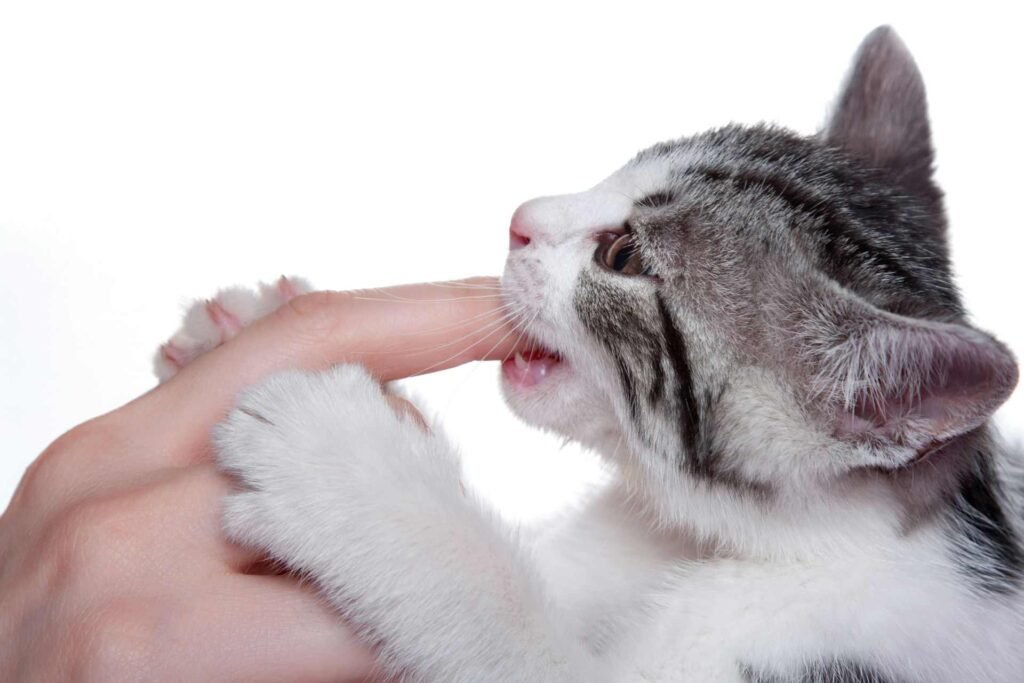
When kittens first enter the world, they’re mostly helpless little creatures. Their eyes are sealed shut, their ears are folded, and yes, their mouths are completely free of teeth. This toothless phase typically lasts about two weeks, though some kittens might start showing signs of teeth emerging slightly earlier or later.
During the neonatal phase, kittens rely exclusively on milk and possess a fully functional suckle reflex. The absence of erupted teeth prevents trauma to the queen’s nipples and ensures effective latch mechanics. At this stage, the gingiva appears smooth and pale pink. Any visible white structures or oral swelling in a true neonate warrants veterinary evaluation, as natal teeth in cats are extremely rare.
Related: Can Cats Drink Human Breast Milk?
You might notice newborn kittens making what looks like kneading motions with their paws while nursing. This behavior stimulates milk flow and bonds them with their mother, all while their little gums work to extract every drop of nourishment they need.
Baby Teeth Arrive
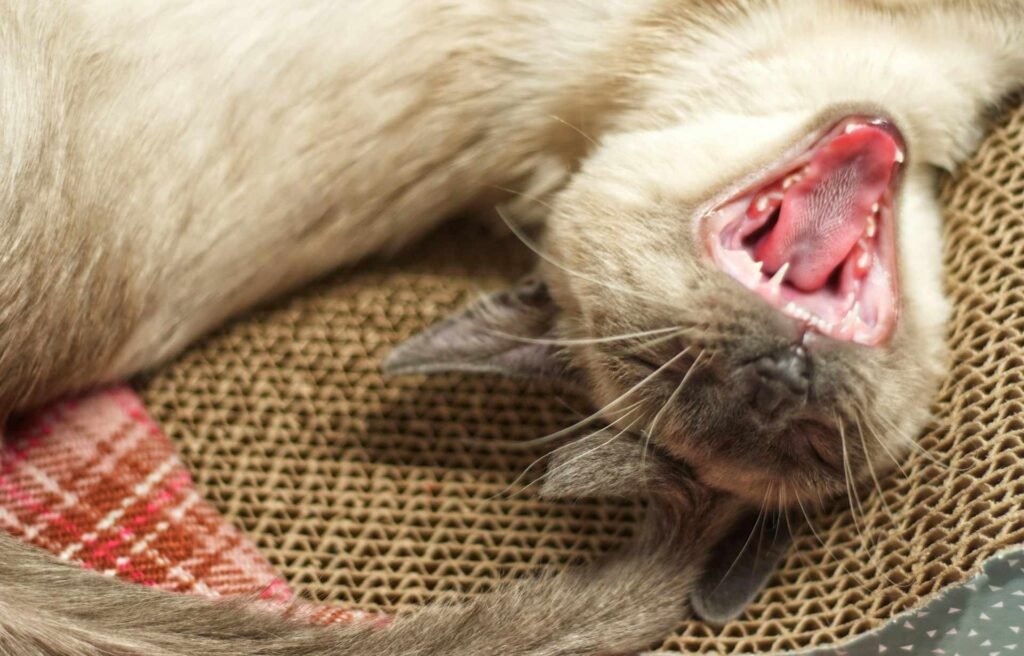
Around the two to three week mark, the first baby teeth, officially called deciduous teeth or milk teeth, start breaking through. These initial teeth are typically the incisors, those small front teeth you’ll spot when a kitten yawns.
By the time a kitten reaches three to four weeks old, the canines, those pointy vampire-like fangs, emerge. These are followed by the premolars, which show up around four to six weeks of age. The complete set of baby teeth usually arrives by the time your kitten is about eight weeks old.
Here’s what the complete baby tooth count looks like:
| Tooth Type | Number of Teeth | When They Appear |
|---|---|---|
| Incisors | 12 (6 upper, 6 lower) | 2-3 weeks |
| Canines | 4 (2 upper, 2 lower) | 3-4 weeks |
| Premolars | 10 (6 upper, 4 lower) | 4-6 weeks |
| Total | 26 baby teeth | Complete by 8 weeks |
Deciduous dentition in kittens consists of 26 teeth because molars are absent in the primary set. The dental formula for deciduous teeth is:
I 3/3, C 1/1, P 3/2 = 26
The permanent dental formula is:
I 3/3, C 1/1, P 3/2, M 1/1 = 30
This formula notation is standard in veterinary dentistry and refers to the number of each tooth type on one side of the upper and lower jaw.
When Baby Teeth Fall Out
Around three to four months of age, kittens start losing their deciduous teeth to make room for their permanent adult teeth. This process, known as teething, can continue until your kitten is circa seven months old.
The tooth exchange follows a similar pattern to how the baby teeth emerged. Incisors typically fall out first, followed by canines and premolars. The new adult molars, which kittens didn’t have as babies, also start appearing during this time.
Most owners never see a shed deciduous tooth. The majority are swallowed during eating or grooming and pass harmlessly through the gastrointestinal tract. The more important observation is timing. By 6 to 7 months of age, all deciduous teeth should be absent. If a baby canine remains after a permanent canine has erupted, this is classified as a retained deciduous canine and should be extracted promptly to prevent crowding and early periodontal pocket formation.
During this teething period, you might notice your kitten becoming more mouthy or wanting to chew on everything in sight. This behavior is normal as they try to relieve the discomfort of new teeth pushing through. Providing appropriate chew toys designed for teething kittens can save your furniture and give your little one something safe to gnaw on.
Adult Teeth: The Permanent Set
By the time your cat celebrates their first birthday, they should have a complete set of 30 permanent teeth. This is four more teeth than they had as kittens, thanks to those additional molars that appear in adulthood.
The adult tooth lineup includes:
- 12 incisors (same as baby teeth)
- 4 canines (same as baby teeth)
- 10 premolars (same as baby teeth)
- 4 molars (new additions)
These permanent teeth are designed to last your cat’s entire lifetime, which is why dental care becomes so crucial. Unlike humans who might get dentures or implants, cats rely on these 30 teeth for everything from grooming themselves to eating their meals. Investing in dental care products specifically formulated for cats can prevent problems down the road.
Early introduction to dental handling during kittenhood directly influences compliance with brushing in adulthood. In my experience working with young cats during routine exams, those exposed to weekly oral handling before 6 months of age tolerate full brushing dramatically better than those introduced after one year.
Signs Your Kitten Is Teething
Teething can be uncomfortable, though most kittens handle it like the tough little troopers they are. Still, you might notice some behavioral changes during this phase. Watch for increased drooling, which happens as those new teeth work their way through the gums. Some kittens might also show a decreased appetite, particularly if their gums are sore.
Don’t be surprised if your usually sweet kitten suddenly becomes a little nippy or mouthy. This isn’t aggression but rather an attempt to soothe irritated gums. Redirecting this behavior toward appropriate toys rather than your hands is important for establishing good habits.

Mild halitosis can occur during tooth eruption due to transient gingival inflammation. However, strong or persistent foul odor is not normal and may indicate gingivitis, ulceration, or early infection. Normal teething should not produce heavy bleeding, pus, or refusal to eat for more than 24 hours.
Some kittens become a bit grumpy or irritable during teething, much like human babies. Extra patience and gentleness during this phase will help your kitten feel secure. Creating a calm environment and ensuring they have quiet spaces to retreat to can make the process easier.
Helping Your Kitten Through Teething
There are several ways you can support your kitten during this transition. Offering wet food can be easier on sore gums than crunchy kibble, and slightly chilling the food can provide soothing relief. Just avoid freezing it solid, as that could be too much of a shock for sensitive mouths.
Providing safe chew toys is essential. Look for rubber or silicone toys designed for kittens that can withstand enthusiastic gnawing. Some pet parents even freeze wet washcloths for their kittens to chew on, though supervision is important to prevent any fabric from being torn off and swallowed.
Gentle play sessions can help distract from discomfort while still allowing your kitten to burn off energy. Interactive feather wands or small soft toys can engage their hunting instincts without putting pressure on sore gums.
This is also an excellent time to introduce the concept of dental care. While you shouldn’t aggressively brush a teething kitten’s teeth, getting them used to having their mouth touched and examined will make future dental care much easier. Start by gently rubbing your finger along their gums for a few seconds at a time, gradually working up to using a finger brush or soft kitten toothbrush.
Related: Do Dental Treats for Cats Actually Work?
Potential Dental Issues
While most kittens sail through teething without major problems, occasionally things don’t go quite as planned. Retained baby teeth are one issue to watch for. Sometimes a deciduous tooth doesn’t fall out on its own, even after the adult tooth has emerged. This can cause crowding, misalignment, and create pockets where food and bacteria accumulate.
If you notice what looks like double teeth, particularly the canines, mention it at your kitten’s next veterinary visit. Your vet might recommend extracting the retained baby tooth to prevent future complications. This is typically a straightforward procedure, especially when caught early.
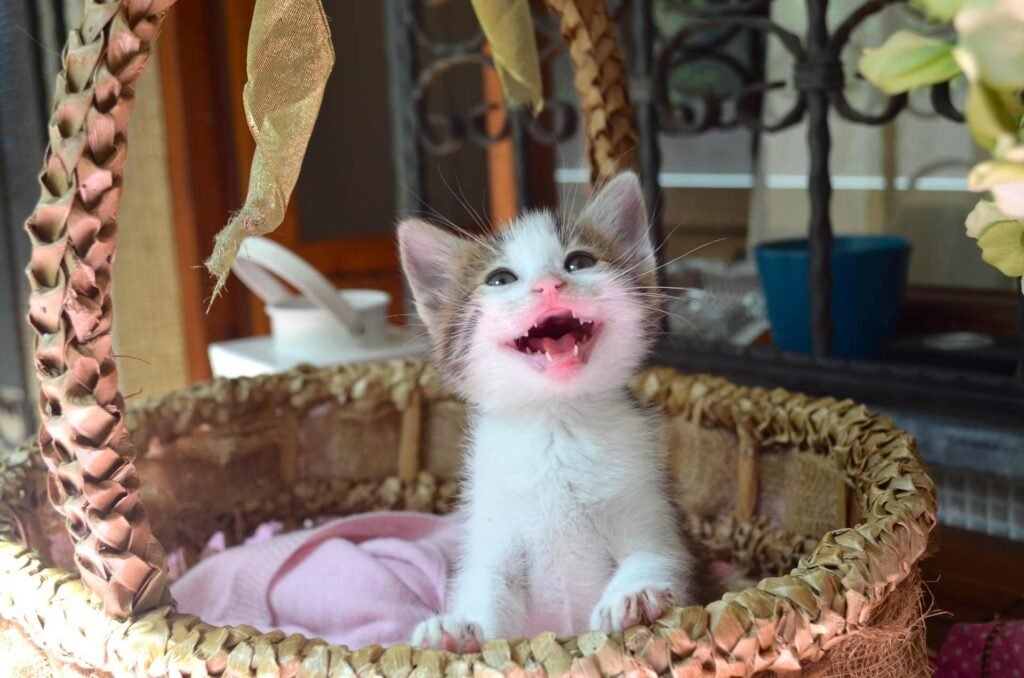
Malocclusion, or improper bite alignment, can also develop during this stage. While some breeds are predisposed to bite issues, trauma or genetics can affect any kitten. Watch how your kitten’s top and bottom teeth come together. When the mouth is closed, the upper canines should fit slightly in front of the lower canines, and the teeth should meet in a scissor-like fashion.
In kittens, malocclusion most commonly presents as mandibular distoclusion, where the lower jaw sits slightly behind the upper jaw. Brachycephalic breeds may present with crowding due to shortened maxilla length. Severe malocclusion can lead to traumatic contact between teeth and soft tissues, particularly where lower canines impinge on the palate. Early intervention prevents chronic ulceration.
Common Myths About Kitten Teeth
Let’s clear up some misconceptions about newborn kittens and teeth. One common myth suggests that kittens are born with teeth but they’re just hidden beneath the gums. While tooth buds do exist before birth, kittens are toothless at birth. Those teeth haven’t erupted yet and won’t for at least a couple weeks.
Another myth claims that kitten teeth are soft or rubbery. Anyone who’s been on the receiving end of a playful kitten bite can tell you those baby teeth are surprisingly sharp! They’re quite needle-like, which is why teaching appropriate play behavior early matters so much.
Some people believe cats only lose their baby teeth if something is wrong. Losing deciduous teeth is a normal, healthy part of feline development, just like in humans and many other mammals. Finding a tiny tooth or noticing a gap in your kitten’s smile isn’t cause for alarm unless accompanied by other symptoms.
FAQ
Kittens typically begin developing their first baby teeth around two to three weeks of age. The incisors appear first, followed by canines and premolars. By approximately eight weeks old, most kittens have their complete set of 26 deciduous teeth.
The timing can vary slightly between individual kittens. Some might show their first tooth as early as 10-12 days, while others might take closer to four weeks. You’ll notice the teeth first as tiny white bumps along the gum line before they fully break through.
Baby cats have 26 deciduous teeth, while adult cats have 30 permanent teeth. The difference comes from the four molars that only appear in adulthood. Kittens don’t develop molars until their permanent teeth come in around five to seven months of age.
Those four additional molars are positioned at the very back of the jaw and are designed for grinding and processing food more thoroughly. The 26 baby teeth include 12 incisors for nibbling, 4 sharp canines for gripping, and 10 premolars for cutting and tearing food.
Yes, teeth can provide a rough estimate of a kitten’s age. Newborn kittens have no visible teeth. The presence of baby teeth suggests a kitten is at least two weeks old, while a complete set indicates around eight weeks. The transition to adult teeth begins around three to four months, and a full adult set suggests a cat is at least seven months old.
Veterinarians and experienced rescuers often use dental development as one of several indicators when determining the age of found kittens. Examining teeth alongside other factors like weight, eye color, and mobility provides the most accurate estimate.
Most kittens experience some level of discomfort during teething, though the severity varies. Signs include increased chewing behavior, mild drooling, and occasional irritability. Severe pain isn’t typical, so if your kitten seems extremely distressed or refuses to eat, consult your veterinarian.
The discomfort is similar to what human babies experience. Some kittens barely seem to notice, while others become noticeably fussier, especially when the larger canine teeth are pushing through. Providing appropriate outlets for chewing and being patient with minor behavioral changes usually gets everyone through teething without major issues.
Gentle introduction to dental care during teething is beneficial for creating good habits, but aggressive brushing of sore gums isn’t recommended. Start by getting your kitten comfortable with having their mouth touched, then gradually introduce a soft brush designed for kittens once the adult teeth are fully in. The goal during teething is familiarization rather than thorough cleaning.
Begin by simply lifting your kitten’s lip and gently touching their gums with your finger for a few seconds each day. Once they’re comfortable, you can introduce a finger brush or very soft kitten toothbrush. Building this routine early means your adult cat will be much more accepting of regular dental care throughout their life.
Retained baby teeth, especially canines, can cause crowding and create spaces where bacteria accumulate. If you notice double teeth or a baby tooth that hasn’t fallen out by the time your kitten is seven months old, your veterinarian may recommend extraction to prevent future dental problems.
When a baby tooth doesn’t fall out on schedule, the permanent tooth may erupt alongside it, creating abnormal spacing where food particles and bacteria can get trapped. Your vet can usually extract a retained baby tooth during a routine appointment, though sometimes it’s done during spaying or neutering while the kitten is already under anesthesia.
While tooth buds exist beneath the gums before birth, kittens don’t have visible or erupted teeth when they’re born. The teeth begin breaking through the gum tissue around two to three weeks of age. This toothless period makes nursing more comfortable for mother cats.
The tooth buds are essentially the foundation for future teeth, developing in the jaw even before birth. However, these buds haven’t calcified or erupted yet, so there’s nothing hard or sharp in a newborn kitten’s mouth. This allows newborn kittens to nurse effectively without causing injury to their mother.
From Gummy Grins to Grown-Up Chompers
Kittens are born without erupted teeth, develop a full deciduous set of 26 teeth by approximately 8 weeks, and transition to 30 permanent teeth between 3 and 7 months of age. That developmental window is not just interesting biology. It is the foundation for lifelong oral health.
The most important actions during this period are monitoring eruption timing, checking for retained deciduous teeth, introducing gentle oral handling, and establishing preventive dental habits before periodontal disease begins. By age three, the majority of cats show some level of periodontal change. Preventive care started during kittenhood significantly reduces that trajectory.
Dental development is predictable. Complications are not. Owners who understand the timeline are far more likely to catch problems early, when correction is simple and outcomes are better.
Looking for more? Explore our Cat Health section for more posts like this, visit the Blog for fun and insightful reads, or browse our full Cat Category for everything feline-related, from care to comfort.
Disclaimer: This article is for informational purposes only and does not substitute for professional veterinary advice. Always consult your veterinarian for diagnosis and treatment tailored to your cat’s individual needs. Please verify current product information directly on the retailer’s site before purchasing.
References
- ASPCAPRO. AGING KITTENS (2019). https://www.aspcapro.org/sites/default/files/aspcapro-aging-kittens-2019.pdf
- AVDC. Animal Owner Resources. https://avdc.org/animal-owner-resources/
- AVMA. Pet dental care. https://www.avma.org/resources-tools/pet-owners/petcare/pet-dental-care
- Milella L. Occlusion and malocclusion in the cat: what’s normal, what’s not and when’s the best time to intervene? J Feline Med Surg. 2015 Jan;17(1):5-20. https://doi.org/10.1177/1098612X14560095
- World Small Animal Veterinary Association Global Dental Guidelines. https://wsava.org/wp-content/uploads/2020/01/Dental-Guidleines-for-endorsement_0.pdf
Check out our most recent articles!
- How Cats Always Know Exactly Where (and When) to Groom
 A cat who suddenly grooms less isn’t being lazy. One who grooms constantly might not just be clean-obsessed. Grooming habits are one of the clearest windows into your cat’s wellbeing once you know what to look for.
 - Why Do Cats Push Things Off Tables? Solving Your Cat’s Destructive HabitCats knock things off tables due to hunting instincts, boredom, and attention-seeking behavior. Discover the science behind this maddening habit and learn practical prevention strategies that actually work.
- Can Cats Eat Green Peas? Safe, Healthy, or Just a Skip?A pea rolling across the kitchen floor is basically a free cat toy and a snack in one. But before it becomes a habit, here’s what you should know about what those little green things actually do for (or to) your cat.
- Are Spray Bottles Bad for Cats? Reasons & AlternativesA spray bottle might stop your cat’s counter-surfing today, but it’s teaching them something much more troubling: that you’re unpredictable and potentially dangerous. Discover what really happens when you spray your cat and the alternatives that actually create lasting change.
- How Are Cats so Flexible? Your Cat’s Anatomy ExplainedBetween their 53 vertebrae, muscular shoulders connected only by soft tissue, and elastic joints, cats possess anatomical superpowers that blur the line between solid and liquid, letting them navigate spaces you’d swear were too small.
- Do Cats Copy Their Owners Voice, Personality and Actions?The independent cat stereotype is crumbling. Science reveals that cats engage in intentional mimicry, learning from their owners and adapting their personalities to match the humans they live with.
- Are Newborn Cats Born With Teeth? Everything About Kitten Dental GrowthEver wondered what’s happening inside a newborn kitten’s mouth? The answer might surprise you. Discover the complete timeline of feline dental development and learn what to expect as your kitten grows from gummy grins to a full set of adult teeth.
- Keeping Your Indoor Cat Warm in Winter: The Complete GuideEven indoor cats feel the winter chill more than you might think. Cold floors, dry air, and sneaky drafts can leave your feline less comfortable than they should be. Discover the simple adjustments that make all the difference in helping your cat stay genuinely cozy through the coldest months.
- Should You Look Your Cat in the Eyes? Is Staring Really Aggressive?Your cat’s eyes tell a story you’ve been misreading. While prolonged staring means one thing in human communication, cats interpret it completely differently. Discover why that loving gaze might actually be stressing out your feline friend and what to do instead.
- Choosing the Best Blanket for Your Cat: A Blanket Buyer’s GuideFinding the best blanket for your cat means considering more than just softness. Temperature regulation, durability, washability, and even behavioral quirks all play a role in choosing the perfect cozy spot for your feline friend. Discover which blanket types match your cat’s lifestyle.
- How to Get Your Kitten to Eat More: Simple Solutions for Picky EatersWatching your tiny kitten turn up their nose at perfectly good food can be heart-wrenching. This comprehensive guide reveals why kittens become picky eaters and shares practical solutions that transform mealtime battles into successful feeding routines.
- Can Cats Eat Fried Rice? Why This Takeout Favorite Is a No-GoThat irresistible takeout aroma might have your cat begging, but fried rice contains ingredients that can harm felines. Discover why even small amounts aren’t worth the risk and what treats truly suit your cat’s carnivorous nature.
- Why Do Cats Vibrate Their Tail? From Happy to HuntingYour cat’s vibrating tail is like a mood ring with fur. Whether they’re thrilled to see you or preparing to mark territory, decoding these rapid shakes reveals what’s really going on in their mind.
- Is Asparagus Bad for Cats? Risks, Benefits, and AlternativesYour cat’s eyeing your asparagus dinner, but should they have any? While this green veggie isn’t toxic to cats, there are surprising reasons why it’s not the treat you might think it is.
- How Cats Express Sadness: Reading Your Feline’s Emotional LanguageCats don’t cry emotional tears or mope around like dogs, but they absolutely experience sadness. The trick is learning to read their subtle language, the withdrawn behavior, the changed routines, the slight shifts in body posture that reveal their inner emotional world.















Written by Solara Bergmeier (Technical Writer and Content Manger)
Last reviewed and edited on 26.02.2026