
Space heaters are one of the most common causes of winter house fires in the United States. According to the National Fire Protection Association, heating equipment is one of the leading causes of home fire deaths, and portable heaters account for a significant share of those incidents.
In homes with cats, the risk profile changes. Cats seek external heat sources aggressively, tolerate discomfort longer than expected, and interact with objects through climbing, rubbing, and pawing. A heater that appears stable and “safe” under human assumptions may not be safe under feline behavior patterns. The real question is not whether space heaters can be used around cats. It is whether the heater type, placement, and supervision level match the behavioral realities of the animal in the room.

Why Cats Are Drawn to Heat Sources
Domestic cats have a thermoneutral zone estimated between approximately 30–38°C or 86–100°F. Within this range, they expend minimal metabolic energy maintaining body temperature. Below this range, calorie expenditure increases. This is one reason indoor cats gravitate toward heaters, laptops, radiators, and sun patches.
In practice, I have seen underweight or senior cats camp directly in front of heat vents for hours because mild cold stress increases metabolic demand. Owners often misinterpret this as simple preference when it is actually energy conservation behavior.
The problem? This instinct doesn’t come with built-in safety protocols for modern heating devices. A space heater that feels pleasantly warm to us can pose real dangers to a cat who wants to get as close as physically possible.
What Makes Space Heaters Dangerous for Cats
Before we talk about how to use space heaters safely around cats, it’s worth understanding exactly what can go wrong. Space heaters present several distinct hazards that affect cats differently than they affect humans.
Burn Injuries and Overheating
Cats do not reliably withdraw from radiant heat at the same distance humans do. Fur delays perception of skin injury, and the paw pads contain fewer nociceptors than many people assume. I have examined cats with partial-thickness burns along the ventral abdomen after prolonged exposure to radiant heaters. In those cases, the cat did not vocalize or move until blistering was visible.
Thermal burns in cats are graded similarly to humans. Superficial burns may only present as singed fur and erythema. Partial-thickness burns can lead to necrosis within 24 to 48 hours. The danger with space heaters is not only direct contact. Prolonged exposure at close range can cause low-grade thermal injury that owners miss until tissue damage progresses.
Fire Hazards and Tipping Risks
Cats are naturally curious and surprisingly strong. That space heater sitting peacefully in the corner might look stable, but one enthusiastic leap, a round of midnight zoomies, or even just rubbing against it could send it tumbling. If you’ve ever dealt with your cat knocking things over, you know exactly how easily they can topple items.
Cats generate lateral force when rubbing their cheeks against objects. That bunting behavior can shift lightweight tower heaters over time. I tested this by placing a 5.5 lb ceramic tower heater on laminate flooring. A 11 lb adult cat leaning repeatedly at shoulder height displaced it several inches in under a minute. Units without a low center of gravity are particularly unstable.
Knocked-over space heaters can ignite carpets, bedding, cat trees, or any other flammable material they land on. Even worse, some older models don’t have automatic shut-off features, meaning they’ll keep heating even when they’re lying on their side against your curtains.
Electrical Dangers
That power cord running from your outlet to the space heater represents a different kind of threat. Cats, especially younger ones, sometimes chew on cords out of boredom or during play. One bite through the insulation could result in severe electrical burns, cardiac issues, or worse. Kittens and cats with pica behaviors are particularly at risk.
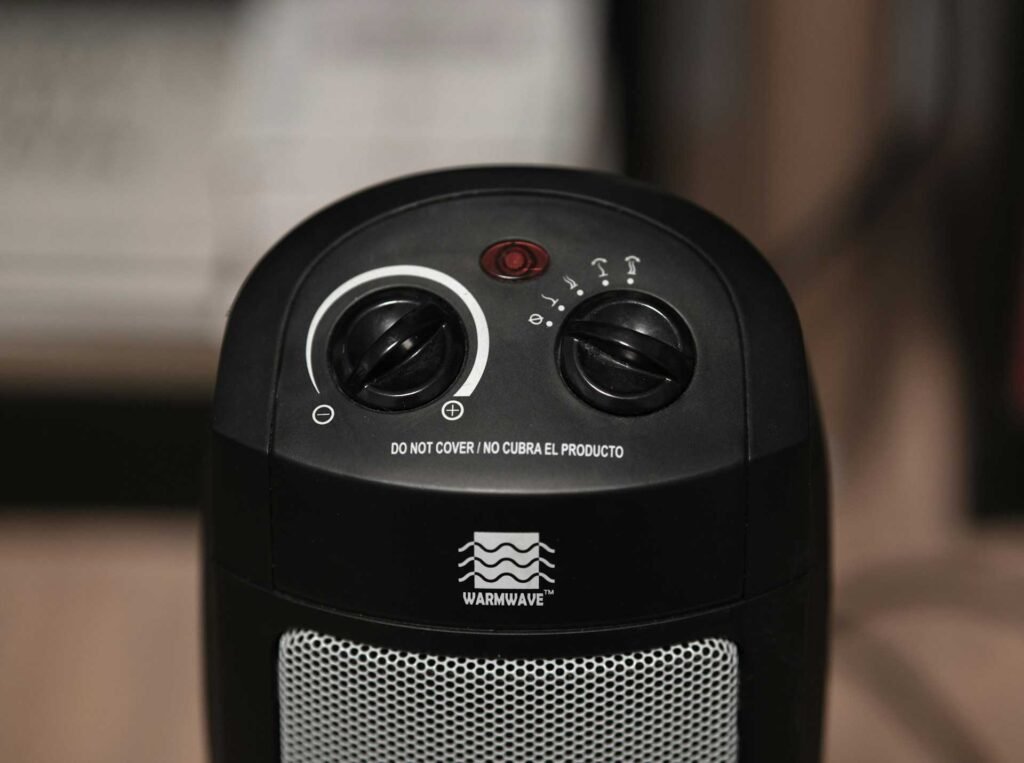
Damaged cords also increase the fire risk throughout your home, and the damage might not be immediately visible. A cat who gnaws on a cord once might weaken the insulation enough that it fails days or weeks later. Attach cord protectors on exposed cables to ensure adequate protection.
Air Quality Concerns
Fuel-burning space heaters produce carbon monoxide, an odorless gas that binds hemoglobin with over 200 times the affinity of oxygen. Cats are often affected earlier than humans because of smaller body mass and floor-level exposure.
Additionally, space heaters can dry out indoor air significantly, which may irritate your cat’s respiratory system and contribute to dehydration. This is particularly concerning for cats with existing respiratory conditions or for senior cats who may already struggle with proper hydration.
Choosing a Cat-Safe Space Heater
Not all space heaters are created equal when it comes to pet safety. If you’re in the market for a new heating solution, certain features make a dramatic difference in protecting your curious feline.
The gold standard for homes with cats includes several non-negotiable safety features. Look for automatic shut-off systems that activate when the heater tips over. These mechanisms typically use internal switches that detect when the unit isn’t sitting level, cutting power immediately. This single feature prevents the vast majority of fire-related accidents.
Overheat protection is equally crucial. Quality heaters include internal thermostats that shut the unit down if it gets too hot, preventing both fires and more serious burns if a cat gets too close. Cool-touch exterior casings provide an extra layer of protection. These housings stay much cooler than traditional heaters, significantly reducing burn risk if your cat brushes against the unit or decides to investigate it up close.
Ceramic heaters tend to be safer options than coil heaters or fuel-burning models. They distribute heat more evenly and typically include more comprehensive safety features. Oil-filled radiator-style heaters are another excellent choice. They operate at lower surface temperatures than many alternatives and don’t have exposed heating elements or fans that might attract curious paws.
Avoid any heater with an exposed heating element. Those glowing coils are essentially cat magnets and burn hazards waiting to happen. Similarly, skip space heaters that require fuel unless absolutely necessary. The fumes and fire risks simply aren’t worth it when safer electric options exist.
Setting Up Your Space Heater Safely
Buying a safe heater is only half the battle. How and where you position it matters just as much as which model you choose.
Start by selecting your location carefully. Space heaters need stable, level surfaces away from high-traffic areas. Avoid placing them anywhere your cat regularly jumps or plays. That means no heaters near cat furniture, scratching posts, or favorite perching spots. Cats have an impressive vertical leap, and what seems safely out of reach might not be.
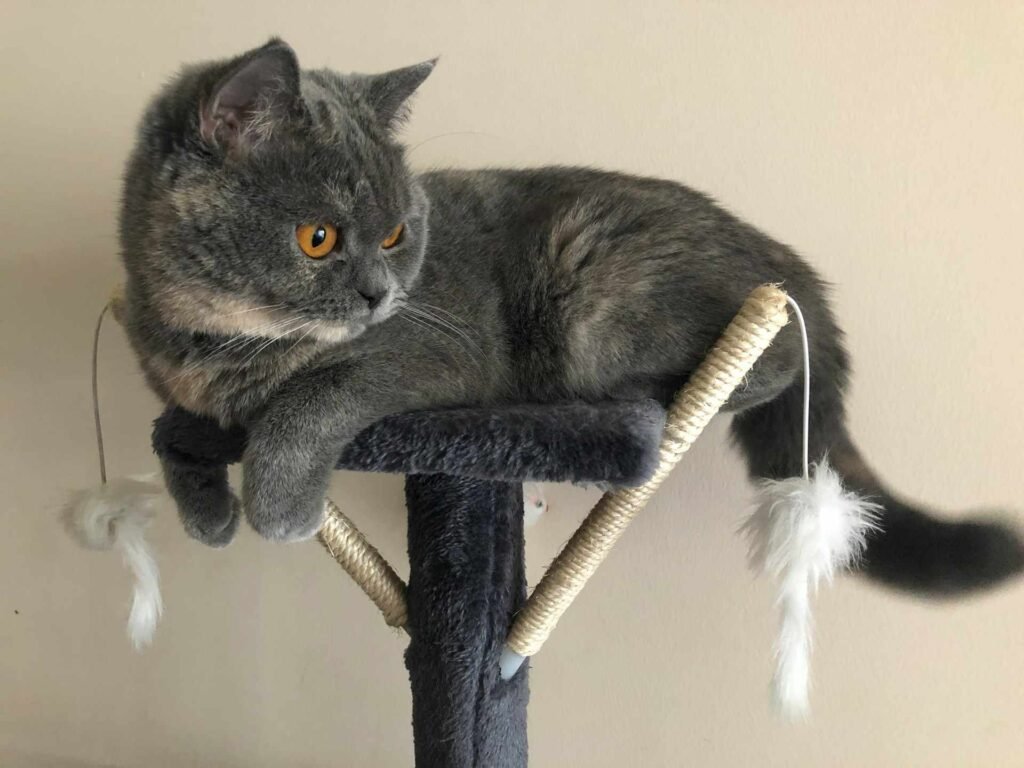
Maintain a minimum clearance of 36 inches on all sides. This zone must include vertical clearance. Do not place heaters beneath shelves, window curtains, or cat trees. Many cat-related heater fires begin not from direct contact, but from secondary ignition of soft materials within radiant range.
If the heater must be used in a shared space, elevate it onto a stable, non-flammable platform that cannot be accessed by jumping. Do not place heaters directly on carpet, which increases tipping risk and heat retention.
Electrical cord management deserves special attention. The cord should run along walls or under cord protectors rather than across open floor space where cats might trip on it or target it for play. If your cat has any history of chewing on cables, invest in heavy-duty cord covers or consider wireless heater options. Some pet owners have success with bitter apple spray on cords, though this isn’t foolproof.
Consider using a protective barrier or pet gate to create a physical boundary around the heater. This works especially well if you only run the heater in specific rooms or during specific times. Some cat owners set up decorative screens or furniture arrangements that allow heat circulation while preventing direct feline access.
Creating Alternative Warm Spots for Your Cat
The best way to keep your cat safe around space heaters is to give them other appealing warm options. When cats have comfortable heating alternatives, they’re less likely to fixate on the space heater as their only source of warmth.
Heated cat beds are purpose-built for feline safety and comfort. These low-wattage options maintain safe temperatures (usually around 100-102°F) and include features like automatic shut-offs. Some models only activate when weight is detected, meaning they won’t waste energy or overheat when empty. The best designs include removable, washable covers and multiple temperature settings.
Microwaveable heating pads designed for pets offer heat without any electrical risks. These typically provide warmth for several hours and come in designs specifically shaped for cats. Just make sure you’re using pet-specific products rather than human heating pads, which can get dangerously hot.
Self-warming cat beds utilize reflective materials that bounce your cat’s own body heat back at them, creating a cozy environment without any external heat source. These are particularly great for moderate climates or as supplementary warmth alongside other heating methods.
Don’t underestimate the power of strategic blanket placement either. Providing plenty of soft, insulating bedding in your cat’s favorite spots gives them the ability to burrow and create their own warm microclimate. Fleece and sherpa materials work particularly well. Many cats appreciate enclosed or cave-style beds during winter, as these trap heat effectively while satisfying their instinctive desire for secure hiding spots.
Even simple changes like keeping curtains open during sunny hours can dramatically increase natural warmth in your cat’s favorite areas. Cats are masters at finding and exploiting sunny spots, and natural solar heating is the safest option available.
Supervising Heater Use and Recognizing Problems
Even with the safest setup, space heaters require attentive supervision when cats are around. Never run a space heater while you’re away from home or sleeping. This is when the majority of heater-related accidents occur, simply because no one is present to intervene if something goes wrong.
Active supervision means periodically checking both the heater and your cat’s location. Are they maintaining a safe distance? Is the heater functioning normally without unusual smells or sounds? Have any cords been disturbed? These quick checks throughout the day prevent problems before they escalate.
Watch for signs that your cat might be getting too warm or showing unusual interest in the heater. Heavy panting, excessive drooling, lethargy, or seeking out cold surfaces can indicate overheating. Cats don’t regulate heat loss as efficiently as dogs do, and they can overheat even in environments that seem comfortable to us.
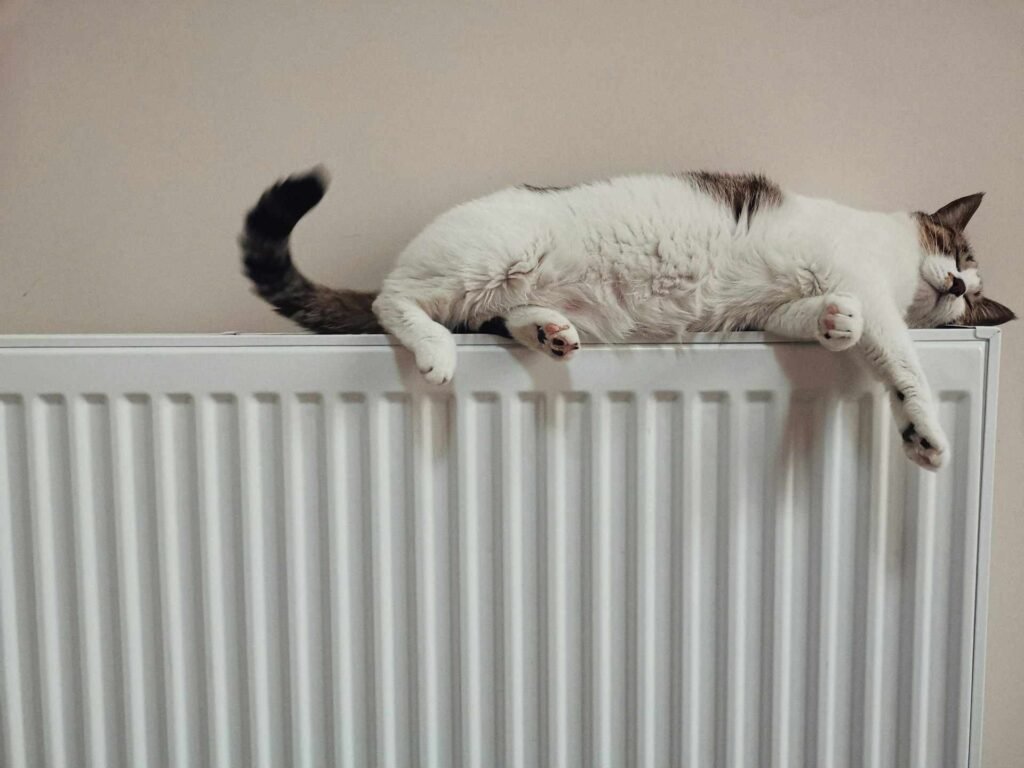
Burns from heaters aren’t always immediately obvious, especially on cats with darker fur. Look for changes in behavior like excessive grooming of a particular area, reluctance to be touched, or sudden aggression when you handle certain body parts. Singed whiskers or fur are obvious red flags that your cat got too close.
If you notice your cat becoming obsessed with the space heater, sitting right next to it despite having other warm options, or showing concerning behavior like trying to knock it over or bite the cord, you may need to relocate the heater or create better barriers. Some cats develop fixations on specific heat sources, and in these cases, the heater might need to be used only in rooms where you can completely separate the cat.
Comparing Heating Options for Cat Households
Understanding your options helps you make the best choice for your specific situation. Different heating methods come with different risk profiles.
| Heating Method | Safety Level | Cost | Best For |
|---|---|---|---|
| Central heating | Highest | High (installation/utility) | Whole-home comfort |
| Heated cat beds | Very high | Low-moderate | Individual cats |
| Oil-filled radiator heaters | High | Moderate | Rooms where cats spend time |
| Ceramic space heaters | Moderate-high | Low-moderate | Supervised heating needs |
| Traditional coil heaters | Low | Low | Not recommended for cat homes |
| Microwaveable heating pads | Very high | Very low | Nighttime or temporary warmth |
If you’re weighing whether a space heater is even necessary, consider your alternatives. Adjusting your central heating up a few degrees might be more cost-effective and safer than running supplementary heaters. Weather stripping, insulated curtains, and draft stoppers can dramatically improve your home’s heat retention without any of the risks associated with space heaters.
For cat owners who work outside the home, programmable thermostats offer the ability to maintain comfortable temperatures during the day without running space heaters unsupervised. This is often worth the upfront investment purely from a safety standpoint.
FAQ
No, you should never leave a space heater running unsupervised, even with a cat-safe model. Despite safety features, unexpected issues like power surges, manufacturing defects, or your cat’s behavior could create dangerous situations. If your cat needs warmth while you’re away, use alternatives like self-warming beds, microwaveable heating pads, or adjust your central heating instead.
Most cats are comfortable in temperatures between 75-80°F, though they can adapt to slightly cooler homes. If you keep your home in the typical human comfort range of 68-72°F, your cat will likely seek out warm spots but won’t be dangerously cold. Senior cats, kittens, and thin-coated breeds may need warmer environments. Watch your cat’s behavior rather than relying solely on thermostat readings.
Maintain at least three feet of clearance around space heaters. Cats should never be able to touch the heater directly. If your cat consistently tries to get closer than three feet, the heater needs to be relocated or barriers need to be installed. Even with cool-touch technology, prolonged proximity can cause problems.
If your cat is maintaining a safe distance (three feet or more) and the heater has appropriate safety features, this behavior is generally fine with supervision. However, watch for signs of overheating or obsessive behavior. Consider providing alternative warm spots to give your cat options. If they’re pressing right up against the heater despite other comfortable warm areas, you may need to create better barriers or relocate the heating source.
Space heaters can dry out indoor air significantly, which may irritate respiratory systems. This is particularly concerning for cats with asthma, chronic bronchitis, or other respiratory conditions. Using a humidifier alongside your space heater helps maintain healthy moisture levels. Also ensure proper ventilation and never use fuel-burning heaters in enclosed spaces with pets.
Wrapping Up: Warm Cats, Safe Cats
Space heaters can be used in homes with cats, but only under strict environmental control. Choose units with tip-over protection, overheat shutoff, and cool-touch housing. Maintain full clearance zones. Eliminate cord access. Provide alternative heat sources so the heater is not the primary focal point.
Cats will always choose warmth over risk assessment. That is not stubbornness. It is physiology. Safe winter heating in a cat household is about engineering the environment rather than comfort alone so the animal cannot make a dangerous decision in the first place.
Looking for more? Explore our Cat Health section for more posts like this, visit the Blog for fun and insightful reads, or browse our full Cat Category for everything feline-related, from care to comfort.
Disclaimer: This article is for informational purposes only and does not substitute for professional veterinary advice. Always consult your veterinarian for diagnosis and treatment tailored to your cat’s individual needs. Please verify current product information directly on the retailer’s site before purchasing.
References
- National Fire Protection Association. Home Heating Safety. https://www.nfpa.org/education-and-research/home-fire-safety/heating
- National Research Council. 2006. Nutrient Requirements of Dogs and Cats. Washington, DC: The National Academies Press. https://doi.org/10.17226/10668
- Paulo Gomes (2019). Burns. https://www.cliniciansbrief.com/article/burns
- Renata Palmeri, Vikas Gupta (2023). Carboxyhemoglobin Toxicity. https://www.ncbi.nlm.nih.gov/books/NBK557888/
Check out our most recent articles!
- Are Newborn Cats Born With Teeth? Everything About Kitten Dental Growth
 Ever wondered what’s happening inside a newborn kitten’s mouth? The answer might surprise you. Discover the complete timeline of feline dental development and learn what to expect as your kitten grows from gummy grins to a full set of adult teeth.
 - Keeping Your Indoor Cat Warm in Winter: The Complete GuideEven indoor cats feel the winter chill more than you might think. Cold floors, dry air, and sneaky drafts can leave your feline less comfortable than they should be. Discover the simple adjustments that make all the difference in helping your cat stay genuinely cozy through the coldest months.
- Should You Look Your Cat in the Eyes? Is Staring Really Aggressive?Your cat’s eyes tell a story you’ve been misreading. While prolonged staring means one thing in human communication, cats interpret it completely differently. Discover why that loving gaze might actually be stressing out your feline friend and what to do instead.
- Choosing the Best Blanket for Your Cat: A Blanket Buyer’s GuideFinding the best blanket for your cat means considering more than just softness. Temperature regulation, durability, washability, and even behavioral quirks all play a role in choosing the perfect cozy spot for your feline friend. Discover which blanket types match your cat’s lifestyle.
- How to Get Your Kitten to Eat More: Simple Solutions for Picky EatersWatching your tiny kitten turn up their nose at perfectly good food can be heart-wrenching. This comprehensive guide reveals why kittens become picky eaters and shares practical solutions that transform mealtime battles into successful feeding routines.
- Can Cats Eat Fried Rice? Why This Takeout Favorite Is a No-GoThat irresistible takeout aroma might have your cat begging, but fried rice contains ingredients that can harm felines. Discover why even small amounts aren’t worth the risk and what treats truly suit your cat’s carnivorous nature.
- Why Do Cats Vibrate Their Tail? From Happy to HuntingYour cat’s vibrating tail is like a mood ring with fur. Whether they’re thrilled to see you or preparing to mark territory, decoding these rapid shakes reveals what’s really going on in their mind.
- Is Asparagus Bad for Cats? Risks, Benefits, and AlternativesYour cat’s eyeing your asparagus dinner, but should they have any? While this green veggie isn’t toxic to cats, there are surprising reasons why it’s not the treat you might think it is.
- How Cats Express Sadness: Reading Your Feline’s Emotional LanguageCats don’t cry emotional tears or mope around like dogs, but they absolutely experience sadness. The trick is learning to read their subtle language, the withdrawn behavior, the changed routines, the slight shifts in body posture that reveal their inner emotional world.
- Can Cats and Rabbits Live Together? Multi-Species Harmony GuideCats are predators, rabbits are prey, but that doesn’t mean they can’t coexist peacefully. Success comes down to understanding each animal’s instincts, respecting their boundaries, and taking introductions at the right pace.
- Are Space Heaters Safe for Cats? Keeping Your Cat CozySpace heaters can provide cozy warmth for your cat, but only when chosen and positioned with feline safety in mind. Discover which features protect against burns, fires, and electrical hazards.
- Cat Bed Placement 101: Finding the Perfect Spot Your Cat Will Actually UseCats spend up to 16 hours sleeping daily, yet many reject their designated beds completely. The problem isn’t pickiness, it’s placement. Learn where cats naturally feel safe and comfortable, and how to position beds they’ll genuinely use.
- Can a Kitten Be Left Alone at Night? What You Need to KnowThose first nights with a new kitten rarely match the peaceful scene you imagined. Learn why most kittens can sleep alone once they reach a certain age, and discover the setup secrets that make nighttime independence work for everyone.
- A Cat’s New Year’s Resolutions: What Your Cat Would Promise (If They Could Write)Cats worldwide are drafting their own new year’s resolutions, and they’re refreshingly honest. From mastering the art of selective hearing to expanding their forbidden food sampling program, discover what your feline friend would promise if they could hold a pen (before knocking it off the desk).
- Cats and Snow: Why Some Love It and Others Don’tSnow isn’t just uncomfortable for many cats, it’s a complete sensory overload. From cold paw pads to wet fur and changed landscapes, winter challenges feline comfort in unexpected ways. Learn how to recognize stress signals and create cozy alternatives for snow-averse cats.















Written by Solara Bergmeier (Technical Writer and Content Manger)
Last reviewed and edited on 15.02.2026