
Wool sensitivity in cats is uncommon but clinically plausible. In practice, most suspected “wool allergies” turn out to be contact irritation, lanolin sensitivity, or reactions to textile processing chemicals rather than an immune response to wool protein itself. Distinguishing between true allergic dermatitis and mechanical irritation is critical because the management strategy differs. This article breaks down the mechanisms, diagnostic approach, and practical material substitutions that actually solve the problem.
What Makes Cats Sensitive to Different Materials?
Before we tackle the wool question specifically, it helps to understand how feline allergies work in general. Cats can develop sensitivities to various substances in their environment, though it’s less common than many pet parents realize. When we talk about whether cats are allergic to wool, we’re really asking about two different types of reactions that often get lumped together.
True allergies involve the immune system mounting a defensive response against a harmless substance, treating it like an invader. Your cat’s body releases histamines and other chemicals, leading to symptoms like itching, sneezing, or skin irritation. However, cats can also experience what’s called irritant contact dermatitis, where a material physically irritates the skin without triggering a full immune response.
In cats, most environmental allergies fall under Type I hypersensitivity, mediated by IgE antibodies. These antibodies bind mast cells in the skin. When the allergen reappears, histamine release triggers pruritus, erythema, and inflammation.
In contrast, irritant contact dermatitis does not involve IgE. It results from barrier disruption at the stratum corneum, allowing inflammatory mediators to activate locally. This distinction matters because antihistamines may help in allergic reactions but do little for pure irritant dermatitis.
Cats and Wool Allergies
So, can cats be allergic to wool? The straightforward answer is yes, though it’s relatively uncommon. Wool is a protein-based natural fiber that comes from sheep, and like any protein, it has the potential to trigger an allergic response in sensitive individuals. However, what most cat owners interpret as a wool allergy often turns out to be something else entirely.
Genuine wool allergies in cats are very rare compared to reactions to other common allergens like pollen, dust mites, or certain foods. When they do occur, the reaction is typically to lanolin, the natural oil found in wool, rather than the wool fiber itself. Lanolin can stick around even in processed wool products, creating a potential irritant for sensitive cats.
More frequently, cats experience irritation from wool due to its texture and structure. Wool fibers can be coarse and scratchy, especially lower-quality wool or items that haven’t been properly processed. If your cat has existing skin sensitivities or minor abrasions, wool’s texture might aggravate these areas without being a true allergen. The mechanical irritation from rough fibers rubbing against skin can cause redness, itching, and discomfort that looks remarkably similar to an allergic reaction.
Related article: Choosing the Best Fabric for Your Cat’s Bed: A Complete Guide to Comfort and Durability
There’s also the matter of what else might be lurking in that wool item. Wool products often undergo various treatments during manufacturing, including moth-proofing chemicals, dyes, and finishing agents. Your cat might actually be reacting to these additives rather than the wool itself. Additionally, wool items tend to trap dust, dander, and other allergens particularly well, so your cat could be responding to accumulated environmental allergens rather than the wool fibers.
Recognizing the Signs: Is Wool the Culprit?
Figuring out whether wool is causing problems for your cat requires some detective work. The symptoms of wool sensitivity can vary depending on how your cat interacts with the material and whether they’re experiencing a true allergy or simple irritation.
Skin-related symptoms are the most common red flag. Watch for excessive scratching, particularly after your cat has been in contact with wool items. You might notice red, inflamed patches on their skin, especially on areas that directly touched the wool like their belly, paws, or face. Some cats develop small bumps or hives that appear shortly after wool contact. Hair loss in specific areas can occur from over-grooming as your cat tries to soothe the irritation.
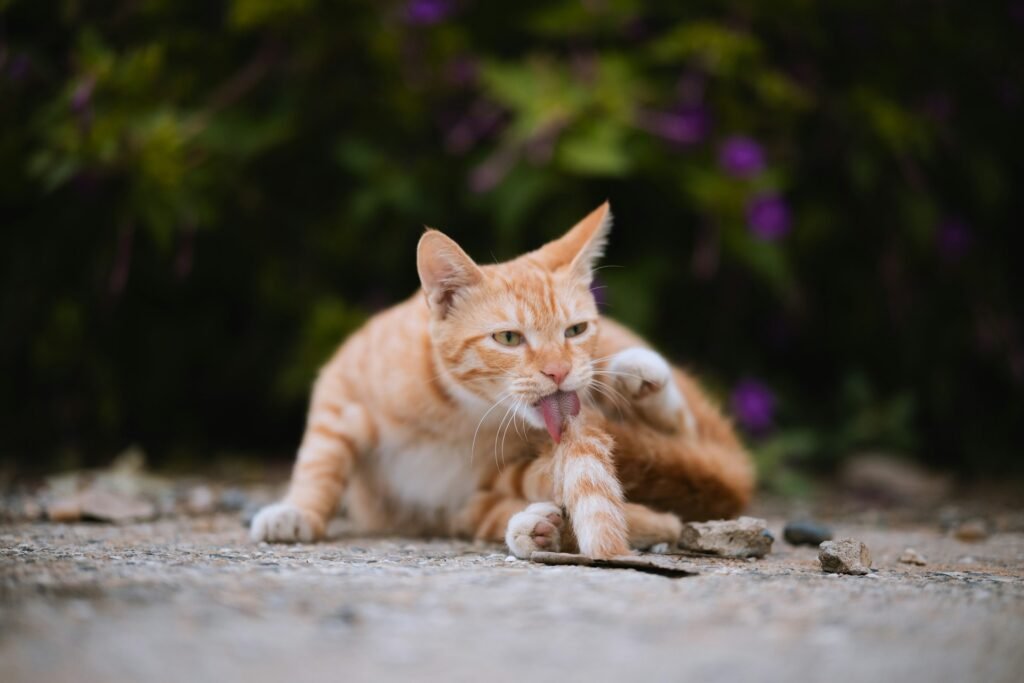
Behavioral changes often accompany physical symptoms. A cat experiencing discomfort from wool might suddenly avoid their previously favorite wool blanket or that soft spot under your cozy throw. They may seem restless when lying on wool surfaces, constantly shifting position or getting up and moving elsewhere. Increased grooming and licking, particularly focused on specific body parts, signals something is bothering them.
Respiratory symptoms are less common but possible. While feline allergies typically affect the skin, some cats might develop watery eyes, occasional sneezing, or a runny nose if they’re particularly sensitive. These symptoms should prompt a veterinary visit since they could indicate various health issues beyond material sensitivities.
The timing of symptoms provides crucial clues. Does your cat only show signs of irritation after spending time on wool items? Do symptoms improve when you remove wool blankets from their favorite spots? This pattern suggests wool involvement, though it doesn’t necessarily confirm a true allergy versus simple irritation.
A structured elimination trial is more reliable than casual observation. Remove all wool exposure for a minimum of 21 days, which reflects the typical epidermal turnover cycle in cats. If lesions improve, reintroduce a single washed wool item for 48 to 72 hours. Recurrence of localized pruritus or erythema at contact points strengthens the suspicion of textile involvement. If symptoms persist despite elimination, consider ectoparasites such as Ctenocephalides felis (fleas), dermatophytosis, or food allergy before concluding wool is responsible.
Wool Items in Your Home
You might be surprised by how much wool creeps into our living spaces. Identifying these items helps you determine if there’s a pattern to your cat’s discomfort and allows you to create wool-free zones if needed.
Common Household Wool Products
Bedding and Furniture: Wool blankets and throws are obvious candidates, often draped over sofas and beds where cats love to lounge. Many rugs and carpets contain wool blends, creating large surface areas of potential contact. Upholstered furniture sometimes features wool fabric, and cats who enjoy perching on your couch might develop symptoms from prolonged contact. Even decorative pillows can contain wool filling or covers.
Clothing and Accessories: Your winter wardrobe likely contains wool sweaters, scarves, and socks that your cat might curl up on. Cats are notorious for napping on freshly folded laundry, and if that pile includes wool items, they’re getting prolonged exposure. Wool coats and jackets left on chairs become instant cat beds, and those cozy slippers by the door aren’t immune to feline investigation.
Cat-Specific Items: Some cat beds feature wool or wool-blend fabrics, marketed for warmth and comfort. Choosing appropriate bedding materials becomes crucial if your cat shows sensitivity. Certain cat toys, particularly handmade or vintage ones, might contain wool stuffing or coverings. Even some scratching posts incorporate wool elements in their design.
Pay particular attention to wool-blend area rugs. Rugs are high-contact surfaces where cats groom, stretch, and rest. Wool’s ability to trap particulate matter means dust mite antigen load can be significantly higher compared to tightly woven synthetic rugs. Dust mites are a well-documented feline allergen.
The Seasonal Wool Surge
Winter months typically bring increased wool exposure as we pull out heavy blankets, switch to warmer bedding, and leave wool clothing scattered around more frequently. If your cat’s symptoms seem seasonal, appearing or worsening during colder months, this temporal pattern might point toward wool or other winter materials as triggers.
What To Do If You Suspect Wool Sensitivity
Discovering your cat might be sensitive to wool doesn’t mean you need to panic or immediately purge your home of every wool item. A methodical approach works best for confirming the connection and finding solutions that work for everyone.
Start with observation and documentation. Keep a simple log noting when symptoms appear, what wool items your cat contacted, and how long symptoms persist. This record becomes invaluable information for your veterinarian and helps you spot patterns you might otherwise miss. Take photos of any skin reactions, as symptoms can change or resolve by the time you reach the vet’s office.
Create a temporary wool-free environment. Choose one room or area where your cat spends considerable time and remove all wool items for two to three weeks. This includes blankets, rugs, and any wool clothing that might get left around. Replace these with cotton, fleece, or synthetic alternatives. Monitor whether symptoms improve in this controlled space. If you see positive changes, wool sensitivity becomes more likely.
Wash wool items thoroughly. Before completely eliminating wool, try washing items in hot water with a hypoallergenic detergent. Sometimes the irritant isn’t the wool itself but accumulated dust, dander, or residual chemicals from manufacturing. A thorough cleaning might resolve the issue without requiring you to replace everything.
Consider professional evaluation. Your veterinarian can perform allergy testing to identify specific triggers, though testing isn’t always definitive for contact allergens like wool. They might recommend an elimination trial, systematically removing potential allergens from your cat’s environment to identify the culprit. Vets can also rule out other conditions that mimic allergy symptoms, like parasites, fungal infections, or other common health issues often confused with allergies.
Alternative Materials
If wool proves problematic for your cat, plenty of other cozy materials can fill the gap without triggering sensitivity. Modern textile technology offers options that rival wool’s warmth and softness while being gentler on sensitive feline skin.
Cotton and Cotton Blends: Pure cotton provides breathability and softness without common allergen concerns. It’s easy to wash frequently, helping reduce environmental allergen buildup. Cotton fleece offers warmth similar to wool but with a smoother texture that’s less likely to irritate skin. Look for high-thread-count cotton for maximum softness, particularly for cat bedding and blankets.
Fiber diameter and surface friction influence mechanical irritation. Merino wool averages 17–24 microns in diameter, while coarse wool can exceed 30 microns. Fibers above 28 microns are more likely to feel pruritic against skin. In contrast, high-quality cotton fibers are smoother and lack surface scales, reducing friction against feline epidermis.
Microfiber and Synthetic Fleece: Modern microfiber fabrics are incredibly soft and warm while being hypoallergenic for most cats. They’re also typically more affordable than natural fibers and stand up well to frequent washing. Synthetic fleece mimics wool’s insulating properties without protein-based fibers that might trigger reactions. These materials are often used in pet-specific bedding products designed with sensitive animals in mind.
Silk and Bamboo: For cats who enjoy luxurious textures, silk offers smooth, protein-based fibers that rarely cause problems despite being a natural material. Bamboo fabric has grown in popularity for its softness, breathability, and natural antimicrobial properties. Both options work well for cats who might be sensitive to conventional materials.
Specialized Hypoallergenic Fabrics: The pet industry has developed fabrics specifically designed for animals with sensitivities. These often combine synthetic materials with special treatments that reduce allergen accumulation. Air purifiers designed for pet households can complement fabric choices by reducing environmental allergens that might settle into any textile.
Making the Switch
Transitioning away from wool doesn’t have to happen overnight or break your budget. Start by replacing items your cat has most contact with, like their favorite blanket or bed. Gradually substitute wool items in common cat hangout spots with alternative materials. Many cats adapt quickly to new textures, especially when the change means less itching and discomfort.
Keep some wool items if they’re not in areas your cat frequents. You don’t necessarily need to eliminate wool from your entire home unless your cat has severe sensitivity. Creating cat-friendly zones with appropriate materials while maintaining wool items in cat-free areas often provides a practical compromise.
Other Factors That Matter
Material choice is just one piece of the puzzle when it comes to feline comfort and reducing allergic reactions. Several other factors influence whether your cat experiences skin irritation or respiratory issues in your home.
Cleanliness and Maintenance: Regular cleaning routines dramatically reduce allergen buildup on all fabrics, not just wool. Vacuum upholstered furniture and rugs at least twice weekly, paying extra attention to areas your cat frequents. Wash cat bedding and blankets weekly in hot water to eliminate dust mites, dander, and environmental allergens. Maintaining clean food and water areas contributes to overall hygiene and reduces allergen exposure.
Humidity and Air Quality: Indoor air quality affects how comfortable any material feels against your cat’s skin. Dry air can make any fabric feel more irritating, while proper humidity levels keep skin healthy and more resistant to irritation. Aim for 30-50% humidity in your home. Good ventilation helps reduce airborne allergens that might settle into fabrics and trigger reactions.
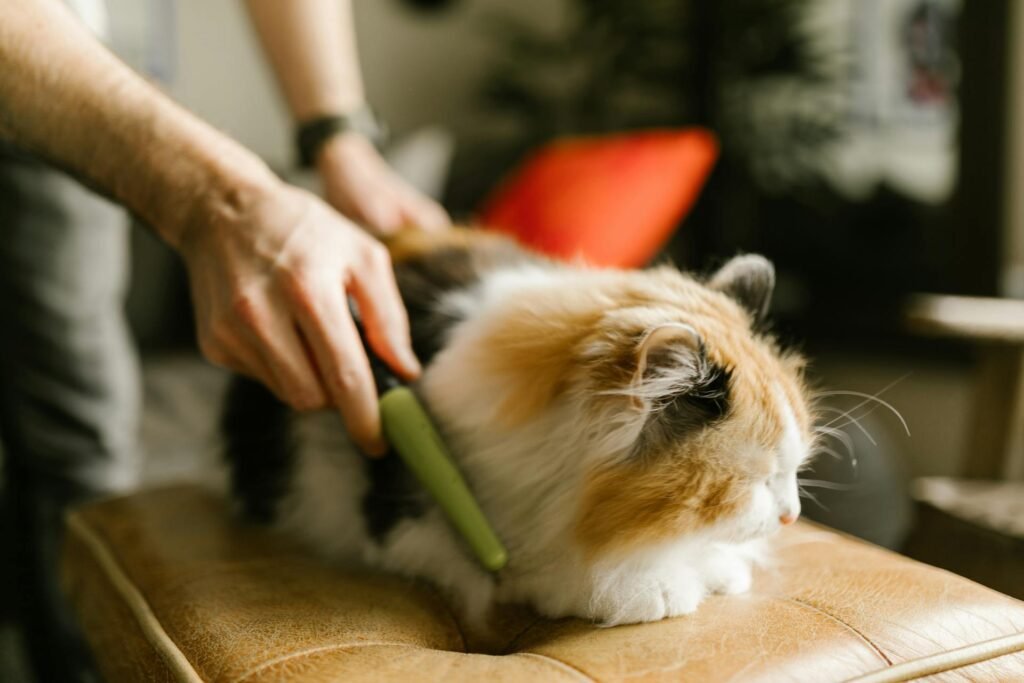
Grooming and Skin Health: A healthy skin barrier resists irritation better than compromised skin. Regular grooming removes loose fur, distributes natural oils, and allows you to spot potential issues early. Some cats benefit from grooming tools designed for sensitive skin. If your cat’s skin seems dry or flaky, discuss with your vet whether dietary supplements like omega-3 fatty acids might help.
Stress and Immune Function: Cats are remarkably sensitive creatures, and stress can worsen allergic reactions or lower the threshold for skin irritation. Environmental enrichment, stable routines, and plenty of attention support immune health and might reduce sensitivity to potential irritants. Keep your cat mentally stimulated to minimize stress-related behaviors like excessive grooming that can worsen skin problems.
Frequently Asked Questions
Absolutely. Cats can develop sensitivities to materials they previously tolerated without issues. Environmental allergies often emerge in cats between one and six years old, though they can appear at any age. Your cat might spend years napping happily on wool blankets before suddenly showing signs of sensitivity. This delayed onset can make identification tricky since we tend not to suspect materials our cats have always been around.
The elimination method works best for pinpointing specific triggers. Remove all wool items from your cat’s environment for three to four weeks while maintaining a diary of symptoms. If symptoms improve significantly and then return when you reintroduce wool, you’ve likely found your culprit. However, if symptoms persist despite removing wool, other allergens or health conditions might be responsible. Veterinary allergy testing can provide more definitive answers, though it’s not foolproof for contact allergens.
While any cat can develop sensitivities, breeds with less fur or more sensitive skin might react more noticeably to irritating textures. Hairless breeds like Sphynx cats have direct skin contact with fabrics and may show reactions more readily. Cats with existing skin conditions or those prone to allergies generally might be more susceptible to wool irritation. However, breed doesn’t reliably predict wool sensitivity, and even long-haired cats can develop problems.
Sheep’s wool is most common in household items, but other animals produce wool-like fibers including alpacas, llamas, and goats (cashmere and mohair). Some cats tolerate certain types better than others, often depending on fiber coarseness and processing methods. Merino wool tends to be softer and potentially less irritating than coarser wool varieties. Alpaca fiber is naturally lanolin-free, which might make it suitable for cats sensitive to lanolin in sheep’s wool. However, there’s no guarantee that switching wool types will resolve sensitivity issues.
Not necessarily. Wool sensitivity doesn’t automatically mean your cat will react to other natural fibers like cotton, silk, or linen. Each material has unique properties and potential allergens. Many cats with wool sensitivity tolerate cotton and other plant-based fibers perfectly well. Focus on identifying the specific problem substance rather than eliminating entire categories of materials. Working with your veterinarian to identify your cat’s particular triggers allows for more targeted and practical solutions.
Sometimes. Thorough washing can remove residual chemicals, lanolin, and accumulated allergens that might be causing reactions rather than the wool itself. Use hot water and hypoallergenic, fragrance-free detergent. Some pet parents find that adding an extra rinse cycle helps remove all soap residue. However, washing won’t change the texture of coarse wool fibers or eliminate wool proteins if your cat has a true wool allergy. It’s worth trying as a first step before replacing items entirely.
Wrapping Up: Wool and Your Whiskered Friend
Cats can develop wool sensitivity, but true immunologic wool allergy is extremely uncommon. Most cases attributed to wool involve lanolin residue, textile processing chemicals, dust mite accumulation, or mechanical irritation from coarse fibers.
A 3-week elimination trial followed by controlled reintroduction provides the clearest answer. If confirmed, replacing high-contact wool surfaces with cotton or synthetic alternatives typically resolves symptoms without medical intervention.
Persistent pruritus, hair loss, or skin lesions warrant veterinary evaluation to rule out atopic dermatitis, parasitic disease, or dietary hypersensitivity. Address the mechanism, not just the material.
Looking for more? Explore our Cat Health section for more posts like this, visit the Blog for fun and insightful reads, or browse our full Cat Category for everything feline-related, from care to comfort.
Disclaimer: This article is for informational purposes only and does not substitute for professional veterinary advice. Always consult your veterinarian for diagnosis and treatment tailored to your cat’s individual needs. Please verify current product information directly on the retailer’s site before purchasing.
References
- 2023 AAHA Management of Allergic Skin Diseases in Dogs and Cats Guidelines. https://www.aaha.org/wp-content/uploads/globalassets/02-guidelines/2023-aaha-management-of-allergic-skin-diseases-in-dogs-and-cats-guidelines/resources/2023-aaha-management-of-allergic-skin-diseases-guidelines.pdf
- Bachmann MF, Krenger PS, Mohsen MO, Kramer MF, Starchenka S, Whitehead P, Vogel M, Heath MD. On the role of antibody affinity and avidity in the IgE-mediated allergic response. Allergy. 2025 Jan;80(1):37-46. https://doi.org/10.1111/all.16248
- Hartung BF, Mueller RS, Gauss J, Weitzer T, Boehm TMSA, Palić J, Schulz B. Reactions to environmental allergens in cats with feline lower airway disease. Front Vet Sci. 2023 Dec 7;10:1267496. https://doi.org/10.3389/fvets.2023.1267496
- Raulf M, Bergmann KC, Kull S, Sander I, Hilger C, Brüning T, Jappe U, Müsken H, Sperl A, Vrtala S, Zahradnik E, Klimek L. Mites and other indoor allergens – from exposure to sensitization and treatment. Allergo J Int. 2015;24(3):68-80. https://doi.org/10.1007/s40629-015-0049-1
- Wrightsock (2025). What Is Merino Wool Made Of? https://www.wrightsock.com/blogs/news/what-is-merino-wool
- Zentko DC, Richman DL (2024). Cat Flea, Ctenocephalides felis (Bouché). https://ask.ifas.ufl.edu/publication/IN137
Check out our most recent articles!
- Can Cats Eat Green Peas? Safe, Healthy, or Just a Skip?
 A pea rolling across the kitchen floor is basically a free cat toy and a snack in one. But before it becomes a habit, here’s what you should know about what those little green things actually do for (or to) your cat.
 - Are Spray Bottles Bad for Cats? Reasons & AlternativesA spray bottle might stop your cat’s counter-surfing today, but it’s teaching them something much more troubling: that you’re unpredictable and potentially dangerous. Discover what really happens when you spray your cat and the alternatives that actually create lasting change.
- How Are Cats so Flexible? Your Cat’s Anatomy ExplainedBetween their 53 vertebrae, muscular shoulders connected only by soft tissue, and elastic joints, cats possess anatomical superpowers that blur the line between solid and liquid, letting them navigate spaces you’d swear were too small.
- Do Cats Copy Their Owners Voice, Personality and Actions?The independent cat stereotype is crumbling. Science reveals that cats engage in intentional mimicry, learning from their owners and adapting their personalities to match the humans they live with.
- Are Newborn Cats Born With Teeth? Everything About Kitten Dental GrowthEver wondered what’s happening inside a newborn kitten’s mouth? The answer might surprise you. Discover the complete timeline of feline dental development and learn what to expect as your kitten grows from gummy grins to a full set of adult teeth.
- Keeping Your Indoor Cat Warm in Winter: The Complete GuideEven indoor cats feel the winter chill more than you might think. Cold floors, dry air, and sneaky drafts can leave your feline less comfortable than they should be. Discover the simple adjustments that make all the difference in helping your cat stay genuinely cozy through the coldest months.
- Should You Look Your Cat in the Eyes? Is Staring Really Aggressive?Your cat’s eyes tell a story you’ve been misreading. While prolonged staring means one thing in human communication, cats interpret it completely differently. Discover why that loving gaze might actually be stressing out your feline friend and what to do instead.
- Choosing the Best Blanket for Your Cat: A Blanket Buyer’s GuideFinding the best blanket for your cat means considering more than just softness. Temperature regulation, durability, washability, and even behavioral quirks all play a role in choosing the perfect cozy spot for your feline friend. Discover which blanket types match your cat’s lifestyle.
- How to Get Your Kitten to Eat More: Simple Solutions for Picky EatersWatching your tiny kitten turn up their nose at perfectly good food can be heart-wrenching. This comprehensive guide reveals why kittens become picky eaters and shares practical solutions that transform mealtime battles into successful feeding routines.
- Can Cats Eat Fried Rice? Why This Takeout Favorite Is a No-GoThat irresistible takeout aroma might have your cat begging, but fried rice contains ingredients that can harm felines. Discover why even small amounts aren’t worth the risk and what treats truly suit your cat’s carnivorous nature.
- Why Do Cats Vibrate Their Tail? From Happy to HuntingYour cat’s vibrating tail is like a mood ring with fur. Whether they’re thrilled to see you or preparing to mark territory, decoding these rapid shakes reveals what’s really going on in their mind.
- Is Asparagus Bad for Cats? Risks, Benefits, and AlternativesYour cat’s eyeing your asparagus dinner, but should they have any? While this green veggie isn’t toxic to cats, there are surprising reasons why it’s not the treat you might think it is.
- How Cats Express Sadness: Reading Your Feline’s Emotional LanguageCats don’t cry emotional tears or mope around like dogs, but they absolutely experience sadness. The trick is learning to read their subtle language, the withdrawn behavior, the changed routines, the slight shifts in body posture that reveal their inner emotional world.
- Can Cats and Rabbits Live Together? Multi-Species Harmony GuideCats are predators, rabbits are prey, but that doesn’t mean they can’t coexist peacefully. Success comes down to understanding each animal’s instincts, respecting their boundaries, and taking introductions at the right pace.
- Are Space Heaters Safe for Cats? Keeping Your Cat CozySpace heaters can provide cozy warmth for your cat, but only when chosen and positioned with feline safety in mind. Discover which features protect against burns, fires, and electrical hazards.















Written by Fenton Harberson (Scientific Writer and Digital Asset Planner)
Last reviewed and edited on 17.02.2026