
Indoor cats are not immune to winter stress. While they are shielded from snow and wind, they are still affected by reduced humidity, thermal gradients between floors and ceiling, and nighttime thermostat setbacks. In homes we have evaluated during winter, the coldest surface is rarely the air. It is the tile floor, the window sill, or the draft line near exterior doors. Cats feel those microclimates immediately because they sleep close to surfaces and lose heat through conduction.
Healthy adult cats maintain a core body temperature between 100.4 and 102.5°F according to Dukes’ Physiology of Domestic Animals. When ambient conditions fall below their thermoneutral comfort zone, they compensate by curling tightly, reducing activity, or seeking heat sources. The goal is not to overheat your house. The goal is to eliminate cold stress points and create stable, warm microenvironments your cat can access at will.
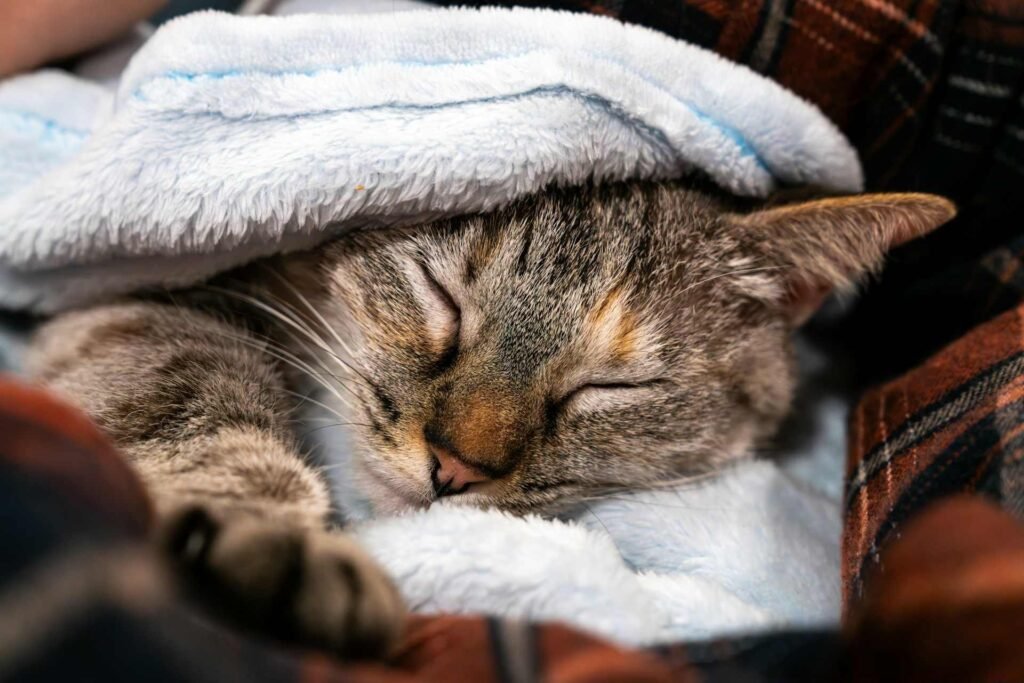
Your Cat’s Cold Tolerance
Domestic cats evolved from Felis silvestris lybica, a species adapted to arid climates with strong daytime heat and cooler nights. Their thermoneutral zone sits higher than ours. Research places the feline thermoneutral range roughly between 86°F and 97°F, meaning they do not need to expend metabolic energy to maintain body temperature within that band. Most homes in winter sit 15 to 25 degrees below that range.
Several factors determine how well your specific cat handles cooler temperatures. Age plays a significant role: kittens and senior cats struggle more with temperature regulation than healthy adults. A playful kitten burns through energy quickly and hasn’t fully developed the ability to maintain steady body heat, while older cats often have slower metabolisms and may suffer from arthritis that worsens in cold conditions.
Body composition matters tremendously. Cats with more body fat have better insulation, though we’re certainly not suggesting you overfeed your cat to prepare for winter. Breed characteristics also influence cold tolerance, breeds with thick, double coats like Norwegian Forest Cats or Siberians handle cold much better than hairless Sphynx cats or short-haired breeds like Siamese or Bengal cats.
Health status is another crucial consideration. Cats dealing with thyroid issues, diabetes, kidney disease, or heart conditions may struggle more with body temperature regulation. If your cat has any ongoing health concerns, winter comfort becomes even more important to their overall wellbeing.
In clinical practice, the cats that struggle most in winter are not necessarily the smallest. They are seniors with osteoarthritis. Cold increases joint stiffness by reducing synovial fluid elasticity. A 2010 study of pet cats found radiographic evidence of degenerative joint disease in the majority of animals, with prevalence increasing markedly with age.
Watch for subtle signs that your cat is uncomfortably cold. They might curl into tighter balls than usual, seek out warm appliances or sunny spots obsessively, shiver (though this is rare and indicates they’re quite cold), or become less active overall. Some cats will vocalize more when they’re uncomfortable, while others simply sleep more than normal.
Creating Warm Zones Throughout Your Home
The beauty of having an indoor cat during winter is that you have complete control over their environment. Rather than trying to heat your entire home to cat-preferred temperatures (your heating bill would be astronomical), focus on creating several warm zones where your cat can retreat when they feel chilly.
Map heat the way a cat experiences it. Use an infrared thermometer to check surface temperatures on floors, window sills, and elevated shelves. You will often find a 5 to 10 degree difference between a tile floor and a mid-level cat tree platform. That difference determines where your cat sleeps. Warm air rises, so elevated spots naturally stay warmer than floor-level areas. Strategic cat furniture placement becomes especially important in winter, putting cat trees or perches near (but not too close to) heating vents gives your cat access to consistently warm spaces. Window perches that get afternoon sun create perfect warm zones, though be mindful of cold drafts from poorly insulated windows.
Heated cat beds have become increasingly popular, and for good reason. These beds use low-voltage heating elements to provide gentle warmth that cats absolutely love. Some are self-warming, using reflective materials to bounce your cat’s own body heat back to them, while others plug in and provide consistent low-level heat. Self-warming beds work well for most cats and don’t increase your electricity bill, but electric heated beds are ideal for senior cats with arthritis or particularly thin cats who need extra warmth.
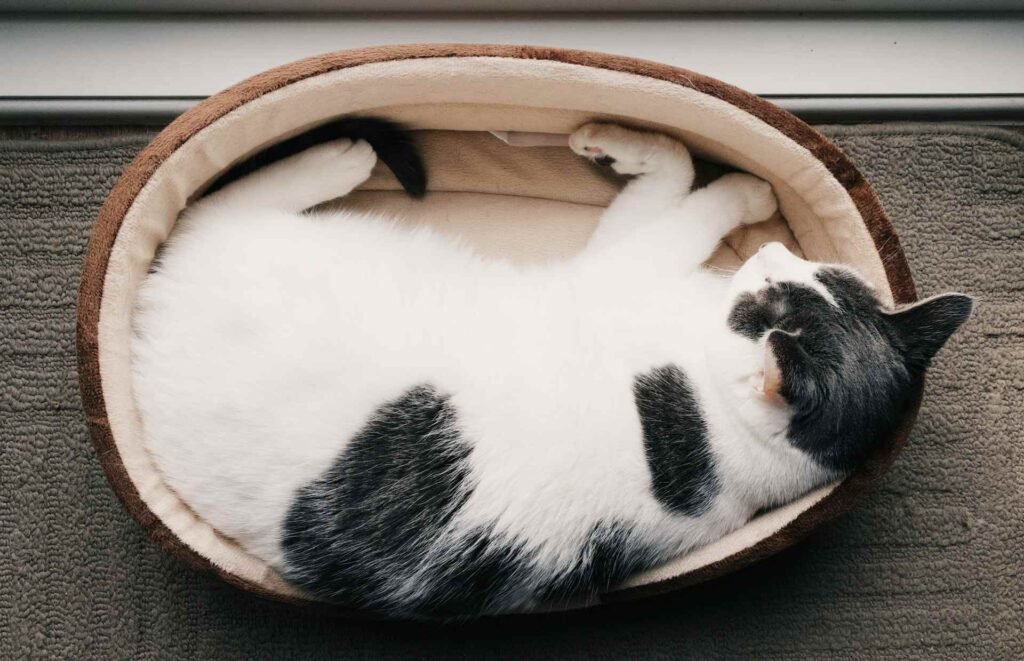
Thermal blankets designed specifically for pets offer another excellent option. These blankets trap and reflect body heat without any electricity required. Drape them over your cat’s favorite sleeping spots or tuck them into their bed to create an extra layer of insulation.
Don’t underestimate the power of simple cardboard boxes either. Cats love boxes year-round, but they become especially appealing in winter because the enclosed space traps body heat. Line a box with a soft fleece blanket or old sweater, cut a doorway, and place it in a quiet corner.
Room positioning matters too. If you have a multi-level home, upper floors stay warmer. Conversely, basements and rooms with lots of windows tend to be coldest. Make sure your cat has easy access to the warmest areas of your home, especially at night when temperatures drop further and you might lower the thermostat.
Bedding Choices
The surface your cat sleeps on dramatically affects how warm they stay overnight. Hard surfaces like tile, hardwood, or laminate floors conduct heat away from your cat’s body, making them feel colder even when room temperature seems fine.
Material selection for cat bedding becomes crucial during winter months. Natural fibers like wool provide excellent insulation while remaining breathable. Fleece has become a favorite for cat bedding because it’s soft, warm, traps heat well, and many cats find the texture irresistible. Choosing the best fabric for your cat’s bed might seem like overthinking, but the right material truly impacts how comfortable your cat stays through cold nights.
Sherpa and faux fur bedding options have exploded in popularity recently, and cats seem to love the plush, enveloping feeling these materials provide. They mimic the warmth of snuggling with littermates while offering substantial insulation against cold floors.
Consider bed placement just as carefully as bed type. Position beds away from doors and windows where drafts occur. Placing a bed on a slightly elevated platform or shelf gets it off the cold floor. If your cat’s favorite sleeping spot happens to be on tile or wood flooring, place a thick rug or mat underneath their bed to add an extra insulating layer between them and the cold surface.
Multiple beds throughout your home give your cat options depending on time of day and their comfort level. Place one in the warmest room, another in their favorite hangout spot, and maybe one in your bedroom if they sleep with you at night.
Indoor Temperature and Air Quality
While we’re focused on keeping cats warm, indoor air quality during winter requires attention too. Central heating dries out indoor air considerably, which can affect your cat’s respiratory system, skin, and overall comfort.
Winter indoor humidity frequently drops below 30 percent, particularly in forced-air heated homes. The EPA recommends maintaining indoor humidity between 30 and 50 percent for health and comfort.
In cats, chronic dry air contributes to brittle fur, increased static discharge, and in predisposed individuals, worsening of upper respiratory irritation. In multi-cat homes I have assessed, raising humidity from 25 percent to 40 percent reduced static shocks and visible dandruff within two weeks.
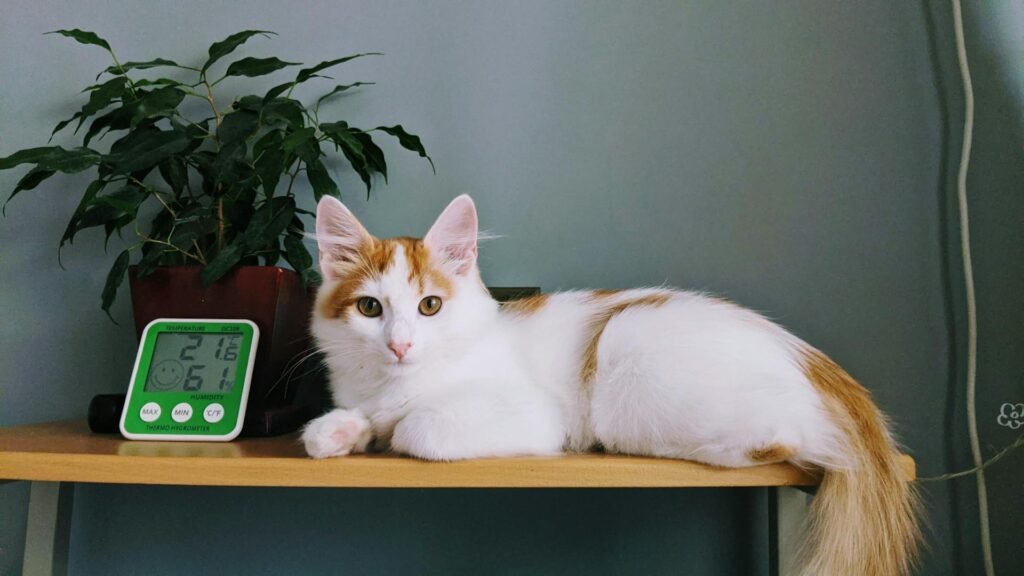
Humidifiers help restore moisture to the air. Cool mist humidifiers are safer than warm mist versions because there’s no risk of burns if a curious cat gets too close or knocks it over. Place humidifiers in rooms where your cat spends the most time, and clean them regularly to prevent mold or bacteria growth that could harm your cat’s health.
Related: Are Humidifiers Good for Cats?
Thermostat management requires balance. While you don’t want your home freezing, you also don’t want it so warm that your cat becomes uncomfortable or your energy bills skyrocket. Most cats do well when indoor temperatures stay between 65-75 degrees Fahrenheit. If you lower the thermostat at night or when you’re away, make sure your cat has access to warm sleeping areas and cozy bedding to compensate.
Draft prevention is often overlooked but makes a substantial difference. On particularly cold or windy days, check around windows and doors for air leaks. Draft stoppers placed at the base of doors block cold air from seeping in, and window insulation film reduces heat loss through glass while still allowing light through. These small adjustments make rooms more comfortable for everyone.
Space heaters can supplement your heating system in particularly cold rooms, but require extreme caution with cats around. Whether space heaters safe for cats depends entirely on the model and how you use it. Never use space heaters with exposed heating elements or open flames. Oil-filled radiator-style heaters are safest because their surface doesn’t get hot enough to cause burns, and they can’t be tipped over as easily. Always supervise when space heaters are running, and make sure cords are secured where your cat can’t chew them.
Winter Grooming and Coat Maintenance
Your cat’s coat serves as their primary insulation, so maintaining it properly through winter is essential. Even indoor cats need regular grooming attention, perhaps even more so during colder months.
Cats with longer fur or double coats naturally grow thicker fur in winter. Regular brushing removes dead hair and distributes natural oils throughout their coat, improving its insulating properties. Dead undercoat left in the fur reduces its effectiveness as insulation by preventing air from being trapped properly within the coat layers.
Short-haired cats might not seem like they need much grooming, but they benefit from regular brushing too. It stimulates blood flow to the skin, helps distribute oils, and removes any debris that could interfere with their coat’s ability to trap heat.
Never shave or give your cat a close trim during winter months. That fur serves a critical function, and removing it leaves them vulnerable to the cold. If your cat has severe matting that requires removal, keep them extra warm with cat sweaters or clothes designed specifically for felines. Not all cats tolerate clothing, but some, especially hairless breeds or very thin cats, appreciate the extra layer.
Dry winter air affects your cat’s skin just like it affects yours. Watch for flakiness, excessive scratching, or dull-looking fur, which can indicate their skin is too dry. Adding omega-3 fatty acids to their diet supports healthy skin and coat from the inside out. Fish oil supplements formulated for cats or foods containing salmon oil can help, though always consult your veterinarian before adding supplements.
Nutrition and Hydration Adjustments
Your cat’s nutritional needs might shift slightly during winter, though the changes are much less dramatic than they would be for outdoor cats who burn significantly more calories staying warm.
Unlike outdoor cats, indoor cats do not significantly increase caloric expenditure in winter unless ambient temperature drops below 60°F for extended periods. Overfeeding in anticipation of “winter weight” is one of the most common seasonal mistakes I see. Instead, assess body condition score monthly using the 9-point Purina Body Condition System. A cat should have a visible waist from above and palpable ribs without excess fat covering.
Water consumption often decreases in winter, which creates potential problems. Cats already have a relatively low thirst drive compared to other animals, and when water sources are cold or placed in chilly areas of the house, cats drink even less. Dehydration can lead to urinary tract issues and kidney problems, so encouraging adequate water intake matters tremendously.
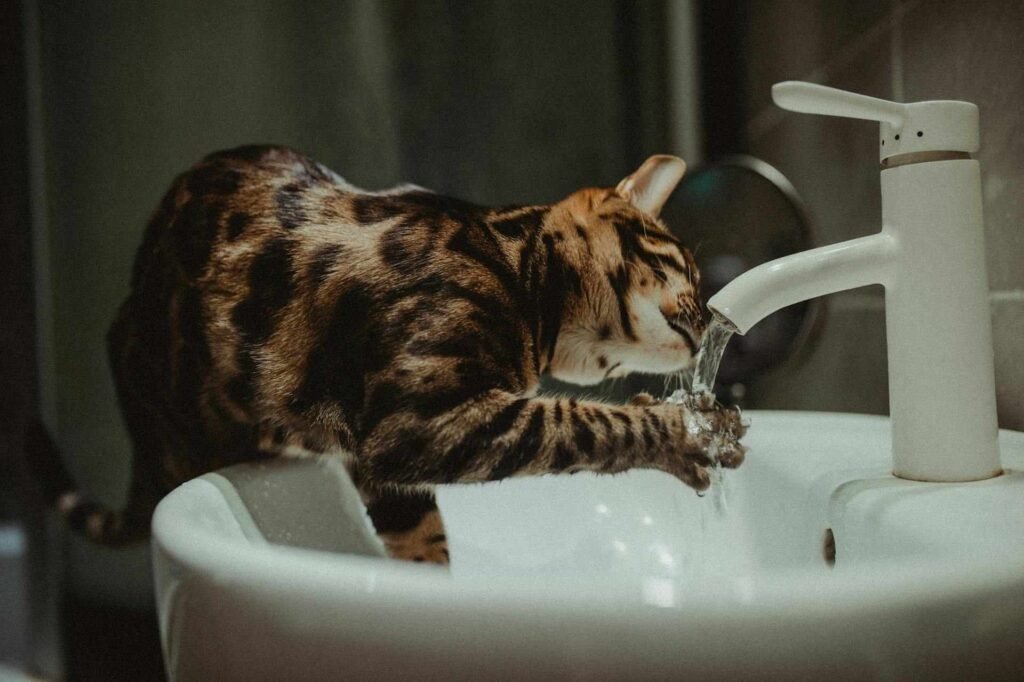
Ceramic or stainless steel water bowls retain temperature better than plastic. In winter, this can work against you if the water becomes too cold, surprisingly, some cats prefer room temperature water or even slightly warm water during cold months. Cleaning your cat’s food and water bowls remains important year-round, but fresh water encourages more drinking, which is particularly beneficial in winter.
Cat water fountains entice many cats to drink more because of the flowing water and constant circulation. The movement prevents water from becoming stagnant and cold, and many cats prefer drinking from fountains over bowls. Place fountains in warm areas of your home rather than near cold windows or doors.
Wet food provides significant hydration benefits compared to dry kibble. If your cat primarily eats dry food, consider adding wet food to their winter routine, or moistening dry kibble with warm water or low-sodium broth to increase fluid intake while making meals more appealing.
Safety Concerns and What to Avoid
While trying to keep cats warm, well-intentioned pet owners sometimes create hazards. Being aware of potential dangers helps you keep your cat both warm and safe.
Heating pads designed for humans can burn cats. These pads reach temperatures much too high for cat skin, and because cats often stay in one spot when sleeping, they can suffer serious burns before waking and moving. Only use heating pads specifically manufactured for pets, which maintain lower, safer temperatures.
Never leave space heaters unattended with cats in the room. Even the safest models present risks, cats might knock them over, get too close and burn whiskers or fur, or chew electrical cords.
Avoid placing heated beds or blankets near water sources. The combination of electricity and water creates electrocution risks. Keep heated items away from water bowls, fountains, and any areas where water might spill.
Christmas tree water often contains fertilizers or additives to preserve the tree, which can be toxic to cats. If you have a real tree, prevent your cat from drinking the water by covering the reservoir or using a tree skirt that blocks access.
Antifreeze is lethal to cats and unfortunately tastes sweet to them. Even small amounts cause kidney failure. Store antifreeze in secure locations where cats can’t access it, and clean up any spills immediately and thoroughly.
Rock salt and ice melt products tracked into your home on shoes can irritate your cat’s paws and cause digestive upset if they lick it off their paws. Place mats at doors to catch salt and snow before it spreads throughout your home, and wipe your cat’s paws if they walk through tracked-in salt.
Fireplaces and wood stoves are cozy but dangerous. Cats attracted to warmth might get too close and burn themselves, or hot embers could pop and cause injury. Always use screens and supervise cats around open flames or very hot surfaces.
Frequently Asked Questions
Most healthy adult cats become uncomfortable when indoor temperatures drop below 60°F, though they can tolerate it with proper bedding and warm spots available. Kittens, senior cats, and those with health issues struggle at temperatures below 65°F. Prolonged exposure to temperatures below 45°F can be dangerous even for healthy indoor cats. Watch for signs like constant shivering, cold ears, or lethargy, which indicate your cat is genuinely cold and needs warmer surroundings.
You don’t need to keep your entire home warmer, but maintaining temperature above 60°F is wise if you’ll be gone for extended periods. Rather than raising the thermostat significantly, ensure your cat has access to warm beds, heated beds if you use them, and rooms that stay naturally warmer. Closing off very cold rooms and making sure warm areas are accessible provides comfort without dramatically increasing heating costs.
Yes, many cats sleep more during winter months. Shorter days and less natural light affect their circadian rhythms, and their bodies naturally conserve energy when it’s cold. This is normal behavior unless your cat seems completely lethargic even when awake, refuses to eat, or shows other signs of illness. Some increase in sleeping is expected and healthy seasonal behavior.
Frostbite is extremely unlikely in indoor cats since they’re not exposed to freezing temperatures for extended periods. However, if your home loses heat during a winter power outage and temperatures drop dramatically for hours, extremities like ear tips, paw pads, and tail tips could theoretically be affected. This would only happen in truly extreme circumstances. Focus on keeping rooms above 45°F minimum to prevent this rare possibility.
Feel the bed surface yourself, if it feels cold to your hand, it’s definitely cold for your cat. Watch your cat’s behavior: if they consistently seek out alternative sleeping spots on laundry, your bed, or near heat sources instead of using their bed, it may not be warm enough. Cats who curl into extremely tight balls or tuck their paws and nose deeply into their body are trying to conserve heat, suggesting they’d appreciate warmer bedding.
Pet-specific heated beds designed for continuous use are safe to leave on overnight. These products maintain low temperatures that provide gentle warmth without overheating or burning. Always use products specifically manufactured for pets rather than human heating pads, follow manufacturer instructions, and regularly check the bed and cord for any damage. Self-warming beds that use no electricity are completely safe for continuous use.
Many cats do drink less water during cold months, particularly if water bowls are in chilly locations or the water itself becomes quite cold. This reduced intake can lead to dehydration and urinary issues. Combat this by placing water bowls in warm areas, offering slightly warmed water, using cat water fountains that keep water moving and appealing, and incorporating wet food into your cat’s diet to boost hydration.
Your Cat’s Best Winter Yet
Winter management is about eliminating cold surfaces, stabilizing humidity, protecting arthritic joints, and maintaining hydration. Most comfort problems in indoor cats come from microclimates, not room temperature. Cold floors, draft lines, and dry air create more stress than a thermostat set to 68°F.
If you implement only four changes, make them these: elevate sleeping areas, insulate beds from conductive surfaces, maintain humidity above 30 percent, and monitor body condition monthly. These adjustments prevent stiffness, urinary stress, and chronic low-grade cold discomfort. A cat that stretches fully instead of curling tightly, drinks normally, and maintains steady activity is a cat whose winter environment is working.
Looking for more? Explore our Cat Accessories section for more posts like this, visit the Blog for fun and insightful reads, or browse our full Cat Category for everything feline-related, from care to comfort.
Disclaimer: This article is for informational purposes only and does not substitute for professional veterinary advice. Always consult your veterinarian for diagnosis and treatment tailored to your cat’s individual needs. Please verify current product information directly on the retailer’s site before purchasing.
References
- Dukes’ Physiology of Domestic Animals, 12th ed., Reece WO, Ed. Copyright 2004, Cornell University Press. https://cuvas.edu.pk/cuvas_libraries/ebooks/Dukes%27%20Physiology%20of%20Domestic%20Animals%20(%20PDFDrive%20)%20(1).pdf
- “Front Matter.” National Research Council. 2006. Nutrient Requirements of Dogs and Cats. Washington, DC: The National Academies Press. https://doi.org/10.17226/10668
- Lascelles, B.D. (2010). Feline degenerative joint disease. Veterinary surgery : VS, 39 1, 2-13 . https://doi.org/10.1111/j.1532-950X.2009.00597.x
- Looking after your cat in winter (2025). https://www.bluecross.org.uk/advice/cat/wellbeing-and-care/looking-after-your-cat-in-winter
- Mold Course Chapter 2 (2025). https://www.epa.gov/mold/mold-course-chapter-2
- The Purina Body Condition System. https://www.purinainstitute.com/centresquare/nutritional-and-clinical-assessment-tools/the-purina-body-condition-system
Check out our most recent articles!
- How Cats Always Know Exactly Where (and When) to Groom
 A cat who suddenly grooms less isn’t being lazy. One who grooms constantly might not just be clean-obsessed. Grooming habits are one of the clearest windows into your cat’s wellbeing once you know what to look for.
 - Why Do Cats Push Things Off Tables? Solving Your Cat’s Destructive HabitCats knock things off tables due to hunting instincts, boredom, and attention-seeking behavior. Discover the science behind this maddening habit and learn practical prevention strategies that actually work.
- Can Cats Eat Green Peas? Safe, Healthy, or Just a Skip?A pea rolling across the kitchen floor is basically a free cat toy and a snack in one. But before it becomes a habit, here’s what you should know about what those little green things actually do for (or to) your cat.
- Are Spray Bottles Bad for Cats? Reasons & AlternativesA spray bottle might stop your cat’s counter-surfing today, but it’s teaching them something much more troubling: that you’re unpredictable and potentially dangerous. Discover what really happens when you spray your cat and the alternatives that actually create lasting change.
- How Are Cats so Flexible? Your Cat’s Anatomy ExplainedBetween their 53 vertebrae, muscular shoulders connected only by soft tissue, and elastic joints, cats possess anatomical superpowers that blur the line between solid and liquid, letting them navigate spaces you’d swear were too small.
- Do Cats Copy Their Owners Voice, Personality and Actions?The independent cat stereotype is crumbling. Science reveals that cats engage in intentional mimicry, learning from their owners and adapting their personalities to match the humans they live with.
- Are Newborn Cats Born With Teeth? Everything About Kitten Dental GrowthEver wondered what’s happening inside a newborn kitten’s mouth? The answer might surprise you. Discover the complete timeline of feline dental development and learn what to expect as your kitten grows from gummy grins to a full set of adult teeth.
- Keeping Your Indoor Cat Warm in Winter: The Complete GuideEven indoor cats feel the winter chill more than you might think. Cold floors, dry air, and sneaky drafts can leave your feline less comfortable than they should be. Discover the simple adjustments that make all the difference in helping your cat stay genuinely cozy through the coldest months.
- Should You Look Your Cat in the Eyes? Is Staring Really Aggressive?Your cat’s eyes tell a story you’ve been misreading. While prolonged staring means one thing in human communication, cats interpret it completely differently. Discover why that loving gaze might actually be stressing out your feline friend and what to do instead.
- Choosing the Best Blanket for Your Cat: A Blanket Buyer’s GuideFinding the best blanket for your cat means considering more than just softness. Temperature regulation, durability, washability, and even behavioral quirks all play a role in choosing the perfect cozy spot for your feline friend. Discover which blanket types match your cat’s lifestyle.
- How to Get Your Kitten to Eat More: Simple Solutions for Picky EatersWatching your tiny kitten turn up their nose at perfectly good food can be heart-wrenching. This comprehensive guide reveals why kittens become picky eaters and shares practical solutions that transform mealtime battles into successful feeding routines.
- Can Cats Eat Fried Rice? Why This Takeout Favorite Is a No-GoThat irresistible takeout aroma might have your cat begging, but fried rice contains ingredients that can harm felines. Discover why even small amounts aren’t worth the risk and what treats truly suit your cat’s carnivorous nature.
- Why Do Cats Vibrate Their Tail? From Happy to HuntingYour cat’s vibrating tail is like a mood ring with fur. Whether they’re thrilled to see you or preparing to mark territory, decoding these rapid shakes reveals what’s really going on in their mind.
- Is Asparagus Bad for Cats? Risks, Benefits, and AlternativesYour cat’s eyeing your asparagus dinner, but should they have any? While this green veggie isn’t toxic to cats, there are surprising reasons why it’s not the treat you might think it is.
- How Cats Express Sadness: Reading Your Feline’s Emotional LanguageCats don’t cry emotional tears or mope around like dogs, but they absolutely experience sadness. The trick is learning to read their subtle language, the withdrawn behavior, the changed routines, the slight shifts in body posture that reveal their inner emotional world.















Written by Vesper Mayerson (Editorial Assistant)
Last reviewed and edited on 20.02.2026