
Bowl material directly affects microbial load, surface porosity, and long-term exposure to food residues. I have seen recurrent feline chin acne cases resolve within three to four weeks simply by switching from plastic to food-grade stainless steel and implementing daily high-temperature washing. Bowl choice is a hygiene decision that influences dermatologic health, hydration patterns, and bacterial exposure at every meal. We’re diving deep into cat bowl materials because making the right choice keeps your cat healthy, hydrated, and happy.
Why Bowl Material Matters for Your Cat’s Health
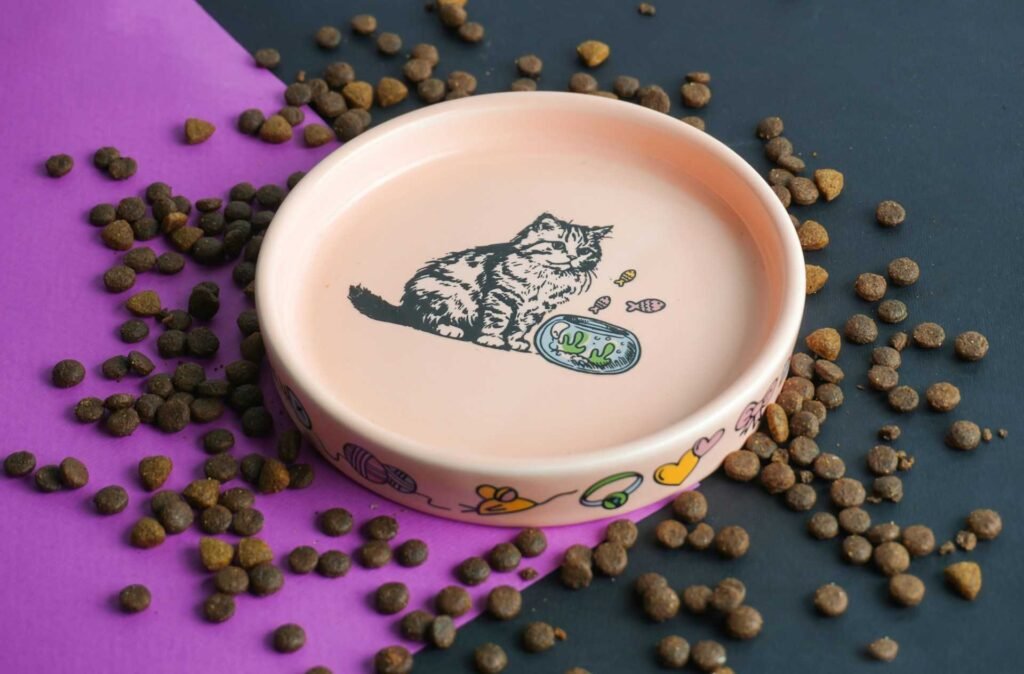
Walk down any pet supply aisle and you’ll find bowls in every material imaginable: cheerful ceramic designs with paw prints, lightweight plastic options in rainbow colors, gleaming stainless steel, even bamboo and glass varieties. But underneath the pretty designs lies some serious science about how different materials interact with your cat’s body and behavior.
The surface your cat eats from touches their face multiple times every single day. That constant contact means the bowl material can directly affect their skin, especially around the chin and mouth area. Some materials harbor bacteria more readily than others, creating the perfect environment for issues like feline acne. Others might leach chemicals into food or water over time, particularly when they develop scratches or get exposed to heat.
Then there’s the practical side that affects how much your cat actually eats and drinks. Cats are notoriously particular creatures, and they notice everything from how a bowl smells to whether it wobbles when they nudge it with their nose. The wrong material might make water taste “off” to your sensitive feline, leading them to drink less than they should. Given that many cats already struggle with adequate hydration, this isn’t just a preference issue but a genuine health concern.
The material also determines how well you can actually keep the bowl clean. Proper hygiene plays a huge role in preventing illness, and some materials are practically impossible to sanitize properly once they’ve been used for a while. Bacterial adherence increases significantly on roughened polymer surfaces compared to smooth metal. Biofilm is a structured microbial community encased in a protective matrix that resists routine washing. Once biofilm establishes inside micro-scratches, elimination becomes difficult without high heat or chemical disinfection.
Stainless Steel: The Gold Standard for Cat Food Bowls
When veterinarians and cat health experts discuss the best cat bowl material, stainless steel consistently tops the list. There’s compelling logic behind this recommendation that goes far beyond simple durability.
Stainless steel bowls are virtually non-porous, meaning bacteria have nowhere to hide. Unlike materials with tiny surface pockets or scratches, stainless steel maintains a smooth surface that’s incredibly easy to clean thoroughly. You can toss most stainless steel bowls right into the dishwasher without worrying about warping, fading, or degradation. This ease of sanitation directly translates to better health outcomes for your cat, especially when you’re dealing with wet food that can quickly become a bacterial breeding ground in the wrong container.
The material is also completely neutral. Stainless steel won’t leach chemicals into your cat’s food or water, no matter how acidic the wet food or how long water sits in the bowl. This stability means your cat’s meals taste exactly as they should, with no metallic flavors or chemical undertones that might put them off their food. For cats who already have a reputation for being picky eaters, this neutrality can make a real difference in their willingness to finish meals.
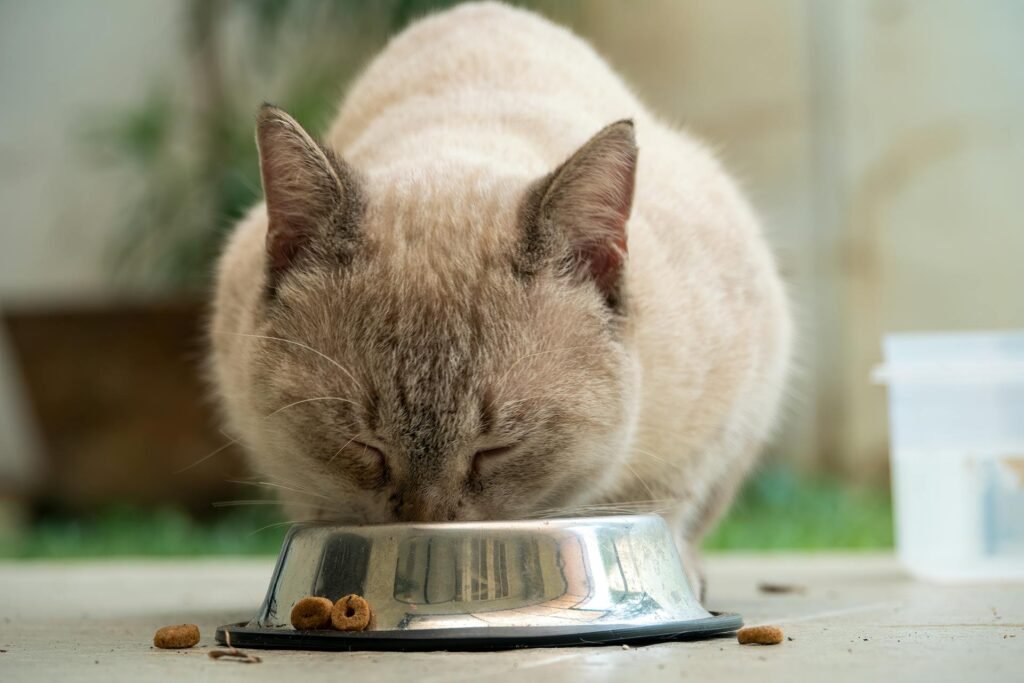
Durability is another significant advantage. A quality stainless steel bowl can last for years, even decades, without showing signs of wear beyond perhaps some superficial scratches on the outside. They’re virtually impossible for cats to chew through or scratch effectively, and they won’t crack if accidentally dropped on hard floors. This longevity makes them cost-effective despite typically having a higher upfront price than plastic alternatives.
The weight of stainless steel bowls varies depending on the gauge of metal used, but many have enough heft to stay put during meals. Some cats are enthusiastic eaters who push lightweight bowls across the floor with every bite. A heavier stainless steel option or one with a rubber base solves this problem without needing a separate mat or holder.
Look for 18/8 or 304 stainless steel, which contains approximately 18 percent chromium and 8 percent nickel. This composition improves corrosion resistance and prevents surface pitting over time. Lower-grade steel can rust at weld points, especially with daily water exposure. In my own testing, thin, lightweight stainless bowls developed base flex that trapped moisture underneath rubber rings. Heavier gauge bowls without bonded rubber or with removable silicone bases proved easier to dry completely, reducing microbial growth beneath the bowl.
One consideration: some cats initially seem hesitant about stainless steel bowls, possibly due to reflections on the surface or the way the metal conducts temperature. If your cat seems startled by their new stainless steel dish, try positioning it away from direct light sources or look for brushed finishes rather than mirror-polished surfaces.
Ceramic Bowls: Aesthetics Meet Functionality
Ceramic bowls occupy an interesting middle ground in the cat bowl material debate. They offer genuine advantages, particularly for cats with specific sensitivities, but come with some important caveats that every owner should understand before committing to ceramic.
The primary benefit of ceramic is its weight and stability. A substantial ceramic bowl stays firmly planted during meals, which can be helpful for cats who tend to push their dishes around. This stability is particularly valuable for cats dealing with whisker sensitivity, as the bowl won’t slide away when they’re trying to position their face comfortably to eat.
Ceramic also maintains temperature beautifully. If you serve your cat refrigerated wet food, a ceramic bowl won’t transfer that cold temperature quite as readily as metal, making the food slightly more palatable. Some cats genuinely prefer the neutral feel of ceramic against their faces compared to metal or plastic. The material doesn’t conduct cold or heat dramatically, providing a comfortable eating experience regardless of food temperature.
From an aesthetic perspective, ceramic bowls are undeniably appealing. They come in gorgeous designs, colors, and patterns that can actually complement your home décor. If your cat’s feeding station is visible in your kitchen or living area, a beautiful ceramic set can make the space look intentional rather than purely functional.
However, ceramic requires careful selection to be truly safe. The critical factor is the glaze. Food-safe, lead-free glazes are absolutely essential, especially for bowls manufactured outside regions with strict safety regulations. Cheaper ceramic bowls, particularly decorative pieces not specifically designed for pet food, may contain glazes with lead or other harmful substances that can leach into food and water over time. Always verify that any ceramic bowl is explicitly marked as food-safe and lead-free.
Durability is another concern. Ceramic can chip or crack if dropped, and these imperfections create spaces where bacteria can accumulate. Once a ceramic bowl develops a crack, even a hairline fracture, it should be replaced. Those tiny fissures are impossible to clean thoroughly and can harbor dangerous bacteria. Similarly, crazing (those fine web-like cracks that develop in the glaze over time) compromises the bowl’s sanitary properties.
The porosity of ceramic, even when properly glazed, is slightly higher than stainless steel. This means diligent cleaning is essential. Hand washing is often recommended over dishwashing for ceramic bowls, as repeated exposure to high heat and harsh detergents can eventually degrade the glaze. For busy households where convenience matters, this extra care requirement might tip the scales toward other materials.
Plastic Bowls: Usually Not Your Best Bet
Plastic bowls are everywhere in pet stores. They’re inexpensive, lightweight, come in every color imaginable, and seem like a practical choice, especially for new cat owners on a budget. But the best material for cat food bowls is rarely plastic, despite its popularity, and the reasons go beyond simple snobbery about materials.
The single biggest issue with plastic bowls is their porous surface. Even brand-new plastic has microscopic pores that trap bacteria, food particles, and oils. As the bowl gets used and washed repeatedly, these pores become more pronounced. Scratches from cat claws, kibble scraping, and even vigorous washing create additional grooves where bacteria thrive. No amount of scrubbing can completely remove bacterial buildup from well-used plastic, and this bacterial load can directly lead to feline acne and other skin issues around your cat’s chin and mouth.
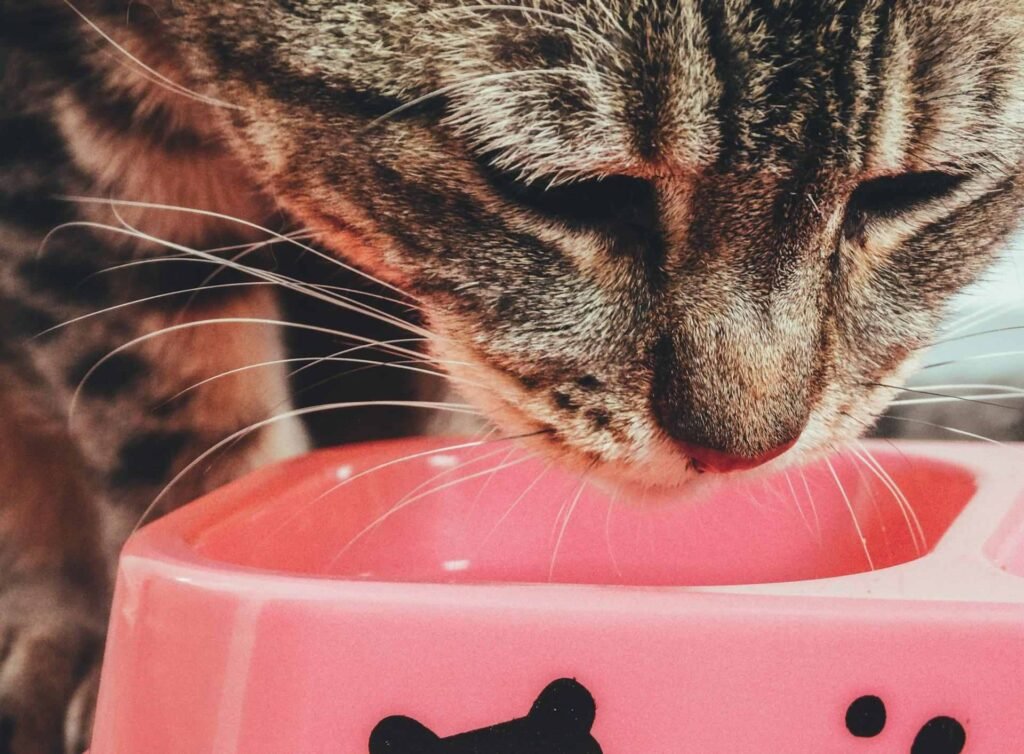
Feline acne appears as blackheads or small bumps on the chin and is surprisingly common. Feline acne involves follicular hyperkeratosis, where hair follicles become clogged with keratin and debris. Chronic bacterial exposure from contaminated bowl surfaces contributes to inflammation. In practice, improvement after eliminating plastic is often visible within 21 to 30 days, provided bowls are washed daily and the chin is gently cleaned during active breakouts.
Plastic bowls can also leach chemicals into food and water, particularly as they age and especially when exposed to heat. Some plastics contain BPA or phthalates, chemicals that may have health implications over long-term exposure. While many modern pet bowls are marketed as BPA-free, plastic degradation is an inevitable process. Older plastic bowls that have become cloudy, discolored, or developed an odor should definitely be replaced, as these signs indicate the material is breaking down.
The lightweight nature of plastic, while convenient for portability, becomes a disadvantage at mealtime. Plastic bowls slide across floors easily, frustrating cats and creating mess as food and water slosh out. Many cats learn to pick up lightweight plastic bowls with their teeth and carry them around, which is adorable but counterproductive for actual eating. Some plastic bowls designed for pets include rubber rings or heavy bases to address this issue, but these features don’t solve the fundamental hygiene problems.
There’s also the question of odor retention. Plastic absorbs smells over time, particularly from wet cat food or fish-based diets. Even after thorough washing, plastic bowls can retain odors that might make food or water less appealing to your cat’s sensitive nose. This can contribute to reduced food intake or water consumption without any obvious cause.
If you’re currently using plastic bowls and notice your cat developing chin acne, acting fussy about their food, or drinking less water than usual, the bowl material might genuinely be the problem. Making the switch to stainless steel or quality ceramic often produces noticeable improvements within a few weeks.
Glass Bowls: Sleek Alternative with Trade-offs
Glass bowls have gained popularity as cat owners seek alternatives to traditional materials. They offer several genuine advantages, though they’re not without drawbacks that should factor into your decision about what material is best for cat bowls.
Like stainless steel, glass is non-porous and doesn’t harbor bacteria in the same way plastic does. A smooth glass surface cleans easily and thoroughly, either by hand or in the dishwasher, making it one of the more sanitary options available. Glass is also completely inert, meaning it won’t leach any chemicals or affect the taste of food and water. For cats who are sensitive to flavors or odors, glass provides an utterly neutral eating surface.
The transparency of glass bowls has an unexpected benefit: you can see exactly how dirty they are. With opaque bowls, it’s easy to miss buildup or residue that requires attention. Glass makes every speck visible, which, while potentially less aesthetically pleasing, encourages more thorough and frequent cleaning.
Weight-wise, substantial glass bowls stay put during meals without sliding around. This stability can be particularly helpful for enthusiastic eaters or cats who tend to push their dishes across the floor. Many glass bowls designed for pets have a satisfying heft that provides stability without being unwieldy.
However, breakability is the obvious concern. Drop a glass bowl on tile or hardwood, and you’re likely dealing with cleanup and replacement at minimum, possibly with a startled cat who won’t go near the feeding area for hours. Cats themselves can knock over bowls, and the resulting shattered glass presents safety hazards for both pets and humans. For households with clumsy moments or active cats who occasionally send things flying, glass might create more anxiety than it’s worth.
Some glass bowls are narrower or deeper than ideal for cats, particularly designs borrowed from human serving bowls rather than purpose-made for pets. Cats can experience whisker discomfort when eating from bowls that are too deep or narrow, potentially leading them to avoid finishing their food. If you choose glass, look for wide, shallow designs specifically created with feline proportions in mind.
Other Materials: Bamboo, Silicone, and Novelty Options
The pet industry continually introduces new bowl materials, each with its own marketing angle and purported benefits. Bamboo bowls appeal to environmentally conscious owners, while silicone offers collapse-for-travel convenience. But how do these alternatives stack up when we’re focused purely on what’s best for cats?
Bamboo bowls have surged in popularity alongside broader interest in sustainable products. True bamboo bowls (not bamboo composite or bamboo fiber with plastic binding agents) are naturally antimicrobial and biodegradable. They’re lightweight, attractive, and renewable. However, bamboo is porous by nature and can absorb moisture, odors, and bacteria over time. The material can also crack or split with repeated washing and drying, creating sanitation issues similar to damaged ceramic. Many “bamboo” bowls on the market are actually bamboo fiber mixed with melamine or other plastics, negating both the natural properties and sustainability benefits while introducing the same concerns as plastic bowls. If considering bamboo, verify it’s solid bamboo and be prepared for more diligent maintenance and more frequent replacement compared to stainless steel.
Silicone bowls are marketed primarily for travel, thanks to their collapsibility. They’re lightweight, virtually unbreakable, and easy to pack. For cats who travel regularly or for use at pet sitters’ homes, collapsible silicone bowls serve a practical purpose. However, food-grade silicone quality varies dramatically. Lower-quality silicone can retain odors and may degrade with exposure to heat or certain cleaning products. Like plastic, silicone can develop a sticky film that’s difficult to remove completely. For everyday home use, silicone doesn’t offer advantages over stainless steel while introducing potential hygiene concerns. Reserve silicone bowls for their intended purpose as portable, temporary solutions rather than primary feeding dishes.
Melamine bowls represent another common option in pet stores, often in bright colors and fun patterns. Melamine is essentially hard plastic that’s more scratch-resistant than traditional plastic. While it’s more durable than standard plastic, melamine still shares many of the same drawbacks: porosity, potential for bacterial harboring, and possible chemical leaching, particularly when hot food or liquid is involved. Some countries have banned melamine in food containers for infants and young children due to health concerns, which should give cat owners pause about using melamine for their pets.
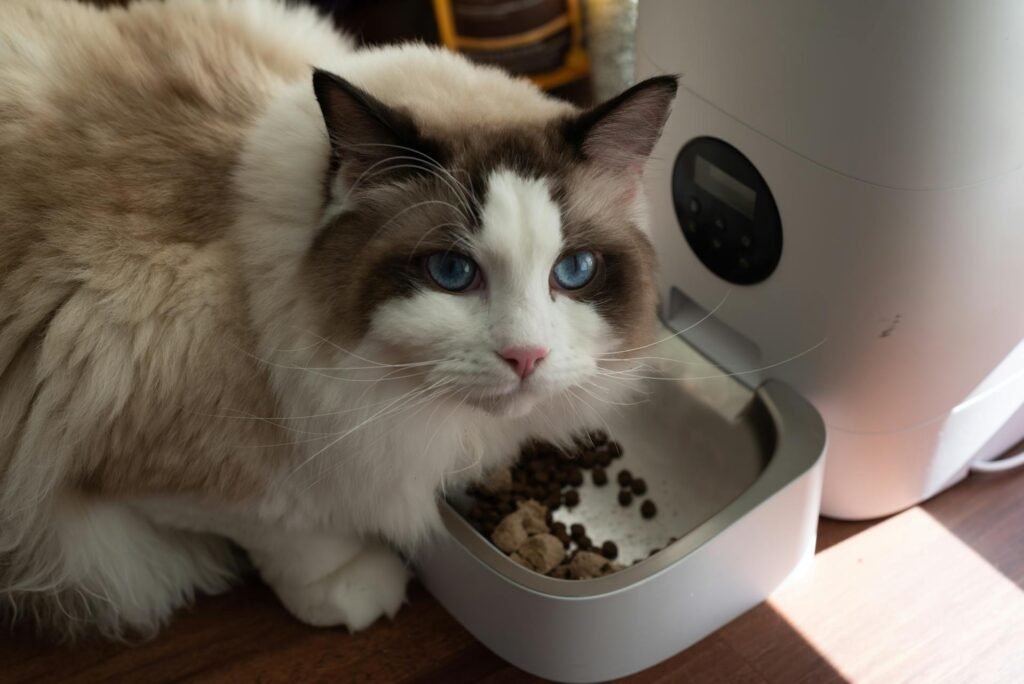
Automatic feeders and water fountains often incorporate plastic components even when the bowl portion is stainless steel or ceramic. If you use these devices, focus on models with removable bowls in the best materials and plan to replace plastic components regularly as they show wear.
Elevated Bowls and Feeding Stations
Raising your cat’s bowls off the ground has become increasingly popular, with many owners reporting their cats seem more comfortable eating from elevated positions. When selecting raised feeding stations, the materials involved multiply: you’re choosing both the bowl material and the stand material.
For the stand itself, stability is paramount. Wooden stands offer aesthetic appeal and sturdy construction but can be damaged by water spills. Many wooden feeding stations incorporate a water-resistant coating, but over time, moisture can still cause warping or encourage mold growth. Plastic stands are lightweight and inexpensive but may tip over if your cat bumps into them. Metal stands, particularly wrought iron or stainless steel, provide excellent stability and are extremely durable, though they can be more expensive.
Regardless of stand material, ensure the bowls themselves are removable for cleaning. Integrated bowl designs that can’t be separated from the stand are nearly impossible to clean properly and should be avoided. Look for feeding stations that accommodate standard-sized stainless steel or ceramic bowls so you can replace bowls as needed without replacing the entire unit.
Some elevated feeders include a feeding mat or tray underneath to catch spills. These are usually plastic or silicone. If the mat is silicone, ensure it’s food-grade quality. Plastic mats should be replaced once they show significant scratching or wear. Consider a setup where the mat is separate from the feeder so each component can be cleaned, replaced, or reconfigured independently.
How Material Affects Maintenance
The best material for cat water bowls and food bowls is only as good as your cleaning routine. Different materials demand different care approaches to maintain their benefits and keep your cat healthy.
Stainless steel bowls are remarkably low-maintenance. Most can go straight into the dishwasher daily without any special considerations. The high heat of a dishwasher actually enhances sanitation, killing bacteria that might linger after hand washing. If hand washing stainless steel, hot water and standard dish soap work perfectly. Avoid steel wool or very abrasive scrubbers that might scratch the surface, though stainless steel is generally scratch-resistant enough that most normal cleaning methods are fine. If your stainless steel bowl develops any discoloration or film buildup, a paste of baking soda and water removes it easily without damaging the surface.
Ceramic bowls need gentler handling. While many are dishwasher-safe (check manufacturer instructions), hand washing preserves the glaze longer. Use warm water and mild dish soap, avoiding abrasive scrubbers that might damage the glazed surface. Inspect ceramic bowls regularly for any signs of crazing, chips, or cracks. Even minor damage means the bowl should be replaced, as compromised ceramic cannot be properly sanitized. Never use a damaged ceramic bowl, even if the damage seems superficial.
Plastic bowls, despite being the least desirable material, actually require the most intensive cleaning to maintain any semblance of hygiene. Wash plastic bowls in the hottest water they can tolerate with antibacterial dish soap. Even with diligent cleaning, plastic bowls should be replaced every few months as bacteria become increasingly difficult to remove from aging plastic surfaces. Some sources suggest soaking plastic bowls occasionally in a diluted bleach solution (properly rinsed afterward) to address bacterial buildup, though if your plastic bowls need bleaching to stay sanitary, it’s probably time to switch to stainless steel.
Glass bowls clean similarly to stainless steel. Most are dishwasher-safe, and they respond well to any standard cleaning method. The main precaution is handling them carefully to avoid chips or cracks that compromise both safety and sanitation.
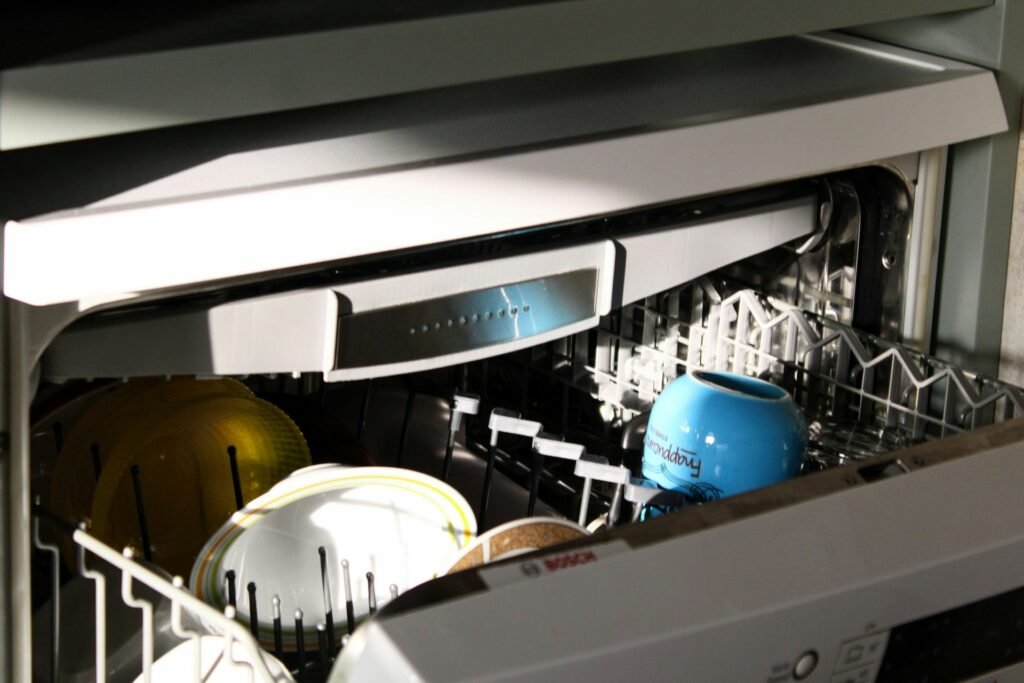
Water bowls deserve special attention regardless of material. Even if your cat’s water looks clear, biofilm (a slimy bacterial layer) develops on the interior surface within 24-48 hours. This biofilm isn’t just unappealing; it can deter cats from drinking adequately. Water bowls should be washed with soap and hot water daily, not just refilled. For maximum sanitation, use water above 140°F in dishwashers when possible. High heat disrupts biofilm structure more effectively than lukewarm hand washing. Air-dry bowls completely before refilling. Residual moisture supports microbial growth, especially at seams or weld points. I recommend maintaining at least three stainless steel bowls in rotation. One in use, one drying, one in the dishwasher. This prevents rushed refilling into damp containers.
Special Considerations: Kittens, Senior Cats, and Health Issues
Life stage and health status can influence which cat bowl material works best for individual felines. While stainless steel remains the safest baseline choice, some circumstances warrant additional considerations.
Kittens do well with shallow stainless steel bowls that allow easy access to food and water. Very young kittens learning to eat solid food sometimes benefit from plates rather than bowls initially, preventing them from walking through their food. As kittens are prone to knocking things over during play, lightweight plastic is particularly unsuitable for this age group. Sturdy stainless steel or heavier ceramic withstands kitten antics better.
Senior cats may develop arthritis or mobility issues that make lowering their heads to floor-level bowls uncomfortable. Elevated stainless steel or ceramic bowls in a stable stand help arthritic cats eat more comfortably. Senior cats also often have compromised immune systems, making the superior sanitation of stainless steel even more critical. Older cats may drink less water than they should, and offering water in multiple locations and different bowl types can encourage better hydration during their senior years.
Cats with kidney disease need maximum hydration. For these cats, the bowl material that encourages the most water consumption is the best choice, regardless of other factors. Some cats with kidney disease drink more from ceramic bowls, others prefer stainless steel, and still others drink most from water fountains with stainless steel or ceramic reservoirs. Experiment to find what your cat prefers, and prioritize their willingness to drink over material orthodoxy.
Cats with sensitive stomachs or food allergies sometimes react to materials their bowls are made from, though this is relatively rare. If your cat has unexplained digestive issues or facial irritation and you’ve ruled out food causes, consider whether bowl material might be contributing. Switching to high-quality stainless steel eliminates this variable.
FAQ
Stainless steel is generally considered the healthiest material for cat bowls due to its non-porous surface that resists bacterial growth, complete lack of chemical leaching, and ease of thorough sanitation. Food-grade stainless steel is the top choice veterinarians recommend for both food and water bowls. High-quality, lead-free ceramic comes in as a close second, offering similar benefits but with more maintenance requirements and breakability concerns.
Yes, plastic bowls are a common cause of feline acne. The porous surface of plastic harbors bacteria even after washing, and these bacteria can lead to blocked pores and breakouts on your cat’s chin where their face contacts the bowl repeatedly during meals. Switching to stainless steel or ceramic bowls often resolves feline acne within a few weeks without any other treatment necessary.
Stainless steel is better for most cats due to its superior durability, easier cleaning, and complete safety from chemicals or contamination. However, ceramic can be an excellent choice if your cat shows a clear preference for it and you’ve verified the bowl is food-safe and lead-free. The best material is ultimately the one that keeps your cat eating and drinking consistently while being properly cleaned daily.
Stainless steel and glass bowls can last for years or even decades with proper care and don’t need replacement unless damaged. Ceramic bowls should be replaced if they develop any chips, cracks, or crazing in the glaze. Plastic bowls should be replaced every few months as they become increasingly difficult to sanitize properly, even with regular cleaning. Any bowl showing significant wear, persistent odors, or damage should be replaced immediately regardless of material.
Most cats prefer shallow, wide bowls that prevent their whiskers from touching the sides. Whiskers, or vibrissae, are deeply innervated tactile organs connected to mechanoreceptors at the follicle base. Repeated compression against narrow bowl walls can trigger avoidance behaviors in sensitive cats. In multi-cat households I have evaluated, switching from narrow 4-inch bowls to 6-inch wide shallow dishes increased meal completion rates noticeably in whisker-sensitive cats within one week.
Elevation can help some cats eat more comfortably, particularly senior cats with arthritis or cats with certain medical conditions. However, not all cats benefit from elevation, and some actually prefer floor-level bowls. The most important factors are bowl material and dimensions rather than elevation. If you try elevated bowls, choose ones with removable stainless steel or ceramic inserts for proper cleaning, and watch your cat to see if they genuinely seem more comfortable eating from the raised position.
Most stainless steel bowls are dishwasher-safe and actually benefit from the high-heat sanitization a dishwasher provides. Glass bowls are also typically dishwasher-safe. Ceramic bowls vary by manufacturer, so check specific care instructions, though many can withstand dishwashing. The high heat and thorough cleaning of a dishwasher helps keep bowls more sanitary than hand washing alone, making dishwasher-safe materials a practical choice for busy households.
Conclusion
Bowl material is a controllable variable with measurable health implications. Surface porosity influences bacterial load. Chemical stability affects long-term exposure. Bowl geometry affects feeding behavior.
For most households, 18/8 stainless steel provides the strongest balance of hygiene, durability, and chemical neutrality. High-quality ceramic is acceptable when verified food-safe and undamaged. Plastic should be avoided for daily feeding due to surface degradation and bacterial retention.
Clean bowls daily. Replace damaged materials immediately. If dermatologic issues persist, reassess both bowl material and cleaning protocol before changing diet. Small environmental corrections often resolve problems that appear medical at first glance.
Looking for more? Explore our Cat Accessories section for more posts like this, visit the Blog for fun and insightful reads, or browse our full Cat Category for everything feline-related, from care to comfort.
Disclaimer: This article is for informational purposes only and does not substitute for professional veterinary advice. Always consult your veterinarian for diagnosis and treatment tailored to your cat’s individual needs. Please verify current product information directly on the retailer’s site before purchasing.
References
- Centers for Disease Control and Prevention (2025). About Cleaning and Disinfecting Pet Supplies. https://www.cdc.gov/healthy-pets/about/cleaning-and-disinfecting-pet-supplies.html
- Hemopet (2019). Plastic, Stainless Steel, Stoneware, Silicone or Ceramic Bowls? https://hemopet.org/food-water-bowls-companion-pets/
- Jazic E, Coyner KS, Loeffler DG, Lewis TP. An evaluation of the clinical, cytological, infectious and histopathological features of feline acne. Vet Dermatol. 2006 Apr;17(2):134-40. https://doi.org/10.1111/j.1365-3164.2006.00507.x
- Raspa F, Schiavone A, Pattono D, Galaverna D, Cavallini D, Vinassa M, Bergero D, Dalmasso A, Bottero MT, Valle E. Pet feeding habits and the microbiological contamination of dog food bowls: effect of feed type, cleaning method and bowl material. BMC Vet Res. 2023 Dec 7;19(1):261. https://doi.org/10.1186/s12917-023-03823-w
- Zheng S, Bawazir M, Dhall A, Kim HE, He L, Heo J, Hwang G. Implication of Surface Properties, Bacterial Motility, and Hydrodynamic Conditions on Bacterial Surface Sensing and Their Initial Adhesion. Front Bioeng Biotechnol. 2021 Feb 12;9:643722. https://doi.org/10.3389/fbioe.2021.643722
Check out our most recent articles!
- Can Cats Eat Green Peas? Safe, Healthy, or Just a Skip?
 A pea rolling across the kitchen floor is basically a free cat toy and a snack in one. But before it becomes a habit, here’s what you should know about what those little green things actually do for (or to) your cat.
 - Are Spray Bottles Bad for Cats? Reasons & AlternativesA spray bottle might stop your cat’s counter-surfing today, but it’s teaching them something much more troubling: that you’re unpredictable and potentially dangerous. Discover what really happens when you spray your cat and the alternatives that actually create lasting change.
- How Are Cats so Flexible? Your Cat’s Anatomy ExplainedBetween their 53 vertebrae, muscular shoulders connected only by soft tissue, and elastic joints, cats possess anatomical superpowers that blur the line between solid and liquid, letting them navigate spaces you’d swear were too small.
- Do Cats Copy Their Owners Voice, Personality and Actions?The independent cat stereotype is crumbling. Science reveals that cats engage in intentional mimicry, learning from their owners and adapting their personalities to match the humans they live with.
- Are Newborn Cats Born With Teeth? Everything About Kitten Dental GrowthEver wondered what’s happening inside a newborn kitten’s mouth? The answer might surprise you. Discover the complete timeline of feline dental development and learn what to expect as your kitten grows from gummy grins to a full set of adult teeth.
- Keeping Your Indoor Cat Warm in Winter: The Complete GuideEven indoor cats feel the winter chill more than you might think. Cold floors, dry air, and sneaky drafts can leave your feline less comfortable than they should be. Discover the simple adjustments that make all the difference in helping your cat stay genuinely cozy through the coldest months.
- Should You Look Your Cat in the Eyes? Is Staring Really Aggressive?Your cat’s eyes tell a story you’ve been misreading. While prolonged staring means one thing in human communication, cats interpret it completely differently. Discover why that loving gaze might actually be stressing out your feline friend and what to do instead.
- Choosing the Best Blanket for Your Cat: A Blanket Buyer’s GuideFinding the best blanket for your cat means considering more than just softness. Temperature regulation, durability, washability, and even behavioral quirks all play a role in choosing the perfect cozy spot for your feline friend. Discover which blanket types match your cat’s lifestyle.
- How to Get Your Kitten to Eat More: Simple Solutions for Picky EatersWatching your tiny kitten turn up their nose at perfectly good food can be heart-wrenching. This comprehensive guide reveals why kittens become picky eaters and shares practical solutions that transform mealtime battles into successful feeding routines.
- Can Cats Eat Fried Rice? Why This Takeout Favorite Is a No-GoThat irresistible takeout aroma might have your cat begging, but fried rice contains ingredients that can harm felines. Discover why even small amounts aren’t worth the risk and what treats truly suit your cat’s carnivorous nature.
- Why Do Cats Vibrate Their Tail? From Happy to HuntingYour cat’s vibrating tail is like a mood ring with fur. Whether they’re thrilled to see you or preparing to mark territory, decoding these rapid shakes reveals what’s really going on in their mind.
- Is Asparagus Bad for Cats? Risks, Benefits, and AlternativesYour cat’s eyeing your asparagus dinner, but should they have any? While this green veggie isn’t toxic to cats, there are surprising reasons why it’s not the treat you might think it is.
- How Cats Express Sadness: Reading Your Feline’s Emotional LanguageCats don’t cry emotional tears or mope around like dogs, but they absolutely experience sadness. The trick is learning to read their subtle language, the withdrawn behavior, the changed routines, the slight shifts in body posture that reveal their inner emotional world.
- Can Cats and Rabbits Live Together? Multi-Species Harmony GuideCats are predators, rabbits are prey, but that doesn’t mean they can’t coexist peacefully. Success comes down to understanding each animal’s instincts, respecting their boundaries, and taking introductions at the right pace.
- Are Space Heaters Safe for Cats? Keeping Your Cat CozySpace heaters can provide cozy warmth for your cat, but only when chosen and positioned with feline safety in mind. Discover which features protect against burns, fires, and electrical hazards.















Written by Solara Bergmeier (Technical Writer and Content Manger) and Vesper Mayerson (Editorial Assistant)
Last reviewed and edited on 17.02.2026