
Female cat aggression is rarely about personality and almost always about perceived resource threat. In multi-cat households I have worked with, conflicts between females are typically territorial, fear-based, or triggered by environmental instability. They are intense because female cats invest heavily in space control and safety.
The solution is not dominance correction or letting them “work it out,” but environmental restructuring, controlled separation, and systematic reintroduction.
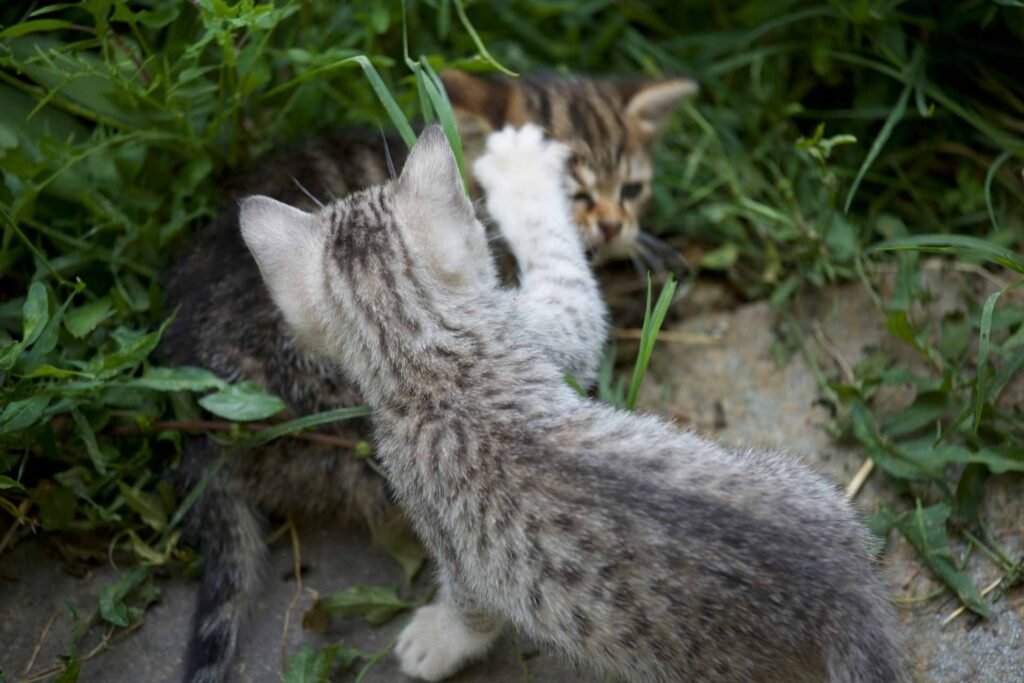
Why Do Female Cats Fight Each Other?
Let’s get one thing straight: when your two female cats fight, they’re not being dramatic for attention. Cats don’t experience aggression the way we do. Their conflicts almost always stem from two core feelings that drive feline behavior: fear and a deep need for security.
Territory plays a massive role here. In free-living colonies, female cats maintain overlapping but carefully negotiated core territories centered around food sources and safe resting sites. Stability is critical. Sudden proximity without established spatial buffering increases defensive behavior.
A frequently overlooked trigger is pathway conflict. Cats do not just defend rooms. They defend access routes. In several in-home assessments, fights occurred consistently in narrow hallways or near stair landings where one cat could not pass without crossing the other’s claimed path.
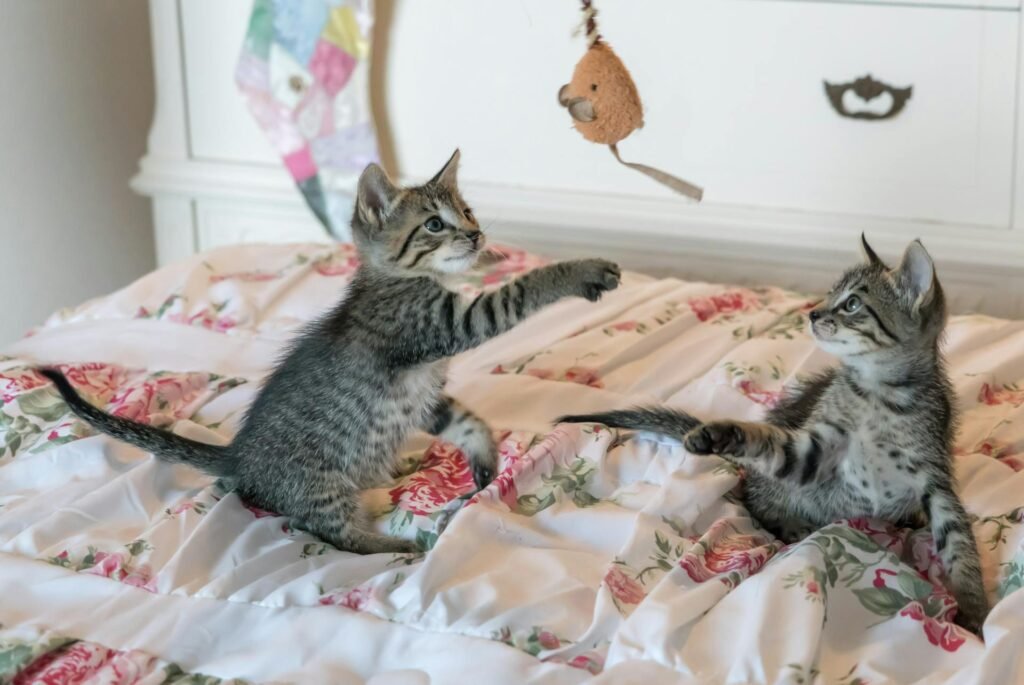
Sometimes what looks like aggression is play behavior that’s gotten out of hand. Young cats especially can engage in rough wrestling that mimics hunting behaviors. The difference? True play involves role switching, forward-facing ears, and retracted claws. Real fighting features pinned-back ears, dilated pupils, puffed tails, and genuine attempts to cause harm.
Stress is another sneaky trigger. A new piece of furniture, construction noise from next door, or even a stray cat wandering through your yard can create enough tension that previously friendly felines suddenly start viewing each other as threats. This redirected aggression happens when a cat can’t attack the actual source of stress, so she lashes out at the nearest available target, which unfortunately tends to be her housemate.
Medical issues matter too. Pain makes even the gentlest cat defensive and irritable. Before assuming you’re dealing with a behavioral problem, having your vet rule out conditions like arthritis, dental disease, or thyroid problems is essential. An injured or ill cat doesn’t feel safe, and an unsafe cat is often an aggressive one.
Reading the Warning Signs
Most cat fights don’t just explode out of nowhere. If you’re paying attention, you’ll notice the tension building hours or even days beforehand. One cat might start blocking doorways or hallways, preventing the other from accessing food, water, or the litter box. You might catch one giving the other a hard stare from across the room, body rigid and tail twitching.
Watch for changes in daily routines. Is one cat suddenly spending all her time upstairs while the other camps out downstairs? Are they both awake and active but carefully avoiding each other? These patterns of avoidance signal that your cats don’t feel comfortable sharing space.
Body language tells you everything. A cat walking low to the ground with her ears swiveled back is terrified and defensive. Arched back with fur standing on end? She’s trying to look bigger to intimidate. Stiff, upright tail? That’s wariness. The puffed-up “bottle brush” tail paired with an arched back means she’s ready to fight if necessary.
Monitor distance tolerance. Measure how close one cat can approach before the other freezes. If that threshold shrinks from 6 feet to 3 feet over days, tension is escalating even if no fight has occurred yet. Also track micro-blocking behavior. A cat sitting in a doorway without moving when the other approaches is controlling movement. Chronic access restriction increases stress and often precedes physical altercations.
The Separation Solution
When your female cats are actively fighting, the absolute first step is keeping them apart. This isn’t about punishment or playing favorites. Complete separation allows both cats to decompress without the constant stress of encountering each other.
Separation must be total visual and physical separation. No shared rooms. No “supervised together time” during this phase. Cortisol levels can remain elevated for 24 to 72 hours after aggressive encounters. Repeated exposure during this period prevents physiological reset.

Set up separate territories with everything each cat needs: food, water, comfortable resting spots, toys, and most importantly, their own litter boxes. The general rule is one box per cat plus one extra, but when you’re dealing with aggression, placing boxes in completely different areas becomes non-negotiable.
You’re actively working on the problem by allowing stress hormones to decrease and giving both cats a chance to feel secure again. Swap their bedding or rub a soft cloth on one cat and place it near the other’s food bowl. This helps them associate each other’s scent with positive experiences without the pressure of face-to-face interaction. We recommend a minimum of 7 full days without visual contact after a serious fight involving fur pulling or vocal escalation.
The Slow Reintroduction
Reintroduction should follow structured desensitization and counterconditioning.
Phase 1: Scent exchange only. Swap bedding daily for 3 to 5 days. Observe eating and grooming stability.
Phase 2: Visual exposure through barrier at a distance of at least 6 feet. Sessions last 5 minutes. End before either cat vocalizes.
Phase 3: Controlled shared space for under 3 minutes with high-value food present. Increase duration gradually over 2 to 3 weeks.
If either cat fixates for more than 3 seconds without blinking, the session ends immediately.
Feed them on opposite sides of a closed door, gradually moving the bowls closer over several days or weeks. The goal is creating positive associations. They should connect the other cat’s presence with something pleasant, not threatening. Some cat owners have success with high-value treats during these sessions, turning “other cat appears” into “good things happen.”
When they can finally share space again, keep initial interactions short and supervised. Have an escape route planned for both cats. Never corner them or force interaction. Let them approach each other at their own pace, and be ready to calmly separate them if tension rises.
Environmental Changes That Reduce Competition
Territory conflicts intensify when cats feel they must compete for resources. The solution isn’t just having enough resources; it’s having them spread throughout your home in ways that don’t force interaction.
Multiple feeding stations prevent one cat from resource-guarding. Place food and water bowls in different rooms, ideally in locations where a cat can eat without feeling cornered. Elevated positions often work better than floor level because they provide a sense of security and allow cats to survey their surroundings while eating.
For litter boxes, the American Animal Hospital Association recommends one box per cat plus one extra, placed in separate locations rather than side by side.
Vertical space is incredibly valuable in multi-cat homes. Cat trees, wall-mounted shelves, and furniture arrangements that create different levels give cats ways to coexist in the same room without feeling crowded. A confident cat might claim the highest perch, while a more nervous one feels safer on a mid-level shelf. This natural spacing reduces tension considerably. Strategic placement of cat furniture throughout your home provides escape routes and reduces the likelihood of ambush scenarios.
Hiding spots matter just as much as high perches. Cardboard boxes, cat tunnels, beds with high sides, these give cats places to retreat when they need a break. Having multiple options means one cat can’t monopolize all the safe spaces, which is a common power move in multi-cat households.
When Play and Exercise Make a Difference
Bored, understimulated cats tend to create their own entertainment, and sometimes that manifests as picking fights with housemates. Daily interactive play sessions give each cat an outlet for their hunting instincts and pent-up energy.
Schedule separate playtime with each cat if possible, especially while working on reducing aggression. Use wand toys with feathers or engaging toys at the end, allowing your cat to stalk, pounce, and “catch” prey. These sessions should last until your cat seems tired, not just bored with the toy after two minutes.
Puzzle feeders and food-dispensing toys provide mental stimulation throughout the day. Instead of inhaling meals in seconds, cats must work for their food, which satisfies instinctive foraging behaviors. This mental exercise can be just as tiring as physical activity, and a satisfied, tired cat has much less interest in starting conflicts.
Rotate toys to maintain novelty. Cats lose interest in toys that are always available, but bringing back a forgotten feather wand after a week feels like a brand new experience. Some owners maintain a toy rotation system to keep their cats engaged without constantly buying new items.
When Fighting Has Specific Triggers
Maternal aggression deserves its own discussion. A female with kittens will fiercely defend her babies from anyone, including cats she previously adored. This instinct usually fades as kittens mature and wean, but during those intense weeks, keeping other cats completely separated from the mother and her litter prevents traumatic encounters that can damage relationships long-term. Spaying prevents future litters and the aggressive behavior that accompanies them.
Redirected aggression is particularly tricky because it can shatter a peaceful multi-cat household in seconds. Imagine two cats lounging companionably when suddenly a loud noise startles them or they spot a strange cat through the window. In that moment of fear and adrenaline, one cat might attack the other simply because she’s there. These incidents require immediate and complete separation, followed by a careful reintroduction process as if the cats were strangers.
Status-related aggression sometimes emerges when a kitten matures into adulthood, typically between two and four years old. The younger cat may start challenging the established adult, leading to frequent altercations. Spaying both cats significantly reduces these hormonally-influenced conflicts.
The Role of Scent and Pheromones
Cats navigate their world primarily through scent, which we often overlook because we’re such visual creatures. Synthetic pheromone products designed to mimic the calming facial pheromones cats produce when they feel safe can help reduce tension in multi-cat households.
These products come in diffusers that plug into outlets, covering areas up to 700 square feet, or as sprays you can apply to furniture and bedding. Clinical trials evaluating synthetic feline facial pheromones show modest reduction in stress behaviors but not universal success. They are adjunctive tools.
Position diffusers in areas where conflicts commonly occur, but avoid placing them directly next to litter boxes. Cats have mixed feelings about toileting near heavy scent markers, even calming ones. Give the product at least a week to take effect; pheromones create subtle changes in mood rather than immediate behavioral shifts.
Some cats respond better than others. While many owners report noticeable improvements in household harmony, these products work best as part of a comprehensive approach that includes proper resources, adequate space, and appropriate reintroduction techniques.
What Not to Do When Your Female Cats Fight
In the panic of breaking up a cat fight, people make understandable but counterproductive choices. Never, under any circumstances, put your hands between fighting cats. Those five sets of claws and teeth don’t distinguish between another cat and your flesh. Use a loud noise, toss a pillow, or spray water near (not directly at) the cats to startle them apart.
Don’t punish cats for fighting. Yelling at them, hitting them, or confining them after an altercation increases their fear and stress, which are the root causes of aggression in the first place. Punishment teaches cats that your presence brings negative consequences, damaging your relationship without addressing the actual problem.

Avoid the temptation to comfort or soothe an aggressive cat immediately after a confrontation. This isn’t coldness; it’s safety. An agitated cat operating on adrenaline might redirect that aggression toward you, even if she typically adores you. Give her space to calm down, which usually takes at least several minutes.
Don’t assume they’ll “work it out” on their own. Unlike dogs who might sort out social hierarchies through confrontation, cats don’t resolve conflicts through fighting. Each battle reinforces the pattern, making future fights more likely and more intense. Early intervention prevents this escalating cycle.
When Professional Help Becomes Necessary
Sometimes despite your best efforts, your female cats’ relationship doesn’t improve. Persistent fighting that results in injuries, eliminates outside the litter box, or creates a household where cats live in constant fear warrants professional intervention.
Veterinary behaviorists have specialized training in both medicine and animal behavior. They can prescribe anti-anxiety medications if appropriate, which work best when combined with environmental modifications and behavioral therapy. These aren’t “tranquilizers” that turn cats into zombies; they’re medications that reduce anxiety enough that cats can learn new, healthier behavioral patterns.
Certified Applied Animal Behaviorists (CAAB or ACAAB) offer expertise without necessarily prescribing medication. They observe your cats’ interactions, identify specific triggers you might have missed, and create customized behavior modification plans. This professional guidance can make the difference between success and continuing chaos.
Some cats simply cannot live together peacefully, regardless of intervention. This isn’t failure on your part. Recognizing incompatibility and making the difficult decision to rehome one cat creates better lives for everyone involved. A cat who’s constantly stressed and defensive in a multi-cat environment might blossom into a relaxed, affectionate companion in a single-cat household.
FAQ
There’s no universal timeline. Some cats respond to interventions within a few weeks, while others need months of careful management. The severity of the aggression, how long the fighting has been occurring, and each cat’s individual temperament all affect the timeline. Patience and consistency matter more than speed. Rushing the process usually causes setbacks that extend the overall time needed.
Spaying significantly reduces hormonally-driven aggression, especially conflicts related to territorial behavior or maternal instincts. However, spaying alone doesn’t solve all aggression problems. Cats who are already spayed can still fight due to fear, resource competition, redirected aggression, or territorial disputes. Spaying should be part of your strategy, but expect to combine it with environmental modifications and behavioral interventions for best results.
Sudden changes in previously peaceful relationships usually have specific triggers. Medical issues causing pain or cognitive decline can make a cat defensive. Environmental stressors like construction noise, a new pet in the neighborhood, or changes in household routine can create tension. Redirected aggression from a one-time frightening event can shatter established bonds. A veterinary checkup rules out health problems, while careful observation helps identify environmental triggers.
Absolutely not. Unlike some animals that establish hierarchies through brief confrontations, cats don’t resolve conflicts through fighting. Each altercation reinforces the aggressive pattern and increases fear and mistrust. Fighting causes injuries, creates chronic stress, and damages the household environment for all pets and people. Always interrupt fights safely using loud noises or barriers, never physical intervention with your hands.
Play involves reciprocal behavior where cats take turns chasing and being chased. Their ears face forward, claws stay mostly retracted, and they don’t vocalize aggressively. Play sessions include breaks where cats reset and restart. Real fighting features flattened ears, puffed tails, intense vocalizations like growling and shrieking, and genuine attempts to cause harm. Fighting cats lock together rather than breaking apart, and one cat typically tries to flee while the other pursues.
Fatal fights between domestic female cats are extremely rare. Cats fight to establish dominance or defend territory, not to kill. However, fights can cause serious injuries including deep bite wounds that become infected, scratches that damage eyes, and stress-related health issues. Even non-fatal injuries require veterinary attention and can be expensive to treat. The psychological damage from chronic fighting affects quality of life significantly.
Yes, providing multiple litter boxes in different locations is essential when dealing with cat aggression. The standard guideline is one box per cat plus one extra, but placement matters as much as quantity. Spread boxes throughout your home so one cat can’t guard or block access to all of them. Being trapped in a litter box during elimination makes cats vulnerable, so they need options that feel safe from ambush.
Adding a third cat to a household where two cats are actively fighting almost always makes things worse, not better. The new cat introduces additional territorial stress and resource competition. Focus on resolving the existing conflict before considering adding more cats. Once your current cats coexist peacefully, you might consider expansion, but it should never be seen as a solution to existing aggression problems.
Conclusion
Female cats fight when they perceive instability, blocked access, or competition for core resources. The resolution not emotional but systematic. Separate. Stabilize. Reintroduce with structure.
Success means predictable coexistence without chronic stress. If your cats can pass each other without freezing, eat without guarding, and rest in shared spaces without vigilance, the program is working.
Peace in multi-cat households is engineered through space design and controlled exposure, not wishful thinking. Your female cats can absolutely learn to share space peacefully, and you’ve got the tools to help them get there.
Looking for more? Explore our Cat Health section for more posts like this, visit the Blog for fun and insightful reads, or browse our full Cat Category for everything feline-related, from care to comfort.
Disclaimer: This article is for informational purposes only and does not substitute for professional veterinary advice. Always consult your veterinarian for diagnosis and treatment tailored to your cat’s individual needs. Please verify current product information directly on the retailer’s site before purchasing.
References
- Aggression Between Cats in Your Household. https://www.aspca.org/pet-care/cat-care/common-cat-behavior-issues/aggression-between-cats-your-household
- Amat M, Camps T, Manteca X. Stress in owned cats: behavioural changes and welfare implications. J Feline Med Surg. 2016 Aug;18(8):577-86. https://doi.org/10.1177/1098612X15590867
- American Animal Hospital Association (2021). General Litter Box Considerationshttps://www.aaha.org/resources/2021-aaha-aafp-feline-life-stage-guidelines/general-litter-box-considerations/
- Bernstein PL. Behavior of Single Cats and Groups in the Home. Consultations in Feline Internal Medicine. 2006:675–85. https://doi.org/10.1016/B0-72-160423-4/50074-3
- Cornell Feline Health Center (2016). Feline Behavior Problems: Aggression. https://www.vet.cornell.edu/departments-centers-and-institutes/cornell-feline-health-center/health-information/feline-health-topics/feline-behavior-problems-aggression
- Gunn-Moore DA, Cameron ME. A pilot study using synthetic feline facial pheromone for the management of feline idiopathic cystitis. J Feline Med Surg. 2004 Jun;6(3):133-8. https://doi.org/10.1016/j.jfms.2004.01.006
- Iwabuchi-Inoue Y, Hattori Y, Kikusui T. Litter box size and litter type preference and their associated behavioral changes in cats. J Vet Med Sci. 2025 Jun 1;87(6):614-620. https://doi.org/10.1292/jvms.24-0468
- Vitale KR. The Social Lives of Free-Ranging Cats. Animals (Basel). 2022 Jan 5;12(1):126. https://doi.org/10.3390/ani12010126
Check out our most recent articles!
- Are Newborn Cats Born With Teeth? Everything About Kitten Dental Growth
 Ever wondered what’s happening inside a newborn kitten’s mouth? The answer might surprise you. Discover the complete timeline of feline dental development and learn what to expect as your kitten grows from gummy grins to a full set of adult teeth.
 - Keeping Your Indoor Cat Warm in Winter: The Complete GuideEven indoor cats feel the winter chill more than you might think. Cold floors, dry air, and sneaky drafts can leave your feline less comfortable than they should be. Discover the simple adjustments that make all the difference in helping your cat stay genuinely cozy through the coldest months.
- Should You Look Your Cat in the Eyes? Is Staring Really Aggressive?Your cat’s eyes tell a story you’ve been misreading. While prolonged staring means one thing in human communication, cats interpret it completely differently. Discover why that loving gaze might actually be stressing out your feline friend and what to do instead.
- Choosing the Best Blanket for Your Cat: A Blanket Buyer’s GuideFinding the best blanket for your cat means considering more than just softness. Temperature regulation, durability, washability, and even behavioral quirks all play a role in choosing the perfect cozy spot for your feline friend. Discover which blanket types match your cat’s lifestyle.
- How to Get Your Kitten to Eat More: Simple Solutions for Picky EatersWatching your tiny kitten turn up their nose at perfectly good food can be heart-wrenching. This comprehensive guide reveals why kittens become picky eaters and shares practical solutions that transform mealtime battles into successful feeding routines.
- Can Cats Eat Fried Rice? Why This Takeout Favorite Is a No-GoThat irresistible takeout aroma might have your cat begging, but fried rice contains ingredients that can harm felines. Discover why even small amounts aren’t worth the risk and what treats truly suit your cat’s carnivorous nature.
- Why Do Cats Vibrate Their Tail? From Happy to HuntingYour cat’s vibrating tail is like a mood ring with fur. Whether they’re thrilled to see you or preparing to mark territory, decoding these rapid shakes reveals what’s really going on in their mind.
- Is Asparagus Bad for Cats? Risks, Benefits, and AlternativesYour cat’s eyeing your asparagus dinner, but should they have any? While this green veggie isn’t toxic to cats, there are surprising reasons why it’s not the treat you might think it is.
- How Cats Express Sadness: Reading Your Feline’s Emotional LanguageCats don’t cry emotional tears or mope around like dogs, but they absolutely experience sadness. The trick is learning to read their subtle language, the withdrawn behavior, the changed routines, the slight shifts in body posture that reveal their inner emotional world.
- Can Cats and Rabbits Live Together? Multi-Species Harmony GuideCats are predators, rabbits are prey, but that doesn’t mean they can’t coexist peacefully. Success comes down to understanding each animal’s instincts, respecting their boundaries, and taking introductions at the right pace.
- Are Space Heaters Safe for Cats? Keeping Your Cat CozySpace heaters can provide cozy warmth for your cat, but only when chosen and positioned with feline safety in mind. Discover which features protect against burns, fires, and electrical hazards.
- Cat Bed Placement 101: Finding the Perfect Spot Your Cat Will Actually UseCats spend up to 16 hours sleeping daily, yet many reject their designated beds completely. The problem isn’t pickiness, it’s placement. Learn where cats naturally feel safe and comfortable, and how to position beds they’ll genuinely use.
- Can a Kitten Be Left Alone at Night? What You Need to KnowThose first nights with a new kitten rarely match the peaceful scene you imagined. Learn why most kittens can sleep alone once they reach a certain age, and discover the setup secrets that make nighttime independence work for everyone.
- A Cat’s New Year’s Resolutions: What Your Cat Would Promise (If They Could Write)Cats worldwide are drafting their own new year’s resolutions, and they’re refreshingly honest. From mastering the art of selective hearing to expanding their forbidden food sampling program, discover what your feline friend would promise if they could hold a pen (before knocking it off the desk).
- Cats and Snow: Why Some Love It and Others Don’tSnow isn’t just uncomfortable for many cats, it’s a complete sensory overload. From cold paw pads to wet fur and changed landscapes, winter challenges feline comfort in unexpected ways. Learn how to recognize stress signals and create cozy alternatives for snow-averse cats.















Written by Fenton Harberson (Scientific Writer and Digital Asset Planner)
Last reviewed and edited on 24.02.2026