
You’ve just finished scooping the litter box, refreshing your cat’s water, and pouring some kibble into their bowl. Job done, right? Not quite. While most cat parents are diligent about changing the water and refilling food, there’s a crucial maintenance task that often gets overlooked: properly cleaning those food and water bowls.
The truth is, your feline friend’s dishes might be harboring more germs than your toilet seat. Yes, you read that correctly. That innocent-looking bowl your beloved kitty eats from daily could be a petri dish of harmful bacteria. But don’t panic, we’ll guide you through everything you need to know to keep your cat’s dining area pristine.
Why Clean Cat Bowls Matter More Than You Think
That slippery film forming around the edge of your cat’s water bowl isn’t just unpleasant, it’s a warning sign. While most cat owners are diligent about changing water and refilling food, the actual cleaning of those dishes often gets overlooked.
Research has shown that pet food bowls rank among the most contaminated items in typical households. These seemingly innocent dishes can harbor harmful microorganisms including E. coli, Salmonella, and various fungal organisms that pose health risks to both your cat and your family.
When bowls aren’t cleaned regularly, they become breeding grounds for bacteria that can cause gastrointestinal issues, skin problems, and may even contribute to your cat avoiding proper hydration. The biofilm that develops, that slippery layer you can feel with your finger, is actually a complex community of bacteria with potential health implications that extend beyond mere cleanliness concerns.
Signs Your Cat’s Bowls Need Cleaning (Even If You Can’t See It)
Your cat’s dishes might look clean to the naked eye, but bacteria are microscopic troublemakers. Here are some telltale signs that it’s past time for a wash:
- Biofilm development: That slippery, slightly slimy feeling when you run your finger along the inside of the bowl
- Discoloration: Particularly visible in white or light-colored bowls
- Odor: Any unusual smell coming from clean, empty bowls
- Visible debris: Food particles stuck to the sides or bottom
- Your cat’s behavior: Pawing at water before drinking or seeming reluctant to eat from their usual bowl
Even without these signs, regular cleaning should be part of your pet care routine. But how often is “regular”? Let’s get into the nitty-gritty.
The Bowl-Cleaning Schedule Every Cat Parent Should Follow
Different veterinary experts have slightly different recommendations, but there’s a general consensus on best practices:
For Water Bowls:
- Daily: Rinse thoroughly with hot water and wipe dry
- Every 2-3 days: Wash with soap and water
- Weekly: Deep clean/disinfect (details coming up)
For Food Bowls:
- After each meal: Rinse and wipe (especially important for wet food)
- Daily: Wash with hot, soapy water
- Weekly: Deep clean/disinfect
Bowl Materials Matter: Choosing the Right Dish for Your Cat
Not all cat bowls are created equal when it comes to hygiene. The material of your cat’s bowls affects not only how quickly bacteria build up but also how effectively you can clean them.
Stainless Steel: The Gold Standard
Pros:
- Virtually non-porous, making it difficult for bacteria to hide
- Dishwasher-safe and highly durable
- Won’t leach chemicals into food or water
- Resistant to scratches that can harbor bacteria
Cons:
- Can be noisy when cats eat from them
- May slide around on floor without rubber base
Ceramic: Pretty but Proceed with Caution
Pros:
- Aesthetically pleasing designs to match your home decor
- Heavier and less likely to be pushed around by enthusiastic eaters
- Non-porous when glazed properly
Cons:
- Can chip or crack, creating perfect hiding spots for bacteria
- May contain lead in cheaper glazes (look for “food safe” labeling)
- Porous if unglazed or if glaze is damaged
Plastic: Convenient but Problematic
Pros:
- Inexpensive and widely available
- Lightweight and unbreakable
Cons:
- Easily scratched, creating bacterial havens
- May contain BPA or other concerning chemicals
- Can cause “feline acne” in some cats due to bacterial buildup
- Tends to retain odors over time
Glass: Clean but Cautious Choice
Pros:
- Non-porous and easy to see when clean
- Doesn’t retain odors
- Free from chemical concerns
Cons:
- Breakable (obvious safety concerns)
- May be too lightweight without a non-slip base
The Great Debate: Flat-Faced Cat Bowl Needs
If you have a brachycephalic (flat-faced) breed like a Persian or Exotic Shorthair, you’ve likely noticed they interact with food and water differently than other cats. These unique felines often struggle with standard deep bowls due to their facial structure.
Veterinary specialists in feline medicine recommend specially designed shallow bowls or plates that don’t require these cats to push their faces deep into containers. This specialized approach helps prevent several common issues specific to flat-faced breeds:
- Food and water can get trapped in facial folds, potentially leading to skin irritation or infection
- Traditional deep bowls may cause discomfort during eating and drinking
- Some flat-faced cats may eat less or drink inadequate amounts when using inappropriate dishes
For these special felines, consider:
- Shallow, wide dishes rather than deep bowls
- Slightly elevated feeding stations to improve positioning
- Cleaning after each meal rather than daily, as food tends to spread more widely
How to Properly Clean Cat Bowls: Beyond Just a Quick Rinse
Now for the main event: how exactly should you be cleaning these bowls? Let’s break down the process for both regular cleaning and deep cleaning.
Daily Cleaning Routine:
- Remove leftover food and debris
- Pre-rinse with warm water to loosen any stuck-on food
- Wash with mild dish soap and hot water
- Scrub all surfaces, including the bottom and outer edges
- Rinse thoroughly until no soap residue remains (cats are sensitive to soap taste)
- Air dry completely or dry with a clean paper towel
Weekly Deep Clean:
For this more thorough disinfection, you have several options:
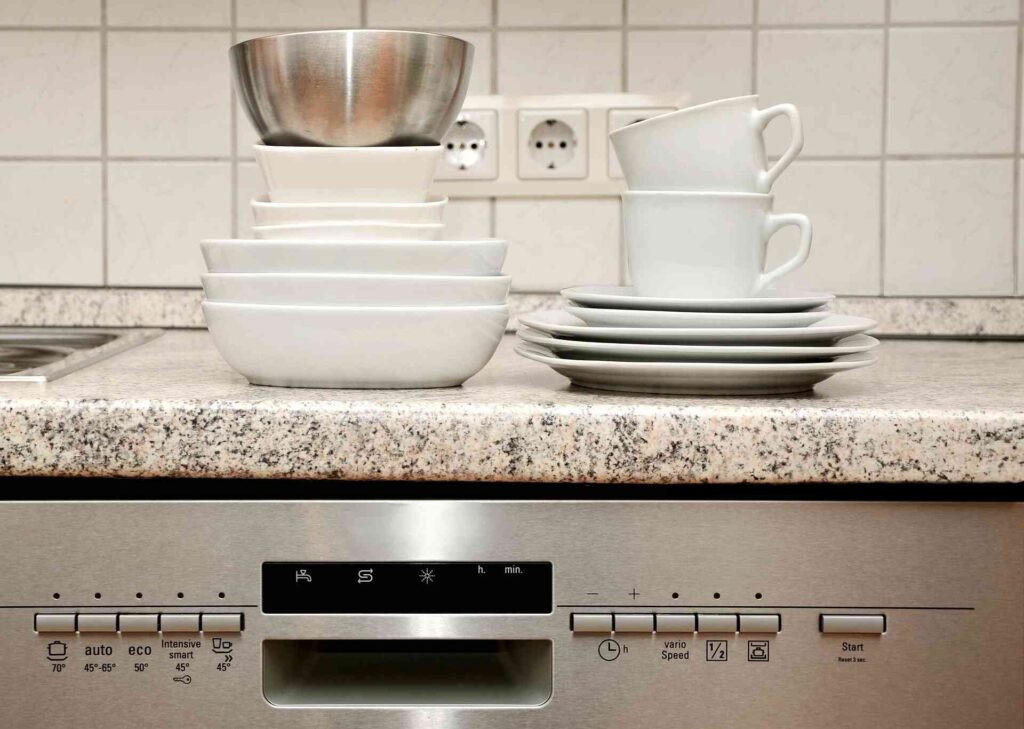
Option 1: Dishwasher (if bowl is dishwasher-safe)
- Use the sanitize cycle if available
- Place bowls on the top rack
- Run without other dishes if possible to prevent cross-contamination
Option 2: Vinegar Soak
- Create a solution of 1 part white vinegar to 3 parts hot water
- Soak bowls for 15 minutes
- Scrub any remaining residue
- Rinse thoroughly several times
- Air dry completely
Option 3: Bleach Solution (use with caution)
- Create a solution of 1 tablespoon unscented bleach per gallon of water
- Soak bowls for 10 minutes
- Rinse extremely thoroughly multiple times
- Allow to air dry completely in a well-ventilated area
Important safety note: Never mix vinegar (or any acid-based cleaner) and bleach solutions, as this creates toxic chlorine gas. If using bleach, ensure bowls are completely rinsed and dried before returning them to your cat. Even small bleach residues can be dangerous if ingested by cats.
Comparing Cleaning Methods: What Works Best?
Not sure which cleaning method suits your routine? Here’s a quick comparison to help you decide.
| Cleaning Method | Effectiveness | Safety | Convenience | Best For |
|---|---|---|---|---|
| Hot Soap & Water | Good | Excellent | High | Daily cleaning |
| Dishwasher | Excellent | Good | Medium | Weekly cleaning of dishwasher-safe materials |
| Vinegar Solution | Very Good | Excellent | Medium | Weekly disinfection of all materials |
| Bleach Solution | Excellent | Fair | Low | Occasional deep cleaning of non-porous materials only |
| Commercial Pet Bowl Cleaner | Very Good | Good | High | Alternative to DIY methods |
Common Bowl Cleaning Mistakes to Avoid
Even well-intentioned cat parents sometimes make these cleaning missteps:
1. Using Scented Products
Cats have much more sensitive noses than humans. Strongly scented soaps or cleaners may cause them to avoid their bowls entirely. Stick to unscented, mild dish soap.
2. Insufficient Rinsing
Any soap residue can taste bitter to your cat and potentially cause stomach upset. Triple-rinse when in doubt.
3. Cleaning Water Bowls Less Than Food Bowls
Water bowls develop biofilm faster than you might expect, sometimes within 24 hours. This slimy bacterial layer isn’t just gross; it can make water taste bad to your cat and potentially cause them to drink less.
4. Using the Same Sponge for Pet Bowls and Human Dishes
Cross-contamination is real. Use a separate sponge or cloth dedicated solely to pet items.
5. Forgetting to Clean the Floor Under Bowls
Food debris and water splashes create a perfect environment for bacteria growth. Don’t forget to clean feeding mats or floor areas regularly too.
When to Replace Your Cat’s Bowls Entirely
Even with diligent cleaning, bowls don’t last forever. Here are signs it’s time for replacement:
- Deep scratches that cannot be thoroughly cleaned
- Cracks or chips in ceramic or glass bowls
- Cloudy appearance in plastic that doesn’t clear with cleaning
- Persistent odor despite thorough washing
- Discoloration that doesn’t come clean
- Worn-off glazing on ceramic bowls
Most veterinarians recommend replacing plastic bowls every three months, regardless of appearance. Stainless steel and ceramic can last years if well-maintained, but should be replaced at the first sign of damage.
Special Circumstances: When More Frequent Cleaning Is Necessary
Certain situations call for extra vigilance in bowl hygiene:
Multiple-Cat Households
When several cats share bowls, bacteria transmission increases. Consider daily disinfection rather than weekly, and provide multiple water sources that are cleaned on alternating schedules.
Outdoor/Indoor Cats
Cats with outdoor access tend to bring in more environmental bacteria. Their bowls may need more frequent deep cleaning.
Senior or Immunocompromised Cats
Older cats or those with health conditions like FIV, diabetes, or cats on certain medications may have compromised immune systems. For these special felines, daily disinfection rather than weekly may be appropriate.
Hot Weather
Bacteria multiply faster in warm environments. During summer months, consider increasing your cleaning frequency by about 50%.
Automated Solutions: Are They Worth It?
In our tech-driven world, there’s no shortage of gadgets promising to make pet care easier, including water fountains and automated feeders. But do they solve the cleaning problem?
Veterinary experts caution that while these devices offer convenience, they often require more maintenance than traditional bowls. Many fountains and feeders have multiple components and hard-to-reach crevices where bacteria can flourish if not properly maintained. The interior mechanisms can be particularly challenging to clean thoroughly.
If you do opt for a water fountain or automatic feeder:
- Disassemble completely for cleaning according to manufacturer instructions
- Clean all parts that come in contact with food or water at least weekly
- Change filters as recommended (usually every 2-4 weeks)
- Check for mold in hidden crevices regularly
Remember: automation shifts your task from frequent simple cleanings to less frequent but more complex deep cleanings.
Creating a Sustainable Bowl-Cleaning Routine
The key to consistent bowl hygiene is creating a routine that works with your lifestyle. Here are some practical tips:
- Keep cleaning supplies near your cat’s feeding area
- Set calendar reminders for weekly deep cleans
- Buy multiple sets of bowls so clean ones are always available
- Clean bowls at the same time as another daily task to build habit
- Consider dishwasher-safe options if you run your dishwasher daily
Remember that consistency is more important than perfection. A realistic routine you can maintain is better than an elaborate cleaning protocol that gets abandoned after a week.
The Bottom Line: Your Cat Deserves a Clean Dish
Your feline companion trusts you completely for their care, including providing clean food and water. While the cleaning schedule I’ve outlined might seem intensive at first glance, it quickly becomes second nature, just another small act of love in your relationship with your cat.
By maintaining proper bowl hygiene, you’re not just preventing potential illness; you’re enhancing your cat’s quality of life. Clean bowls mean more appealing meals, better hydration, and one more way to show your furry friend how much you care.
Looking for more? Explore our Cat Hygiene section for more tips like this, visit the Blog for fun and insightful reads, or browse our full Cat Category for everything feline-related, from care to comfort.
Disclaimer: This article is for informational purposes only and does not substitute for professional veterinary advice. Always consult your veterinarian for diagnosis and treatment tailored to your cat’s individual needs. Please verify current product information directly on the retailer’s site before purchasing.
References
- American Veterinary Medical Association. (2023). Pet food safety. https://www.avma.org/javma-news/2012-06-01/improving-safety-pet-food
- Cornell University College of Veterinary Medicine, Feline Health Center. (2024). Feeding your cat. https://www.vet.cornell.edu/departments-centers-and-institutes/cornell-feline-health-center/health-information/feline-health-topics/feeding-your-cat
- Food and Drug Administration, Center for Veterinary Medicine. (2023). Safe handling of pet food and treats. https://www.fda.gov/animal-veterinary/animal-health-literacy/tips-safe-handling-pet-food-and-treats
- Norsworthy, G. D. (2021). The Feline Patient (5th ed.). Wiley-Blackwell. https://www.wiley.com/en-us/The+Feline+Patient%2C+5th+Edition-p-9781119269038
- NSF International. (2022). 2022 NSF International household germ study. https://www.nsf.org/consumer-resources/articles/germiest-items-home
Check out our most recent articles!
- Can Cats Eat Green Peas? Safe, Healthy, or Just a Skip?
 A pea rolling across the kitchen floor is basically a free cat toy and a snack in one. But before it becomes a habit, here’s what you should know about what those little green things actually do for (or to) your cat.
 - Are Spray Bottles Bad for Cats? Reasons & AlternativesA spray bottle might stop your cat’s counter-surfing today, but it’s teaching them something much more troubling: that you’re unpredictable and potentially dangerous. Discover what really happens when you spray your cat and the alternatives that actually create lasting change.
- How Are Cats so Flexible? Your Cat’s Anatomy ExplainedBetween their 53 vertebrae, muscular shoulders connected only by soft tissue, and elastic joints, cats possess anatomical superpowers that blur the line between solid and liquid, letting them navigate spaces you’d swear were too small.
- Do Cats Copy Their Owners Voice, Personality and Actions?The independent cat stereotype is crumbling. Science reveals that cats engage in intentional mimicry, learning from their owners and adapting their personalities to match the humans they live with.
- Are Newborn Cats Born With Teeth? Everything About Kitten Dental GrowthEver wondered what’s happening inside a newborn kitten’s mouth? The answer might surprise you. Discover the complete timeline of feline dental development and learn what to expect as your kitten grows from gummy grins to a full set of adult teeth.
- Keeping Your Indoor Cat Warm in Winter: The Complete GuideEven indoor cats feel the winter chill more than you might think. Cold floors, dry air, and sneaky drafts can leave your feline less comfortable than they should be. Discover the simple adjustments that make all the difference in helping your cat stay genuinely cozy through the coldest months.
- Should You Look Your Cat in the Eyes? Is Staring Really Aggressive?Your cat’s eyes tell a story you’ve been misreading. While prolonged staring means one thing in human communication, cats interpret it completely differently. Discover why that loving gaze might actually be stressing out your feline friend and what to do instead.
- Choosing the Best Blanket for Your Cat: A Blanket Buyer’s GuideFinding the best blanket for your cat means considering more than just softness. Temperature regulation, durability, washability, and even behavioral quirks all play a role in choosing the perfect cozy spot for your feline friend. Discover which blanket types match your cat’s lifestyle.
- How to Get Your Kitten to Eat More: Simple Solutions for Picky EatersWatching your tiny kitten turn up their nose at perfectly good food can be heart-wrenching. This comprehensive guide reveals why kittens become picky eaters and shares practical solutions that transform mealtime battles into successful feeding routines.
- Can Cats Eat Fried Rice? Why This Takeout Favorite Is a No-GoThat irresistible takeout aroma might have your cat begging, but fried rice contains ingredients that can harm felines. Discover why even small amounts aren’t worth the risk and what treats truly suit your cat’s carnivorous nature.