
A cat rolls over, the owner interprets it as an invitation, and contact triggers a rapid defensive response. This is not mixed messaging. It is a misunderstanding of feline signaling.
The direct answer is this: most cats do not enjoy belly rubs. Belly exposure signals trust, not consent to touch. A minority of individuals tolerate or enjoy brief contact, usually due to early handling history and temperament. Understanding the difference prevents bites, scratched forearms, and unnecessary strain in the human-cat relationship.

The Belly Rub Paradox
The whole belly rub situation with cats is a bit like being offered cake at a party, only to discover it’s a very convincing prop. Cats send mixed signals that leave us scratching our heads (and sometimes our hands). One moment they’re rolling around, showing off their spotted or striped tummies, and the next they’re treating your hand like it’s invaded their personal kingdom.
If cats like belly rubs depends entirely on the individual cat, their mood, and the trust level they have with you. Unlike dogs, who often live for a good belly scratch, cats have a completely different relationship with their vulnerable underside. Their belly houses vital organs, and in the wild, exposing this area would be downright dangerous. The ventral abdomen protects the liver, spleen, and gastrointestinal tract with minimal bony shielding. Unlike the spine or skull, this area relies on soft tissue protection. From a defensive standpoint, it is a high-risk target.
I often demonstrate this by gently touching a relaxed cat’s lateral flank versus the midline abdomen. Many cats tolerate flank pressure but show immediate skin rippling or muscle contraction when the midline is contacted. That reaction is reflexive, not emotional. Some catsdo enjoy the occasional tummy rub, while others would rather face a vacuum cleaner than let you near their belly.
What Your Cat Really Means
When your cat rolls over and exposes their belly, they’re not necessarily asking for pets. More often than not, this display is a sign of trust and contentment. Your cat feels safe enough around you to show their most vulnerable area. It’s one of the highest compliments a cat can give you, but it doesn’t automatically come with touching privileges.
The belly display is best classified as a relaxed social posture. It reduces muscle tension and exposes the abdomen when the cat perceives no immediate threat. It is not an affiliative solicitation behavior in the same category as head bunting or tail-up greeting. Owners frequently confuse posture with invitation. Posture communicates internal state, not necessarily a request for physical interaction.
Different cats have different comfort levels with belly exposure. Some confident, well-socialized cats might tolerate or even enjoy gentle tummy touches, especially if they’ve been conditioned to accept it from kittenhood. Others treat any belly contact as a declaration of war, regardless of how much they trust you. There’s no universal rule, which makes each cat’s preferences part of their unique personality.
The belly display also serves other purposes. Cats might roll over during play to use all four paws for bunny-kicking moves, or they might be trying to cool down on a warm day. Reading the context around the belly exposure gives you valuable clues about whether a touch would be welcome or warrant an emergency exit strategy.
Signs Your Cat Enjoys Belly Rubs
While most cats fall into the “look but don’t touch” category, there are exceptions to every rule. Some cats buck the trend and enjoy having their tummies rubbed. How can you tell if you’ve hit the feline lottery with a belly-rub-loving cat?
Watch for relaxed body language when you approach their belly. A cat who enjoys belly rubs will remain loose and floppy, with their legs slightly spread and their tail calm. Their ears stay in a natural position rather than flattening back, and their eyes might be half-closed in contentment. Most importantly, they don’t immediately tense up or grab your hand.
These rare belly rub enthusiasts might even seek out tummy touches by repeatedly rolling over in front of you or gently pawing at your hand when you stop. They’ll purr during the interaction and maintain their relaxed posture throughout. Some will even stretch out further, extending their paws and making little happy chirps or trills.
Breeds can play a role too. Ragdolls, Maine Coons, and some other breeds known for their dog-like personalities tend to be more tolerant of belly handling. However, individual personality always trumps breed characteristics, so never assume based on genetics alone.
Why Most Cats Hate Belly Rubs
Let’s talk about why the majority of cats would rather eat cardboard than let you touch their belly. The sensitivity of a cat’s stomach area is rooted in both biology and instinct. The belly skin contains numerous nerve endings, making it one of the most sensitive areas on their body. What feels like a gentle rub to you might be overwhelming or even ticklish to your cat.
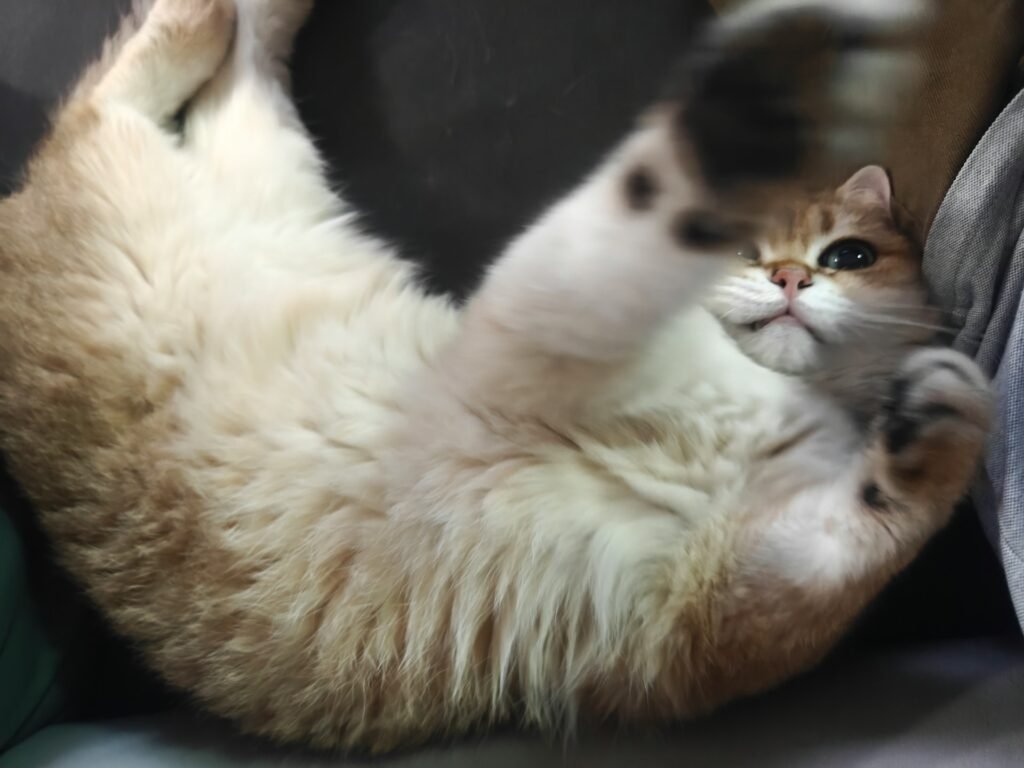
Cats have a well-documented phenomenon known as petting-induced overstimulation. Repeated tactile input activates low-threshold mechanoreceptors in the skin. In some individuals, the stimulus shifts from pleasant to aversive within seconds. The threshold varies by cat.
I see this most often in indoor-only cats that receive long, repetitive strokes. The cat appears relaxed, then abruptly bites. It is a signal that the sensory threshold has been exceeded.
In the wild, any predator worth their salt would target the belly for a quick takedown. Cats instinctively know this, so their default response to belly contact is defensive. Even though your house cat has probably never encountered a predator beyond that suspicious squirrel outside, millions of years of evolution don’t just disappear because there’s kibble in a bowl.
Related article: Do Owls Attack Cats? What Every Cat Owner Needs to Know
The famous “belly trap” occurs when cats present their stomach as a trust display but react aggressively to touch. Your cat is simply responding to their hardwired instincts kicking in when that vulnerable area is touched. The bunny kick maneuver, where they grab your hand with their front paws and rapidly kick with their back legs, is a classic defensive move designed to disembowel prey or defend against threats.
Some cats also associate belly touching with play rather than affection. If you’ve ever played rough with your cat using your hands, they might interpret any belly interaction as an invitation to wrestle. This is particularly common in younger cats who have excess energy and see your hand as an interactive toy rather than a source of gentle affection.
Past experiences matter tremendously too. A cat who had unpleasant handling as a kitten, experienced medical issues requiring belly examination, or never received proper socialization might have extra sensitivity around their stomach area. These cats need patience and respect for their boundaries rather than forced interaction.
The Right Way to Approach a Cat’s Belly
If you choose to test tolerance, use a structured desensitization approach.
Step 1: Confirm baseline relaxation. The cat should be lying laterally, breathing slow and regular, tail still.
Step 2: Begin with known positive contact zones such as the cheeks or chin. Wait for soft eyes and forward or neutral ears.
Step 3: Transition to the cranial chest, not the abdomen. Pause. Observe for piloerection, skin twitching, tail movement, or pupil dilation.
Step 4: If no stress markers appear, apply one light stroke to the upper abdomen lasting less than one second. Withdraw immediately.
Duration should never exceed two to three seconds in early trials. End the interaction before the cat disengages. Ending first preserves trust.
One or two gentle touches are plenty for even the most tolerant cats. Don’t overstay your welcome by continuing to rub if your cat shows even the slightest sign of discomfort. Twitching skin, a swishing tail, flattened ears, or dilated pupils all mean “stop immediately.”
If your cat does tolerate belly touches, keep them brief and infrequent. Some cats accept belly touches better when they’re sleepy or deeply relaxed, so timing matters as much as technique.
Consider using just one or two fingers for belly touches rather than your whole hand. This less invasive approach feels less threatening to many cats. Always give your cat an easy escape route so they don’t feel trapped or cornered, which can turn tolerance into panic quickly.
Cat Touch Preferences
Let’s break down the zones:
The Green Zone: Almost Always Welcome
Head, cheeks, and chin are typically cat favorites. Most cats have scent glands in these areas and enjoy marking you with their scent while receiving pleasant sensations. The area behind the ears and under the chin especially tend to be crowd-pleasers. Many cats will actively push into your hand when you pet these spots, giving you immediate feedback that you’ve found the sweet spot.

The Yellow Zone: Proceed with Caution
The back, sides, and base of the tail fall into this category. Many cats enjoy strokes along their spine, but others find it overstimulating, especially if you press too hard or pet too rapidly. The tail base can be particularly sensitive, and some cats find it annoying or exciting rather than relaxing.

The Red Zone: Danger Ahead
The belly, paws, and tail tip are typically no-go zones for most cats. Beyond the belly sensitivity we’ve discussed, paws contain many nerve endings and are essential for a cat’s mobility and defense. Cats instinctively protect their paws, and most don’t appreciate paw handling unless they’ve been specifically trained to accept it. The tail tip is similarly sensitive and vulnerable, making it off-limits for most felines.
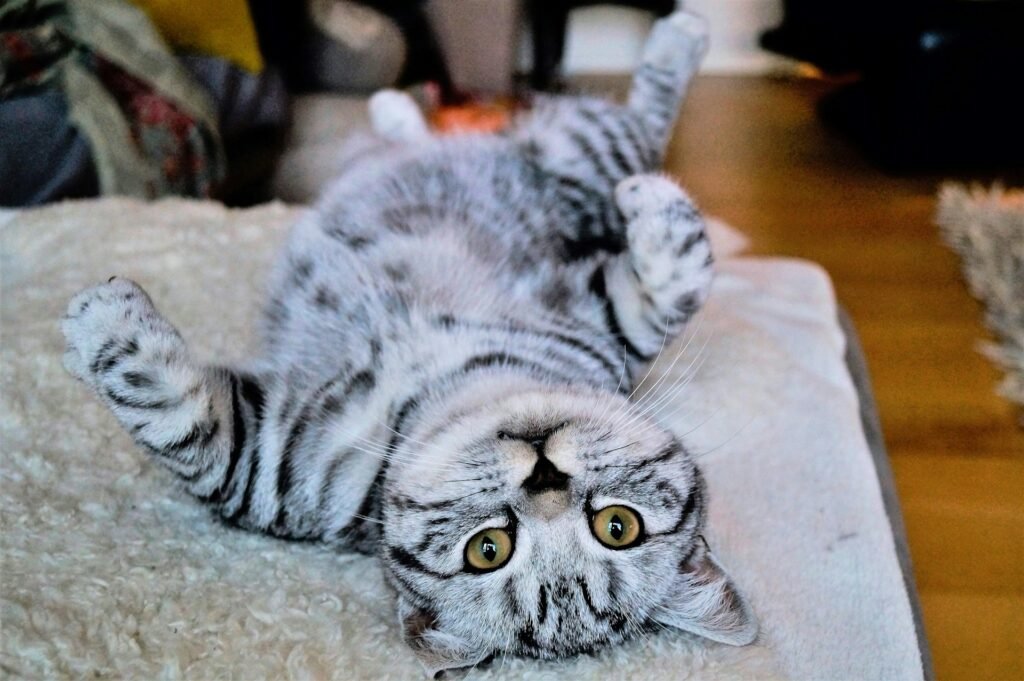
A soft, comfortable bed positioned in their favorite spot gives them a safe haven where they control the interaction level, and a quality grooming brush designed for cats lets you provide pleasant physical contact in their preferred areas.
Alternative Ways to Bond With Your Cat
If your cat falls into the “absolutely no belly rubs ever” category, don’t despair. There are countless other ways to build a strong bond and show your affection that your cat will appreciate.
Interactive play sessions top the list. Engaging cat toys that mimic prey movements satisfy your cat’s hunting instincts and create positive associations with you. Feather wands, laser pointers (always with a physical toy reward at the end), and interactive puzzle feeders provide mental stimulation while strengthening your relationship. Regular play sessions especially help with cats who have excess energy that might otherwise manifest as aggression.
Grooming represents another bonding opportunity that most cats enjoy more than belly rubs. Regular brushing sessions with an appropriate grooming tool for your cat’s coat type feels good to them, reduces shedding, and prevents mats. Many cats view grooming as a social bonding behavior, similar to how cats who like each other groom one another.
Treat time creates positive associations too, though moderation is key. Hand-feeding occasional treats or using them during training sessions builds trust without pushing physical boundaries your cat isn’t comfortable with.
Sitting near your cat while reading or working, talking to them in a gentle voice, or offering slow blinks (the cat equivalent of a kiss) all strengthen your bond. Some cats prefer parallel play and companionship over direct physical contact, and that’s perfectly valid.
Creating an enriching environment shows love too. Well-placed cat furniture that gives your cat vertical space, hiding spots, and observation perches demonstrates you understand and respect their needs. A cat water fountain keeps them hydrated while satisfying their preference for moving water, and elevated feeding bowls can make mealtimes more comfortable.
Training Your Cat to Accept Belly Touches
While you can’t force a cat to enjoy belly rubs, you can sometimes gradually increase their tolerance through patient, positive training. This process requires weeks or months of consistent effort with no guarantee of success, so only attempt it if you’re truly committed and your cat shows at least some initial tolerance.
In my experience, fewer than 30 percent of adult cats with a history of belly defensiveness progress beyond brief tolerance. Owners often mistake tolerance for enjoyment. The goal should be cooperative handling for veterinary or grooming purposes, not recreational belly rubbing.
Start by associating belly exposure with positive experiences that don’t involve touching. When your cat rolls over and shows their belly, immediately give them a favorite treat or engage them with a beloved toy. You’re building a positive association with the belly-up position without pushing their boundaries.
Once your cat readily shows their belly in your presence, begin touching areas adjacent to the belly while rewarding them. Pet their chest or the sides of their torso, gradually working closer to the belly over many sessions. Each step might take days or weeks, depending on your cat’s comfort level.
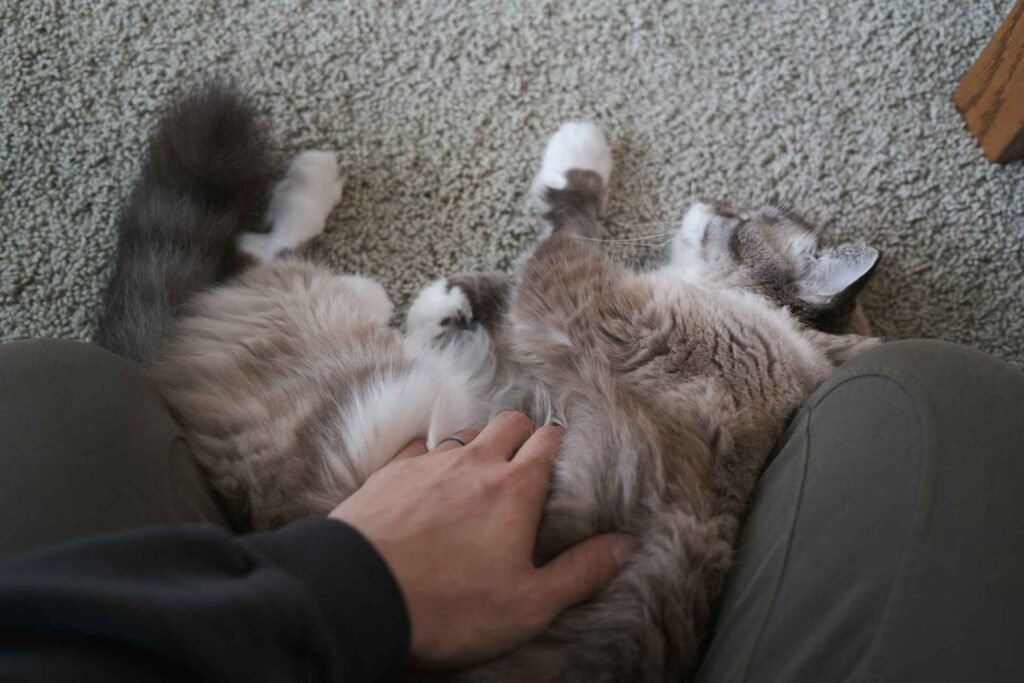
When you finally touch the belly, make it the briefest, gentlest touch imaginable, immediately followed by a high-value reward. We’re talking a single stroke lasting less than a second. Gradually, very gradually, you can increase the duration and pressure of belly touches if your cat remains comfortable.
Watch for any signs of stress or discomfort and immediately scale back if they appear. Pushing too hard or too fast will undo all your progress and potentially make your cat more defensive. Some cats will never become comfortable with belly rubs regardless of training, and that’s okay. Accept their preferences and focus on bonding methods they enjoy.
FAQ
Certain breeds known for dog-like personalities, such as Ragdolls, Maine Coons, and Birmans, tend to be more tolerant of belly handling. However, individual personality far outweighs breed characteristics. You’ll find belly-loving domestic shorthairs and belly-averse Ragdolls, so never assume based on breed alone. Early socialization and individual temperament matter much more than genetics.
Your cat is displaying trust and contentment, not requesting touch. When cats expose their vulnerable belly, they’re showing they feel safe around you. It’s a compliment and a communication of comfort, similar to a smile or a relaxed posture in humans. This display doesn’t include automatic permission to touch the area, which remains instinctively protected even when the cat feels secure.
You might be able to increase tolerance through patient, positive reinforcement training, but you can’t create enjoyment where it doesn’t naturally exist. Some cats will gradually accept brief belly touches if you pair them with high-value rewards and never push past their comfort zone. Many cats, however, will maintain their belly-off-limits policy regardless of training efforts. Accept your cat’s preferences rather than fighting against their nature.
Stop immediately and give your cat space. Clean any wounds promptly and watch for signs of infection. Don’t punish your cat, as they’re simply responding to instinct when defending their vulnerable area. Take this as clear communication that belly rubs aren’t welcome and focus on petting areas your cat actually enjoys. If scratches or bites are frequent during normal interactions, consult your vet to rule out pain or medical issues and consider working with a feline behaviorist.
This “bunny kick” maneuver is a natural defensive behavior cats use against predators or during play. Your cat might be treating your hand as prey during play, or they might be defending their sensitive belly. Context matters: a relaxed, playful cat with soft paws and no claws extended is likely playing, while a tense cat with claws out is sending a clear “stop” signal.
If your individual cat shows clear signs of enjoying belly touches, staying relaxed and purring throughout, then occasional brief belly rubs are fine. However, most cats prefer you admire their belly from a distance. When you need to handle a cat’s belly for medical reasons like checking for lumps or administering medication, do so as gently and quickly as possible, ideally with a helper to keep the cat calm and secure.
Sudden changes in touch tolerance often signal health issues. Abdominal pain, skin conditions, arthritis, or other medical problems can make previously acceptable touches painful. Schedule a veterinary checkup to rule out medical causes. If health checks come back clear, consider recent changes in the household that might have increased stress levels, as stressed cats often become less tolerant of handling.
Female cats in heat often display more rolling behavior and might show their bellies frequently, but this doesn’t mean they want belly rubs. In fact, cats in heat can be more reactive and sensitive. Focus on keeping your cat comfortable during this time rather than attempting belly touches. Spaying your cat prevents heat cycles and associated behaviors while providing significant health benefits.
Respect the Belly, Win the Cat
Most cats do not dislike you. They dislike unexpected contact to a vulnerable, highly innervated region. Belly exposure signals security, not an invitation.
Respecting that distinction improves trust more than any forced attempt at affection. Focus on preferred contact zones, recognize early overstimulation signals, and treat belly access as medically functional rather than recreational unless your individual cat clearly demonstrates sustained comfort.
When owners stop testing the belly and start observing the whole body, scratches decline and cooperative handling improves. The goal is a cat that feels safe in your presence.
Looking for more? Visit our Blog for more fun and insightful reads, or browse our full Cat Category for everything feline-related, from care to comfort.
Disclaimer: This article is for informational purposes only and does not substitute for professional veterinary advice. Always consult your veterinarian for diagnosis and treatment tailored to your cat’s individual needs. Please verify current product information directly on the retailer’s site before purchasing.
References
- Angelou V, Fiska A, Tsingotjidou A, Patsikas M, Papazoglou LG. Surgical Anatomy of the Gastrointestinal Tract in Cats. Animals (Basel). 2023 Aug 19;13(16):2670. https://doi.org/10.3390/ani13162670
- Cornell University College of Veterinary Medicine (2016). https://www.vet.cornell.edu/departments-centers-and-institutes/cornell-feline-health-center/health-information/feline-health-topics/feline-behavior-problems-aggression
- International Cat Care (2025). Cat Communication. https://icatcare.org/articles/cat-communication
- Reina Rodriguez FS, Buckley CT, Milgram J, Kirby BM. Biomechanical properties of feline ventral abdominal wall and celiotomy closure techniques. Vet Surg. 2018 Feb;47(2):193-203. https://doi.org/10.1111/vsu.12751
- Wisconsin Humane Society. Overstimulation to Petting. https://www.wihumane.org/behavior/ask-the-experts/cat-behavior/overstimulation-to-petting
Check out our most recent articles!
- Can Cats Eat Green Peas? Safe, Healthy, or Just a Skip?
 A pea rolling across the kitchen floor is basically a free cat toy and a snack in one. But before it becomes a habit, here’s what you should know about what those little green things actually do for (or to) your cat.
 - Are Spray Bottles Bad for Cats? Reasons & AlternativesA spray bottle might stop your cat’s counter-surfing today, but it’s teaching them something much more troubling: that you’re unpredictable and potentially dangerous. Discover what really happens when you spray your cat and the alternatives that actually create lasting change.
- How Are Cats so Flexible? Your Cat’s Anatomy ExplainedBetween their 53 vertebrae, muscular shoulders connected only by soft tissue, and elastic joints, cats possess anatomical superpowers that blur the line between solid and liquid, letting them navigate spaces you’d swear were too small.
- Do Cats Copy Their Owners Voice, Personality and Actions?The independent cat stereotype is crumbling. Science reveals that cats engage in intentional mimicry, learning from their owners and adapting their personalities to match the humans they live with.
- Are Newborn Cats Born With Teeth? Everything About Kitten Dental GrowthEver wondered what’s happening inside a newborn kitten’s mouth? The answer might surprise you. Discover the complete timeline of feline dental development and learn what to expect as your kitten grows from gummy grins to a full set of adult teeth.
- Keeping Your Indoor Cat Warm in Winter: The Complete GuideEven indoor cats feel the winter chill more than you might think. Cold floors, dry air, and sneaky drafts can leave your feline less comfortable than they should be. Discover the simple adjustments that make all the difference in helping your cat stay genuinely cozy through the coldest months.
- Should You Look Your Cat in the Eyes? Is Staring Really Aggressive?Your cat’s eyes tell a story you’ve been misreading. While prolonged staring means one thing in human communication, cats interpret it completely differently. Discover why that loving gaze might actually be stressing out your feline friend and what to do instead.
- Choosing the Best Blanket for Your Cat: A Blanket Buyer’s GuideFinding the best blanket for your cat means considering more than just softness. Temperature regulation, durability, washability, and even behavioral quirks all play a role in choosing the perfect cozy spot for your feline friend. Discover which blanket types match your cat’s lifestyle.
- How to Get Your Kitten to Eat More: Simple Solutions for Picky EatersWatching your tiny kitten turn up their nose at perfectly good food can be heart-wrenching. This comprehensive guide reveals why kittens become picky eaters and shares practical solutions that transform mealtime battles into successful feeding routines.
- Can Cats Eat Fried Rice? Why This Takeout Favorite Is a No-GoThat irresistible takeout aroma might have your cat begging, but fried rice contains ingredients that can harm felines. Discover why even small amounts aren’t worth the risk and what treats truly suit your cat’s carnivorous nature.
- Why Do Cats Vibrate Their Tail? From Happy to HuntingYour cat’s vibrating tail is like a mood ring with fur. Whether they’re thrilled to see you or preparing to mark territory, decoding these rapid shakes reveals what’s really going on in their mind.
- Is Asparagus Bad for Cats? Risks, Benefits, and AlternativesYour cat’s eyeing your asparagus dinner, but should they have any? While this green veggie isn’t toxic to cats, there are surprising reasons why it’s not the treat you might think it is.
- How Cats Express Sadness: Reading Your Feline’s Emotional LanguageCats don’t cry emotional tears or mope around like dogs, but they absolutely experience sadness. The trick is learning to read their subtle language, the withdrawn behavior, the changed routines, the slight shifts in body posture that reveal their inner emotional world.
- Can Cats and Rabbits Live Together? Multi-Species Harmony GuideCats are predators, rabbits are prey, but that doesn’t mean they can’t coexist peacefully. Success comes down to understanding each animal’s instincts, respecting their boundaries, and taking introductions at the right pace.
- Are Space Heaters Safe for Cats? Keeping Your Cat CozySpace heaters can provide cozy warmth for your cat, but only when chosen and positioned with feline safety in mind. Discover which features protect against burns, fires, and electrical hazards.















Written by Solara Bergmeier (Technical Writer and Content Manger)
Last reviewed and edited on 24.02.2026