
That moment when your cat pauses, makes eye contact, and slowly extends a paw toward your glass is rarely random. In most cases, it is a deliberate sequence you are being invited to witness.
I have worked with cats that ignored toys worth hundreds of dollars but would spend twenty minutes testing how a pen rolls off a desk. One client’s cat only targeted objects when the owner was on video calls, and stopped entirely once we changed how the owner reacted. The behavior looks like attitude, but it follows a very consistent pattern once you know what to look for.
This article breaks down exactly why cats push objects off tables, from motor pattern triggers in predatory behavior to learned reinforcement loops inside the home. More importantly, it shows how to interrupt the pattern without constant supervision or frustration.

The Hunting Drive Behind the Destruction
When your cat bats at your phone or pushes your keys across the counter, they’re doing exactly what millions of years of evolution programmed them to do.
Cats are ambush predators with lightning-fast reflexes designed to pounce on small, moving prey. In the wild, this means mice, birds, and insects. In your living room, it means anything small enough to fit under a paw. The motion of an object sliding across a smooth surface triggers the same neurological response as a mouse scurrying through grass.
That glossy pen on your desk has the perfect weight distribution and smooth texture that mimics prey movement. When they tap it and it rolls, the response confirms what their instincts told them: this object moves like something worth catching.
We’ve noticed that certain objects get targeted more than others. Small, lightweight items that spin or roll unpredictably rank highest. Rubber bands, bottle caps, hair ties, and pens top the list because they react in ways that maintain your cat’s interest. Heavy books or stationary objects rarely get the same treatment because they don’t provide that satisfying feedback.
The hunting instinct also explains why cats like knocking things off tables rather than batting them around on flat surfaces. The fall adds another dimension of movement, something to track with their eyes as it drops. Some cats will even peer over the edge to watch their “prey” hit the ground, then jump down to investigate further.
Consider investing in interactive toys that channel this drive productively. Puzzle feeders work especially well because they combine the batting motion with a food reward, giving your cat an appropriate outlet for those hunting urges.
Boredom Makes Bad Decisions
A bored cat is a destructive cat. When there’s nothing else stimulating their mind, pushing objects becomes entertainment.
Most indoor cats don’t get nearly enough mental stimulation during the day. They spend roughly 12-18 hours sleeping, which leaves a lot of waking hours to fill. Without proper enrichment, that pent-up energy finds an outlet somewhere, and your belongings become the casualty.
The physics lesson cats teach themselves is engaging from their perspective. Drop something light versus something heavy. Watch how different materials fall. Test whether the same object always falls the same way. They’re conducting experiments, and your countertops are their laboratory.
We had one particularly persistent cat who developed a nightly routine of clearing the bathroom counter around 2 AM. Every single item went over the edge: toothbrush, soap dispenser, cotton swabs. After installing a wall-mounted organizer and providing better daytime enrichment, the midnight chaos stopped completely.
Young cats and high-energy breeds need significantly more stimulation than their lower-key counterparts. If you’re working long hours, your cat might resort to self-entertainment that doesn’t align with your furniture’s safety. Setting up automated cat toys on timers can keep them occupied during those peak boredom hours.
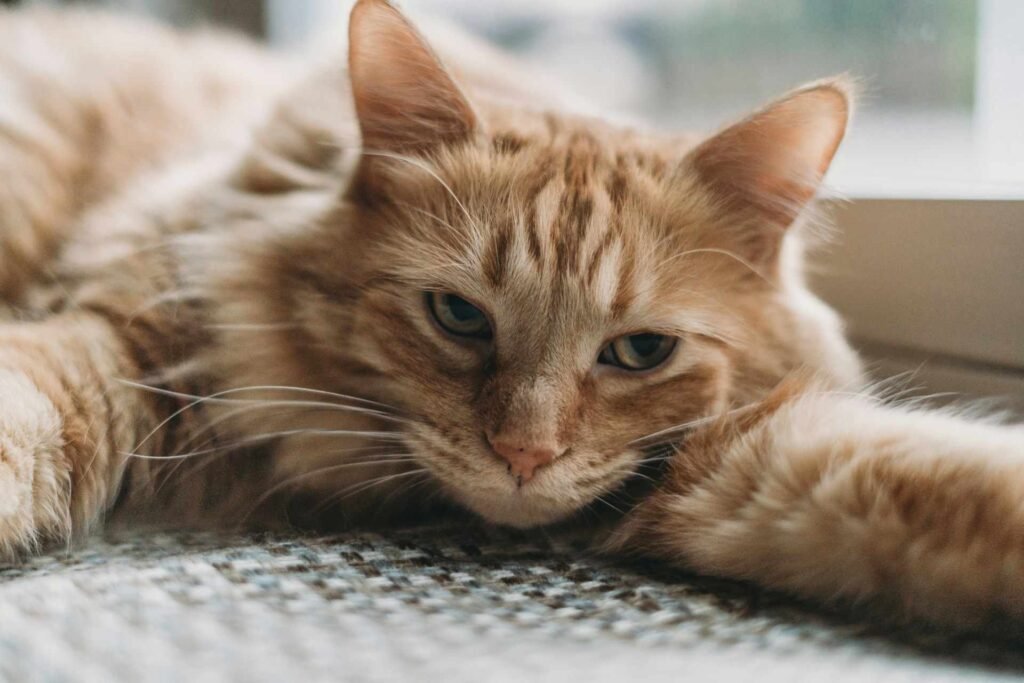
Environmental enrichment doesn’t mean buying expensive equipment. Rotating existing toys every few days keeps them novel. Cardboard boxes, paper bags, and even crumpled receipts can provide entertainment.
The Attention Game
Cats are remarkably good at pattern recognition. Push item off table, get immediate human reaction. From their perspective, they’ve discovered a foolproof method for making you appear.
Even negative attention counts as attention in cat logic. You might be yelling, but you’re also making eye contact, using their name, and focusing entirely on them. Mission accomplished.
The reinforcement cycle starts innocently enough. First time your kitten knocks something over, you react. Maybe you laugh, maybe you rush over to prevent breakage, maybe you immediately offer food thinking they’re hungry. Your cat’s brain files this away: action equals response.
Smart cats learn to escalate strategically. Start with something small and quiet. No reaction? Move to something bigger. Still nothing? Try the item closest to the edge where the crash will be loudest. They’re problem-solving their way to your attention.
We’ve seen cats who specifically target items only when their owners are in view. The moment you leave the room, the batting stops. Turn around, and they’re right back to tapping that cup. They’re not trying to knock it over when you’re gone because there’s no audience for the performance.
Breaking this cycle requires ignoring the behavior completely while redirecting to appropriate alternatives. The second your cat starts eyeing that remote control, engage them with a feather wand toy before they make contact. Reward the play session, not the property destruction. If they do knock something over, clean it up silently without acknowledging them at all.
For cats who knock things off counters specifically to wake you up for breakfast, consider getting an automatic feeder that dispenses food on schedule. When they realize the table-clearing trick no longer produces food, they’ll abandon the strategy.
Why Cats Knock Things Over at Night
The 3 AM crash of something hitting the floor has startled many cat owners awake. Nighttime demolition has its own set of triggers.
Cats are crepuscular, meaning they’re most active during dawn and dusk. While you’re sleeping soundly at 4 AM, your cat is entering peak activity mode. Their internal clock says it’s time to hunt, play, and explore, regardless of your sleep schedule.

Low light doesn’t bother cats the way it bothers humans. Their superior night vision means they navigate your dark house just fine, but movement is even more critical for tracking objects in dim conditions. The sliding motion of an object across a surface becomes more pronounced and interesting at night.
Hunger often drives early morning counter raids. Your cat knows breakfast comes from you, but in the meantime, that water glass or loose change might trigger your appearance. We’ve witnessed countless cats who time their destructive behavior precisely to the hour before their usual feeding time.
The quiet of nighttime also makes reactions more predictable. During the day, you might be busy and not respond immediately. At night, a crash guarantees you’ll wake up and acknowledge them. The immediate feedback strengthens the behavior pattern.
Creating a pre-bedtime play routine helps burn excess energy before sleep. A vigorous 15-minute session with interactive toys followed by a small meal mimics the hunt-eat-groom-sleep cycle cats naturally follow. This routine significantly reduces nighttime chaos because it satisfies their instincts on your schedule.
If nighttime knocking persists, consider whether your cat has everything they need accessible during dark hours. Fresh water in a stable bowl, a clean litter box, and some safe toys can prevent them from creating their own entertainment with your stuff.
The Personality Factor
High-energy breeds like Bengals, Siamese, and Abyssinians show this behavior more frequently than laid-back breeds like Persians or Ragdolls. Their need for stimulation runs higher, making them more likely to turn household objects into toys when bored.
We’ve met lazy Bengals and hyperactive mixed breeds. Some cats are naturally more mischievous, constantly testing boundaries and seeking interaction. Others are content to observe rather than participate in destruction.
Age plays a massive role. Kittens and young cats under three years old knock things over far more than senior cats. Their energy levels are higher, their curiosity more intense, and their impulse control less developed. As cats mature, this behavior often decreases naturally.
Previous environment shapes behavior too. Cats raised in enriched environments with plenty of appropriate toys tend to be less destructive than cats who grew up without stimulation. They’ve learned acceptable outlets for their energy from an early age.

Intelligence contributes as well. The smartest cats might become the biggest troublemakers because they figure out the cause-effect relationship faster and exploit it more consistently. They’re the ones who’ll test different objects to see which gets the strongest reaction.
How to Stop Cat From Pushing Things Off Table
Prevention beats correction every time. Once you understand why cats push stuff off tables, you can implement practical solutions.
Remove the temptation completely. Cleared surfaces give cats nothing to knock over. We realize this isn’t always practical, but minimizing clutter on frequently targeted surfaces helps immediately.
Create physical barriers. Museum putty keeps lightweight objects secured. Drawer organizers move small items off counters entirely. Cabinet organizers store frequently used items behind closed doors. If your cat can’t access it, they can’t destroy it.
Double-sided tape changes surfaces. Cats hate sticky paws. Place strips of pet-safe deterrent tape along counter edges where your cat typically sits before batting things over. Most cats abandon the spot after a few sticky encounters.
Redirect the energy productively. Before your cat targets your belongings, engage them with appropriate alternatives. Schedule play sessions at times when they typically cause trouble. A tired cat is a well-behaved cat.
Enrichment prevents boredom. Rotate toys weekly to maintain novelty. Install window perches for outdoor observation. Hide treats around the house for hunting games. Provide vertical space with cat shelves or multi-level cat trees for climbing and surveying territory.
Consistency matters more than severity. Never yell or use physical punishment. These methods damage your relationship without solving the problem. Instead, calmly remove your cat from the counter every single time without exception. Eventually, they’ll learn the boundary.
Positive reinforcement works. Catch your cat doing something right and reward it. Sitting calmly near items without touching them? Treat. Playing with appropriate toys instead of your stuff? Praise and pets. Cats repeat behaviors that earn rewards.
Address underlying needs. Is your cat hungry? Adjust feeding schedule. Thirsty? Check water accessibility. Lonely? Spend more quality time together. Anxious? Consider calming pheromone diffusers. Solving the root cause eliminates the symptom.
Environmental modifications help. Corner guards on tables remove the satisfying edge angle. Silicone placemats create less appealing surfaces than smooth countertops. Storing items in stackable bins instead of loose on surfaces removes targets.
Common Object Targets and Why
| Object Type | Why Cats Love It | Prevention Strategy |
|---|---|---|
| Pens and Pencils | Perfect weight, rolls unpredictably | Store in desk organizers with lids |
| Water Glasses | Splashes dramatically, may indicate thirst | Use weighted tumblers or spill-proof cups |
| Small Electronics | Smooth, slideable, gets strong reaction | Keep in charging station drawers |
| Jewelry and Hair Ties | Shiny, lightweight, fun to chase | Store in closed jewelry boxes |
| Bottles and Containers | Satisfying roll and crash | Keep in cabinet storage |
| Keys and Coins | Metallic sound, interesting movement | Use wall-mounted key holders |
| Plants | Living movement interests cats | Secure with plant stabilizers or hanging planters |
| Remote Controls | Frequently needed, left accessible | Designate a remote caddy |
FAQ
Not every cat displays this behavior. While most cats will bat at objects occasionally, the frequency varies dramatically based on personality, age, and environment. Some cats never develop the habit, especially those with naturally calm temperaments or adequate environmental enrichment.
Yes, but it requires consistency and patience. Redirecting the behavior to appropriate outlets works better than punishment. Remove tempting items, provide engaging alternatives, and reward calm behavior around surfaces. Most cats reduce the behavior significantly within 2-4 weeks of consistent training.
Direct eye contact during destruction usually signals attention-seeking behavior. Your cat has learned this action produces a reaction from you and wants to ensure you’re watching. They’re communicating that they need something or want interaction.
Active, intelligent breeds like Bengals, Siamese, Abyssinians, and Oriental Shorthairs show higher rates of this behavior. These breeds require substantial mental and physical stimulation. However, individual personality often matters more than breed genetics.
Occasionally. Sudden increases in destructive behavior can indicate pain, hyperthyroidism, or cognitive dysfunction in older cats. If your previously well-behaved cat suddenly starts clearing counters, especially with other behavioral changes, consult your veterinarian to rule out medical causes.
Tables and counters provide the perfect height for batting objects while maintaining stability. The elevated position gives cats a good vantage point, and the defined edges make cause-effect relationships obvious. Floor surfaces don’t offer the same satisfying drop, and high shelves require more effort to access.
Generally yes. Outdoor cats expend hunting energy on actual prey and environmental exploration. Indoor cats often lack sufficient outlets for natural behaviors, making household objects more appealing targets. However, outdoor access poses significant safety risks that usually outweigh behavioral benefits.
Sometimes. A companion provides social interaction and play opportunities that reduce boredom-driven destruction. However, two cats might also team up for coordinated chaos. Success depends on proper introductions, compatible personalities, and ensuring both cats receive adequate individual attention and resources.
Prevent access first. Medications, sharp objects, toxic substances, and fragile valuables should never be accessible to cats. Use locked cabinets or high shelving they can’t reach. If an incident occurs, prioritize safety: remove your cat from the area, clean up hazards immediately, and reassess your storage solutions.
Conclusion
Once you start watching closely, the pattern becomes predictable. The pause before the paw, the object selection, the glance in your direction. None of it is accidental.
The fastest improvements come from removing the payoff, not from trying to suppress the action. In one case, a cat that knocked over glasses every morning stopped within five days after we switched to a weighted base and removed all verbal reactions. In another, structured evening play eliminated nightly counter clearing without any deterrents at all.
If you give that energy a better outlet, remove the easy targets, and stay consistent in your response, most cats drop the habit surprisingly fast. And the ones that do not usually become much more selective about when they try, which is a win in itself.
Looking for more? Visit our Blog for more fun and insightful reads, or browse our full Cat Category for everything feline-related, from care to comfort.
Disclaimer: This article is for informational purposes only and does not substitute for professional veterinary advice. Always consult your veterinarian for diagnosis and treatment tailored to your cat’s individual needs. Please verify current product information directly on the retailer’s site before purchasing.
References
- Bradshaw J. Normal feline behaviour: … and why problem behaviours develop. Journal of Feline Medicine and Surgery. 2018;20(5):411-421. https://doi.org/10.1177/1098612X18771203
- Jay Vera Summer (2025). How Many Hours Do Cats Sleep? https://www.sleepfoundation.org/animals-and-sleep/how-much-do-cats-sleep
- Kang I, Reem RE, Kaczmarowski AL, Malpeli JG. Contrast sensitivity of cats and humans in scotopic and mesopic conditions. J Neurophysiol. 2009 Aug;102(2):831-40. https://doi.org/10.1152/jn.90641.2008
- RSPCA Queensland. Is your cat a night owl? https://www.rspcaqld.org.au/blog/pet-care/cat-night-owl
Check out our most recent articles!
- Why Do Cats Push Things Off Tables? Solving Your Cat’s Destructive Habit
 Cats knock things off tables due to hunting instincts, boredom, and attention-seeking behavior. Discover the science behind this maddening habit and learn practical prevention strategies that actually work.
 - Can Cats Eat Green Peas? Safe, Healthy, or Just a Skip?A pea rolling across the kitchen floor is basically a free cat toy and a snack in one. But before it becomes a habit, here’s what you should know about what those little green things actually do for (or to) your cat.
- Are Spray Bottles Bad for Cats? Reasons & AlternativesA spray bottle might stop your cat’s counter-surfing today, but it’s teaching them something much more troubling: that you’re unpredictable and potentially dangerous. Discover what really happens when you spray your cat and the alternatives that actually create lasting change.
- How Are Cats so Flexible? Your Cat’s Anatomy ExplainedBetween their 53 vertebrae, muscular shoulders connected only by soft tissue, and elastic joints, cats possess anatomical superpowers that blur the line between solid and liquid, letting them navigate spaces you’d swear were too small.
- Do Cats Copy Their Owners Voice, Personality and Actions?The independent cat stereotype is crumbling. Science reveals that cats engage in intentional mimicry, learning from their owners and adapting their personalities to match the humans they live with.
- Are Newborn Cats Born With Teeth? Everything About Kitten Dental GrowthEver wondered what’s happening inside a newborn kitten’s mouth? The answer might surprise you. Discover the complete timeline of feline dental development and learn what to expect as your kitten grows from gummy grins to a full set of adult teeth.
- Keeping Your Indoor Cat Warm in Winter: The Complete GuideEven indoor cats feel the winter chill more than you might think. Cold floors, dry air, and sneaky drafts can leave your feline less comfortable than they should be. Discover the simple adjustments that make all the difference in helping your cat stay genuinely cozy through the coldest months.
- Should You Look Your Cat in the Eyes? Is Staring Really Aggressive?Your cat’s eyes tell a story you’ve been misreading. While prolonged staring means one thing in human communication, cats interpret it completely differently. Discover why that loving gaze might actually be stressing out your feline friend and what to do instead.
- Choosing the Best Blanket for Your Cat: A Blanket Buyer’s GuideFinding the best blanket for your cat means considering more than just softness. Temperature regulation, durability, washability, and even behavioral quirks all play a role in choosing the perfect cozy spot for your feline friend. Discover which blanket types match your cat’s lifestyle.
- How to Get Your Kitten to Eat More: Simple Solutions for Picky EatersWatching your tiny kitten turn up their nose at perfectly good food can be heart-wrenching. This comprehensive guide reveals why kittens become picky eaters and shares practical solutions that transform mealtime battles into successful feeding routines.
- Can Cats Eat Fried Rice? Why This Takeout Favorite Is a No-GoThat irresistible takeout aroma might have your cat begging, but fried rice contains ingredients that can harm felines. Discover why even small amounts aren’t worth the risk and what treats truly suit your cat’s carnivorous nature.
- Why Do Cats Vibrate Their Tail? From Happy to HuntingYour cat’s vibrating tail is like a mood ring with fur. Whether they’re thrilled to see you or preparing to mark territory, decoding these rapid shakes reveals what’s really going on in their mind.
- Is Asparagus Bad for Cats? Risks, Benefits, and AlternativesYour cat’s eyeing your asparagus dinner, but should they have any? While this green veggie isn’t toxic to cats, there are surprising reasons why it’s not the treat you might think it is.
- How Cats Express Sadness: Reading Your Feline’s Emotional LanguageCats don’t cry emotional tears or mope around like dogs, but they absolutely experience sadness. The trick is learning to read their subtle language, the withdrawn behavior, the changed routines, the slight shifts in body posture that reveal their inner emotional world.
- Can Cats and Rabbits Live Together? Multi-Species Harmony GuideCats are predators, rabbits are prey, but that doesn’t mean they can’t coexist peacefully. Success comes down to understanding each animal’s instincts, respecting their boundaries, and taking introductions at the right pace.















Written by Vesper Mayerson (Editorial Assistant)
Last reviewed and edited on 29.03.2026