
Toy selection for cats should be based on behavioral function, not seasonal aesthetics. Halloween provides an opportunity to introduce high-novelty enrichment items, which can significantly increase engagement when implemented the right way. We see the strongest play responses when toys combine prey-like movement, compressible texture, and olfactory stimulation such as catnip or silvervine.
Seasonal toys succeed when they activate predatory motor patterns including stalk, pounce, grab, and bunny kick. When those elements are present, the theme becomes secondary. When they are absent, even the most visually creative toy fails within minutes.
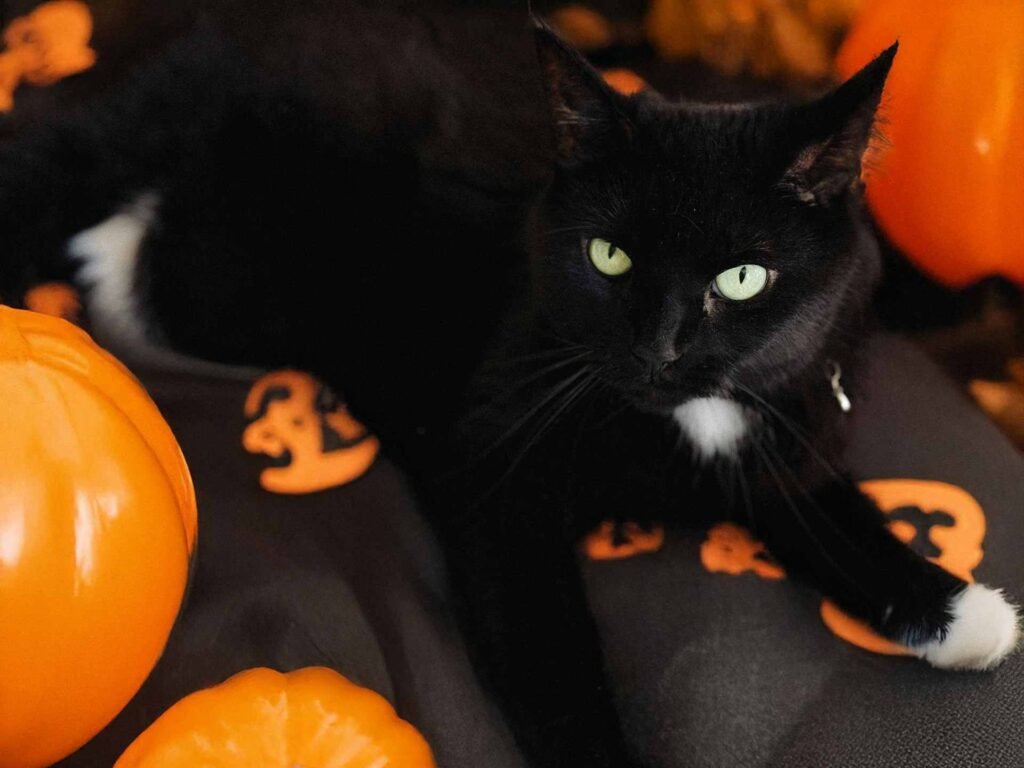
Why Halloween Toys Hit Different for Cats
Sure, your cat doesn’t understand the cultural significance of October 31st, but they absolutely respond to the unique features these toys bring to the table. Many Halloween catnip toys pack a punch with premium organic catnip and silvervine, creating an irresistible combination that regular toys might not offer. The seasonal designs often incorporate textures and shapes that cats find particularly engaging.
Approximately 60–70 percent of adult cats show a characteristic behavioral response to Nepeta cataria (catnip), largely due to inherited sensitivity to its iridoid compounds such as nepetalactone. Silvervine contains actinidine and dihydroactinidiolide, which activate additional olfactory receptors and can stimulate cats who are non-responsive to catnip alone. I often see silvervine-triggered rolling and chin rubbing in cats who ignore traditional catnip toys. For seasonal toys, this dual-compound strategy increases engagement rates significantly.
The colors matter too, even if cats see the world differently than we do. Those vibrant oranges, deep purples, and stark blacks create high-contrast visuals that catch feline attention. Movement and sound become even more critical with these toys. Many incorporate crinkle paper or rattles that mimic the sounds of small prey rustling through leaves, perfect for fall-themed play sessions.
What really sets these apart is the novelty factor. Cats can get bored with the same old toys, which is why rotating their toy selection keeps them mentally stimulated. Bringing out seasonal toys creates excitement and variety in their play routine.
Knife-Shaped Catnip Kickers
Here’s where Halloween cat toys get delightfully twisted. Picture your sweet tabby carrying around what looks like a tiny knife in their mouth. The contrast is hilarious and Instagram-worthy, but these toys serve a real purpose beyond the humor. Horror knife toys measure about 6.5 inches, making them perfect for that satisfying kick-and-grab motion cats love.
These kicker toys combine multiple sensory experiences. The organic catnip and silvervine mixture creates an aroma that most cats find absolutely intoxicating. Wrap that in crinkle paper, and you’ve got auditory stimulation that keeps cats engaged long after the initial catnip excitement wears off. The plush exterior is soft enough for cuddling but durable enough to withstand aggressive play sessions.
The knife shape isn’t random either. That elongated design is ideal for cats who love bunny-kicking their toys. When cats grab these with their front paws and rabbit-kick with their back legs, they’re practicing hunting techniques. It’s instinctual behavior that provides both physical exercise and mental satisfaction. Watching a tiny kitten wrestle with a toy knife might be one of the funnier things you’ll see all season.
Spooky Gnome and Character Toys
Gnomes have taken the decorating world by storm, so naturally, they’ve made their way into the pet toy market. Halloween gnomes bring that trendy aesthetic to your cat’s toy box with a horror twist.
What makes character-based toys engaging is their shape variety. Unlike simple balls or mice, these gnomes have different textures and protrusions that cats can grab, bite, and manipulate in various ways. The crinkle sound technology woven throughout keeps cats interested even after the catnip excitement fades. They’re lightweight enough for cats to easily toss around but substantial enough to feel satisfying during play.
The natural catnip filling serves multiple purposes. It encourages active play and exercise, which is especially important for indoor cats who might otherwise spend their days napping. Keeping indoor cats entertained requires strategy, and seasonal rotating toys like these gnomes provide novel stimulation that regular toys might not offer anymore.
Classic Pumpkin Cat Toys
Sometimes simple is best, and nothing says Halloween quite like a pumpkin. The Yeowww pumpkin catnip toy represents the classic approach to seasonal cat entertainment. These aren’t fancy or complicated, just well-made, catnip-stuffed pumpkins that cats absolutely love. The beauty lies in their straightforward design and the quality of the catnip used.
Pumpkin toys typically feature a size and shape that’s easy for cats to grab with their paws or carry in their mouths. Many cats enjoy transporting their favorite toys around the house, and pumpkin-shaped toys are perfect for this behavior. You might find your pumpkin cat toy in surprising places, from the food bowl to your pillow, as your cat proudly displays their catch.
The round shape also makes these toys unpredictable when batted across the floor. They don’t roll in straight lines like balls do, creating that element of chase and surprise that keeps cats engaged. Plus, they’re durable enough to last beyond a single season, making them a solid investment in your cat’s toy rotation. Some cat owners bring these out every fall, creating an annual tradition their cats eagerly anticipate.
Halloween Donuts
Who says cats can’t enjoy themed treats too? Halloween donuts take the beloved donut shape and give it a spooky makeover with pumpkins, bats, and spider designs. This five-piece set offers variety, which is crucial for cats who tend to favor different toys on different days. The donut shape itself is genius because it provides both a grabbing point through the center and a satisfying circular body to wrestle.
Each donut measures approximately 3.9 inches, making them suitable for cats of all sizes. Kittens can easily manage them while adult cats find them substantial enough for serious play. The soft short-fur exterior provides a pleasant texture that many cats enjoy rubbing against and kicking. Unlike some harder toys, these won’t make loud noises when batted around at 3 AM, which your neighbors will appreciate.
The organic catnip filling mixed with cotton creates a comfortable weight. These toys can serve double duty as both active playthings and comfort objects. Don’t be surprised if your cat drags one to their favorite sleeping spot for a post-play nap session. The Halloween designs mean they fit perfectly with your seasonal decor while serving your cat’s enrichment needs.
Horror-Themed Mini Plush Collection
For cats who prefer smaller toys they can easily manipulate, mini horror toys deliver bite-sized spooky fun. These 3.7-inch plush toys come in sets of four with various horror-inspired designs. Their compact size makes them ideal for cats who enjoy batting toys under furniture and fishing them back out. Yes, that’s a game they play, and yes, you’ll be finding these toys in creative places.
The lightweight construction means cats can easily toss these toys into the air, practicing their aerial interception skills. This type of play provides excellent exercise and mental stimulation. The crinkle sound incorporated into each toy adds an extra dimension to playtime. Cats often prefer toys that provide feedback, and that satisfying crunch sound encourages continued interaction.
These smaller toys are also perfect for interactive play between you and your cat. You can toss them down hallways or hide them for your cat to hunt. Some cats even learn to play fetch with lightweight toys like these. The durable plush construction holds up to teeth and claws while remaining soft enough not to damage your cat’s mouth during enthusiastic play sessions.
Festive Furry Mice
Mice toys are a staple in every cat’s collection, but Halloween mice bring seasonal flair to this classic option. This twenty-piece set features mice in Halloween colors of purple, orange, and black, all made from real rabbit fur. At four inches including the tail, they’re sized perfectly to satisfy your cat’s prey drive. The generous quantity means you’ll still have plenty even after inevitable losses under the refrigerator.
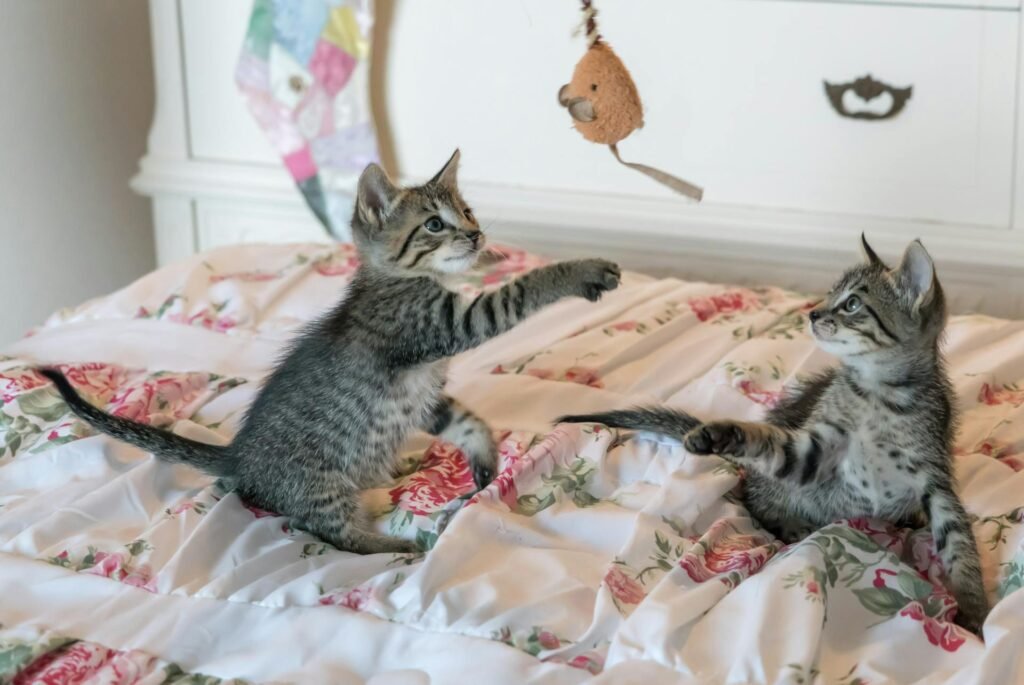
What makes these particularly engaging is the combination of catnip scent and rattle sound. Cats rely heavily on their hearing when hunting, and that subtle rattle inside each mouse triggers their chase instinct. Cats process texture through mechanoreceptors in the pads, and fur-covered toys frequently produce longer engagement bouts than synthetic plush.
The variety in this pack addresses a common problem: cats can be surprisingly picky about their toys. Understanding what stimulates your individual cat takes observation, and having multiple identical toys means you can scatter them around your home. Some cats prefer finding toys in different locations, treating each discovery as a successful hunt.
Anatomical Organ Toys
Now we’re entering truly unique territory. Anatomical organ catnip toys featuring hearts, brains, lungs, and skulls bring dark humor to new heights. This four-piece set measures between 2.6 and 3.5 inches, making it manageable for cats of various sizes. The detailed anatomical designs are conversation starters for any guest visiting during Halloween season, especially when they spot your cat casually carrying around a plush brain.
Beyond the shock value, these toys excel at engagement. The varied shapes mean cats can grab them in different ways, preventing the boredom that sometimes comes with identical toy shapes. The soft plush material is gentle on paws and teeth while remaining durable through repeated play sessions. Each organ is stuffed with organic catnip and polyester fiber, creating the right weight and scent combination.
The novelty factor cannot be overstated. While your cat doesn’t appreciate the anatomical accuracy, they do respond to toys that feel different from their usual selection. The irregular shapes of organs make these toys move unpredictably when batted across the floor, creating that chase element cats crave. Plus, the photos you’ll get of your cat with these toys are absolutely priceless.
Interactive Wand Toys
Not all play needs to be solo. Halloween cat wands bring you into the action with interactive play sessions that strengthen your bond with your cat. These two-pack wands feature Halloween decorations like pumpkins, witches, spiders, tassels, skulls, and tridents attached to flexible rods. The wand design allows you to create lifelike prey movements that trigger your cat’s hunting instincts.
Interactive play provides mental and physical stimulation that solo toys can’t match. When you control the wand, you can adjust the play intensity based on your cat’s energy level and interest. Slow movements work for older or less active cats, while quick, unpredictable motions challenge athletic felines. The lightweight tassels and fabric attachments won’t hurt your cat’s teeth or claws, making these safe for enthusiastic play.
Regular interactive play sessions help prevent behavioral issues related to boredom and excess energy. Cats who get adequate playtime are less likely to engage in destructive behaviors like scratching furniture or knocking over water bowls. The Halloween theme makes these wand toys feel special compared to everyday options, which can motivate you to engage in more frequent play sessions during the season.
Why Your Cat Needs Toys
Seasonal toys aren’t frivolous extras. They’re valuable tools for maintaining your cat’s physical and mental health. Cats are natural hunters who need outlets for their instincts even when living comfortably indoors. Without proper enrichment, cats can develop behavioral problems, become overweight, or fall into depression. Halloween toys provide that crucial variety in their environment.
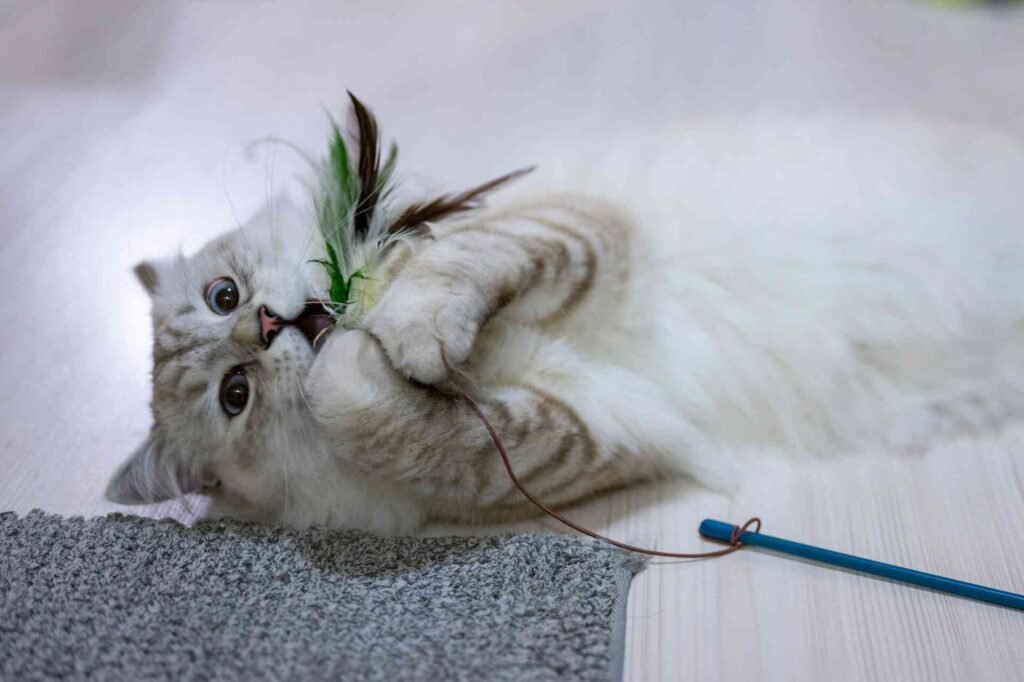
Cats are curious creatures who thrive on new experiences. When you introduce seasonal toys, you’re creating mental stimulation through exploration and discovery. Even cats who seem disinterested in their regular toys often perk up when presented with something new. The different textures, scents, and sounds of Halloween themed cat toys engage multiple senses simultaneously.
Physical activity through play helps maintain healthy weight and muscle tone. Indoor cats especially need encouragement to move, and toys that tap into hunting instincts naturally promote exercise. Short, intense play sessions throughout the day keep cats active and engaged. The catnip in many Halloween toys provides an extra motivation boost for cats who need it.
Maximizing Toy Engagement
Even the best toys lose appeal without proper management. Rotating toys keeps them interesting. Instead of leaving all toys out constantly, store some away and swap them out weekly. When you reintroduce a toy after a few weeks, it feels new again. This strategy makes your toy investment go further while maintaining your cat’s interest.
Refreshing catnip toys periodically extends their effectiveness. Most catnip loses potency over time, especially if toys remain out constantly. Storing catnip toys in sealed containers between play sessions preserves the scent. Some owners gently squeeze catnip toys before play sessions to release fresh oils from the dried catnip inside. For toys with removable catnip pouches, you can replace the catnip entirely.
Incorporating toys into environmental enrichment creates more engaging experiences. Hide toys in different locations for your cat to discover. Place toys near windows where cats can watch outdoor activity between play sessions. Some cats enjoy having toys available in multiple rooms, treating each space as its own territory to patrol and protect.
Interactive play sessions work best when scheduled during your cat’s natural active periods. Many cats are crepuscular, meaning they’re most active during dawn and dusk. Playing with your cat before bedtime helps burn off energy that might otherwise manifest as nighttime disruptions. Regular play schedules create routines cats anticipate and enjoy.
Safety Considerations
While Halloween toys are designed for cats, supervision matters, especially with new toys. Watch how your cat interacts with toys initially. Some cats are gentle players while others are aggressive chewers who might damage toys and create ingestion hazards. Remove any toys that show significant wear, particularly if stuffing or small parts become exposed.
Catnip sensitivity varies widely among cats. Not all cats respond to catnip, which is genetically determined. If your cat doesn’t react to catnip toys, they might respond to silvervine, which works through different receptors. Many modern toys include both options.
String, ribbon, and similar materials on toys require special attention. While decorative elements make toys visually appealing, they can pose ingestion risks if cats chew them off. Wand toys with long strings need supervision during play. Never leave wand toys accessible when you’re not actively playing with your cat. Some cats will chew and potentially swallow string, which can cause serious intestinal problems.
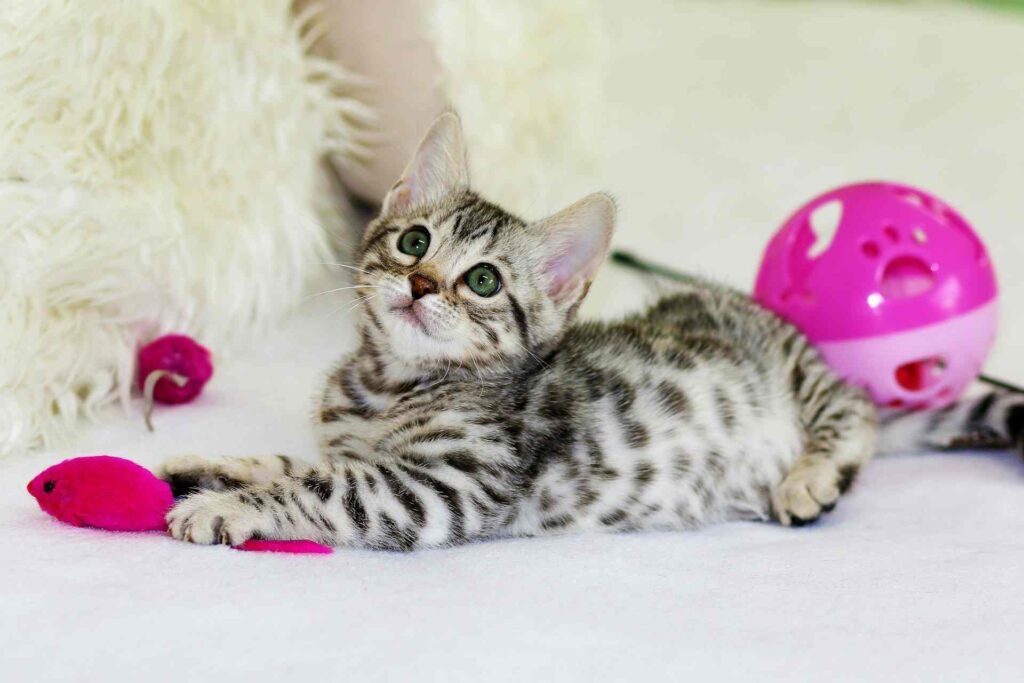
Size matters for safety. Toys should be large enough that cats cannot swallow them whole but small enough to manipulate comfortably. Very small toys pose choking risks, while oversized toys might not engage cats properly. Age-appropriate sizing ensures safe play, with smaller toys for kittens and more substantial options for large adult cats.
Creating a Complete Play Experience
Halloween toys work best as part of a comprehensive enrichment strategy. Combine physical toys with environmental enrichment like Halloween cat trees and climbing structures. Puzzle feeders add mental stimulation during mealtime. Window perches provide entertainment through wildlife watching. Scratching posts satisfy territorial marking instincts. Together, these elements create a stimulating indoor environment.
Treats can enhance toy play when used strategically. Treat-dispensing toys combine food motivation with play, though these typically aren’t Halloween-specific. After vigorous play sessions with seasonal toys, offering a small treat creates positive associations. Some cats become more willing to play if they know rewards follow.
Social interaction remains crucial even with excellent toys. Cats need attention, affection, and engagement from their humans. Toys supplement but don’t replace the bond-building that happens through interactive play and daily interaction. Setting aside dedicated playtime shows your cat they’re valued family members deserving of your focused attention.
Monitoring your cat’s response to different toys helps you refine your toy selection over time. Notice which toys get used most frequently versus which ones your cat ignores. This information guides future purchases, saving money while ensuring you buy toys your cat will enjoy. Every cat has preferences, and learning yours takes observation and patience.
Frequently Asked Questions
Are Halloween cat toys safe for kittens?
Most Halloween cat toys work well for kittens, but size and supervision matter. Look for toys appropriately sized for smaller mouths and paws. Kittens have sharp baby teeth that might damage toys more easily than adult cats do, so inspect toys regularly for wear. Start with softer plush options rather than toys with hard parts. Always supervise initial play sessions to ensure your kitten interacts safely with new toys. Remove any toys that show damage, as exposed stuffing poses ingestion risks.
How often should I introduce new Halloween toys?
Introducing toys gradually maintains novelty without overwhelming your cat. Start with one or two toys at the beginning of the season and add more every week or two. This approach keeps the excitement fresh rather than presenting everything at once. Some cats become overstimulated with too many options simultaneously. If you’ve purchased a variety of Halloween toys, rotate them rather than offering them all together. This strategy extends the engaging period throughout the entire season.
What if my cat ignores their Halloween toys?
Disinterest doesn’t mean the toys are bad, just that they might not match your cat’s preferences yet. Try different presentation methods. Place toys in new locations, hide them partially under blankets, or drag them across the floor to simulate prey movement. Some cats need time to warm up to new toys, so leave them accessible for several days. For catnip toys, gently squeezing them releases more scent. If your cat consistently ignores catnip, consider toys with silvervine instead.
Can I wash Halloween cat toys?
Washing depends on the toy construction. Many plush catnip toys can be spot-cleaned with damp cloths, though submerging them in water might damage internal catnip or crinkle elements. Check manufacturer instructions before washing. Some toys have removable catnip pouches that should be taken out before cleaning. For toys that can’t be washed, regular inspection and replacement maintain hygiene. Replace toys that become excessively dirty or damaged. Storing toys properly between seasons helps keep them clean longer.
Do Halloween toys really engage cats differently than regular toys?
The novelty factor creates genuine differences in engagement. Cats respond to environmental changes, and new toys trigger their curiosity. The seasonal rotation itself provides mental stimulation even if the toys aren’t fundamentally different from regular options. Many Halloween toys incorporate premium catnip, crinkle sounds, and interactive elements specifically designed for engagement. The human excitement around Halloween can also transfer to cats through increased play interaction. Cats pick up on our energy, so when we’re enthusiastic about introducing seasonal toys, they often mirror that interest.
Should I leave Halloween toys out all the time?
Rotating toy availability maintains interest better than constant access. Leaving all toys out constantly leads to habituation where cats stop noticing them. Store some toys away and swap them out regularly. For catnip toys specifically, limiting exposure preserves potency and prevents cats from becoming desensitized. Many experts recommend offering toys during dedicated play sessions then putting them away afterward. This approach makes each play session feel special and keeps toys from becoming part of the background furniture. However, leaving a few favorite toys constantly available provides comfort and solo play opportunities.
Spending Spooky Season Together
Halloween toys provide effective enrichment when they introduce controlled novelty, scent stimulation, and prey-mimicking movement. Rotational use prevents habituation and maintains hunting drive engagement.
In practice, the cats who benefit most from seasonal toy rotation are indoor adults with limited environmental variability. Even minor novelty can increase activity bursts and exploratory behavior.
Select toys based on size safety, texture preference, and play style rather than visual theme alone. When enrichment aligns with instinctive motor patterns, seasonal toys become functional tools rather than decorative extras. A well-stimulated cat is calmer, healthier, and less likely to develop boredom-driven behavioral issues.
Looking for more? Explore our Cat Toys section for more posts like this, visit the Blog for fun and insightful reads, or browse our full Cat Category for everything feline-related, from care to comfort.
Disclaimer: This article is for informational purposes only and does not substitute for professional veterinary advice. Always consult your veterinarian for diagnosis and treatment tailored to your cat’s individual needs. Please verify current product information directly on the retailer’s site before purchasing.
References
- Bol S, Caspers J, Buckingham L, Anderson-Shelton GD, Ridgway C, Buffington CA, Schulz S, Bunnik EM. Responsiveness of cats (Felidae) to silver vine (Actinidia polygama), Tatarian honeysuckle (Lonicera tatarica), valerian (Valeriana officinalis) and catnip (Nepeta cataria). BMC Vet Res. 2017 Mar 16;13(1):70. https://doi.org/10.1186/s12917-017-0987-6
- Ebara S, Kumamoto K, Baumann KI, Halata Z. Three-dimensional analyses of touch domes in the hairy skin of the cat paw reveal morphological substrates for complex sensory processing. Neurosci Res. 2008 Jun;61(2):159-71. https://doi.org/10.1016/j.neures.2008.02.004
- Uenoyama R, Ooka S, Miyazaki T, Mizumoto H, Nishikawa T, Hurst JL, Miyazaki M. Assessing the safety and suitability of using silver vine as an olfactory enrichment for cats. iScience. 2023 Sep 7;26(10):107848. https://doi.org/10.1016/j.isci.2023.107848
Check out our most recent articles!
- Can Cats Eat Green Peas? Safe, Healthy, or Just a Skip?
 A pea rolling across the kitchen floor is basically a free cat toy and a snack in one. But before it becomes a habit, here’s what you should know about what those little green things actually do for (or to) your cat.
 - Are Spray Bottles Bad for Cats? Reasons & AlternativesA spray bottle might stop your cat’s counter-surfing today, but it’s teaching them something much more troubling: that you’re unpredictable and potentially dangerous. Discover what really happens when you spray your cat and the alternatives that actually create lasting change.
- How Are Cats so Flexible? Your Cat’s Anatomy ExplainedBetween their 53 vertebrae, muscular shoulders connected only by soft tissue, and elastic joints, cats possess anatomical superpowers that blur the line between solid and liquid, letting them navigate spaces you’d swear were too small.
- Do Cats Copy Their Owners Voice, Personality and Actions?The independent cat stereotype is crumbling. Science reveals that cats engage in intentional mimicry, learning from their owners and adapting their personalities to match the humans they live with.
- Are Newborn Cats Born With Teeth? Everything About Kitten Dental GrowthEver wondered what’s happening inside a newborn kitten’s mouth? The answer might surprise you. Discover the complete timeline of feline dental development and learn what to expect as your kitten grows from gummy grins to a full set of adult teeth.
- Keeping Your Indoor Cat Warm in Winter: The Complete GuideEven indoor cats feel the winter chill more than you might think. Cold floors, dry air, and sneaky drafts can leave your feline less comfortable than they should be. Discover the simple adjustments that make all the difference in helping your cat stay genuinely cozy through the coldest months.
- Should You Look Your Cat in the Eyes? Is Staring Really Aggressive?Your cat’s eyes tell a story you’ve been misreading. While prolonged staring means one thing in human communication, cats interpret it completely differently. Discover why that loving gaze might actually be stressing out your feline friend and what to do instead.
- Choosing the Best Blanket for Your Cat: A Blanket Buyer’s GuideFinding the best blanket for your cat means considering more than just softness. Temperature regulation, durability, washability, and even behavioral quirks all play a role in choosing the perfect cozy spot for your feline friend. Discover which blanket types match your cat’s lifestyle.
- How to Get Your Kitten to Eat More: Simple Solutions for Picky EatersWatching your tiny kitten turn up their nose at perfectly good food can be heart-wrenching. This comprehensive guide reveals why kittens become picky eaters and shares practical solutions that transform mealtime battles into successful feeding routines.
- Can Cats Eat Fried Rice? Why This Takeout Favorite Is a No-GoThat irresistible takeout aroma might have your cat begging, but fried rice contains ingredients that can harm felines. Discover why even small amounts aren’t worth the risk and what treats truly suit your cat’s carnivorous nature.
- Why Do Cats Vibrate Their Tail? From Happy to HuntingYour cat’s vibrating tail is like a mood ring with fur. Whether they’re thrilled to see you or preparing to mark territory, decoding these rapid shakes reveals what’s really going on in their mind.
- Is Asparagus Bad for Cats? Risks, Benefits, and AlternativesYour cat’s eyeing your asparagus dinner, but should they have any? While this green veggie isn’t toxic to cats, there are surprising reasons why it’s not the treat you might think it is.
- How Cats Express Sadness: Reading Your Feline’s Emotional LanguageCats don’t cry emotional tears or mope around like dogs, but they absolutely experience sadness. The trick is learning to read their subtle language, the withdrawn behavior, the changed routines, the slight shifts in body posture that reveal their inner emotional world.
- Can Cats and Rabbits Live Together? Multi-Species Harmony GuideCats are predators, rabbits are prey, but that doesn’t mean they can’t coexist peacefully. Success comes down to understanding each animal’s instincts, respecting their boundaries, and taking introductions at the right pace.
- Are Space Heaters Safe for Cats? Keeping Your Cat CozySpace heaters can provide cozy warmth for your cat, but only when chosen and positioned with feline safety in mind. Discover which features protect against burns, fires, and electrical hazards.















Written by Jazzlyn T. Mearkle (Lifestyle and Creative Writer)
Last reviewed and edited on 25.02.2026