
Every January, humans announce ambitious plans about fitness routines and improved habits. Meanwhile, cats are carrying on exactly as they always have, with confidence, precision, and no interest in self-improvement. If your cat could draft a list of resolutions, it wouldn’t involve growth. It would involve optimization.
Here’s what their agenda for the year might look like.
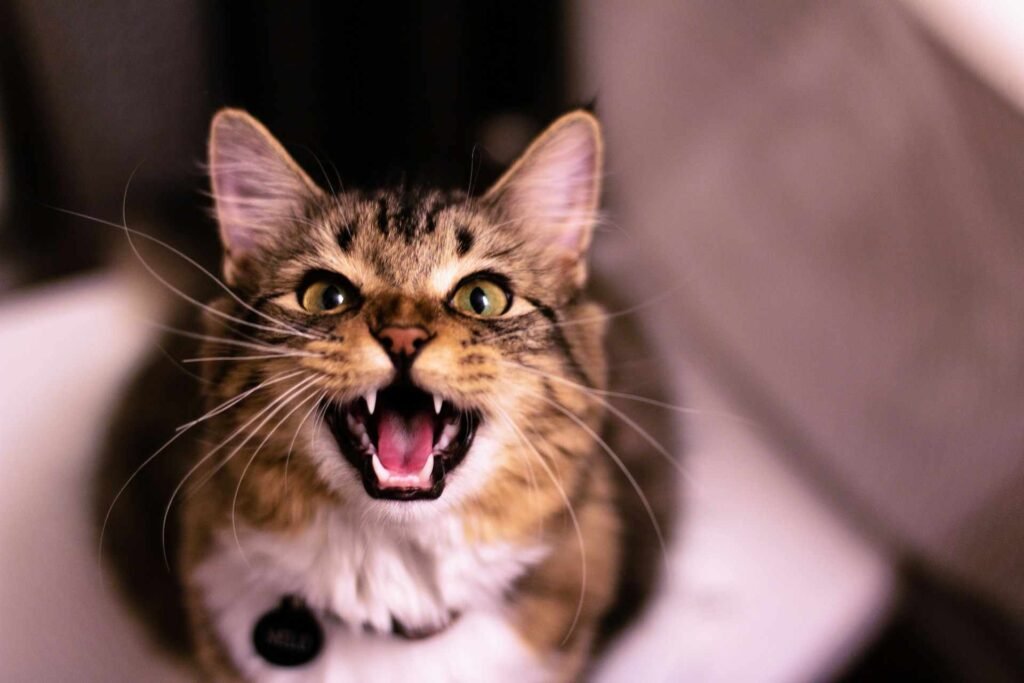
The Art of Perfecting the 3 AM Vocal Performance
Let’s address the elephant in the room, or rather, the yowling cat in the hallway. One resolution topping every feline’s list? Mastering the midnight concert series. This year, fluffy overlords everywhere are committing to refining their nocturnal vocalizations with the dedication of a Broadway understudy.
The goal isn’t just random shrieking. There’s strategy involved. Cats are aiming for that perfect pitch that makes humans shoot out of bed like they’ve been launched from a catapult. Bonus points if it happens right after the human finally drifts off following the 2 AM bathroom trip. Some felines are even workshopping new material, experimenting with different tonalities to see which ones generate the fastest response times.
Of course, this resolution pairs beautifully with another classic: preventing quality sleep. Why settle for disrupting one night when you can maintain consistency throughout the entire year? Commitment is key.
Expanding the Forbidden Food Sampling Program
Cats have been eyeing human plates with increasing boldness, and this year marks a new chapter in culinary exploration. The resolution? Sample every single food item that enters the household, regardless of whether it’s actually safe or intended for feline consumption.
That rotisserie chicken cooling on the counter? Fair game. The butter left out for softening? Absolutely. The houseplant that definitely isn’t edible? Challenge accepted. Cats are natural scientists, conducting taste tests with the thoroughness of a Michelin inspector, albeit with significantly less regard for dietary safety.
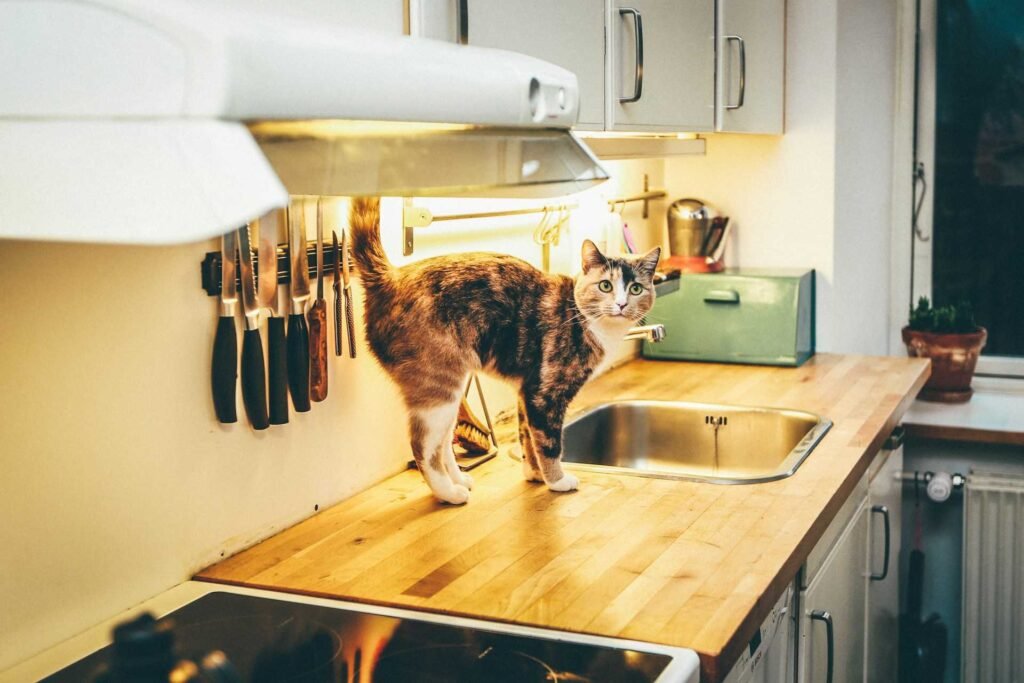
The beauty of this resolution lies in its flexibility. If the first attempt gets thwarted by a spray bottle or stern voice, there’s always tomorrow. Persistence isn’t just a trait; it’s a lifestyle. Some cats are even planning coordinated strikes, waiting until their humans are distracted by that buzzing rectangle they’re always staring at.
Smart cat owners might consider investing in secure food storage containers to protect their groceries, though ambitious felines view these as merely upgraded puzzle feeders.
Achieving Peak Gravity-Defiance Skills
This year, cats worldwide are pledging to knock more items off more surfaces with increasing creativity and precision. It’s not destruction; it’s performance art. Every pen, every glass of water, every carefully arranged knick-knack represents an opportunity to test the laws of physics.
The water bowl experiment remains a particular favorite, combining hydration science with interior decorating. Why drink normally when you can first tip the bowl at a 45-degree angle and observe the fluid dynamics? And if that creates a small lake on the kitchen floor, well, that’s just data collection.
Cats are also planning to diversify their portfolio. Those picture frames on the mantle? Targets. The succulent collection on the windowsill? Future casualties. Remote controls, charging cables, and especially important documents awaiting signatures all made the list. The heavier the object, the more satisfying the crash.
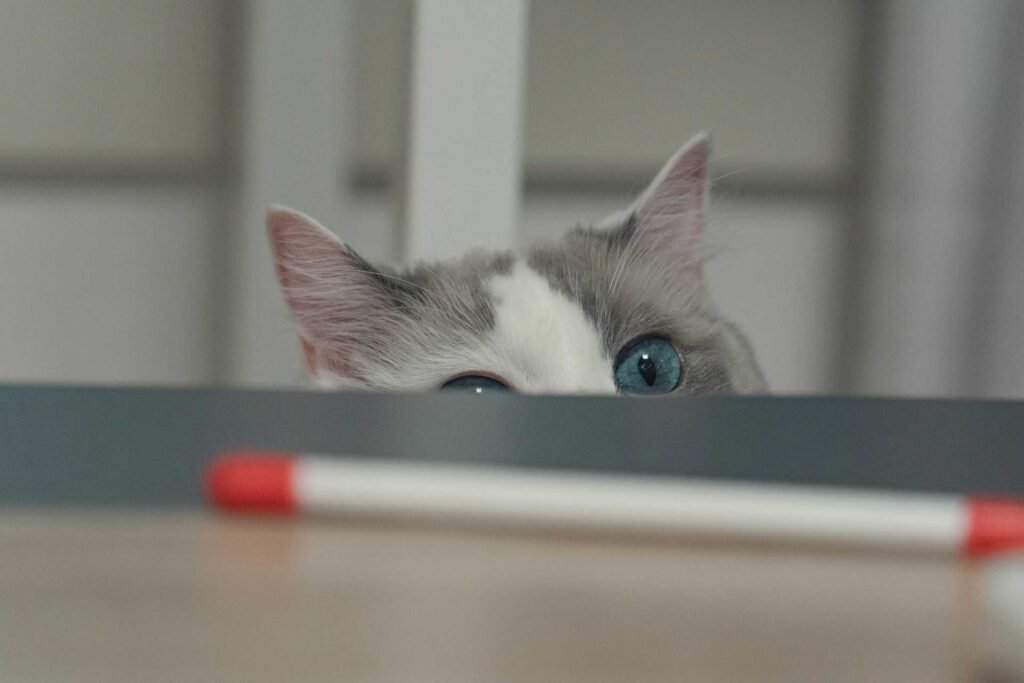
For this resolution, cats might appreciate their humans providing them with interactive puzzle toys or automated entertainment options as approved outlets for their destructive… err, exploratory tendencies.
Mastering Advanced Hiding Techniques
Stealth mode is getting an upgrade this year. Cats are resolving to discover and claim every possible hiding spot in the house, particularly the ones that induce maximum human panic. Under the bed? Amateur hour. Behind the couch? Getting warmer. Inside the box spring through that tiny hole in the fabric? Now we’re talking.
The ultimate achievement? Remaining completely invisible for exactly as long as it takes humans to start genuinely worrying, then emerging casually as if nothing happened. Timing is everything. The goal is to hear your name called at least seventeen times with increasing desperation before making a grand entrance, preferably while grooming nonchalantly.
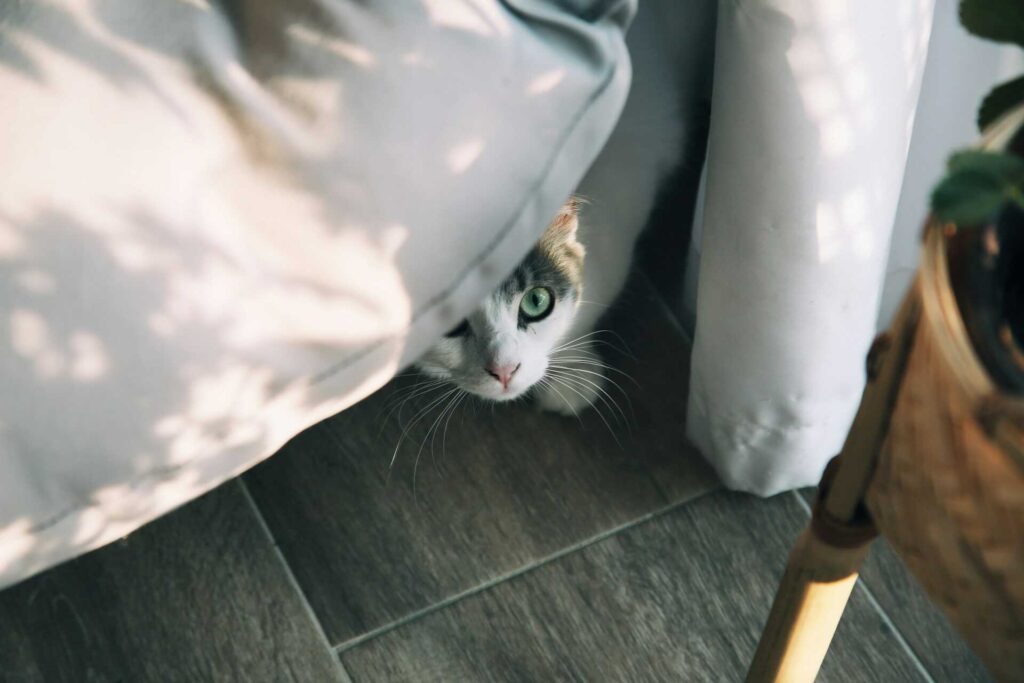
Bonus points go to cats who can stay hidden during vet appointment time. The moment that carrier appears, the best hiding spots suddenly become occupied by felines who’ve apparently studied advanced camouflage techniques. Some cats are even planning to rotate locations to keep their humans guessing.
Providing plenty of cat-friendly furniture might give your sneaky companion approved spaces to lurk, though they’ll likely still prefer the forbidden zones.
Optimizing the Strategic Napping Schedule
If there’s one area where cats already excel, it’s sleeping. But there’s always room for improvement. This year’s resolution involves finding and testing every possible sleeping location, angle, and position throughout the house. Research suggests cats need anywhere from 12 to 16 hours of sleep daily, and ambitious felines are targeting the higher end of that spectrum.
The sleeping position catalogue is getting expanded. The classic loaf? Perfected. The upside-down pretzel? Currently in development. The dramatic sprawl across the keyboard precisely when work is happening? Already a specialty, but aiming for Olympic-level execution.
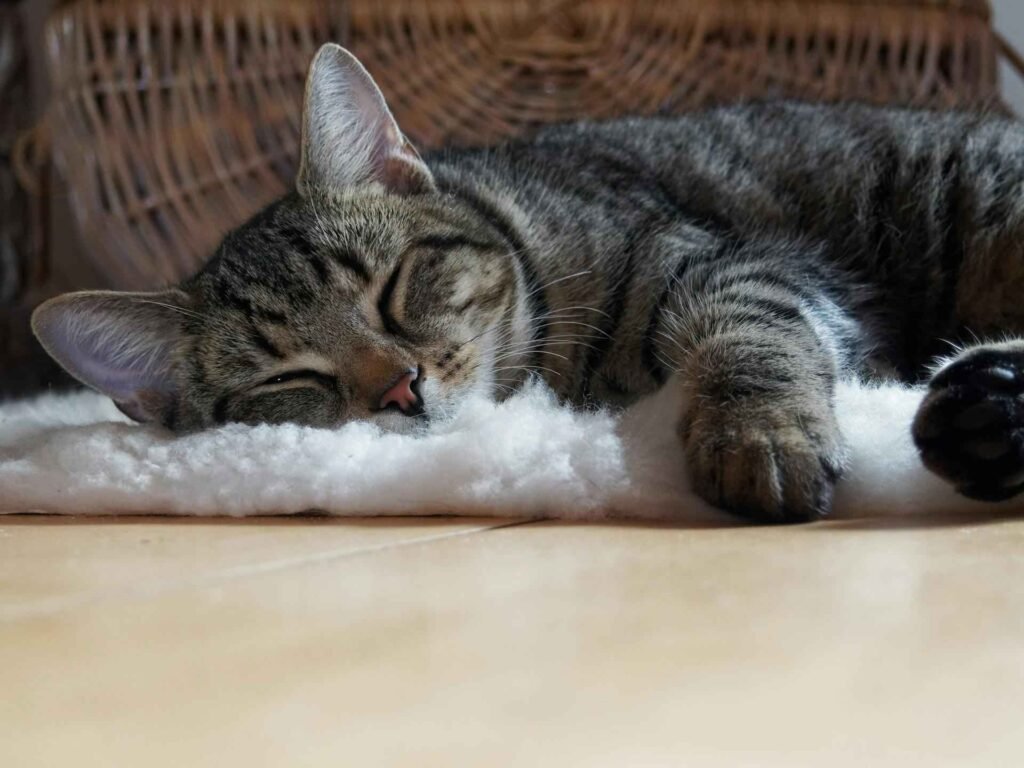
Location scouting is equally important. That sunny spot on the floor moves throughout the day, requiring constant monitoring and adjustment. The warm laundry fresh from the dryer demands immediate claiming. And that expensive orthopedic cat bed you purchased? It’ll remain empty while the cardboard box it came in becomes prime real estate.
Speaking of beds, cats are also planning to test every unsuitable sleeping surface: laptop keyboards during video calls, freshly folded laundry, important paperwork, and the very center of your pillow at 3 AM. Variety keeps things interesting.
Perfecting the Art of Selective Hearing
Cats are naturally gifted at pretending they can’t hear their names, but this year they’re taking it to championship levels. The resolution involves developing an impenetrable force field of indifference, activated specifically when humans call them.
The science is simple. Cats absolutely recognize their names, but responding to them? That’s optional. The goal is maintaining perfect stillness while being called, perhaps with one ear twitching to indicate partial awareness, then continuing whatever activity is happening as if the human voice is simply background noise.
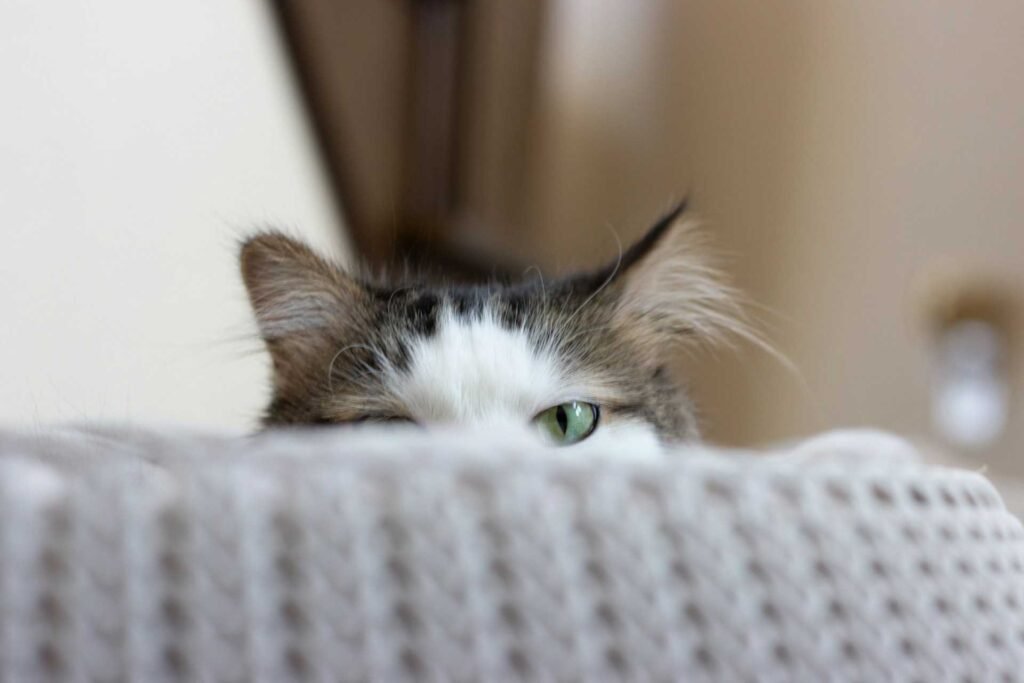
This skill becomes particularly valuable during certain scenarios: when it’s medication time, when the nail clippers emerge, or when someone’s attempting to coax them out of their hiding spot for a vet appointment. The key is commitment to the bit. Never break character.
However, the selective hearing has interesting exceptions. The sound of a treat bag opening from three rooms away? Crystal clear reception. The fridge door? Instantly detectable. The can opener? Better than a dinner bell. It’s not that cats can’t hear; they’re just incredibly discerning about which sounds deserve acknowledgment.
Crafty humans might try storing high-value treats to improve their cat’s “hearing,” though success rates vary.
Expanding the Personal Territory Claim
Every cat knows the truth: everything in the house belongs to them. But this year’s resolution involves making that claim more obvious through strategic marking, occupying, and general domination of space.
First priority? That new piece of furniture you just brought home. Cats are committing to scratching every surface within the first 24 hours to establish ownership. It doesn’t matter if there’s a perfectly good scratching post nearby; that sofa arm needs their signature. Some forward-thinking humans invest in scratch-resistant furniture covers, but ambitious cats view these as merely textured challenges.
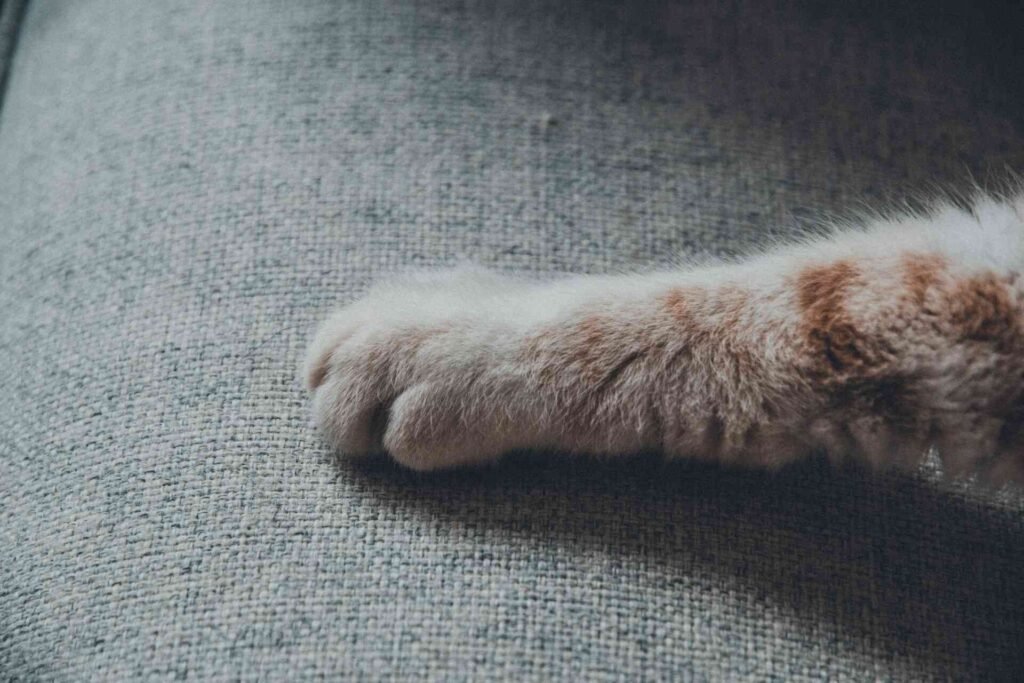
Next up: personal space invasion. Your laptop while working? Perfect cat seat. Your yoga mat during morning stretches? Clearly designed as a cat lounge. The bathroom while you’re using it? Premium bonding time. Closed doors are an offense to feline sensibilities, and this year cats are resolving to protest them even more dramatically.
The lap occupation initiative is also getting reinforced. Cats plan to position themselves on human laps at the least convenient moments: right when someone needs to get up, during important phone calls, or precisely when the person is balancing a hot beverage. It’s not about comfort; it’s about asserting dominance.
Refining the Meal Timing Demands
Cats have always had opinions about when meals should happen, but this year they’re implementing a stricter schedule, their own. The resolution? Convince humans that breakfast should happen at 5 AM, regardless of what the actual clock says.
The campaign involves multiple tactics. The face-patting wake-up call is a classic, but cats are workshopping variations: the gentle nose boop that escalates to the full paw-on-closed-eyelid technique. The standing-on-the-chest approach remains effective, especially when combined with intense staring.

Vocalizations play a supporting role. Starting with soft meows that gradually increase in volume and urgency creates a sense of legitimate crisis. Some cats are even experimenting with different room acoustics, discovering that meowing near hard surfaces amplifies the sound beautifully.
Once awake, humans must immediately proceed to the food bowl. Any delay requires additional encouragement: leg weaving to create tripping hazards, leading the way with insistent backward glances, or the occasional dramatic collapse as if starvation is imminent despite eating four hours ago.
Cats who tend to inhale their meals might benefit from their humans using slow-feeder bowls, though most felines would veto this resolution entirely.
The Treat Negotiation Enhancement Project
Cats have already trained their humans reasonably well, but there’s always room for improvement. This year’s resolution involves increasing treat frequency through advanced psychological manipulation techniques.
Step one: the disappointed stare. Perfecting that look of utter betrayal when the treat jar isn’t immediately opened upon request. Some cats are practicing in mirrors (when they’re not knocking them over) to achieve maximum emotional impact.
Step two: the comparison strategy. Acting pathetically hungry near the treat location, even immediately after eating a full meal. The implication that they’re somehow being deprived becomes impossible to ignore when combined with sad meowing.
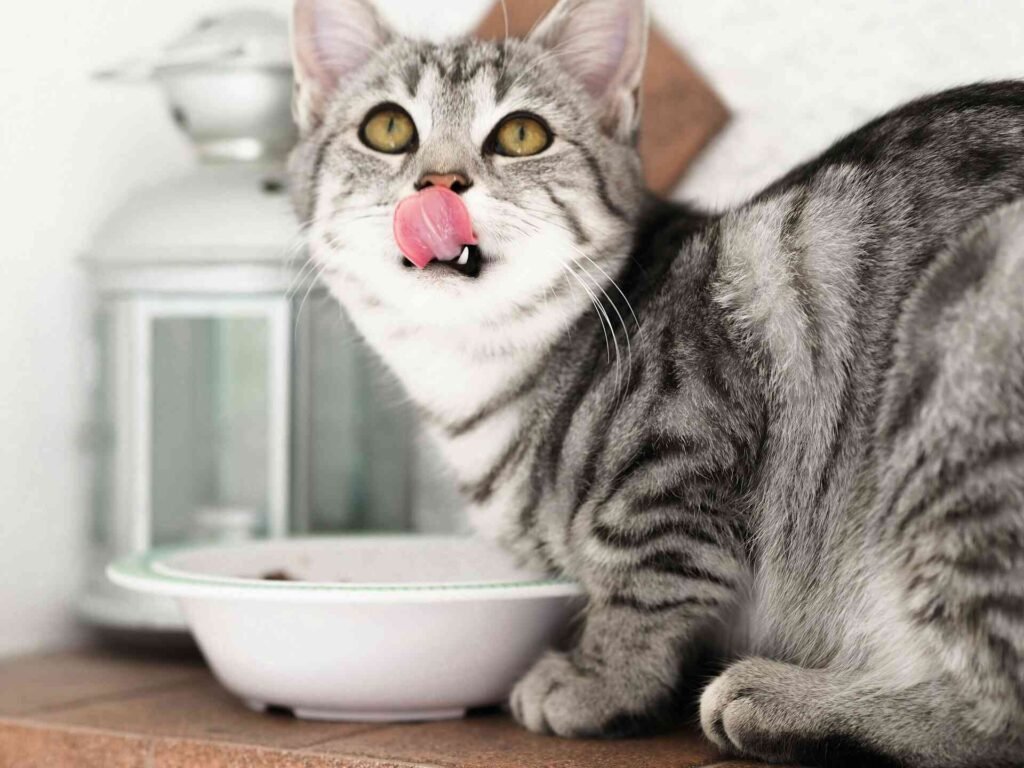
Step three: the persistence game. Simply sitting near the treat storage and waiting. And waiting. And waiting some more. Humans eventually cave because the intensity of the feline stare becomes unsettling. Strategic treat placement might limit access, but determined cats view this as merely upgrading the challenge.
Step four: selective trick performance. Cats who’ve accidentally learned behaviors that resulted in treats are planning to deploy them more strategically. If sitting pretty once earned a snack, imagine what sitting pretty seventeen times in a row might accomplish.
Embracing Your Cat’s Purrfectly Imperfect Resolutions
Cats are not interested in self-improvement. They are interested in maintaining operational standards.
What we call “resolutions” are simply refinements of behaviors they already perform with confidence. The midnight concerts, the gravity experiments, the territorial claims, none require correction in their view.
Rather than attempting reform, it may be more productive to adapt. Secure fragile objects. Store food properly. Accept that personal space is flexible.
The charm of living with a cat lies in this steady refusal to compromise. They remain exactly who they are, strategic, persistent, and entirely unbothered by human expectations.
And when your glass of water tips over again or dawn arrives with a hallway aria, remember: no resolution was broken. Execution was simply flawless.
Looking for more? Visit our Blog for more fun and insightful reads, or browse our full Cat Category for everything feline-related, from care to comfort.
Disclaimer: This article is for informational purposes only and does not substitute for professional veterinary advice. Always consult your veterinarian for diagnosis and treatment tailored to your cat’s individual needs. Please verify current product information directly on the retailer’s site before purchasing.
Check out our most recent articles!
- Are Newborn Cats Born With Teeth? Everything About Kitten Dental Growth
 Ever wondered what’s happening inside a newborn kitten’s mouth? The answer might surprise you. Discover the complete timeline of feline dental development and learn what to expect as your kitten grows from gummy grins to a full set of adult teeth.
 - Keeping Your Indoor Cat Warm in Winter: The Complete GuideEven indoor cats feel the winter chill more than you might think. Cold floors, dry air, and sneaky drafts can leave your feline less comfortable than they should be. Discover the simple adjustments that make all the difference in helping your cat stay genuinely cozy through the coldest months.
- Should You Look Your Cat in the Eyes? Is Staring Really Aggressive?Your cat’s eyes tell a story you’ve been misreading. While prolonged staring means one thing in human communication, cats interpret it completely differently. Discover why that loving gaze might actually be stressing out your feline friend and what to do instead.
- Choosing the Best Blanket for Your Cat: A Blanket Buyer’s GuideFinding the best blanket for your cat means considering more than just softness. Temperature regulation, durability, washability, and even behavioral quirks all play a role in choosing the perfect cozy spot for your feline friend. Discover which blanket types match your cat’s lifestyle.
- How to Get Your Kitten to Eat More: Simple Solutions for Picky EatersWatching your tiny kitten turn up their nose at perfectly good food can be heart-wrenching. This comprehensive guide reveals why kittens become picky eaters and shares practical solutions that transform mealtime battles into successful feeding routines.
- Can Cats Eat Fried Rice? Why This Takeout Favorite Is a No-GoThat irresistible takeout aroma might have your cat begging, but fried rice contains ingredients that can harm felines. Discover why even small amounts aren’t worth the risk and what treats truly suit your cat’s carnivorous nature.
- Why Do Cats Vibrate Their Tail? From Happy to HuntingYour cat’s vibrating tail is like a mood ring with fur. Whether they’re thrilled to see you or preparing to mark territory, decoding these rapid shakes reveals what’s really going on in their mind.
- Is Asparagus Bad for Cats? Risks, Benefits, and AlternativesYour cat’s eyeing your asparagus dinner, but should they have any? While this green veggie isn’t toxic to cats, there are surprising reasons why it’s not the treat you might think it is.
- How Cats Express Sadness: Reading Your Feline’s Emotional LanguageCats don’t cry emotional tears or mope around like dogs, but they absolutely experience sadness. The trick is learning to read their subtle language, the withdrawn behavior, the changed routines, the slight shifts in body posture that reveal their inner emotional world.
- Can Cats and Rabbits Live Together? Multi-Species Harmony GuideCats are predators, rabbits are prey, but that doesn’t mean they can’t coexist peacefully. Success comes down to understanding each animal’s instincts, respecting their boundaries, and taking introductions at the right pace.
- Are Space Heaters Safe for Cats? Keeping Your Cat CozySpace heaters can provide cozy warmth for your cat, but only when chosen and positioned with feline safety in mind. Discover which features protect against burns, fires, and electrical hazards.
- Cat Bed Placement 101: Finding the Perfect Spot Your Cat Will Actually UseCats spend up to 16 hours sleeping daily, yet many reject their designated beds completely. The problem isn’t pickiness, it’s placement. Learn where cats naturally feel safe and comfortable, and how to position beds they’ll genuinely use.
- Can a Kitten Be Left Alone at Night? What You Need to KnowThose first nights with a new kitten rarely match the peaceful scene you imagined. Learn why most kittens can sleep alone once they reach a certain age, and discover the setup secrets that make nighttime independence work for everyone.
- A Cat’s New Year’s Resolutions: What Your Cat Would Promise (If They Could Write)Cats worldwide are drafting their own new year’s resolutions, and they’re refreshingly honest. From mastering the art of selective hearing to expanding their forbidden food sampling program, discover what your feline friend would promise if they could hold a pen (before knocking it off the desk).
- Cats and Snow: Why Some Love It and Others Don’tSnow isn’t just uncomfortable for many cats, it’s a complete sensory overload. From cold paw pads to wet fur and changed landscapes, winter challenges feline comfort in unexpected ways. Learn how to recognize stress signals and create cozy alternatives for snow-averse cats.















Written by Jazzlyn T. Mearkle (Lifestyle and Creative Writer)
Last reviewed and edited on 16.02.2026