
Cats do not hide emotions because they are aloof. They suppress overt distress because, as a small solitary predator, visible weakness increases vulnerability. What many owners label as “sadness” is usually a measurable change in baseline behavior. In clinical settings, we evaluate mood shifts by comparing three markers: appetite stability, social engagement patterns, and voluntary activity level.
In practice, the first sign is rarely dramatic. It is subtle pattern erosion. A cat who reliably greets at 6:30 pm stops appearing. A food-motivated cat leaves 20 percent of the meal untouched. A highly social cat relocates sleep to a low-traffic area. Those deviations matter more than facial expression.
The Silent Language of Feline Sadness
Cats express low mood primarily through behavioral contraction. They reduce range, reduce exploration, and reduce social initiation. In behavior medicine, this is sometimes described as decreased environmental engagement.
In cases I have evaluated, owners often miss the early phase because nothing appears dramatic. The cat still eats. The cat still uses the litter box. What changes is intensity. Play sessions shorten from ten minutes to two. Vocal cats reduce chirping frequency. Grooming sessions become perfunctory rather than thorough. That reduction in behavioral amplitude is a more reliable indicator than overt “sad” appearance.
A cat dealing with sadness might sleep more than usual, and we’re talking about creatures who already clock 12-16 hours of shut-eye daily. The difference is in the quality and location of that rest. Instead of sprawling in sunny spots or curling up in open areas where the action is, a melancholy cat often seeks out hidden corners, dark spaces, or secluded areas where they won’t be disturbed. When cats retreat from their usual hangouts, it’s often their way of processing difficult emotions.
Body Language: The Physical Tells of Cat Sadness
A cat’s body speaks volumes if you know what to watch for. Posture changes are particularly revealing. Where a content cat moves with fluid grace and confidence, a sad cat often appears more compact, hunched, or tense. Their movements lose that characteristic feline fluidity and become more mechanical or hesitant.
The tail acts as an emotional barometer. While we often associate a low or tucked tail with fear, it can also indicate sadness or depression. A tail that hangs limply or wraps tightly around the body suggests emotional discomfort. Pay attention to the overall tail carriage throughout the day, if that normally expressive appendage has lost its bounce and communicative sway, your cat might be struggling emotionally.
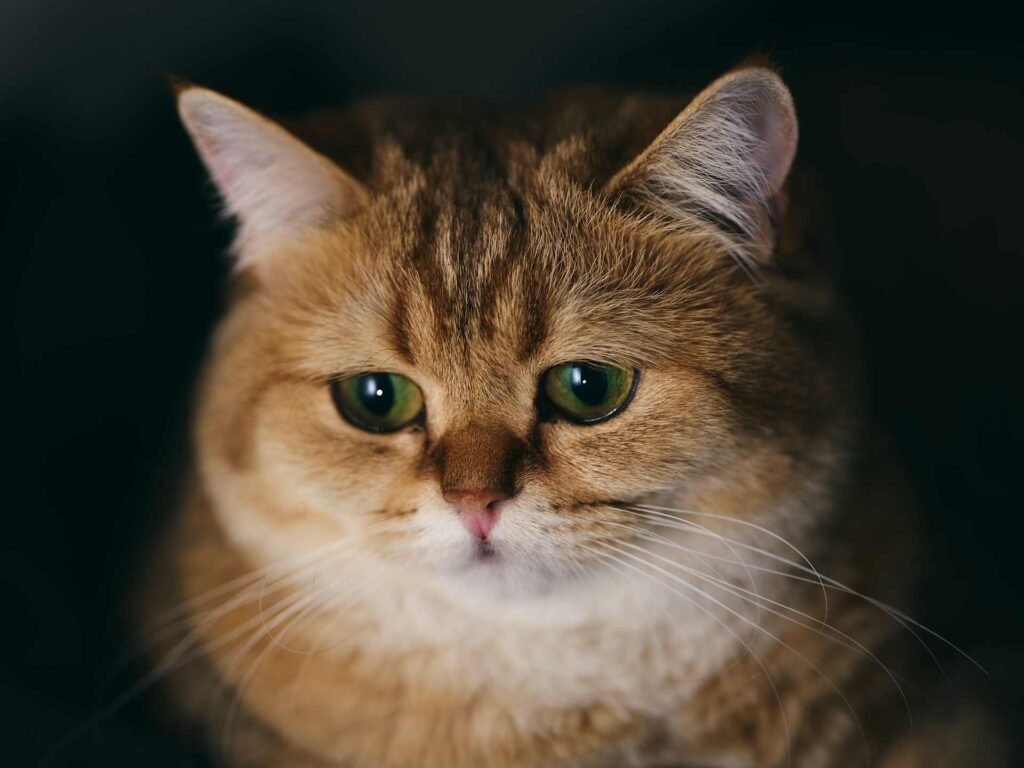
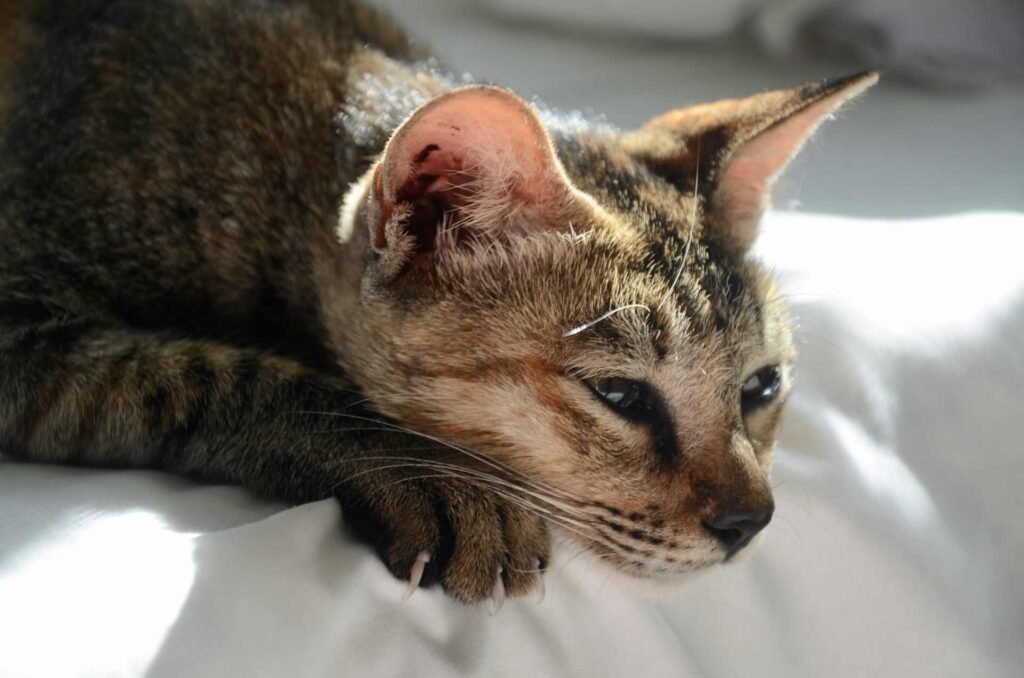
Facial expressions matter too, though they’re subtler than what we see in dogs. A sad cat’s eyes might appear slightly squinted or half-closed even when they’re awake and alert. Their whiskers, which normally fan outward in a relaxed or curious cat, might droop or press flat against their face. The ears provide additional clues, flattened or rotated ears can signal emotional distress alongside physical discomfort.
Subtle spinal curvature is often more telling than tail carriage. A neutral resting spine in a relaxed cat forms a soft horizontal line. In low mood states, I frequently observe a mild thoracolumbar flexion even during rest. The cat appears slightly compressed, as if conserving surface area.
Whisker position is another overlooked marker. Forward whiskers indicate engagement. Lateral relaxed whiskers suggest neutrality. Chronically retracted whiskers, especially when paired with minimal ear rotation toward environmental sounds, often correlate with emotional withdrawal.
Behavioral Changes That Signal Emotional Distress
Perhaps the most noticeable sign that cats are experiencing sadness shows up in their daily habits and routines. These creatures are notoriously attached to their schedules, so disruptions often point to something amiss.
Grooming habits tell a revealing story. Some sad cats stop grooming themselves properly, leading to a dull, matted, or unkempt coat. Others go the opposite direction, over-grooming to the point of creating bald patches or skin irritation. Both extremes indicate stress or emotional upset. A healthy, content cat maintains moderate, regular grooming sessions that keep their coat in good condition without obsessive attention.
A clinically significant appetite change in cats is defined as a reduction of 25 percent or more of normal intake sustained for 48 hours. Cats are metabolically sensitive to food restriction. Hepatic lipidosis can develop after several days of inadequate intake, particularly in overweight individuals. If appetite reduction accompanies withdrawal, do not frame it as “emotional” until medical causes are excluded. In real cases, I have seen early kidney disease misinterpreted as grief.
Litter box habits also reflect emotional wellness. A previously reliable cat who starts eliminating outside the box might be expressing emotional distress. Similarly, significant changes in frequency, either using the box much more or much less often, can indicate sadness alongside potential medical issues that should be ruled out with a veterinarian.
Play, Interaction, and Social Withdrawal
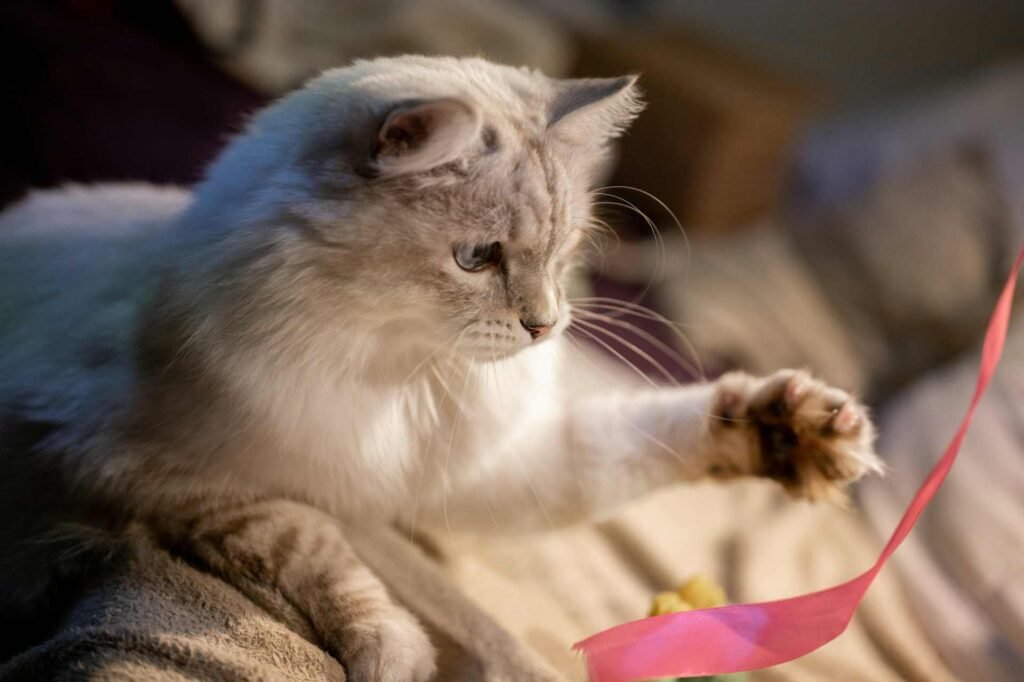
Active play sessions are essential for feline mental health, but sad cats often lose interest in activities they once found engaging. That feather wand that used to trigger wild pouncing sessions might barely elicit a glance. Interactive toys sit untouched. Even solo play with favorite balls or seasonal playthings fails to capture their attention.
This disinterest extends to social interaction too. Cats experiencing sadness frequently withdraw from family members, both human and animal. A cat who usually sleeps on your bed might relocate to another room. One who demanded constant petting sessions might duck away from outstretched hands. These shifts in social behavior are particularly meaningful because they represent changes in established bonding patterns.
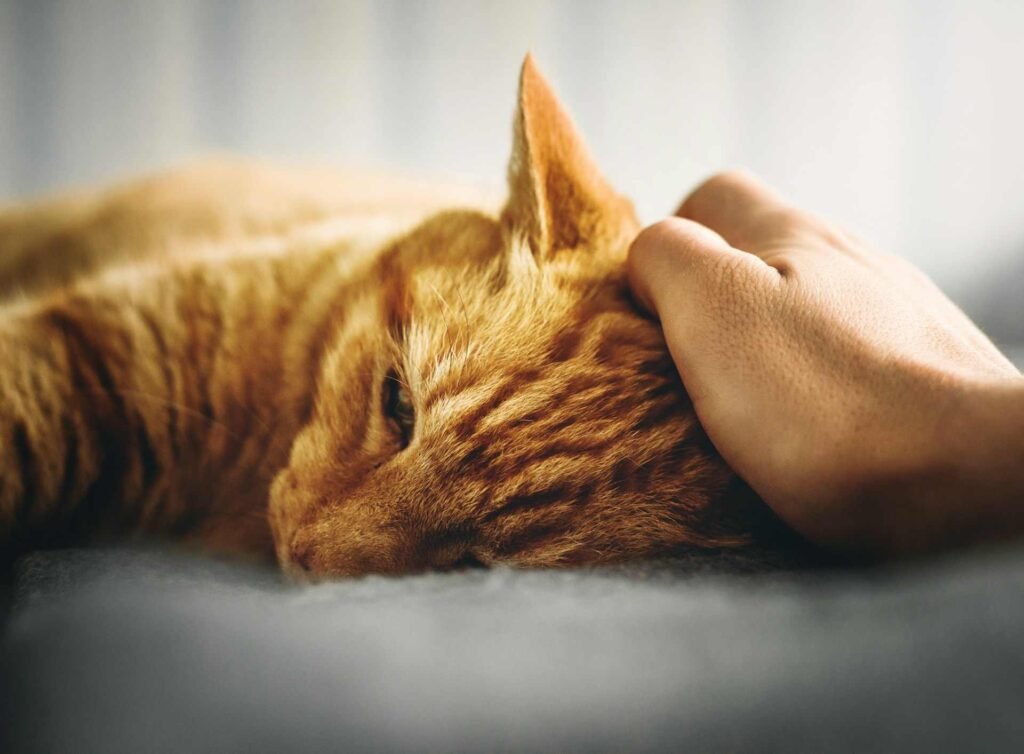
The withdrawal can manifest differently depending on the cat’s baseline personality. An extroverted cat might become reclusive and standoffish. An independent cat who maintained friendly distance might completely disappear for hours at a time. Testing whether your cat recognizes and responds to their name can help you gauge their responsiveness during these challenging periods.
Common Triggers: What Makes Cats Sad?
Identifying potential causes helps address feline sadness more effectively. Major life changes top the list of common triggers. Moving to a new home disrupts everything familiar, scents, sounds, spatial layout, territory boundaries. Even traveling with your cat can create lingering emotional effects. The stress of transport and unfamiliar environments takes an emotional toll that doesn’t always resolve immediately upon returning home.
Changes in household composition hit cats hard. The loss of a companion animal, whether feline, canine, or another species, can trigger genuine grief. Cats form deep bonds with other household pets, and their absence leaves a palpable void. Similarly, a human family member moving out, whether for college, work, or other reasons, disrupts established relationships and routines. Grief responses in cats have been documented in observational studies.
In multi-cat households I have observed, the most affected individual is often not the one who groomed the deceased cat most, but the one who shared resting proximity. Spatial bonding appears to matter as much as social grooming.
New additions to the household present different challenges. A new pet, especially another cat, can make a resident cat feel displaced, threatened, or jealous. New human babies bring noise, attention shifts, and routine disruptions. Even positive changes require adjustment periods that can manifest as temporary sadness or stress.
Health issues and pain profoundly affect feline mood. Cats instinctively hide illness and injury, but chronic pain or discomfort absolutely impacts their emotional state. Dental problems, arthritis, digestive issues, or other ongoing health concerns can make a cat seem sad or withdrawn. Regular veterinary checkups and attention to changes in behavior help catch these issues early. When cats act scared or nervous around trusted people, it might signal they’re not feeling well.
Environmental factors matter too. Lack of mental stimulation or inadequate entertainment during long periods alone can lead to depression. A too-quiet or unstimulating environment fails to meet their need for enrichment, especially for younger or more active cats. Conversely, overly chaotic households with constant noise, traffic, or disruption can overwhelm sensitive cats.
Sadness vs. Other Emotions and Conditions
Distinguishing sadness from pain is critical. Pain produces guarding behavior. The cat resists touch in specific anatomical regions. Pupils may remain dilated even in moderate light. Grooming avoidance often targets one body area. Sadness produces generalized behavioral reduction without localized defensive reaction.
One practical differentiation test I use is stimulus response consistency. Present a highly valued reinforcer such as a favorite freeze-dried protein treat. A bored cat responds immediately. A painful cat approaches but hesitates physically. A sad cat often shows delayed but gentle acceptance. These distinctions are subtle but clinically useful.
Medical issues cloud the picture because illness often causes behavioral changes identical to emotional distress. Pain, hormonal imbalances, neurological conditions, and systemic diseases all affect behavior. This is why veterinary evaluation is essential when you notice significant behavioral changes. Rule out physical causes before assuming purely emotional origins.
How Cats Show Sadness: A Quick Reference Guide
| Behavioral Area | Signs of Sadness | What to Watch For |
|---|---|---|
| Social Interaction | Withdrawal from people and pets | Avoiding previously enjoyed contact, not greeting family members, hiding when company arrives |
| Vocalization | Changes in normal patterns | Increased crying or meowing, mournful sounds, or unusual quietness |
| Activity Level | Decreased energy and play | Ignoring favorite toys, sleeping excessively, lack of curiosity |
| Grooming | Either neglect or obsession | Matted fur from under-grooming, or bald patches from over-grooming |
| Eating Habits | Appetite changes | Refusing favorite foods or treats, eating significantly less, or occasionally overeating |
| Body Language | Hunched posture, tucked tail | Low ear position, less fluid movement, closed-off positioning |
| Litter Box | Changes in bathroom habits | Eliminating outside the box, changes in frequency |
Supporting Your Cat Through Sad Periods
Intervention begins with stabilization, not stimulation. Do not immediately increase activity demands. First restore predictability. Feed at fixed times within a 15-minute window. Maintain litter box placement. Avoid introducing new scents or rearranging furniture during recovery.
Second, implement controlled enrichment rather than constant novelty. I recommend structured five-minute engagement blocks twice daily instead of prolonged forced play. Use prey-sequence simulation with a wand toy: stalk phase, chase phase, capture phase, then food reward. Completing the predatory motor pattern improves behavioral confidence.
Third, measure response objectively. Track sleep location, meal completion percentage, and voluntary social initiation daily for one week. Emotional recovery should show gradual upward trend.
Create safe spaces where your cat can retreat without being disturbed. This might mean setting up a cozy bed in a quiet room, or respecting their chosen hiding spot. Don’t force interaction, but make yourself available for comfort when they seek it. Some cats want more physical affection during sad periods; others need space. Follow their lead.
Environmental enrichment deserves attention even when your cat seems disinterested. Strategically placed furniture that provides vertical space, hiding spots, and observation perches gives cats options for engagement on their terms. Rotate toys to maintain novelty. Interactive feeders or puzzle toys provide mental stimulation that combats both boredom and sadness.
Gentle play sessions can help, but adjust expectations. A sad cat won’t exhibit the explosive energy of a content one, but brief, low-key play with favorite toys might spark interest. Even five minutes of gentle activity releases endorphins and provides positive interaction. Try different toy types to see what resonates, some cats respond better to wand toys during emotional slumps, while others prefer solo play options.
Calming products might help in some situations. Pheromone diffusers, sprays, or collars release synthetic versions of facial pheromones that cats deposit when feeling secure. While not a cure-all, they can reduce environmental stress. Some cats respond well to calming treats or supplements, though these should be discussed with your veterinarian first.
Monitor their basic needs carefully. Ensure food and water remain fresh and appealing. High-quality food bowls placed in quiet, accessible locations encourage eating. Some sad cats benefit from slightly warming their food to enhance aroma and palatability, or from being offered special treats to stimulate appetite.
When to Seek Professional Help
Recognizing when home interventions aren’t sufficient is important. If behavioral changes persist beyond two weeks without improvement, veterinary consultation makes sense. Earlier intervention is warranted if your cat shows extreme signs: complete refusal to eat for more than 24 hours, total withdrawal and hiding, or aggressive behavior that’s out of character.
Physical symptoms accompanying behavioral changes, vomiting, diarrhea, obvious pain responses, difficulty breathing, or dramatic weight changes, require immediate veterinary attention. These suggest medical causes that need diagnosis and treatment.
Your veterinarian might recommend blood work, urinalysis, or other diagnostics to rule out underlying health problems. Thyroid disorders, kidney disease, diabetes, and other conditions can cause behavioral changes that mimic depression. Treating the underlying condition often resolves the emotional symptoms.
In cases of pure behavioral or emotional issues, your vet might suggest working with a veterinary behaviorist or certified cat behavior consultant. These specialists understand feline psychology and can develop targeted intervention plans. In severe cases, short-term anti-anxiety or anti-depressant medication might be recommended alongside behavioral modification.
FAQ
Cats absolutely experience emotions, including sadness, though their experience and expression differ from human emotions. Research in animal behavior and neuroscience shows that cats have brain structures associated with emotion processing, including the limbic system. They form attachments, experience loss, and respond to negative changes in their environment with behavioral changes consistent with what we’d call sadness or depression. The key is recognizing that feline emotional experience happens within their context and survival framework, expressed through cat-specific behaviors rather than human-like demonstrations.
Duration varies enormously depending on the cause and the individual cat. Sadness from minor disruptions might resolve within a few days to a week once stability returns. Grief following loss of a companion typically lasts several weeks to several months, with gradual improvement over time. Sadness related to chronic stressors or unresolved environmental problems can persist indefinitely until the underlying cause is addressed. If behavioral changes continue beyond two weeks without any improvement, veterinary consultation helps determine whether medical issues are contributing and what interventions might help.
No, cats don’t produce emotional tears the way humans do. Their tear ducts function strictly for eye health, lubricating and protecting the eye surface. If you notice discharge from your cat’s eyes, that indicates a medical issue like infection, irritation, or blocked tear ducts rather than emotional crying. Cats express sadness through behavioral changes, body language, and vocalizations rather than tears. They might make mournful sounds or meow differently when distressed, but watery eyes signal physical problems requiring veterinary attention.
This depends entirely on the cause of sadness and your cat’s personality. If your cat is grieving the loss of a companion, some eventually benefit from a new friend, but timing matters enormously. Introducing a new cat too soon can add stress rather than comfort. If sadness stems from other causes, environmental stress, routine changes, health issues, adding another cat often worsens the situation by creating additional stress. Consider your cat’s history with other animals, their current state, and whether they’ve ever shown interest in feline companionship. When in doubt, consult with a veterinary behaviorist before bringing home a new cat.
Cats can experience seasonal mood changes, though this varies among individuals. Some cats show decreased activity and mood during winter months with less daylight, similar to seasonal affective patterns in humans. Changes in weather patterns that keep cats indoors longer or disrupt routines can contribute to boredom or frustration that looks like sadness. Ensuring adequate environmental enrichment, maintaining play routines, and providing sunny spots for lounging helps combat seasonal doldrums. Some cats actually become less active in fall, which is normal as long as appetite and social interaction remain stable.
This distinction can be genuinely tricky because sadness and illness often cause overlapping symptoms, withdrawal, appetite changes, decreased activity, altered grooming. Key differences: sick cats often show additional physical signs like vomiting, diarrhea, obvious pain responses, changes in urination, or visible discomfort. Sick cats might actively avoid interaction because they don’t feel well physically, while sad cats often accept gentle affection even if they’re not seeking it out. Medical issues typically worsen over time without treatment, while purely emotional sadness might fluctuate or gradually improve. When in doubt, always consult your veterinarian first to rule out physical causes before assuming purely emotional origins.
Conclusion
Understanding feline sadness requires abandoning human projection and focusing on measurable deviation from baseline behavior. Cats do not dramatize emotional states. They contract behavior, reduce engagement, and conserve energy.
Most cases resolve when stability returns. Some cases reveal underlying pain or disease. The responsibility of the owner is not to interpret theatrics but to recognize patterns. When you know your cat’s normal intensity, even subtle reduction becomes visible.
Emotional literacy in cats is less about empathy and more about precision. Precision builds trust. Trust restores engagement.
Looking for more? Explore our Cat Health section for more posts like this, visit the Blog for fun and insightful reads, or browse our full Cat Category for everything feline-related, from care to comfort.
Disclaimer: This article is for informational purposes only and does not substitute for professional veterinary advice. Always consult your veterinarian for diagnosis and treatment tailored to your cat’s individual needs. Please verify current product information directly on the retailer’s site before purchasing.
References
- Greene, Brittany & Vonk, Jennifer. (2024). Is Companion Animal Loss Cat-astrophic? Responses of Domestic Cats to the Loss of Another Companion Animal. Applied Animal Behaviour Science. 277. https://doi.org/10.1016/j.applanim.2024.106355
- Heath S. Understanding feline emotions: … and their role in problem behaviours. J Feline Med Surg. 2018 May;20(5):437-444. https://doi.org/10.1177/1098612X18771205
- Horwitz DF, Rodan I. Behavioral awareness in the feline consultation: Understanding physical and emotional health. Journal of Feline Medicine and Surgery. 2018;20(5):423-436. https://doi.org/10.1177/1098612X18771204
- Nagasawa T, Ohta M, Uchiyama H. Effects of the characteristic temperament of cats on the emotions and hemodynamic responses of humans. PLoS One. 2020 Jun 25;15(6):e0235188. https://doi.org/10.1371/journal.pone.0235188
- Rodan I, Dowgray N, Carney HC, et al. 2022 AAFP/ISFM Cat Friendly Veterinary Interaction Guidelines: Approach and Handling Techniques. Journal of Feline Medicine and Surgery. 2022;24(11):1093-1132. https://doi.org/10.1177/1098612X221128760
- Tammy Hunter, Lynn Buzhardt (2023). Do Cats Mourn? https://vcahospitals.com/know-your-pet/do-cats-mourn
- Taylor S, Chan DL, Villaverde C, Ryan L, Peron F, Quimby J, O’Brien C, Chalhoub S. 2022 ISFM Consensus Guidelines on Management of the Inappetent Hospitalised Cat. J Feline Med Surg. 2022 Jul;24(7):614-640. https://doi.org/10.1177/1098612X221106353. Erratum in: J Feline Med Surg. 2023 Feb;25(2):1098612X221149867.
Check out our most recent articles!
- How Are Cats so Flexible? Your Cat’s Anatomy Explained
 Between their 53 vertebrae, muscular shoulders connected only by soft tissue, and elastic joints, cats possess anatomical superpowers that blur the line between solid and liquid, letting them navigate spaces you’d swear were too small.
 - Do Cats Copy Their Owners Voice, Personality and Actions?The independent cat stereotype is crumbling. Science reveals that cats engage in intentional mimicry, learning from their owners and adapting their personalities to match the humans they live with.
- Are Newborn Cats Born With Teeth? Everything About Kitten Dental GrowthEver wondered what’s happening inside a newborn kitten’s mouth? The answer might surprise you. Discover the complete timeline of feline dental development and learn what to expect as your kitten grows from gummy grins to a full set of adult teeth.
- Keeping Your Indoor Cat Warm in Winter: The Complete GuideEven indoor cats feel the winter chill more than you might think. Cold floors, dry air, and sneaky drafts can leave your feline less comfortable than they should be. Discover the simple adjustments that make all the difference in helping your cat stay genuinely cozy through the coldest months.
- Should You Look Your Cat in the Eyes? Is Staring Really Aggressive?Your cat’s eyes tell a story you’ve been misreading. While prolonged staring means one thing in human communication, cats interpret it completely differently. Discover why that loving gaze might actually be stressing out your feline friend and what to do instead.
- Choosing the Best Blanket for Your Cat: A Blanket Buyer’s GuideFinding the best blanket for your cat means considering more than just softness. Temperature regulation, durability, washability, and even behavioral quirks all play a role in choosing the perfect cozy spot for your feline friend. Discover which blanket types match your cat’s lifestyle.
- How to Get Your Kitten to Eat More: Simple Solutions for Picky EatersWatching your tiny kitten turn up their nose at perfectly good food can be heart-wrenching. This comprehensive guide reveals why kittens become picky eaters and shares practical solutions that transform mealtime battles into successful feeding routines.
- Can Cats Eat Fried Rice? Why This Takeout Favorite Is a No-GoThat irresistible takeout aroma might have your cat begging, but fried rice contains ingredients that can harm felines. Discover why even small amounts aren’t worth the risk and what treats truly suit your cat’s carnivorous nature.
- Why Do Cats Vibrate Their Tail? From Happy to HuntingYour cat’s vibrating tail is like a mood ring with fur. Whether they’re thrilled to see you or preparing to mark territory, decoding these rapid shakes reveals what’s really going on in their mind.
- Is Asparagus Bad for Cats? Risks, Benefits, and AlternativesYour cat’s eyeing your asparagus dinner, but should they have any? While this green veggie isn’t toxic to cats, there are surprising reasons why it’s not the treat you might think it is.
- How Cats Express Sadness: Reading Your Feline’s Emotional LanguageCats don’t cry emotional tears or mope around like dogs, but they absolutely experience sadness. The trick is learning to read their subtle language, the withdrawn behavior, the changed routines, the slight shifts in body posture that reveal their inner emotional world.
- Can Cats and Rabbits Live Together? Multi-Species Harmony GuideCats are predators, rabbits are prey, but that doesn’t mean they can’t coexist peacefully. Success comes down to understanding each animal’s instincts, respecting their boundaries, and taking introductions at the right pace.
- Are Space Heaters Safe for Cats? Keeping Your Cat CozySpace heaters can provide cozy warmth for your cat, but only when chosen and positioned with feline safety in mind. Discover which features protect against burns, fires, and electrical hazards.
- Cat Bed Placement 101: Finding the Perfect Spot Your Cat Will Actually UseCats spend up to 16 hours sleeping daily, yet many reject their designated beds completely. The problem isn’t pickiness, it’s placement. Learn where cats naturally feel safe and comfortable, and how to position beds they’ll genuinely use.
- Can a Kitten Be Left Alone at Night? What You Need to KnowThose first nights with a new kitten rarely match the peaceful scene you imagined. Learn why most kittens can sleep alone once they reach a certain age, and discover the setup secrets that make nighttime independence work for everyone.















Written by Vesper Mayerson (Editorial Assistant)
Last reviewed and edited on 15.02.2026